
- Admission
- $21.95–$28.95
- Size
- 116 acres
- Opened
- 1923
- Accreditation
- AZA
varies by season
Association of Zoos and Aquariums
Everything below is directory information drawn from public sources and the zoo's own site.
Animals at Central Florida Zoo and Botanical Gardens
67 confirmedMammals23
 AfricanConservation · CC BY-SA 4.0
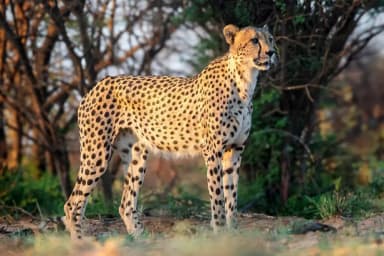
Cheetah
 Kuebi = Armin Kübelbeck · CC BY-SA 3.0
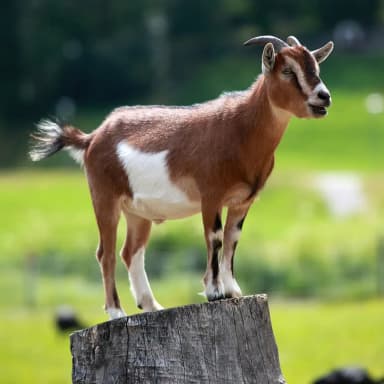
Nigerian Dwarf Goat
 Kuebi = Armin Kübelbeck · CC BY-SA 3.0
Pygmy Goat
 Dave Pape · Public domain
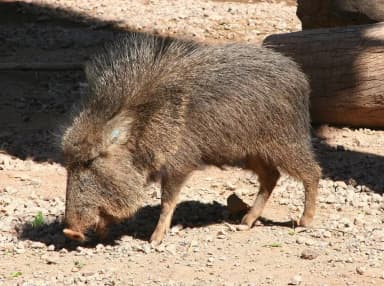
Chacoan Peccary
 Dick Culbert from Gibsons, B.C., Canada · CC BY 2.0
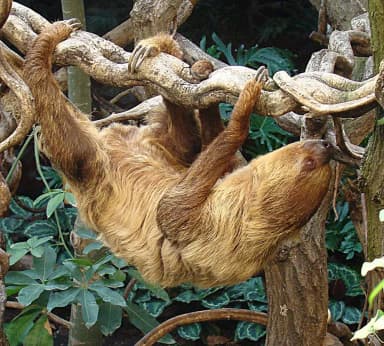
Two-toed Sloth
 Ran Kirlian · CC BY-SA 4.0
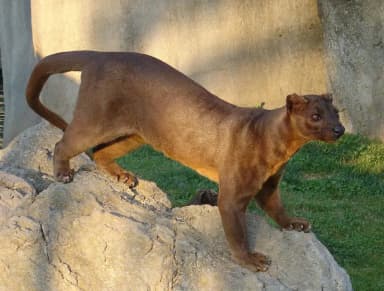
Fossa
 Lea Maimone · CC BY-SA 2.5
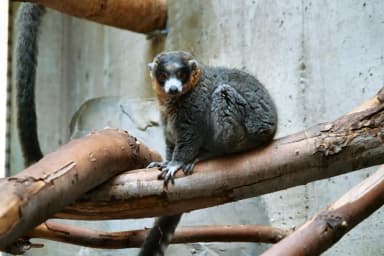
Mongoose Lemur
 Thomas Fuhrmann · CC BY-SA 4.0
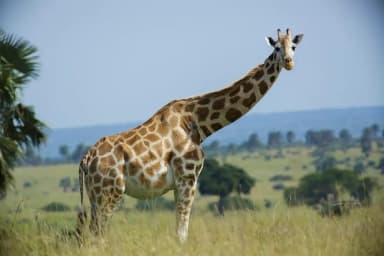
Giraffe
 Steven Lek · CC BY-SA 4.0
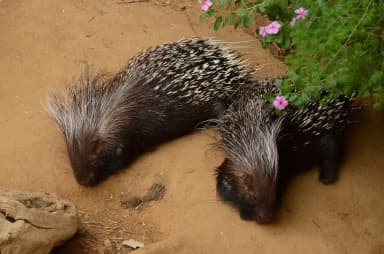
Cape Porcupine
 Andrija12345678 · CC BY-SA 4.0
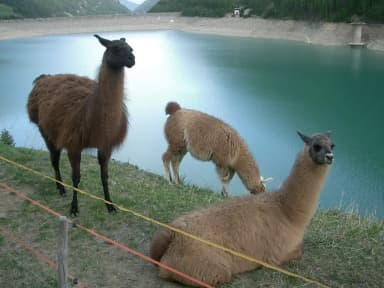
Llama
 Charles J. Sharp · CC BY-SA 4.0
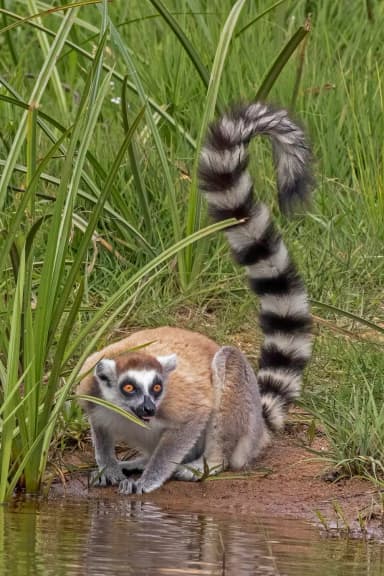
Ring-tailed Lemur
 Diego Delso · CC BY-SA 4.0
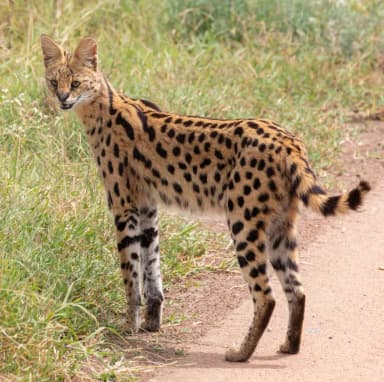
Serval
 derekkeats · CC BY-SA 2.0
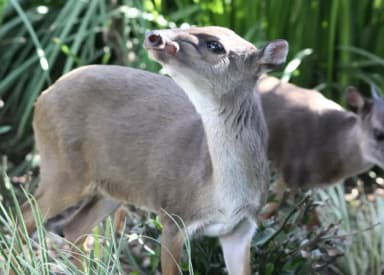
Blue Duiker
 National Park Service · Public domain
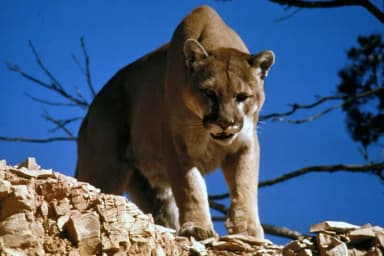
Cougar
 Mayank1704 · CC BY-SA 4.0
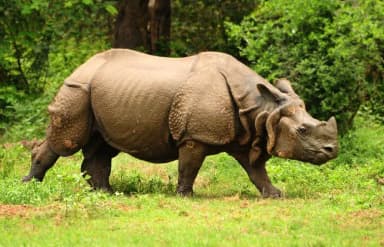
Greater One-horned Rhinoceros
 Chensiyuan · CC BY-SA 4.0
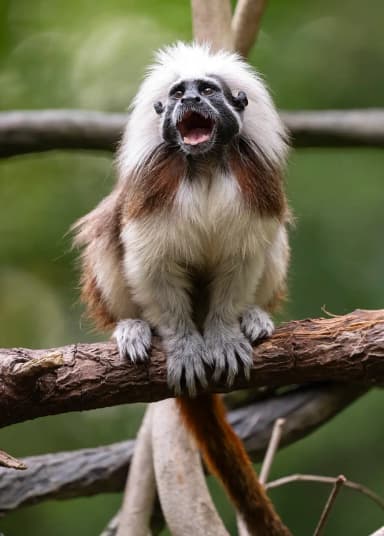
Cotton-top Tamarin
 Cayambe · CC BY-SA 3.0
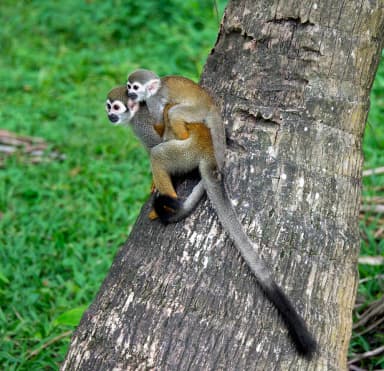
Squirrel Monkey
 Charles J. Sharp · CC BY-SA 4.0
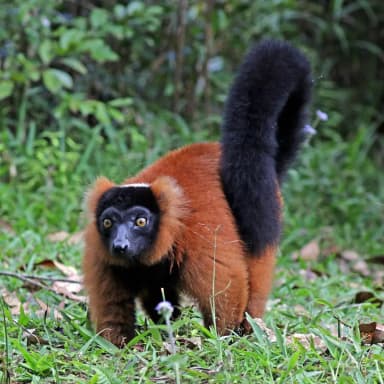
Red Ruffed Lemur
Birds12
 Luc Viatour · CC BY 2.0
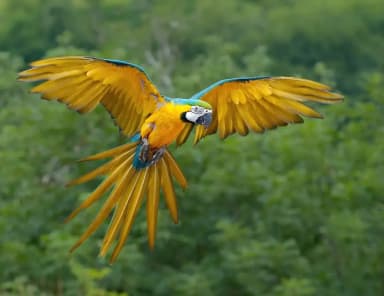
Blue-and-gold Macaw
 Arjan Haverkamp · CC BY 2.0
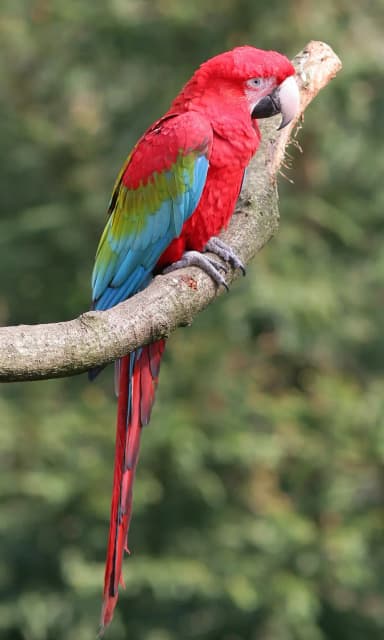
Green-winged Macaw
 Maciej · CC BY-SA 3.0
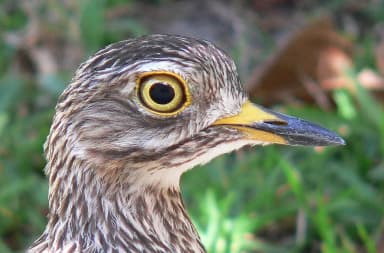
Cape Thick-knee
 Charles J. Sharp · CC BY-SA 4.0
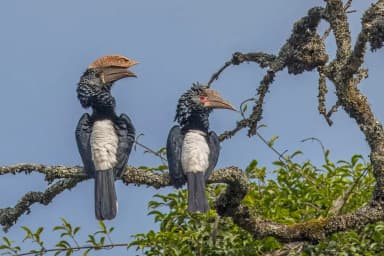
Silvery-cheeked Hornbill
 Charles J. Sharp · CC BY-SA 4.0
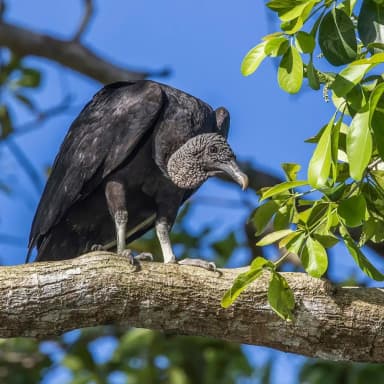
Black Vulture
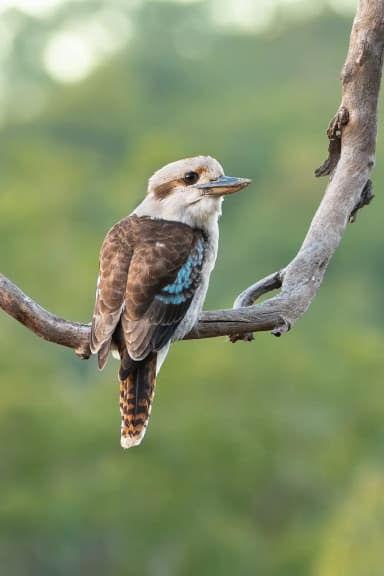 Photo by: Paulweberphoto - paulweberphoto.com · CC BY 4.0
Laughing Kookaburra
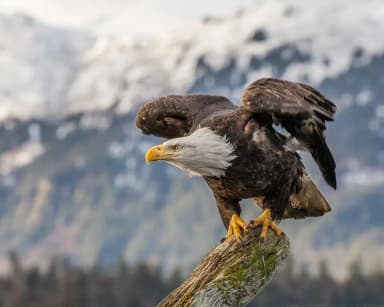 Andy Morffew from Itchen Abbas, Hampshire, UK · CC BY 2.0
Bald Eagle
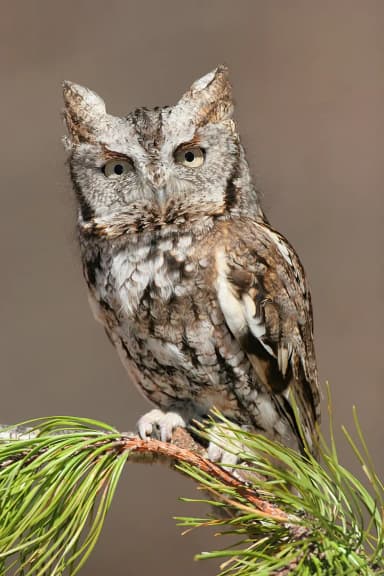 Wolfgang Wander · CC BY-SA 3.0
Eastern Screech-Owl
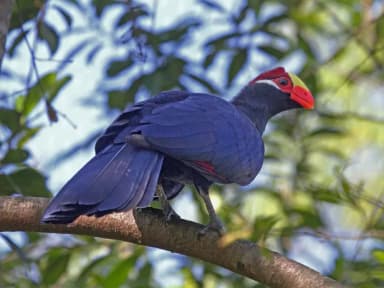 DickDaniels ( http://theworldbirds.org/ ) · CC BY-SA 3.0
Violet Turaco
Reptiles26
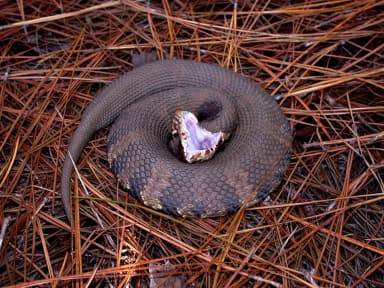 CDC/ Edward J. Wozniak D.V.M., Ph.D., John Willson at the University of Georgia, at the Savannah River Ecology Laborator · Public domain
Cottonmouth
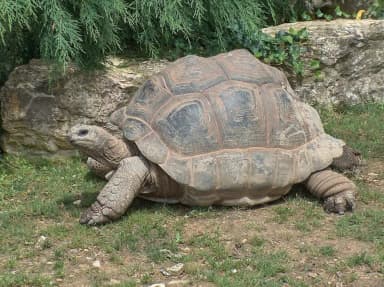 Yotcmdr · Public domain
Aldabra Tortoise
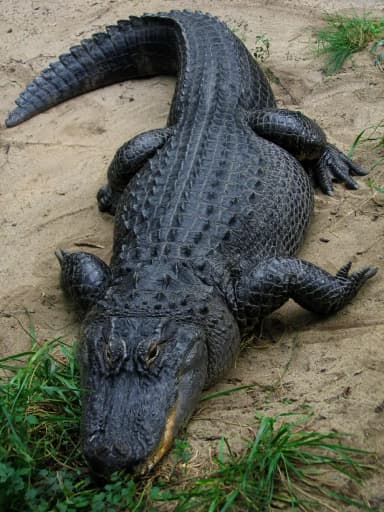 User:Postdlf · CC BY-SA 3.0
American Alligator
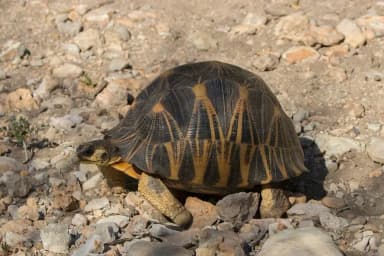 Charles J. Sharp · CC BY-SA 4.0
Radiated Tortoise
 Marius Burger · CC0
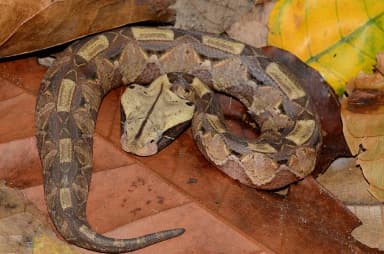
Gaboon Viper
 John5199 · CC BY 2.0
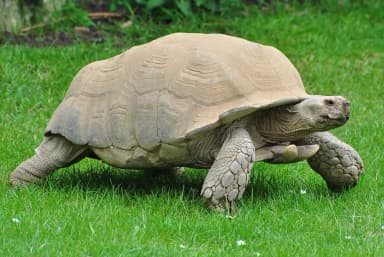
African Spurred Tortoise
 Bjoertvedt · CC BY-SA 3.0
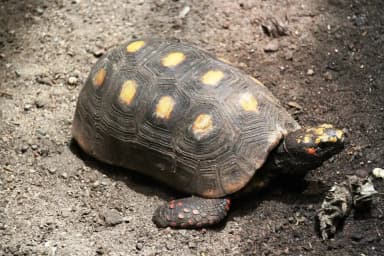
Red-footed Tortoise
 TimVickers · Public domain
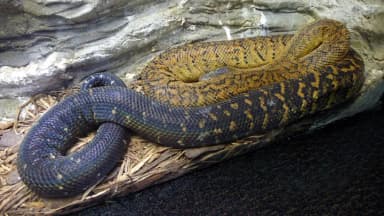
Jamaican Boa
 hug_78 · CC BY 2.0
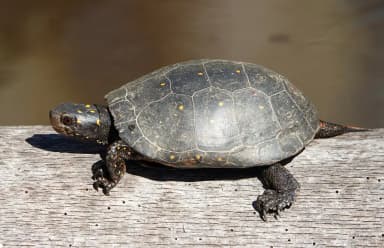
Spotted Turtle
 Edeag3 · CC BY-SA 4.0
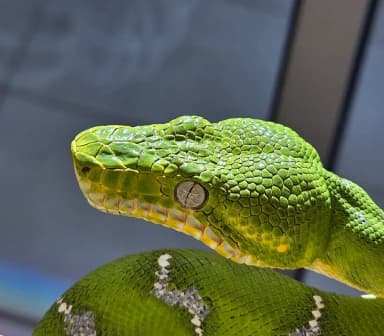
Emerald Tree Boa
 TimVickers · Public domain
Prehensile-tailed Skink
 Charles J. Sharp · CC BY-SA 4.0
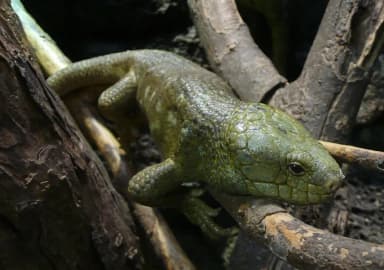
Grand Cayman Blue Iguana
 Dirk Stevenson · Public domain
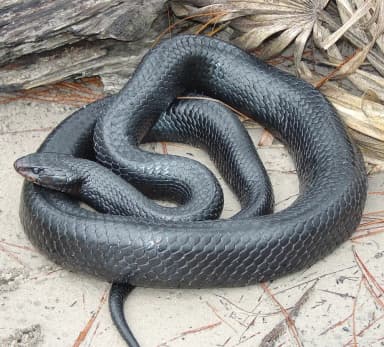
Eastern Indigo Snake
 Gerard Chartier · CC BY 4.0
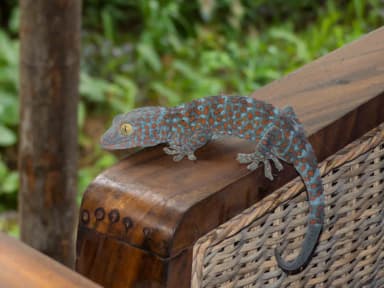
Tokay Gecko
 Stavenn · CC BY 3.0
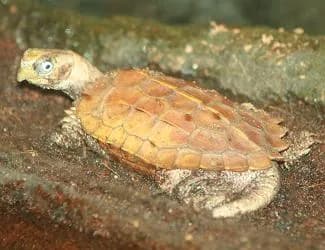
Black-breasted Leaf Turtle
 David Rubin · CC BY 2.0
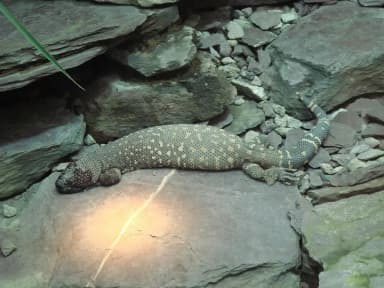
Mexican Beaded Lizard
 TarnishedPath · CC BY-SA 4.0
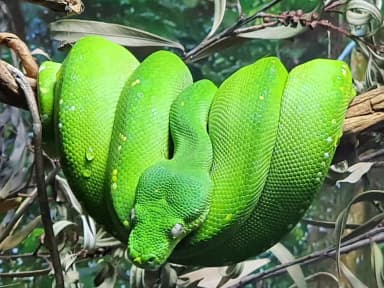
Green Tree Python
 Bernard DUPONT from FRANCE · CC BY-SA 2.0
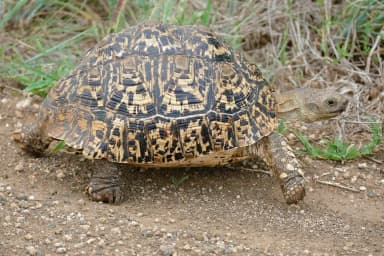
Leopard Tortoise
Amphibians4
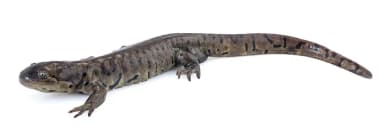
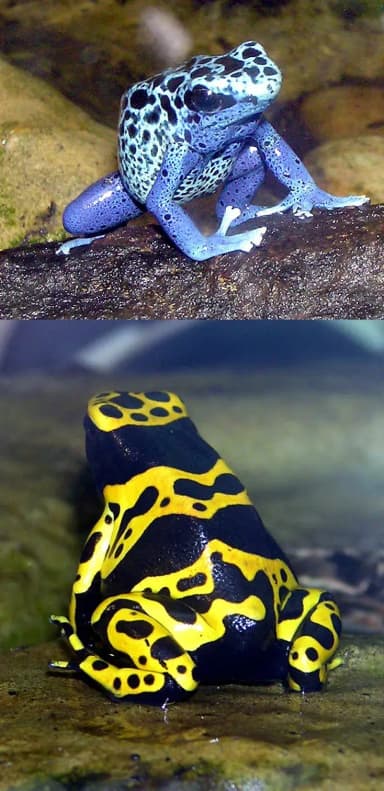
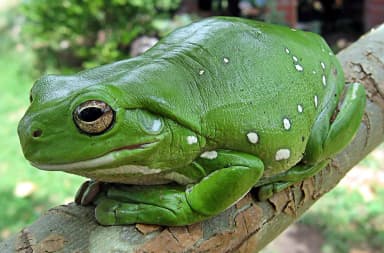
Feathers & Fangs from visitors
What people who've been to Central Florida Zoo and Botanical Gardens say
A Feather is something this zoo does well; a Fang is something it gets wrong. Left by people who've been, and read by us before they appear.
Loading…
About Central Florida Zoo and Botanical Gardens
The Central Florida Zoo and Botanical Gardens sits on 116 acres along Lake Monroe in Sanford, Florida, just north of Orlando. It operates as a not-for-profit organization and has been accredited by the Association of Zoos and Aquariums since 1986. The zoo describes itself as a leader in conservation, aiming to create experiences that inspire people to take action on behalf of wildlife.
The zoo dates to 1923, when it opened as the Sanford Municipal Zoo with a small collection of animals donated by the local fire department. It relocated twice before settling at its current site on July 4, 1975, after a group of local citizens and a 106-acre land donation from Seminole County made the move possible; Jack Hanna served as director when the zoo opened at this location. It became the Central Florida Zoo and Botanical Gardens in 2007, when its botanical garden status was officially recognized.
According to the zoo, it is home to around 350 to 400 individual animals representing roughly 100 to 200 species, with at least 67 species listed on its website. It describes itself as one of the only zoos in Florida where visitors can see, hear, and in some cases touch animals from around the world, including several of the most critically endangered species on the planet. The zoo reaches tens of thousands of students each year through camps, programs, and community outreach, and its stated values are to welcome all, be its best, care wholeheartedly, and be sustainable.
History
The zoo's roots go back to 1923, when the Sanford Municipal Zoo opened with animals donated by the local fire department. It moved to new facilities in 1941, on the site where Sanford City Hall now stands, before relocating a final time to its current site along Lake Monroe on July 4, 1975. The move was supported by a group of dedicated citizens and made possible by Seminole County's donation of 106 acres of land; Jack Hanna directed the newly named Central Florida Zoological Park at the time.
The zoo earned accreditation from the Association of Zoos and Aquariums in 1986. In 2005, the Wayne M. Densch Discovery Center and ZooLab opened, adding classroom and hands-on instructional space along with a multi-purpose banquet room available for private events. In 2007, the zoo's botanical garden status was formally recognized and it took its current name, Central Florida Zoo and Botanical Gardens; that same year, the Wharton-Smith Tropical Splash Ground opened.
More recent milestones include the 2019 debut of the Asian Lantern Festival, held with Tianyu Arts & Culture, which brought 35 hand-crafted illuminated lantern displays to the zoo and drew more than 38,000 guests. The zoo's miniature railway, the Little Florida Railroad, began operating in 2003 using a G-16 streamliner locomotive built in 1951; after a 2019 derailment sent guests to the hospital, the ride closed temporarily, and the zoo introduced a new train in early 2023. In 2022, the zoo closed for more than three weeks because of Hurricane Ian.
Exhibits and habitats
The zoo's collection is organized around themed attractions and animal encounters rather than a single geographic layout described in its materials. The Barnyard Buddies Children's Petting Zoo lets guests feed and interact with pygmy goats, a llama, chickens, and harlequin sheep, for an additional charge. A giraffe feeding experience lets visitors hand-feed a giraffe, described as reaching down with a 15-inch tongue, for a separate fee. A rhino encounter offers guests the chance to meet, touch, and photograph PJ, the zoo's greater one-horned rhinoceros, of which only about 4,000 remain in the wild.
The Wharton-Smith Tropical Splash Ground gives visitors a water-play area to cool off in Florida's heat, and the Wharton-Smith Train Depot houses the Little Florida Railroad, a quarter-scale replica of an Atlantic Coast Line Railroad streamliner called The Champion. Daily animal encounters and demonstrations led by animal care specialists run twice a day, with schedules posted for visitors on arrival.
The zoo also operates an offsite conservation facility, the Orianne Center for Indigo Conservation, located in Lake County, which breeds and helps reintroduce eastern indigo snakes and striped newts to areas where wild populations have disappeared or declined. On zoo grounds, the zoo hosts recurring seasonal events, including Zoo Boo Bash, the Hippity Hop Adventure, and Brews Around the Zoo, a 21-and-up event held each spring.
Animal highlights
At least 67 species are listed on the Central Florida Zoo's website, a floor rather than a full count; the zoo itself describes its collection as roughly 350 to 400 animals representing around 100 to 200 species, depending on the source cited. Species named on the zoo's site span cats and primates, including cheetahs, an Amur leopard, a fossa, cotton-top tamarins, red ruffed lemurs, and a Mexican spider monkey; reptiles and amphibians such as the American alligator, American crocodile, Grand Cayman blue iguana, Gaboon viper, and eastern indigo snake; and birds including a bald eagle, kookaburra, and blue-and-yellow macaw. Larger hoofed animals on site include a giraffe, a greater one-horned rhinoceros, and a Chacoan peccary, alongside a Florida black bear native to the surrounding region.
The zoo also keeps a petting-zoo collection of domestic animals, including pygmy goats, a llama, and harlequin sheep.
Conservation and programs
The Central Florida Zoo participates in about 35 Species Survival Plan programs coordinated by the Association of Zoos and Aquariums, cooperative breeding and management efforts intended to maintain genetic diversity and support conservation for threatened and endangered species. Programs the zoo names specifically include Species Survival Plans for the Indian rhinoceros, cheetah, Amur leopard, cotton-top tamarin, and blue iguana. Zoo staff also take part in the AZA's Saving Animals From Extinction, or SAFE, initiative, including programs for North American songbirds and for sharks and rays, where the zoo is listed as a bronze sponsor.
The zoo has partnered with the Florida Fish and Wildlife Conservation Commission's Fish and Wildlife Research Institute and the Florida Museum of Natural History to monitor the state's 68 species of amphibians, focusing on the 16 species at greatest risk from habitat loss, invasive species, climate change, and disease. Its offsite Orianne Center for Indigo Conservation breeds eastern indigo snakes and striped newts for reintroduction where historic populations have disappeared. The zoo's Conservation Committee also organizes fundraising and awareness events, including cleanups, and supports groups such as the International Rhino Foundation.
Planning your visit
As listed on the zoo's website, Central Florida Zoo and Botanical Gardens is open daily from 9 a.m. to 4 p.m., with last admission at 3:30 p.m.; some days extend to 5 p.m. Hours, pricing, and special events can change, so confirm details on the official site before visiting.
- Online tickets are valid for one year from purchase and are non-refundable; a $3 transaction fee applies per order. Children age 2 and under are admitted free, and an annual pass is available for repeat visits.
- Giraffe feeding runs 10:30 a.m. to 2 p.m. daily for $6 per person ($5 for passholders), and Barnyard Buddies petting-zoo feeding runs 1 to 3 p.m. for $5 per portion ($4 for passholders), while supplies last.
- Paths combine solid pavement and wooden boardwalks large enough for strollers and mobility devices. Manual wheelchairs rent for $12 and wagons for $14.99, both at the admissions window. The zoo is a certified sensory-inclusive facility partnered with KultureCity, offering free sensory bags.
- Dining options include Graze Kitchen, open daily 10 a.m. to 4 p.m. with mobile ordering, and Swirl, a snack stand near the rhino habitat.
- Only service animals are permitted inside the zoo; personal pets are not allowed. Smoking, vaping, and outside alcohol are prohibited, as are selfie sticks and cameras held over habitat barriers.
- Free electric-vehicle charging is available on site, compatible with major EV brands, in a lot accessible 8 a.m. to 5 p.m.
Confirm current hours, admission prices, and any event schedules on the Central Florida Zoo's official website before you go.
What we haven't confirmed
Everything above came from public sources. These specifics we haven't stood behind yet:
- Exact current total animal and species counts
- Current single-day adult, child, and senior ticket prices
- Annual visitor attendance figures
- Time needed for a typical visit
- Phone number for group and school bookings
Central Florida Zoo and Botanical Gardens compared with nearby zoos
How Central Florida Zoo and Botanical Gardens lines up against the closest zoos we have details for — useful if you're deciding between them for the same day out.
| Zoo | Distance | Admission | Hours | Size | AZA |
|---|---|---|---|---|---|
| Central Florida Zoo and Botanical GardensThis zooSanford, FL | — | $21.95–$28.95 | 9am – 4pm | 116 acres | Yes |
| Discovery CoveOrlando, FL | 30 mi | $127–$279 | 7:30 am – 10:30 am | — | Yes |
| Disney's Animal KingdomBay Lake, FL | 36 mi | — | Hours vary by date. Thursday, Oct 1, 2026: 8:00 AM – 6:00 PM, with Early Theme Park Entry 7:30–8:00 AM for eligible resort guests. | 580 acres | Yes |
| Showcase of CitrusClermont, FL | 36 mi | — | Open every day of the year 9:00 AM – 7:00 PM. | — | No |
Distances are straight-line. A dash means we haven't confirmed that detail yet, not that the zoo lacks it.
AZAThe Association of Zoos and Aquariums. Accredited members have passed an independent inspection of animal care and welfare, safety, conservation and education, repeated every five years. Many smaller facilities never apply, so “not accredited” isn't a verdict on its own. What accreditation means · How we check this
Central Florida Zoo and Botanical Gardens: common questions
Is the Central Florida Zoo AZA accredited?
Yes. It has been accredited by the Association of Zoos and Aquariums since 1986.
How big is the zoo?
The zoo covers 116 acres along Lake Monroe in Sanford, Florida.
When did the zoo open?
It opened in 1923 as the Sanford Municipal Zoo and moved to its current site on July 4, 1975.
How many animals and species can visitors see?
The zoo describes its collection as roughly 350 to 400 animals representing about 100 to 200 species; at least 67 species are listed on its website.
Is there parking, and is it accessible?
The zoo's paths combine pavement and boardwalks wide enough for strollers and mobility devices, and manual wheelchairs and wagons are available to rent at the admissions window.
Is there food inside the zoo?
Yes. Graze Kitchen and the Swirl snack stand both operate on zoo grounds.
Can visitors feed or touch any animals?
Giraffe feeding and a rhino encounter are both offered for an additional fee, and the Barnyard Buddies petting zoo allows guests to feed and interact with goats, a llama, and sheep.
Something wrong here? Tell us — we correct in place, with a dated note.