
Animals of Australia, New Guinea & the Pacific in U.S. zoos
Australia and New Guinea share a continental plate, once part of Gondwana, and their wildlife evolved in long isolation: marsupials fill roles held by placental mammals elsewhere, and about 69 percent of Australia's mammals and 93 percent of its reptiles live nowhere else. The region also takes in New Zealand and Pacific islands such as Hawaii, Guam and New Caledonia.
Most widely held
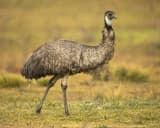 EmuDromaius novaehollandiaeAt 73 zoos · Least Concern
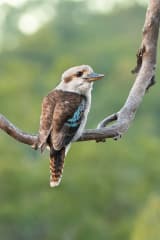 Laughing KookaburraDacelo novaeguineaeAt 61 zoos · Least Concern
- Red KangarooOsphranter rufusAt 43 zoos · Least Concern
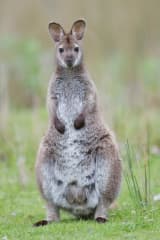 Bennett's WallabyNotamacropus rufogriseusAt 40 zoos · Least Concern
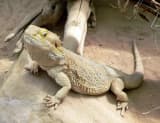 Bearded DragonPogona vitticepsAt 39 zoos · Least Concern
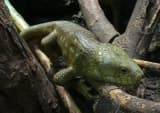 Prehensile-tailed SkinkCorucia zebrataAt 37 zoos · Near Threatened
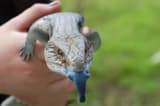 Blue-tongued SkinkTiliqua scincoidesAt 29 zoos · Least Concern
- BudgerigarMelopsittacus undulatusAt 23 zoos · Least Concern
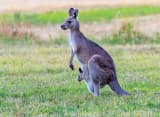 KangarooMacropusAt 22 zoos · Least Concern
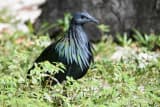 Nicobar PigeonCaloenas nicobaricaAt 21 zoos · Near Threatened
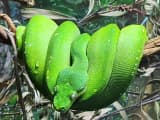 Green Tree PythonMorelia viridisAt 18 zoos · Least Concern
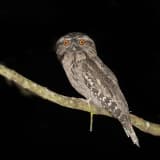 Tawny FrogmouthPodargus strigoidesAt 18 zoos · Least Concern
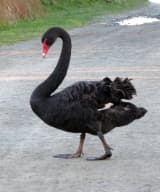 Black SwanCygnus atratusAt 16 zoos · Least Concern
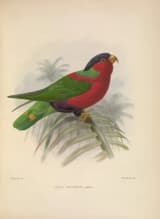 LorikeetTrichoglossus sp.At 15 zoos
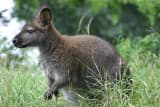 WallabyMacropodidaeAt 15 zoos
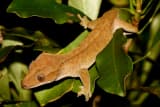 Crested GeckoCorrelophus ciliatusAt 14 zoos · Vulnerable
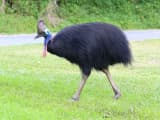 Southern CassowaryCasuarius casuariusAt 13 zoos · Least Concern
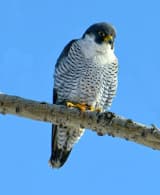 Peregrine FalconFalco peregrinusAt 12 zoos · Least Concern
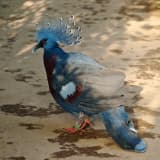 Victoria Crowned PigeonGoura victoriaAt 12 zoos · Near Threatened
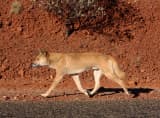 DingoCanis lupus dingoAt 10 zoos
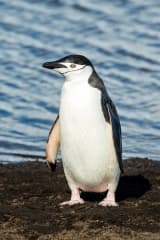 PenguinSpheniscidaeAt 10 zoos
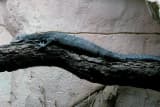 Black Tree MonitorVaranus beccariiAt 9 zoos · Data Deficient
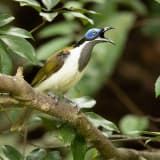 Blue-faced HoneyeaterEntomyzon cyanotisAt 9 zoos · Least Concern
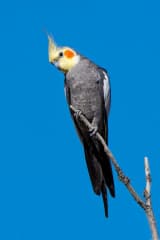 CockatielNymphicus hollandicusAt 9 zoos · Least Concern
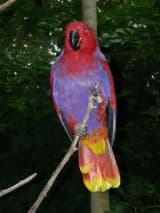 Eclectus ParrotEclectus roratusAt 9 zoos · Least Concern
 Masked LapwingVanellus milesAt 9 zoos · Least Concern
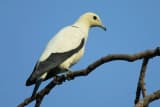 Pied Imperial PigeonDucula bicolorAt 9 zoos · Least Concern
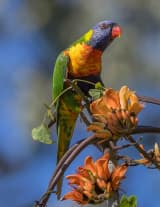 Rainbow LorikeetTrichoglossus moluccanusAt 9 zoos · Least Concern
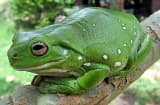 White's Tree FrogLitoria caeruleaAt 9 zoos · Least Concern
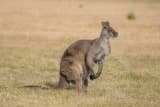 Western Grey KangarooMacropus fuliginosusAt 8 zoos · Least Concern
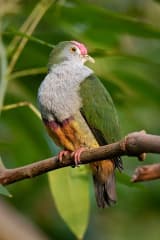 Beautiful Fruit DovePtilinopus pulchellusAt 7 zoos · Least Concern
 Green-naped Pheasant PigeonOtidiphaps nobilisAt 7 zoos · Least Concern
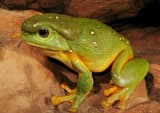 Magnificent Tree FrogLitoria splendidaAt 7 zoos · Least Concern
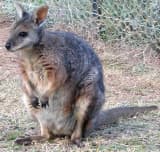 Tammar WallabyNotamacropus eugeniiAt 7 zoos · Least Concern
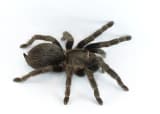 TarantulaTheraphosidaeAt 7 zoos
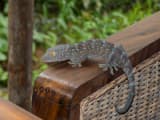 Tokay GeckoGekko geckoAt 7 zoos · Least Concern
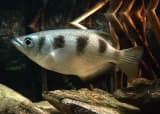 Banded ArcherfishToxotes jaculatrixAt 6 zoos · Least Concern
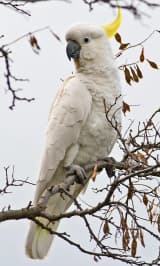 CockatooCacatuidaeAt 6 zoos
 Giant Prickly Stick InsectExtatosoma tiaratumAt 6 zoos · Least Concern
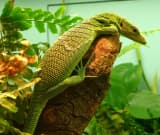 Green Tree MonitorVaranus prasinusAt 6 zoos · Least Concern
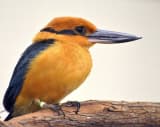 Guam KingfisherTodiramphus cinnamominusAt 6 zoos · Extinct in the Wild
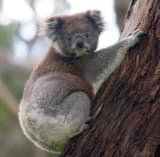 KoalaPhascolarctos cinereusAt 6 zoos · Vulnerable
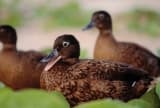 Laysan DuckAnas laysanensisAt 6 zoos · Critically Endangered
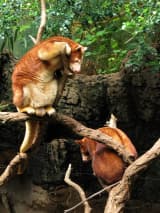 Matschie's Tree KangarooDendrolagus matschieiAt 6 zoos · Endangered
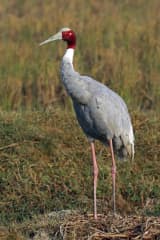 Sarus CraneAntigone antigoneAt 6 zoos · Vulnerable
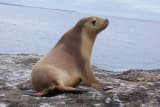 Sea LionOtariidaeAt 6 zoos
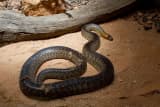 Woma PythonAspidites ramsayiAt 6 zoos · Least Concern
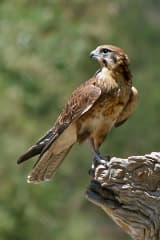 FalconFalconidaeAt 4 zoos
More animals in this collection, A–Z
A continent that drifted alone
Australia and New Guinea both belong to Sahul, the Australian plate that was once part of Gondwana. Australia separated from Antarctica about 50 million years ago and stayed relatively isolated until its plate collided with Asia. The Wallace Line, a tectonic boundary across which no land bridges formed, kept most Asian and Australian land animals apart, birds excepted.
That isolation produced extraordinary endemism. Some 46 percent of Australia's birds, 69 percent of its mammals, 94 percent of its amphibians and 93 percent of its reptiles live nowhere else. Native placental mammals are scarce, so marsupials took over many of their roles. The koala, a eucalyptus-eating marsupial whose closest relatives are wombats, is one example. The red kangaroo is the largest living marsupial. Two of the five living monotremes, the egg-laying mammals, are Australian: the platypus and the short-beaked echidna.
New Guinea's mountain rainforests
New Guinea is the world's largest and highest tropical island. It covers less than 0.5 percent of Earth's land yet holds about 8 percent of known vertebrate species. Land bridges joined it to Australia during Pleistocene ice ages, the last severed about 10,000 years ago, and some Asian species arrived across the Indonesian islands. The result is a mix of Australian and Asian wildlife found nowhere else.
Tree-kangaroos are mostly endemic to New Guinea. Matschie's tree-kangaroo lives only in mountain rainforest on the Huon Peninsula and nearby Umboi island, at 1,000 to 3,000 m (3,300 to 9,800 ft). The Victoria crowned pigeon, the largest living pigeon, forages for fallen fruit in lowland swamp forest. The southern cassowary, a flightless rainforest bird up to 1.8 m (5.9 ft) tall, lives in New Guinea, Indonesia and northeastern Australia.
Pacific islands
Farther out in the Pacific, remote islands have animals of their own. The Guam kingfisher, found only on Guam, was last seen in the wild in 1986 after the invasive brown tree snake reached the island, and it is now Extinct in the Wild. The Laysan duck once lived across the whole Hawaiian chain but nearly died out in 1912, and the crested gecko is native to rainforest in New Caledonia.
Birds and reptiles
Australian parrots make up about a sixth of the world's parrot species, including many cockatoos. The laughing kookaburra is the largest kingfisher, known for a call like human laughter, and the owl-like tawny frogmouth is actually closer to nightjars than to owls. Australia is the only continent where venomous snakes outnumber non-venomous ones, and it has more than 700 lizard species, among them the blue-tongued skink.
Extinctions and invaders
Hunting, introduced species and habitat change since human settlement have caused numerous extinctions, including about 33 mammals in the Holocene. Since the 1960s invasive species have been the leading cause of native animal extinctions. Red foxes prey on native animals, and cane toads poison the predators that eat them.
Many survivors remain at risk. The koala is Vulnerable, with habitat clearing, cars, dogs, disease and bushfires all taking a toll. In New Guinea, logging and the conversion of forest to farmland are the main threats to most bird species. Matschie's tree-kangaroo is Endangered, and its captive population is coordinated through a Species Survival Plan.
Common questions
Why are Australia's animals so different?
Because the continent was isolated for tens of millions of years. Australia split from Antarctica about 50 million years ago and stayed relatively isolated until its plate met Asia, so Gondwanan groups such as marsupials survived and diversified.
What animals are found only in Australia?
Most of its wildlife. About 46 percent of Australia's birds, 69 percent of its mammals, 94 percent of its amphibians and 93 percent of its reptiles are endemic, including the koala, the platypus and the wombats.
Are there kangaroos in New Guinea?
Yes. Wallabies related to Australian kangaroos live in New Guinea's open grasslands, and most tree-kangaroos, which climb with strong forearms and long balancing tails, are found only in New Guinea.
What is the largest kangaroo?
The red kangaroo is the largest kangaroo, the largest land mammal native to Australia and the largest living marsupial.
Is a koala a bear?
No. The koala is a marsupial, the only living member of the family Phascolarctidae, and its closest living relatives are the wombats.
What is the biggest threat to Australian wildlife?
Introduced species and habitat loss. A 2023 report found invasive species have been the leading cause of native Australian animal extinctions since the 1960s, with red foxes preying on native animals and cane toads poisoning the predators that eat them.
Sources
Last reviewed