
Conservation status
Vulnerable
Also called VU, IUCN Vulnerable, vulnerable species
Definition
Vulnerable (VU) is an IUCN Red List category for species facing a high risk of extinction in the wild. It is the lowest of the three 'threatened' categories, above Near Threatened and below Endangered.
On this page
What "Vulnerable" means
Vulnerable is one of the categories on the IUCN Red List, the most widely used global assessment of extinction risk, run by the International Union for Conservation of Nature.
A species is listed as Vulnerable when the evidence shows it faces a high risk of extinction in the wild. It's the first of the three "threatened" categories:
- Vulnerable: high risk
- Endangered: very high risk
- Critically Endangered: extremely high risk
Just below it is Near Threatened, for species that are close to qualifying but don't yet. Its official abbreviation is VU.
How a species qualifies
A species is assessed against five sets of measurable criteria, and it qualifies as Vulnerable if it meets any one of them. In simplified form:
- A: Rapid decline. The population has fallen, or is expected to fall, by 30% to 50% or more over 10 years or three generations, whichever is longer.
- B: Small, shrinking range. An extent of occurrence under 20,000 km², or an area of occupancy under 2,000 km², that is fragmented, declining or fluctuating.
- C: Small, declining population. Fewer than 10,000 mature individuals, and still declining.
- D: Very small or restricted population. Fewer than 1,000 mature individuals, or a range so restricted (typically under 20 km², or five or fewer locations) that a single event could push it toward extinction.
- E: Modeling. Analysis shows at least a 10% chance of extinction in the wild within 100 years.
The snow leopard is a good example: it's listed as Vulnerable because its global population is estimated at fewer than 10,000 mature individuals and is expected to keep declining.
"Vulnerable" doesn't mean rare everywhere
The category describes a species in the wild. Some Vulnerable species are common in human care, and some are still locally abundant in parts of their range. What matters is the overall trend and the measurable risk.
Vulnerable vs. the Endangered Species Act
The IUCN Red List is a global scientific assessment. The U.S. Endangered Species Act is a law that uses the terms "endangered" and "threatened," with listings decided by U.S. agencies. There's no "vulnerable" listing under the ESA, and the two systems are decided separately. On Feather & Fang, animal pages show the IUCN Red List category.
Vulnerable animals at the zoo
Many familiar zoo animals are Vulnerable, including the lion, cheetah, polar bear, hippopotamus and giant anteater. Accredited zoos manage many of these through Species Survival Plans and support field conservation in the animals' native habitats.
Vulnerable animals you can see in U.S. zoos
 Giles Laurent · CC BY-SA 4.0
Lion
Panthera leo
 Yotcmdr · Public domain
Aldabra Tortoise
Aldabrachelys gigantea
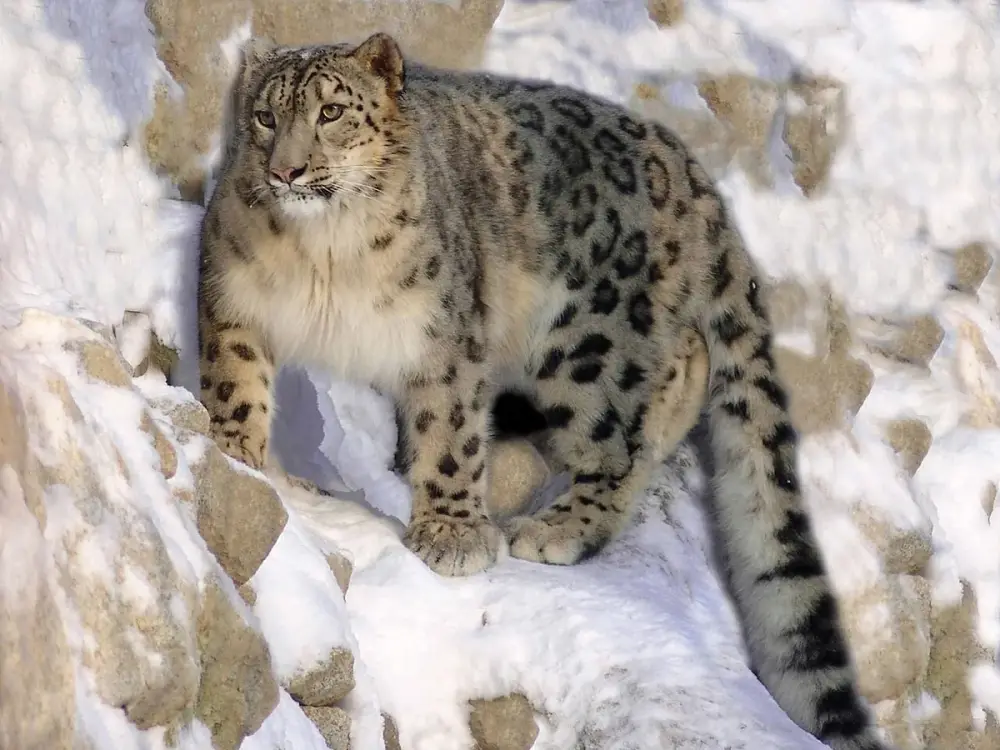 Irbis1983 · Public domain
Snow Leopard
Panthera uncia
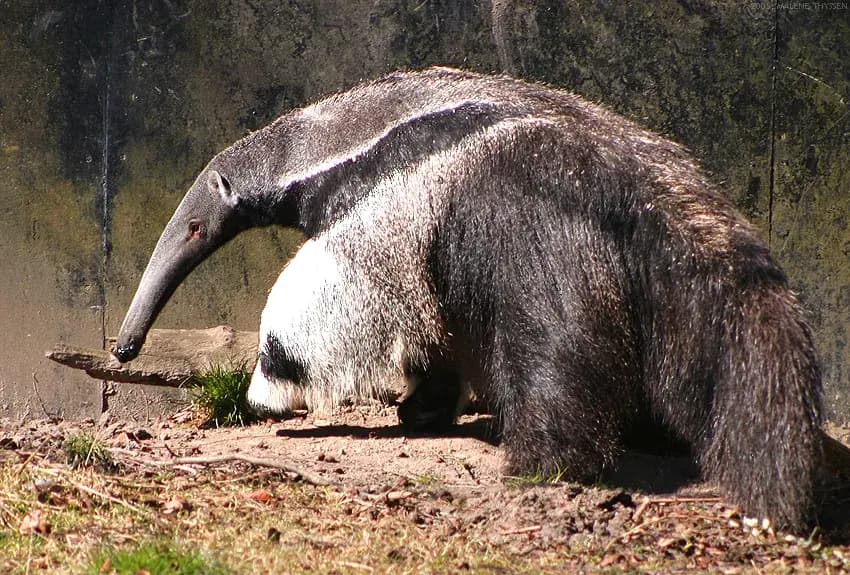 Malene Thyssen · CC BY-SA 3.0
Giant Anteater
Myrmecophaga tridactyla
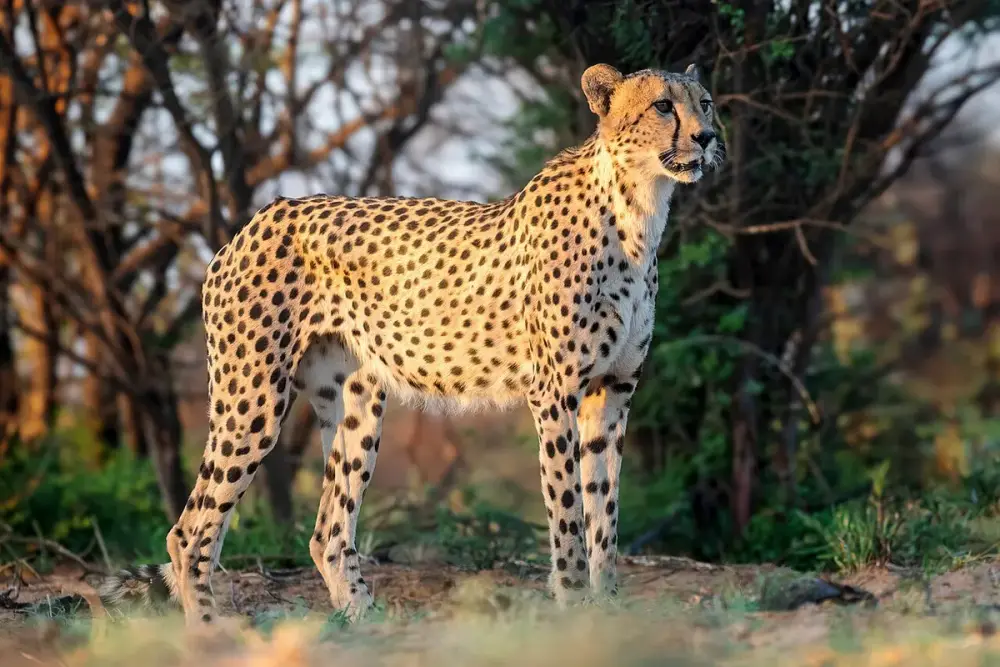 AfricanConservation · CC BY-SA 4.0
Cheetah
Acinonyx jubatus
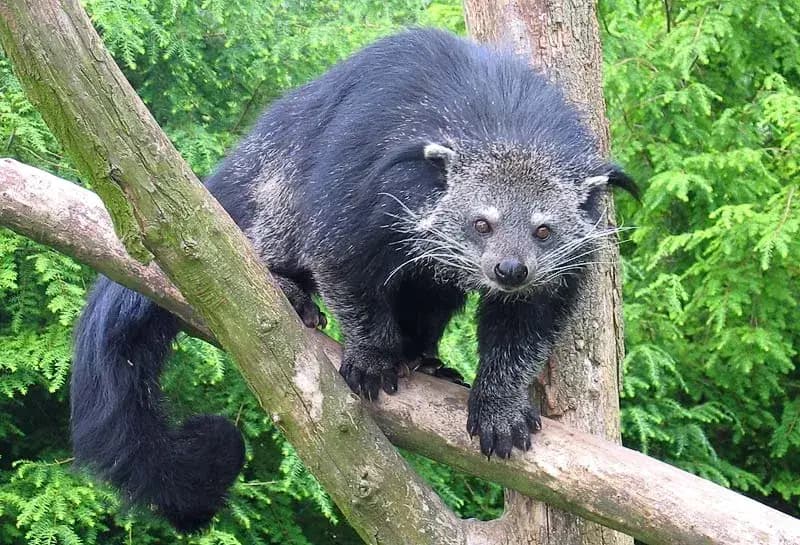 Tassilo Rau · CC BY-SA 3.0
Binturong
Arctictis binturong
 Rushenb · CC BY-SA 4.0
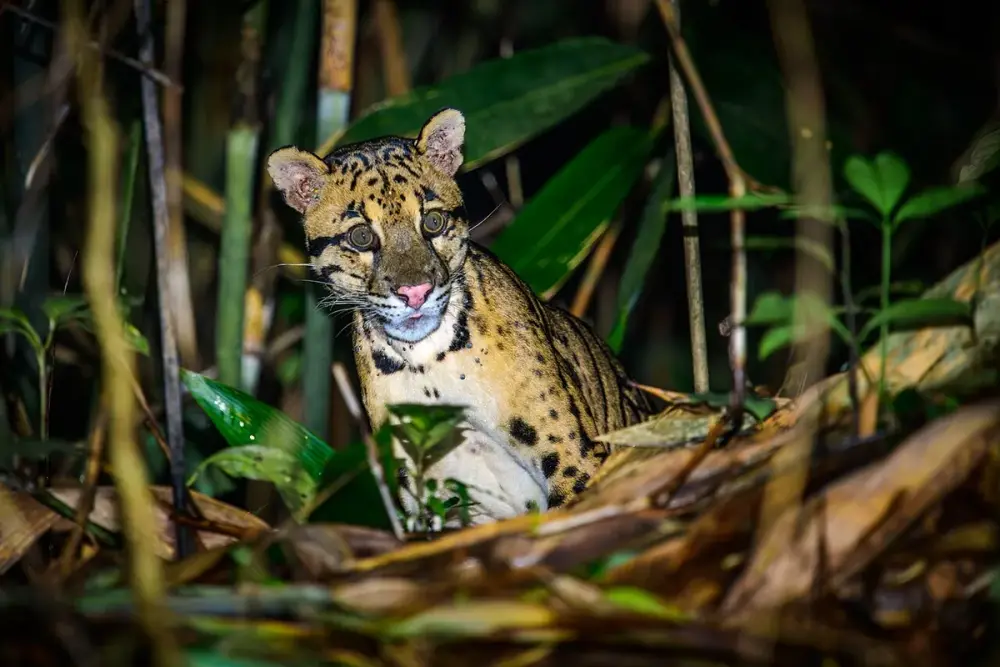
Clouded Leopard
Neofelis nebulosa
 Tigerpython · CC BY 3.0
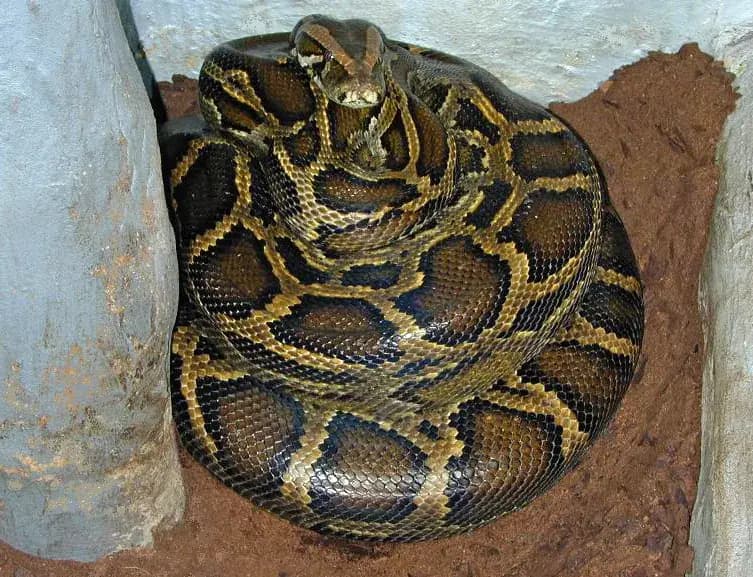
Burmese Python
Python bivittatus
 Bernard DUPONT from FRANCE · CC BY-SA 2.0
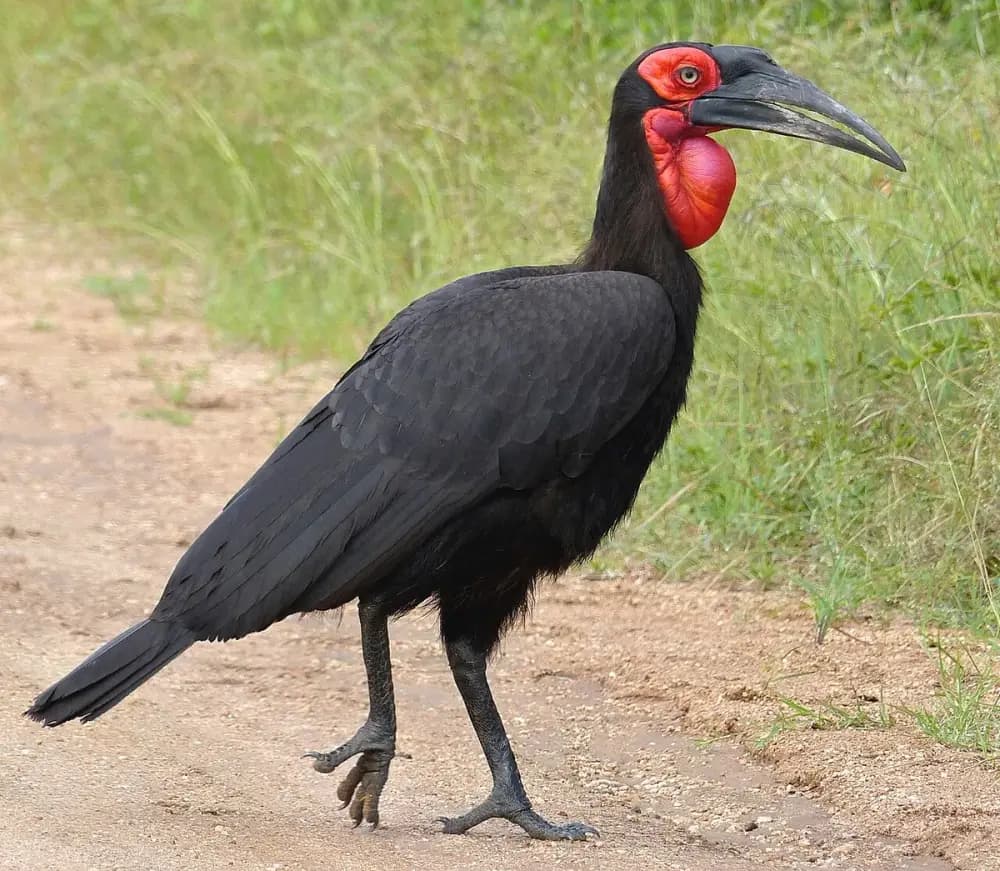
Southern Ground Hornbill
Bucorvus leadbeateri
 Ryan Hagerty · Public domain
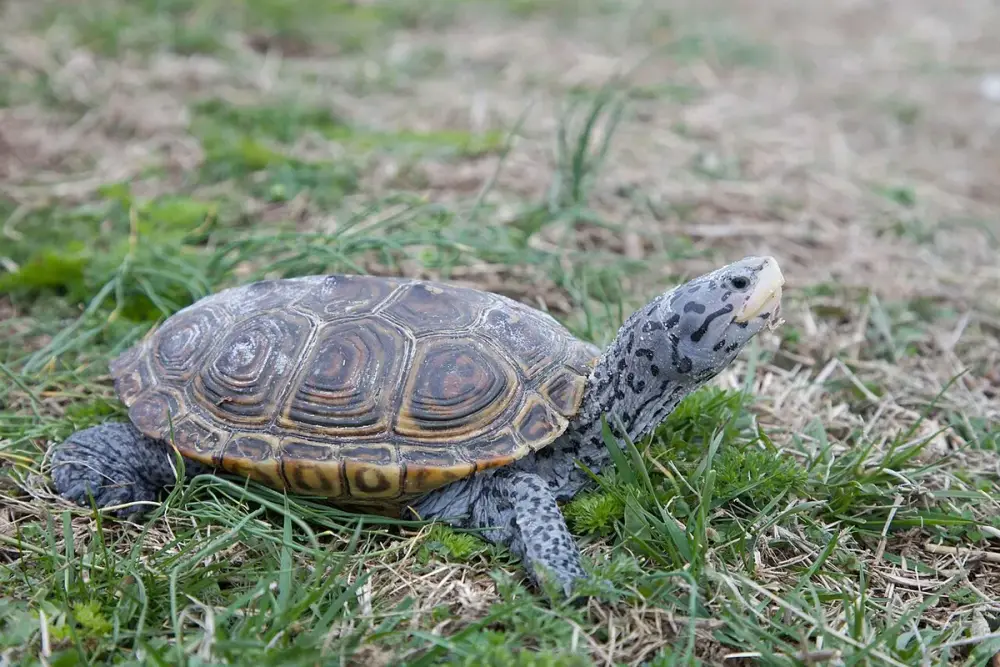
Diamondback Terrapin
Malaclemys terrapin
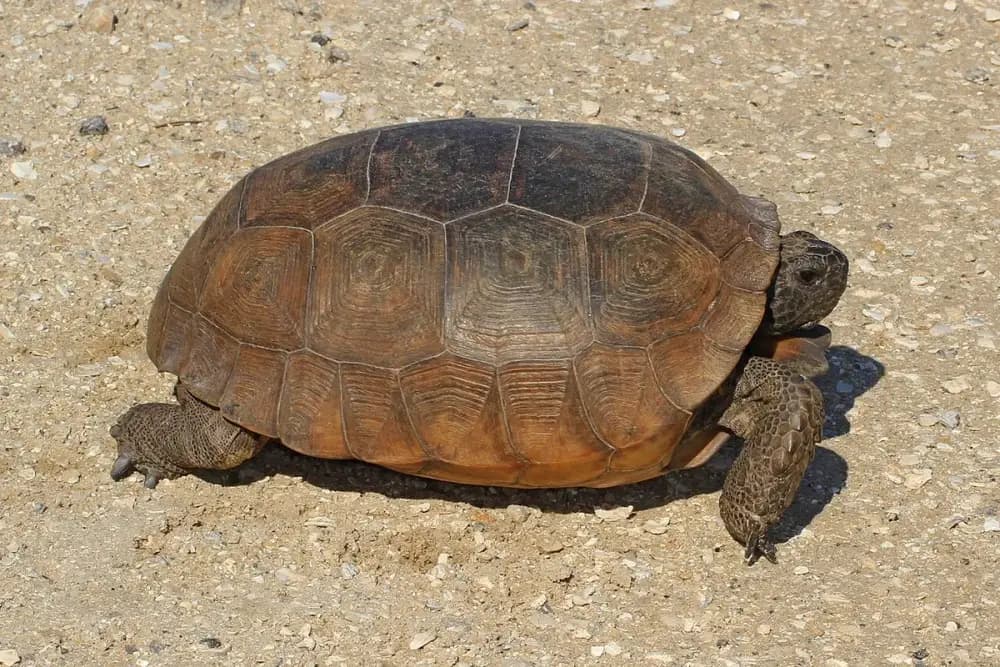 Judy Gallagher · CC BY 2.0
Gopher Tortoise
Gopherus polyphemus
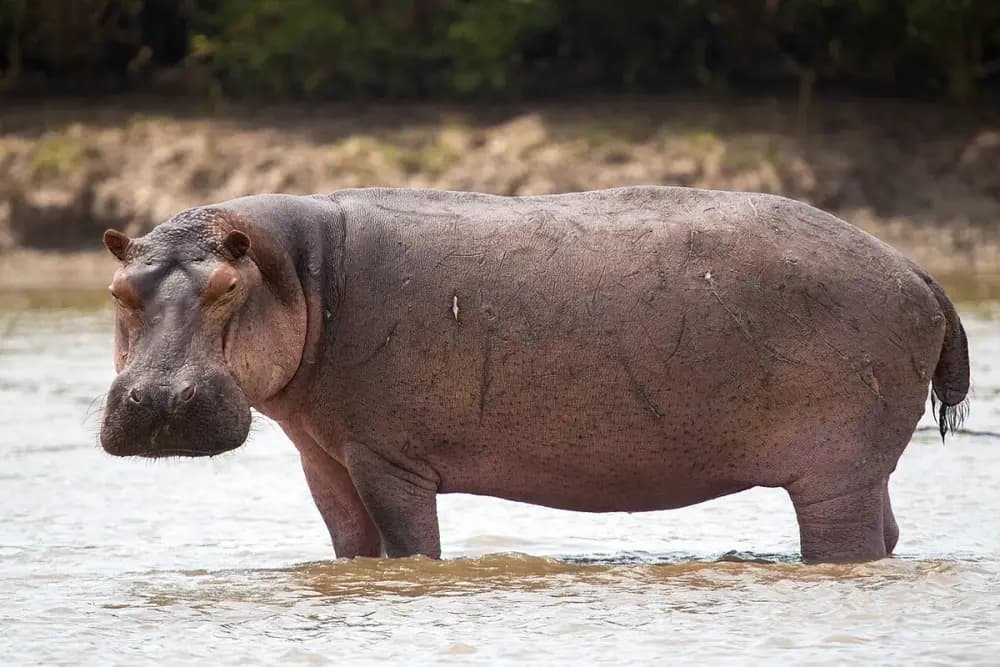 Muhammad Mahdi Karim · CC BY-SA 4.0
Hippopotamus
Hippopotamus amphibius
See all vulnerable animals in U.S. zoos →
Common questions
What does vulnerable mean for an animal?
On the IUCN Red List, a vulnerable species is one facing a high risk of extinction in the wild, based on evidence such as a population decline of 30% or more, a small range, or fewer than 10,000 mature individuals that are still declining.
Is vulnerable the same as endangered?
No. Both are threatened categories, but Endangered is one step higher. Vulnerable means a high risk of extinction in the wild, while Endangered means a very high risk, with stricter thresholds such as fewer than 2,500 mature individuals instead of fewer than 10,000.
Is a vulnerable species threatened?
Yes. Vulnerable, Endangered and Critically Endangered are the three IUCN categories counted as threatened. Vulnerable is the lowest of the three.
What animals are vulnerable?
Examples include the lion, cheetah, polar bear, snow leopard, hippopotamus and giant anteater, all listed as Vulnerable on the IUCN Red List.
Related terms
- IUCN Red ListThe IUCN Red List of Threatened Species is the world's most widely used inventory of extinction risk. Run by the International Union for Conservation of Nature, it sorts assessed species into categories from Least Concern to Extinct using measurable scientific criteria.
- Near ThreatenedNear Threatened (NT) is the IUCN Red List category for species that do not currently qualify as threatened but are close to qualifying, or are likely to qualify in the near future. It sits between Least Concern and Vulnerable.
- EndangeredEndangered (EN) is an IUCN Red List category for species facing a very high risk of extinction in the wild. It is the middle of the three 'threatened' categories, above Vulnerable and below Critically Endangered.
- Endangered Species ActThe Endangered Species Act (ESA) is a U.S. law, signed in 1973, that protects plants and animals listed as endangered or threatened and aims to recover them. It is administered by the U.S. Fish and Wildlife Service and NOAA's National Marine Fisheries Service.
- Species Survival Plan (SSP)A Species Survival Plan (SSP) is a cooperative breeding program run by the Association of Zoos and Aquariums (AZA). It manages one species across many zoos and aquariums as a single population, recommending which animals breed and which move so the population stays healthy and genetically diverse.
Sources
- IUCN Red List Categories and Criteria, Version 3.1
- IUCN Red List of Threatened Species
- Vulnerable species (Wikipedia)
Last reviewed
Get the Feather & Fang newsletter
Zoo news, animal features and what's new in the directory. Occasional, never spammy.