
Conservation status
Extinct in the Wild
Also called EW, IUCN Extinct in the Wild
Definition
Extinct in the Wild (EW) is the IUCN Red List category for species that survive only in human care, in cultivation, or as a naturalized population well outside their historic range. It is the last category before Extinct.
On this page
What "Extinct in the Wild" means
Extinct in the Wild is a category on the IUCN Red List, the global inventory of extinction risk run by the International Union for Conservation of Nature.
A species is Extinct in the Wild when it is known to survive only in captivity, in cultivation, or as a naturalized population well outside its past range. In other words, it's gone from its natural home, but it isn't gone from the planet.
Its official abbreviation is EW. It sits between two other categories:
- Critically Endangered: extremely high risk, but still present in the wild
- Extinct in the Wild: survives only in human care or outside its range
- Extinct: no reasonable doubt that the last individual has died
How a species is declared Extinct in the Wild
IUCN doesn't make this call lightly. It requires exhaustive surveys of the species' known and expected habitat, at the right times of day, season and year, that fail to find any wild individuals. Species that might already be gone but haven't been confirmed stay Critically Endangered with a "Possibly Extinct in the Wild" tag.
Examples of species Extinct in the Wild
Animals listed as Extinct in the Wild include:
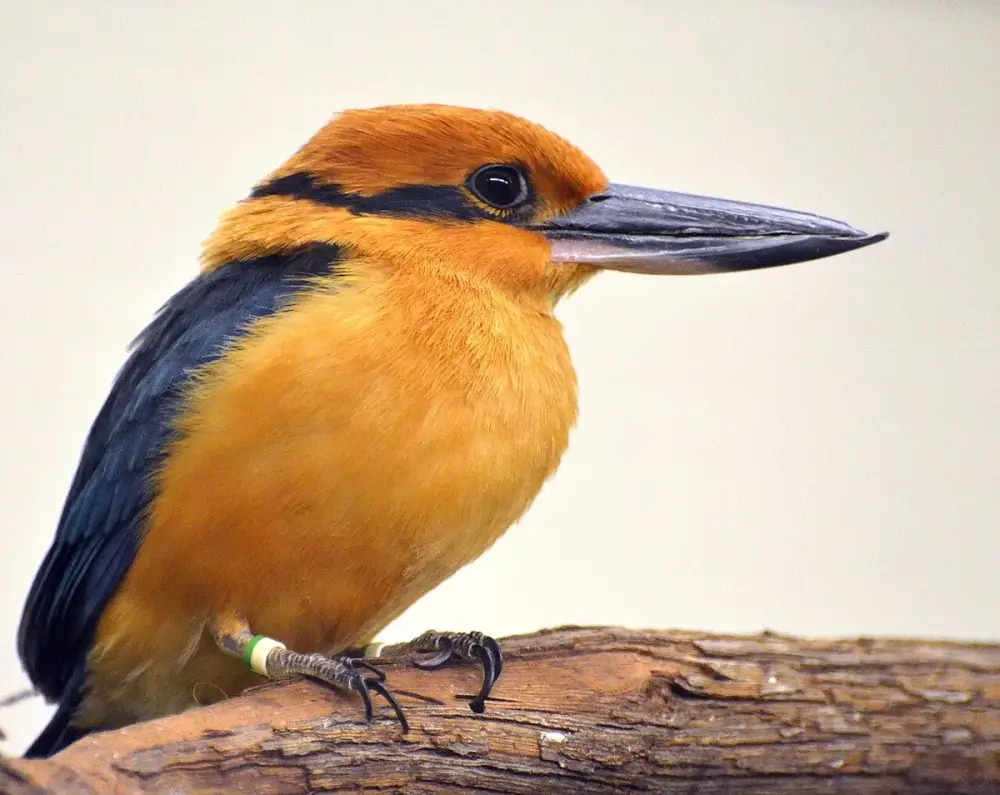
- the Guam kingfisher, or sihek, lost from Guam after the accidental introduction of the brown tree snake
- the Hawaiian crow, or 'alala, whose last known wild birds disappeared in 2002
- the Wyoming toad, a U.S. amphibian kept going by captive breeding and releases
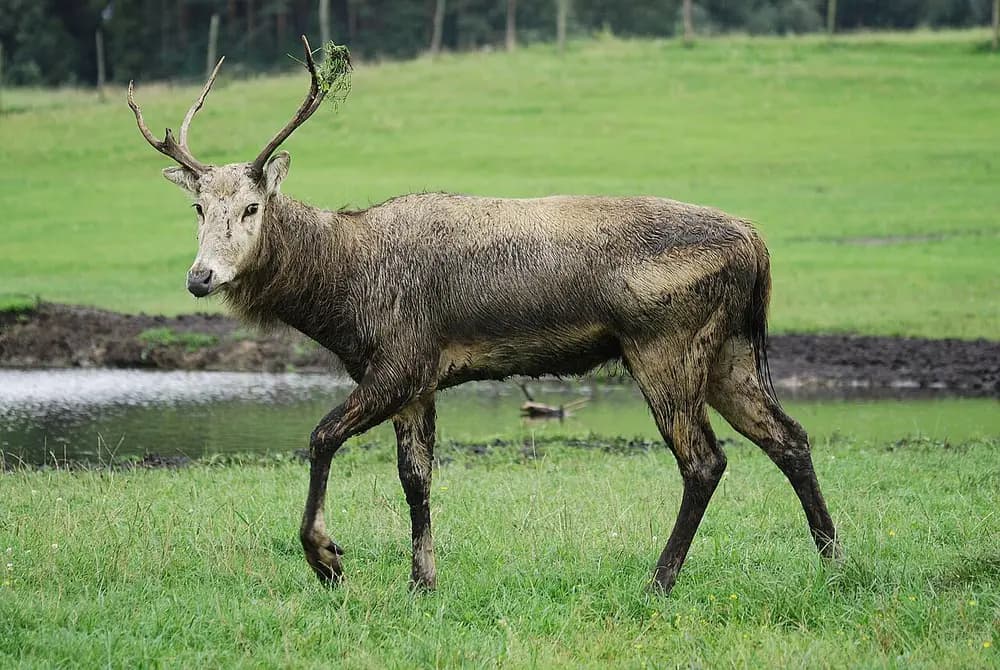
- Pere David's deer, a Chinese deer species that survived only in parks and zoos
Coming back from Extinct in the Wild
The only way out of this category, other than true extinction, is reintroduction: releasing animals bred in human care until a wild population is re-established and proves it can survive. Several species have done it:
- The black-footed ferret was listed as Extinct in the Wild in 1996 and moved back to Endangered in 2008 after reintroductions across the western U.S.
- Przewalski's horse went from Extinct in the Wild to Critically Endangered in 2008, then to Endangered in 2011.
- The Guam rail was reclassified from Extinct in the Wild to Critically Endangered in 2019.
- The scimitar-horned oryx, listed as Extinct in the Wild in 2000, was downlisted to Endangered in 2023 thanks to a reintroduced population in Chad.
Why zoos matter for these species
For an Extinct in the Wild species, the animals in zoos and breeding centers are the entire species. Programs such as Species Survival Plans manage these groups as insurance populations, keeping them genetically healthy so there are animals ready for release when habitat is safe again. It's one of the clearest examples of ex situ conservation at work.
Extinct in the Wild animals you can see in U.S. zoos
Common questions
What does extinct in the wild mean?
It means a species no longer lives in its natural habitat. The only survivors are in zoos, aquariums, breeding centers, botanical gardens, or in populations living far outside the species' original range.
Can an extinct in the wild species come back?
Yes. If captive-bred animals are reintroduced and the wild population proves self-sustaining, the species can be moved back to a threatened category. The black-footed ferret, scimitar-horned oryx and Guam rail have all been moved down from Extinct in the Wild this way.
What is the difference between extinct and extinct in the wild?
Extinct means there is no reasonable doubt that the last individual has died. Extinct in the Wild means the species still exists, but only in human care or outside its native range.
What animals are extinct in the wild?
Examples on the IUCN Red List include the Guam kingfisher (sihek), the Hawaiian crow ('alala), the Wyoming toad and Pere David's deer.
Related terms
- IUCN Red ListThe IUCN Red List of Threatened Species is the world's most widely used inventory of extinction risk. Run by the International Union for Conservation of Nature, it sorts assessed species into categories from Least Concern to Extinct using measurable scientific criteria.
- Critically EndangeredCritically Endangered (CR) is the IUCN Red List category for species facing an extremely high risk of extinction in the wild. It is the most severe of the three 'threatened' categories, one step below Extinct in the Wild.
- ReintroductionReintroduction is the deliberate release of animals into part of their native range where the species has disappeared, with the goal of establishing a healthy, self-sustaining wild population. Released animals can come from zoos, breeding centers or other wild populations.
- Insurance populationAn insurance population is a group of animals kept in human care as a backup for a species that is at risk in the wild. If the wild population crashes, the insurance population keeps the species alive and can supply animals for reintroduction.
- Ex situ conservationEx situ conservation means protecting a species outside its natural habitat, for example by breeding it in zoos, aquariums or botanical gardens, or by storing seeds and frozen cells. In situ conservation is the opposite: protecting species where they live in the wild.
Sources
- IUCN Red List Categories and Criteria, Version 3.1
- IUCN Red List of Threatened Species
- Extinct in the wild (Wikipedia)
Last reviewed
Get the Feather & Fang newsletter
Zoo news, animal features and what's new in the directory. Occasional, never spammy.