
Conservation in zoos
Species Survival Plan (SSP)
Also called SSP, SSP program, AZA Species Survival Plan
Definition
A Species Survival Plan (SSP) is a cooperative breeding program run by the Association of Zoos and Aquariums (AZA). It manages one species across many zoos and aquariums as a single population, recommending which animals breed and which move so the population stays healthy and genetically diverse.
On this page
What a Species Survival Plan is
A Species Survival Plan (SSP) is a program that manages all the animals of one species living in AZA zoos and aquariums as if they were one population, even though they're spread across many institutions.
The Association of Zoos and Aquariums (AZA) created the SSP program in 1981. According to AZA, there are now nearly 300 SSP programs, each focused on a single species or subspecies. Most cover animals that are threatened or endangered in the wild.
Why zoos need a shared plan
A single zoo might have only a few gorillas or cheetahs. If each zoo bred its own animals on its own, the population would quickly become inbred and lose genetic variety.
An SSP solves that by treating every participating zoo as part of the same group. Animals can be moved between institutions so that the best genetic matches can breed, and so that no family line takes over the population.
How an SSP works
Each SSP is overseen by an AZA Taxon Advisory Group (TAG), a panel of experts for a group of related animals, such as apes or cranes. Within each program:
- A studbook records the family tree and life history of every animal in the population. Read more in our studbook entry.
- Population biologists analyze the studbook to measure genetic diversity and plan for the future.
- A Breeding and Transfer Plan recommends which animals should breed, which should not, and which should move to another zoo.
- Participating institutions follow those recommendations and report back.
The goal, in AZA's words, is a population that is healthy, genetically diverse and demographically varied for the long term.
SSPs and the wild
An SSP population can serve as an insurance population: a backup in case the species collapses in the wild. Some SSPs have also provided animals for reintroduction programs, including the California condor, black-footed ferret and red wolf.
SSPs focus on animals in human care. AZA's separate SAFE programs focus on conservation work in the wild. Many species are part of both.
How to tell if a zoo takes part
SSPs are run among AZA-accredited zoos and aquariums and their approved partners. If a zoo is AZA-accredited, there's a good chance its endangered animals are part of an SSP, and keepers are often happy to talk about it. You can read what AZA accreditation means or see how zoos help conservation.
Examples
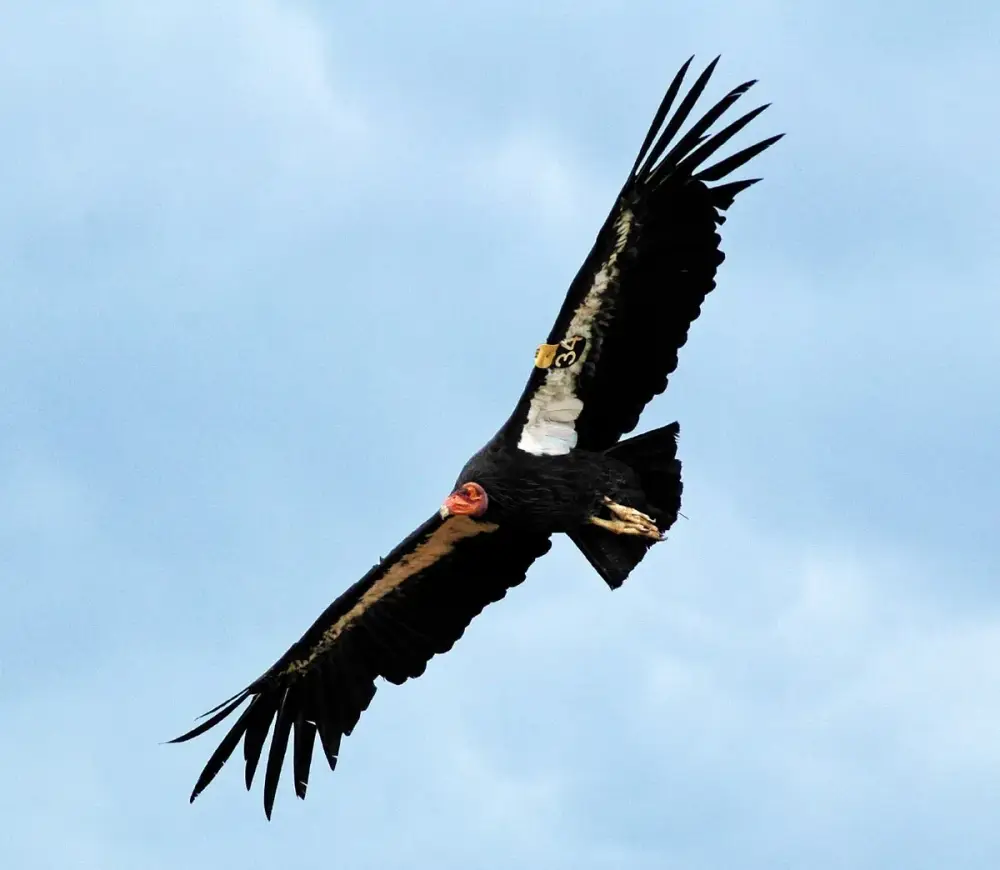 Don Graham from Redlands, CA, USA - God bless it! · CC BY-SA 2.0
California Condor
Gymnogyps californianus
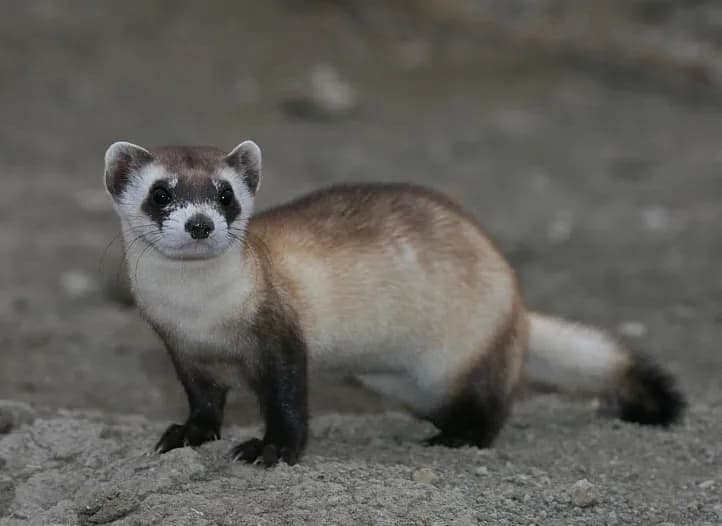 USFWS Mountain Prairie · Public domain
Black-footed Ferret
Mustela nigripes
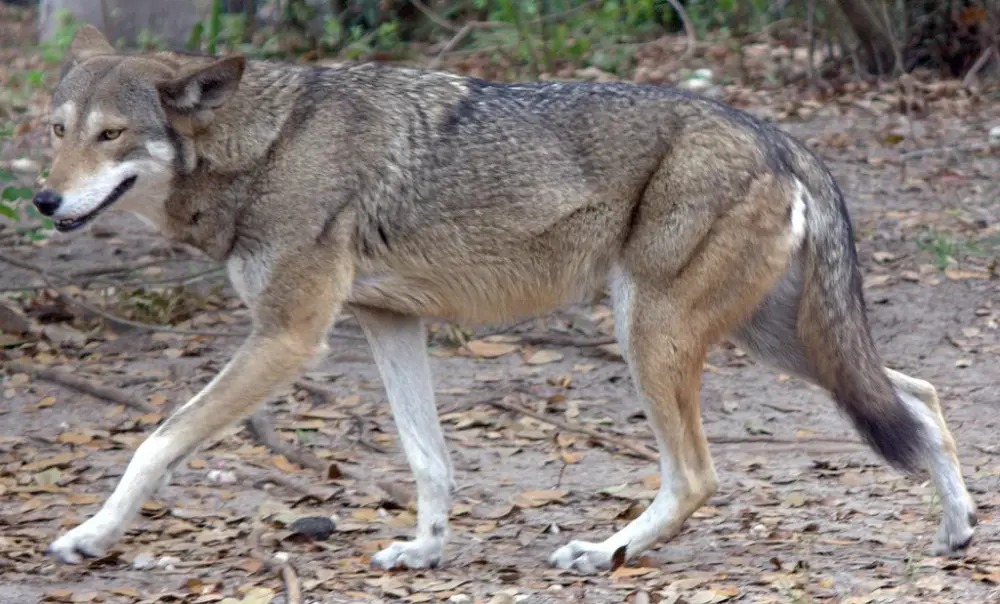 LaggedOnUser · CC BY-SA 2.0
Red Wolf
Canis rufus
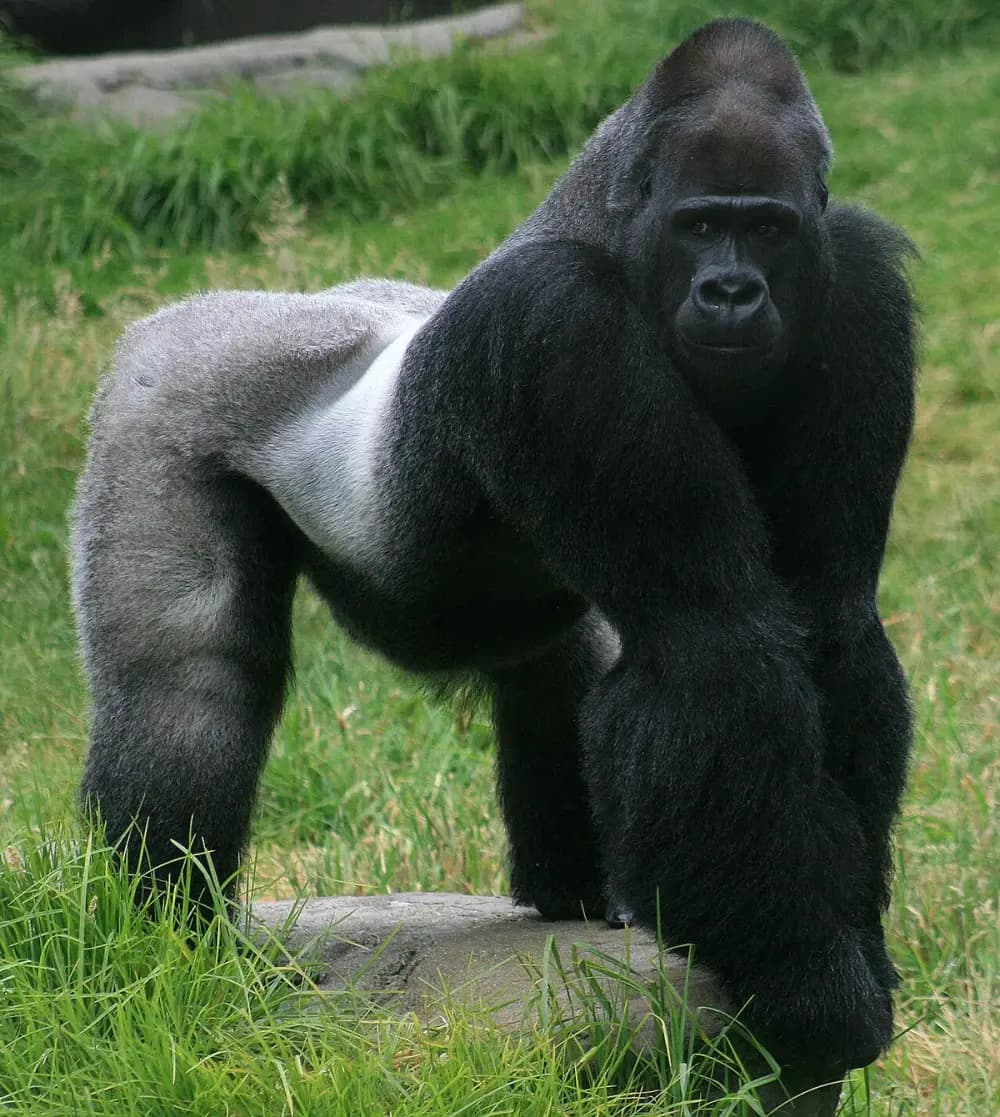 Brocken Inaglory · CC BY-SA 3.0
Gorilla
Gorilla gorilla
 AfricanConservation · CC BY-SA 4.0
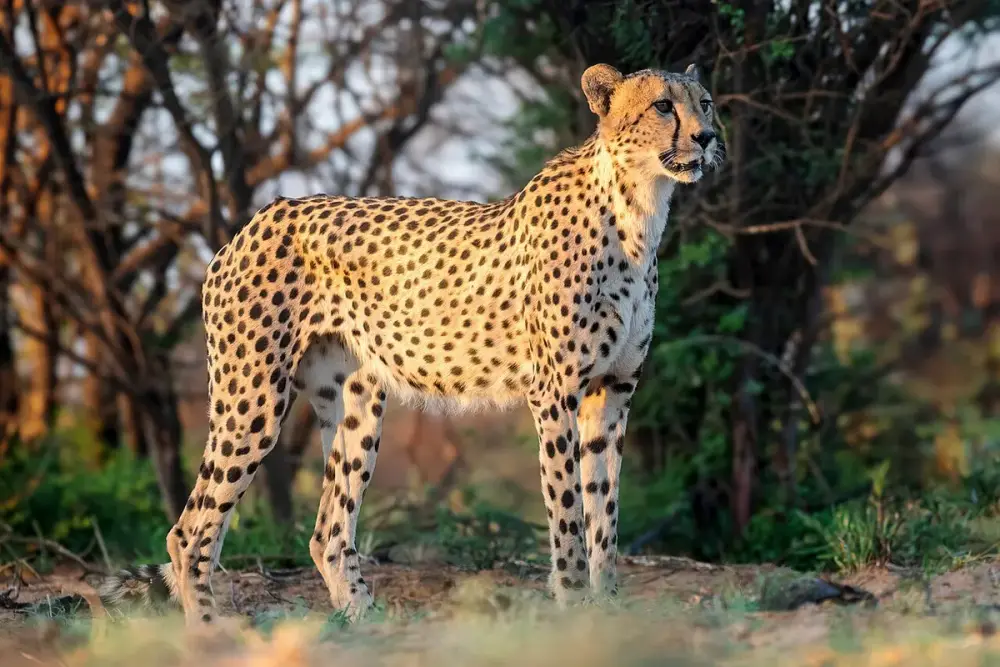
Cheetah
Acinonyx jubatus
 Sunuwargr · CC BY-SA 4.0
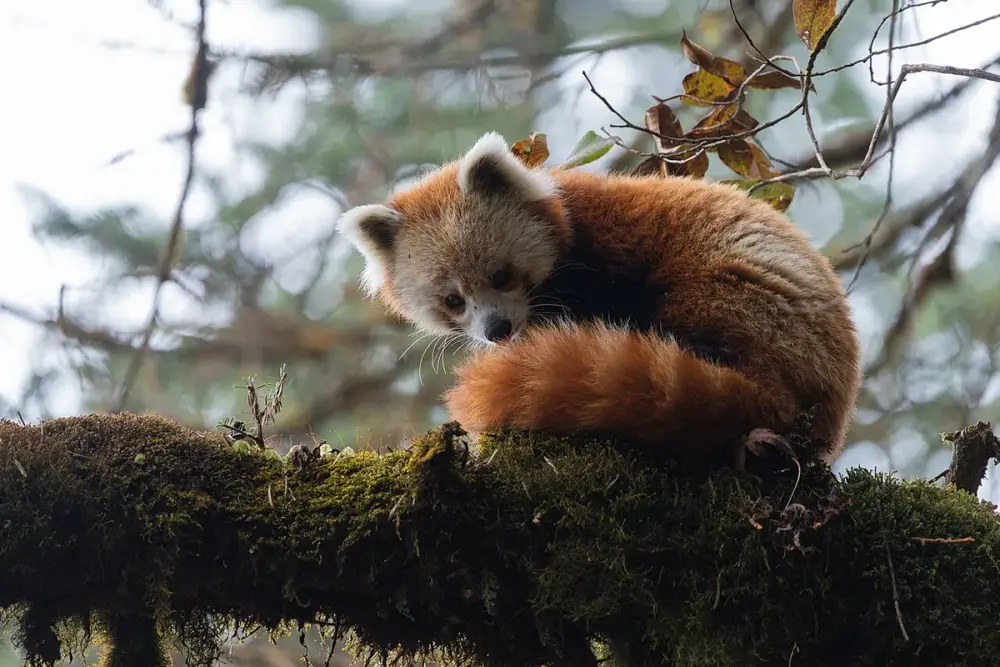
Red panda
Ailurus fulgens
Common questions
What does SSP stand for at the zoo?
SSP stands for Species Survival Plan. It's a breeding and management program run by the Association of Zoos and Aquariums that coordinates one species across many accredited zoos and aquariums.
How many Species Survival Plans are there?
AZA says there are nearly 300 SSP programs. Each one covers a single species or subspecies.
How does an SSP decide which animals breed?
Each SSP keeps a studbook with the family history of every animal in the population. Population managers analyze it and publish a Breeding and Transfer Plan that recommends specific pairings and moves between zoos to keep the population genetically diverse.
Do SSP animals get released into the wild?
Some do. SSP populations have supplied animals for reintroductions of species such as the California condor, black-footed ferret and red wolf. For many other species, the SSP's main job is to keep a healthy backup population in human care.
Related terms
- StudbookA studbook is the official record of every animal in a managed zoo population, tracking each one's parents, birth, moves between institutions and death. Population managers use it to plan breeding that keeps the population healthy and genetically diverse.
- AZA SAFEAZA SAFE: Saving Animals From Extinction is a program of the Association of Zoos and Aquariums that pools the work of many accredited zoos and aquariums on specific at-risk species, with a focus on conservation results in the wild.
- Insurance populationAn insurance population is a group of animals kept in human care as a backup for a species that is at risk in the wild. If the wild population crashes, the insurance population keeps the species alive and can supply animals for reintroduction.
- Ex situ conservationEx situ conservation means protecting a species outside its natural habitat, for example by breeding it in zoos, aquariums or botanical gardens, or by storing seeds and frozen cells. In situ conservation is the opposite: protecting species where they live in the wild.
- AZA accreditationAZA accreditation is a voluntary, independent review by the Association of Zoos and Aquariums that confirms a zoo or aquarium meets professional standards for animal welfare, veterinary care, conservation, education and safety. Accredited facilities are re-inspected every five years.
Sources
- Species Survival Plan Programs (Association of Zoos and Aquariums)
- Taxon Advisory Groups (Association of Zoos and Aquariums)
- Species Survival Plan (Wikipedia)
Last reviewed
Get the Feather & Fang newsletter
Zoo news, animal features and what's new in the directory. Occasional, never spammy.