
- Admission
- —
- Size
- 43 acres
- Opened
- 1969
- Accreditation
- AZA
Association of Zoos and Aquariums
Everything below is directory information drawn from public sources and the zoo's own site.
Animals at Naples Zoo
67 of the ~70 species this zoo listsMammals31
 AfricanConservation · CC BY-SA 4.0
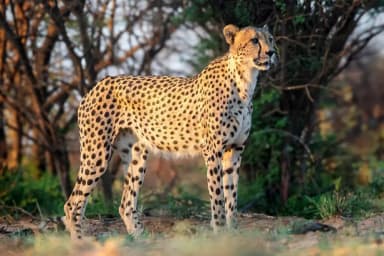
Cheetah
 Charles J. Sharp · CC BY-SA 4.0
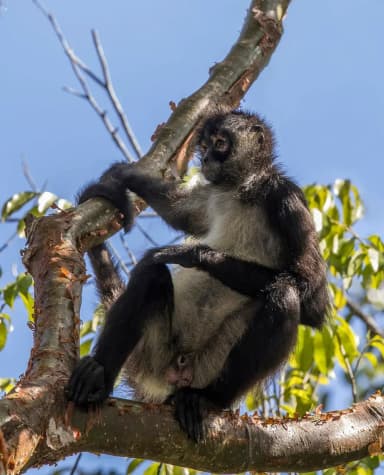
Black-handed Spider Monkey
 Yathin S Krishnappa · CC BY-SA 3.0
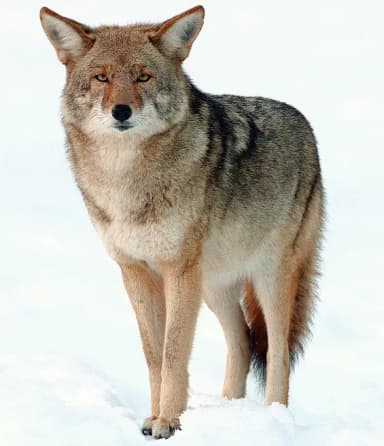
Coyote
 Dick Culbert from Gibsons, B.C., Canada · CC BY 2.0
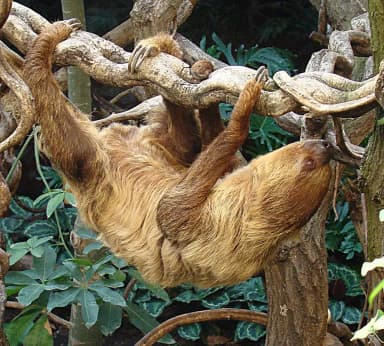
Linnaeus's Two-toed Sloth
 Wikinoobie1 · CC BY-SA 3.0
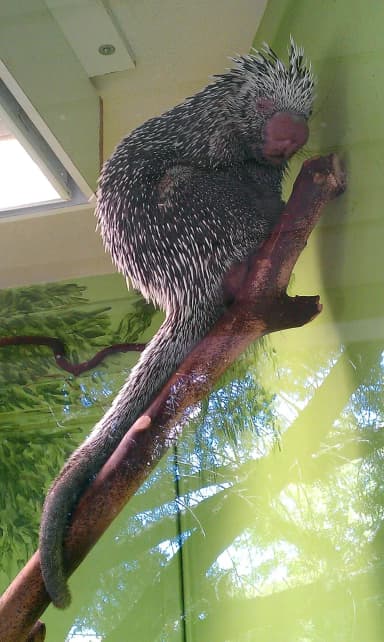
Prehensile-tailed Porcupine
 Tuxyso · CC BY-SA 3.0
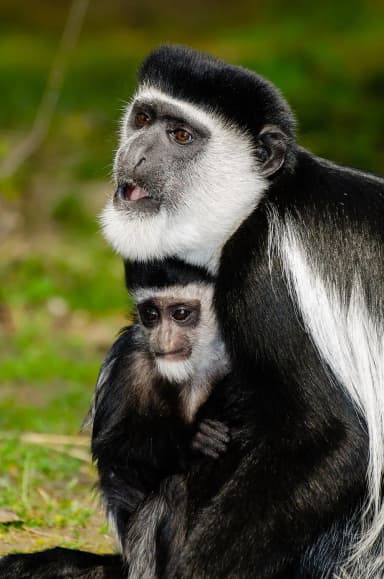
Black-and-white Colobus
 Alastair Rae from London, United Kingdom · CC BY-SA 2.0
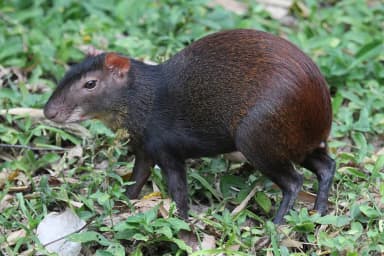
Red-rumped Agouti
 Yathin S Krishnappa · CC BY-SA 3.0
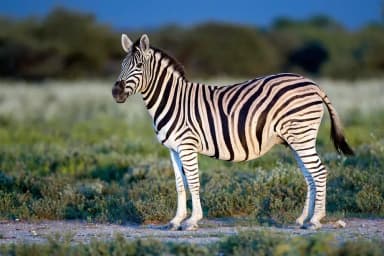
Zebra
 Charles J. Sharp · CC BY-SA 4.0
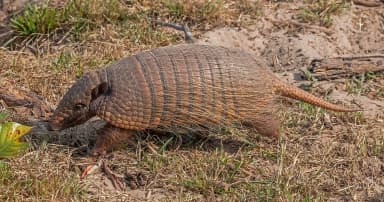
Six-banded Armadillo
 Thomas Fuhrmann · CC BY-SA 4.0
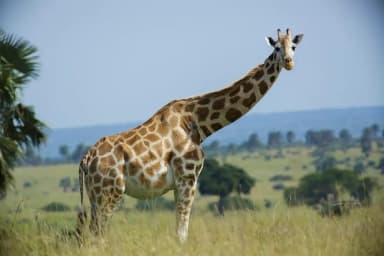
Giraffe
 Giles Laurent · CC BY-SA 4.0
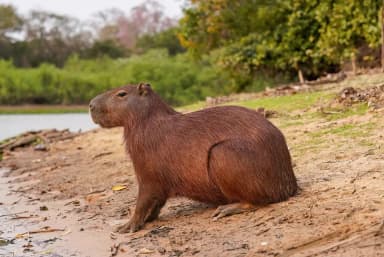
Capybara
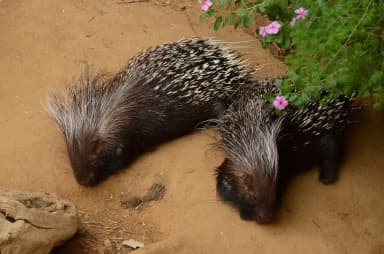 Steven Lek · CC BY-SA 4.0
Cape Porcupine
 Charles J. Sharp · CC BY-SA 4.0
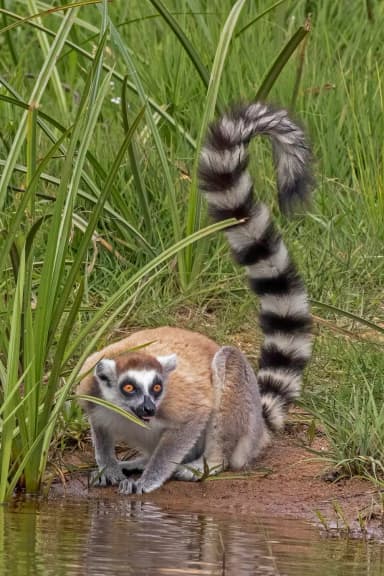
Ring-tailed Lemur
 Diego Delso · CC BY-SA 4.0
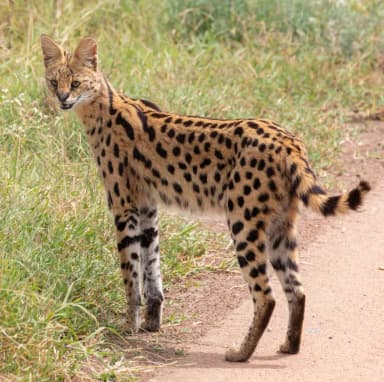
Serval
 Wallace Keck · Public domain
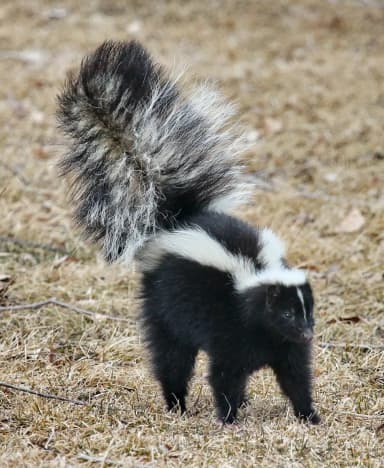
Striped Skunk
 Malene Thyssen · CC BY-SA 3.0
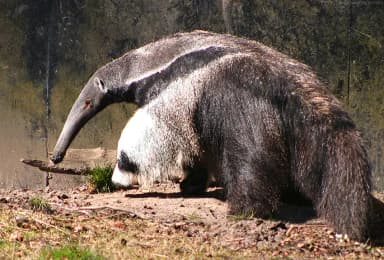
Giant Anteater
 Rushenb · CC BY-SA 4.0
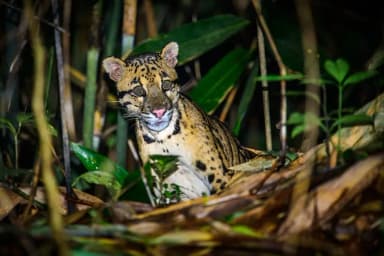
Clouded Leopard
 Hasekamp at Dutch Wikipedia · CC BY-SA 3.0
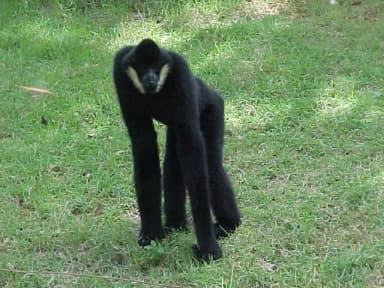
White-cheeked Gibbon
 Giles Laurent · CC BY-SA 4.0
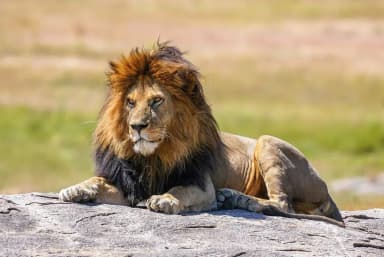
Lion
 Charles J. Sharp · CC BY-SA 4.0
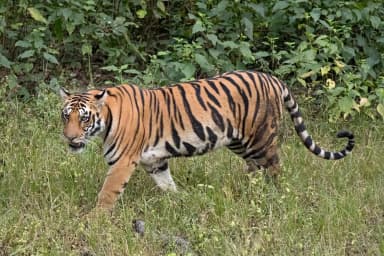
Tiger
 Nanosanchez · CC BY-SA 4.0
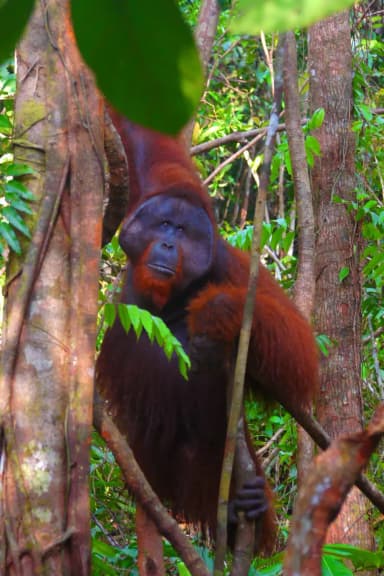
Orangutan
 Chensiyuan · CC BY-SA 4.0
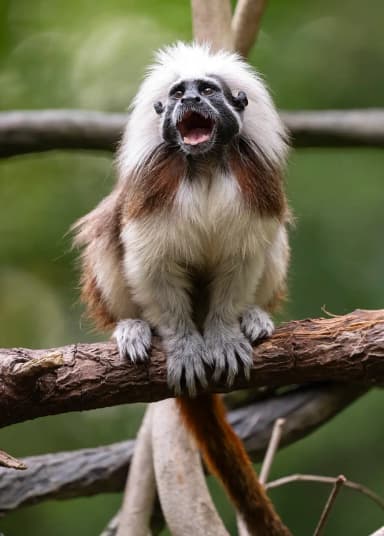
Cotton-top Tamarin
 Rufus46 · CC BY-SA 3.0
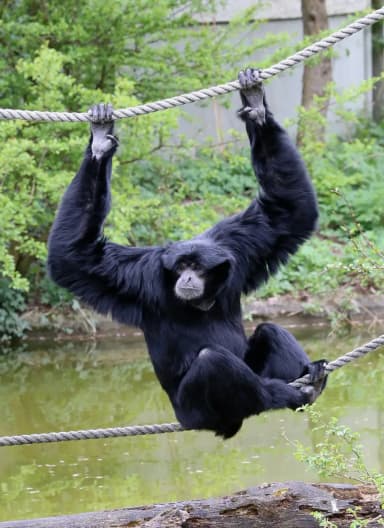
Siamang
 Rhododendrites · CC BY-SA 4.0
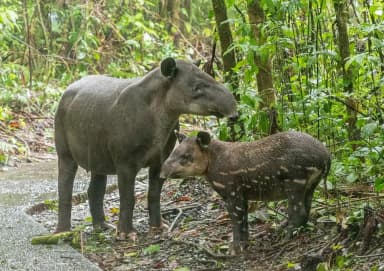
Baird's Tapir
 SouthernThreeBandedArmadillo065.jpg : Ltshears derivative work: WolfmanSF ( talk ) · CC BY-SA 3.0
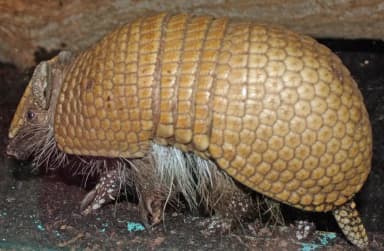
Three-banded Armadillo
 Charles J. Sharp · CC BY-SA 4.0
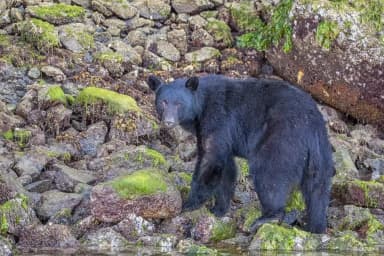
American Black Bear
 Charles J. Sharp · CC BY-SA 4.0
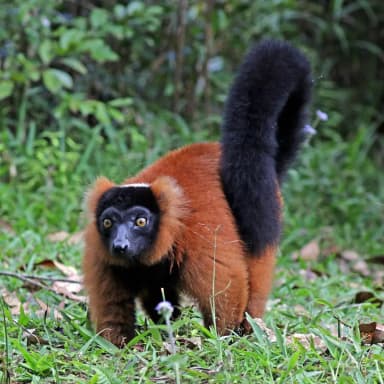
Red Ruffed Lemur
 ClaudiaTen · CC BY-SA 4.0
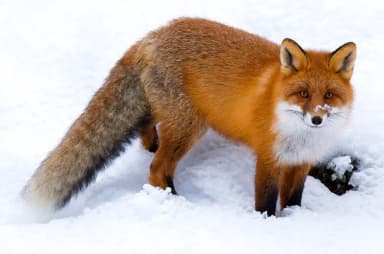
Red Fox
Birds9
 Luc Viatour · CC BY 2.0
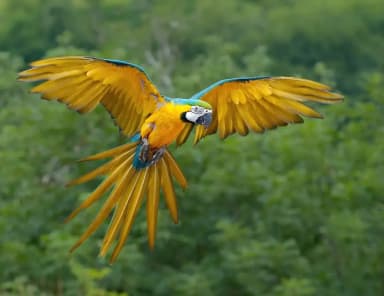
Blue-and-gold Macaw
 Wikimedia Commons · CC BY-SA 3.0
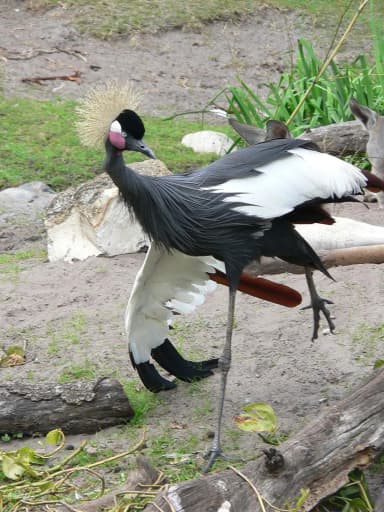
Black Crowned Crane
 Bernard DUPONT from FRANCE · CC BY-SA 2.0
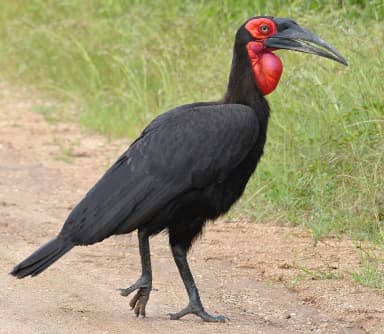
Southern Ground Hornbill
 Dick Daniels · CC BY-SA 3.0
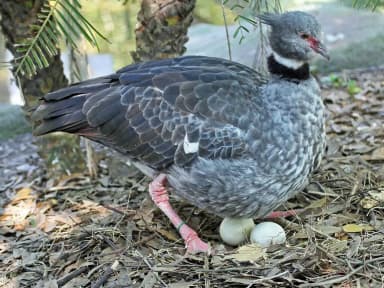
Southern Screamer
 Charles J. Sharp · CC BY-SA 4.0
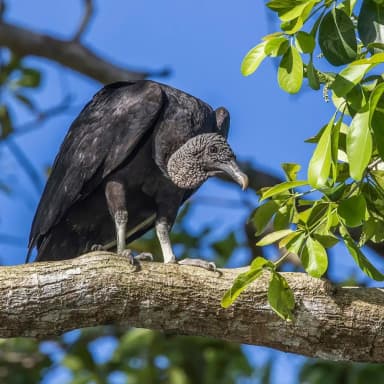
Black Vulture
 Sumita Roy Dutta · CC BY-SA 4.0
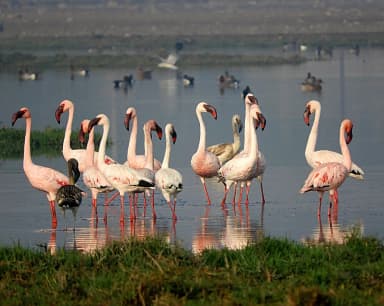
Lesser Flamingo
 Florettesokeng · CC BY-SA 4.0
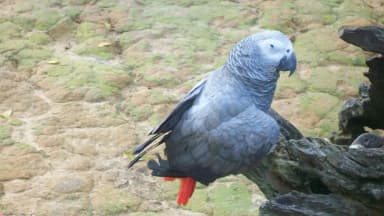
African Grey Parrot
 Giles Laurent · CC BY-SA 4.0
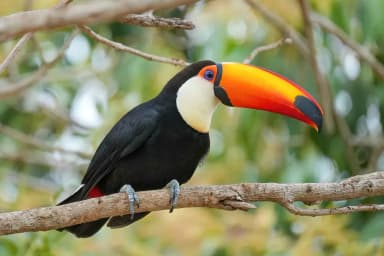
Toco Toucan
Reptiles25
 Yotcmdr · Public domain
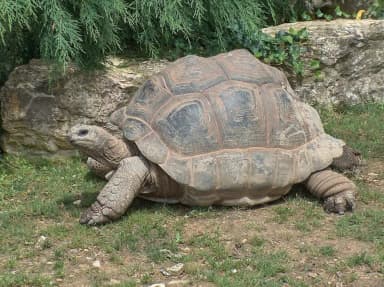
Aldabra Tortoise
 Brian Gratwicke · CC BY 2.0
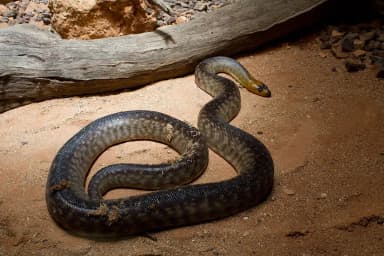
Woma Python
 Charles J. Sharp · CC BY-SA 4.0
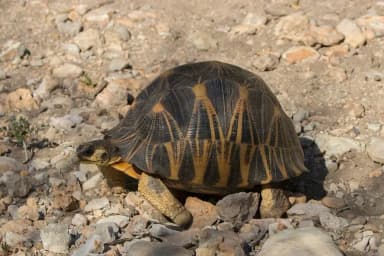
Radiated Tortoise
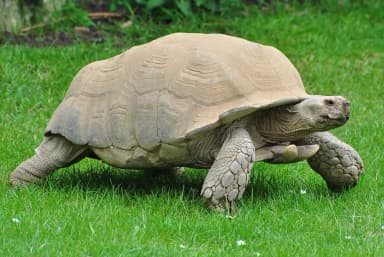 John5199 · CC BY 2.0
African Spurred Tortoise
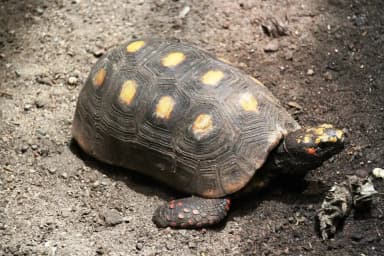 Bjoertvedt · CC BY-SA 3.0
Red-footed Tortoise
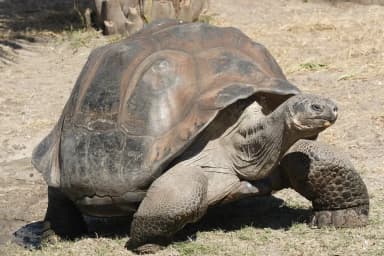 Mfield , Matthew Field, http://www.photography.mattfield.com · CC BY-SA 3.0
Galapagos Tortoise
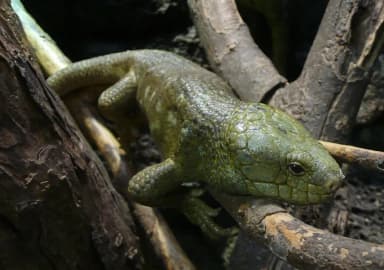 TimVickers · Public domain
Prehensile-tailed Skink
 Caudatejake · CC BY-SA 4.0
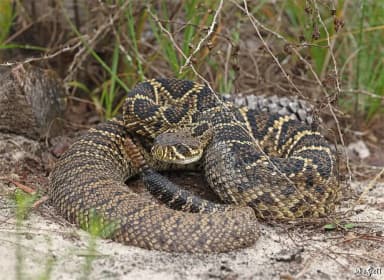
Eastern Diamondback Rattlesnake
 Dirk Stevenson · Public domain
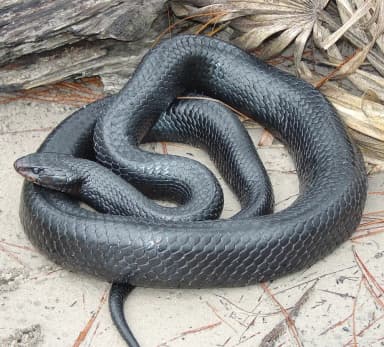
Eastern Indigo Snake
 Judy Gallagher · CC BY 2.0
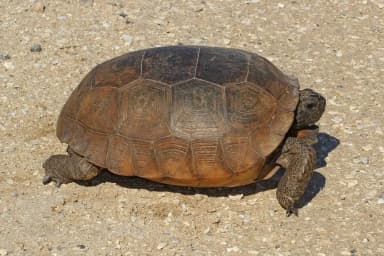
Gopher Tortoise
 David Rubin · CC BY 2.0
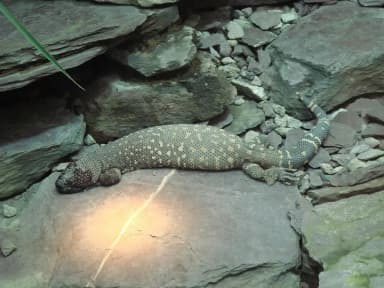
Mexican Beaded Lizard
 Frank Vassen · CC BY 2.0
Madagascar Giant Hognose Snake
 Dave Pape · Public domain
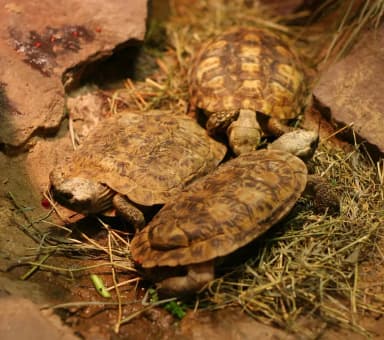
Pancake Tortoise
 This photography was created by Mariluna . Other photos see here . · CC BY-SA 3.0
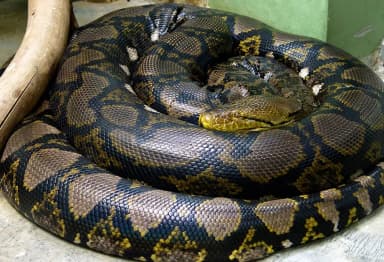
Reticulated Python
 TarnishedPath · CC BY-SA 4.0
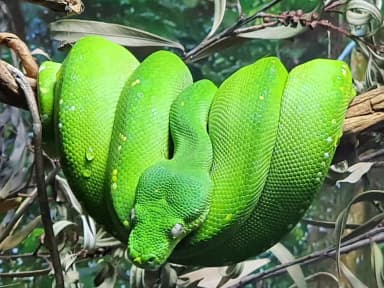
Green Tree Python
 Ethan Porcaro · CC0
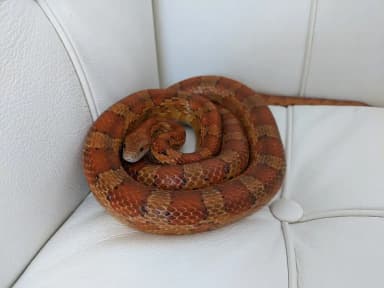
Corn Snake
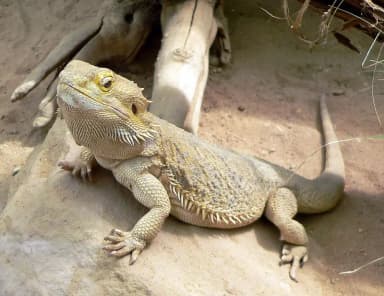 Photograph: Frank C. Müller , Baden-Baden · CC BY-SA 2.5
Bearded Dragon
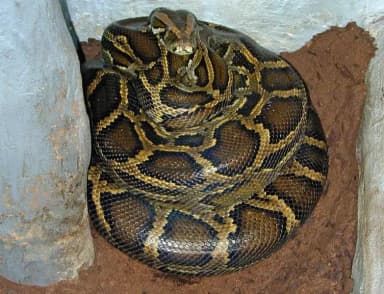 Tigerpython · CC BY 3.0
Burmese Python
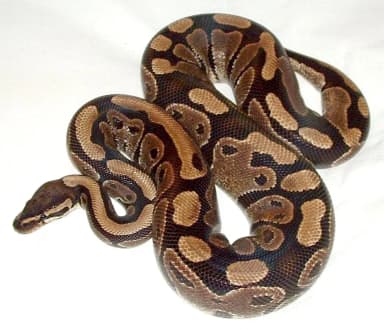 HCA ( talk ) · CC BY-SA 3.0
Ball Python
 Charles J. Sharp · CC BY-SA 4.0
Argentine Black and White Tegu
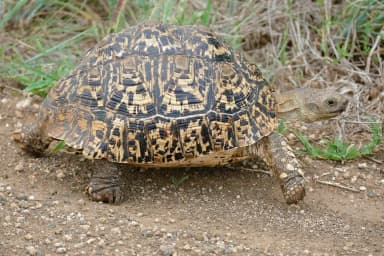 Bernard DUPONT from FRANCE · CC BY-SA 2.0
Leopard Tortoise
Amphibians1
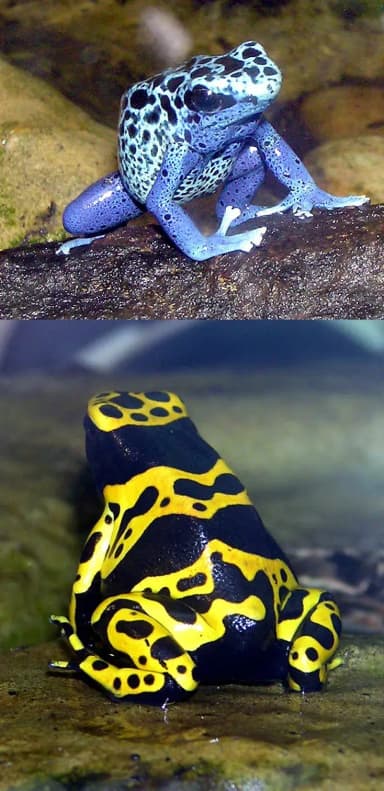
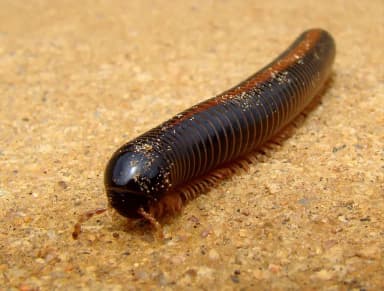
Feathers & Fangs from visitors
What people who've been to Naples Zoo say
A Feather is something this zoo does well; a Fang is something it gets wrong. Left by people who've been, and read by us before they appear.
Loading…
About Naples Zoo
Naples Zoo at Caribbean Gardens sits on 43 acres in Naples, Florida, combining a zoo with a historic botanical garden. It is a nonprofit 501(c)(3) charitable institution that receives no funding from the city, county, or state, relying instead on visitors, memberships, and donations. The zoo reaches more than 350,000 guests a year and is nationally accredited by the Association of Zoos and Aquariums (AZA), an institutional member of the American Association of Zoo Keepers, and accredited separately as a botanical garden by The Moreton Register of Arboreta. It also holds membership in the American Public Garden Association and the Association of Zoological Horticulture, and is a designated historic site by Collier County.
The zoo holds about 70 species, though not all are on exhibit at any given time. A paved main path winds nearly a mile through a tropical garden that predates the animals by fifty years, first planted in 1919. Because the animal habitats were built around decades-old trees, exhibit spaces are compact and guests are often just three or four steps from the animals they've come to see.
Naples Zoo is organized around this single loop, with exhibits arranged clockwise past lakes, islands, and garden beds rather than in a conventional zoo grid. The layout reflects the site's origin as a garden first, with the animal collection layered in afterward starting in 1969.
History
The zoo's roots go back to 1919, when botanist and ornithologist Henry Nehrling bought the land to protect a plant collection that had been damaged by a 1917 freeze at his previous garden in central Florida. Nehrling, who had written in 1904 that "it is high time to protect and preserve what is still left," built a tropical garden of about 3,000 plant species on the site, hosting visitors that included Theodore Roosevelt, John Burroughs, and Thomas Edison. After his death in 1929, the garden went untended for more than two decades.
In 1946, Julius Fleischmann of Cincinnati arrived in Naples and eventually took on the restoration. Starting in 1952, his team cleared trails, dug lakes, and added new plantings, reopening the site to the public in 1954 as Caribbean Gardens, complete with tropical birds. In 1967, animal collectors Col. Lawrence and Nancy Jane Tetzlaff — known as Jungle Larry and Safari Jane — visited while scouting winter quarters for their menagerie. The property wasn't available at the time, but after Fleischmann's death the Tetzlaffs were invited to bring their animals to the gardens, and on September 1, 1969, the site opened as a zoo for the first time.
Larry Tetzlaff died in 1984, and Nancy Jane Tetzlaff and the family continued expanding the zoo and its education programs. National AZA accreditation came in 2001. The next crisis arrived in 2002, when the Fleischmann family that had inherited the land decided to sell both the 43-acre zoo property and roughly 120 surrounding acres. The Tetzlaffs pushed for a public purchase, and in 2004 a referendum passed with 73 percent voter approval. To smooth the transition, the Tetzlaffs converted the zoo into a 501(c)(3) nonprofit and handed control to a newly formed Naples Zoo Board of Directors in 2005; the land was paid off by 2009.
Exhibits and habitats
Going clockwise around the main loop, Alligator Bay holds the zoo's American alligators alongside a lake used as an annual heron rookery. The South American area features a giant anteater, red-rumped agoutis, critically endangered cotton-top tamarins, red-footed tortoises, and Linnaeus's two-toed sloths. Across the path, African Antelope houses a breeding pair of mountain bongo — a critically endangered antelope from Mount Kenya of which only 75 to 80 remain in the wild — along with slender-horned gazelles, of which an estimated 250 to 340 survive in northern Africa.
The Clouded Leopards exhibit has a breeding pair viewable through glass, paired with a display on how everyday purchases affect clouded leopards, orangutans, and tigers. Lake Victoria's islands house the zoo's primates — ring-tailed lemurs, red ruffed lemurs, collared lemurs, black-handed spider monkeys, buff-cheeked gibbons, siamangs, and eastern black-and-white colobuses, most of them endangered in the wild — and can be viewed up close on the 15-to-20-minute Primate Expedition Cruise aboard the zoo's catamarans.
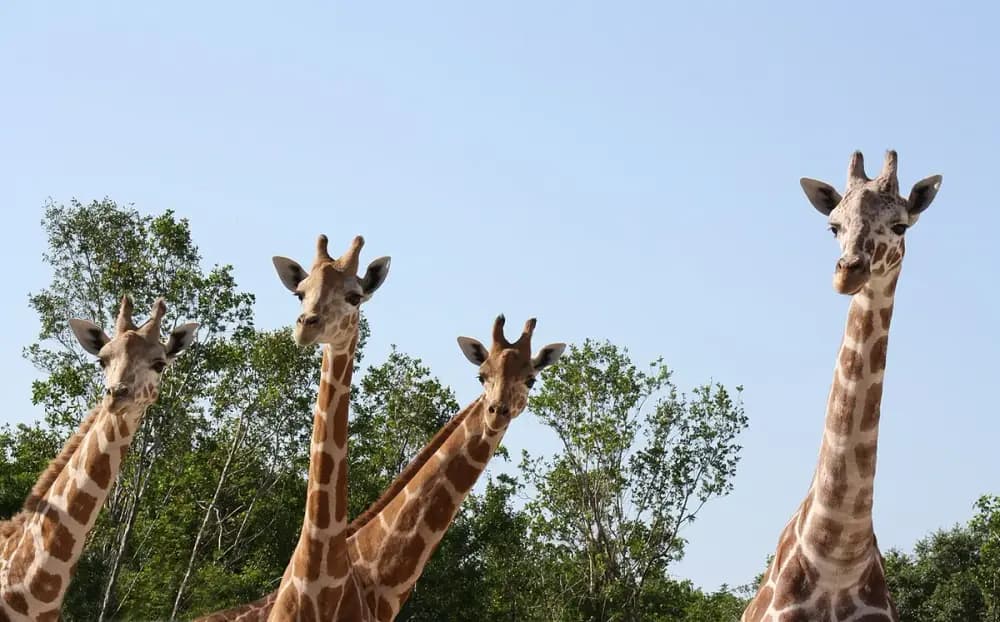
Lagoon Loop holds lions and nearby plains zebras, while the Giraffes exhibit features a herd of reticulated giraffes that guests can hand-feed for a fee. Fosas of Madagascar houses this rare Malagasy carnivore. Black Bear Hammock, home to American black bears, is split into two habitats — one simulating a natural environment, the other a suburban backyard — and is described as the largest black bear exhibit in an accredited zoo east of the Mississippi River. Tiger Forest gives the zoo's Malayan tigers a bamboo forest habitat; Naples Zoo participates in the AZA Species Survival Plan for the species.
Backyard Habitat is a section certified by the National Wildlife Federation's Backyard Wildlife Habitat program, including a pool where guests can feed fish. The Panther exhibit is home to Athena, a Florida panther brought to the zoo as an orphaned kitten found in Big Cypress National Preserve; because panthers need at least six months with their mother to learn survival skills, she cannot be released. Additional exhibits throughout the zoo hold striped hyenas, Reeve's muntjac, yellow-backed duikers, honey badgers, cheetahs, coyotes, and macaws. Throughout the day, the zoo runs the Seated Safari and Reptile Rendezvous shows at the Safari Canyon Open Air Theater, an Alligator Bay feeding, and a Meet the Keeper series at various exhibits.
Animal highlights
Naples Zoo lists at least 70 species on its website, spanning mammals, reptiles, and birds across its garden habitats. Beyond the animals named in its exhibit areas, guests can see favorites like lions, giraffes, monkeys, pythons, and bears alongside less commonly exhibited species such as the giant anteater. Many of the primates and antelope on the grounds are part of managed breeding programs for endangered species, and the naturalistic garden setting has supported reproduction among a number of rare animals over the zoo's history.
Conservation and programs
Naples Zoo funds conservation work in seven countries — Brazil, Namibia, Tanzania, Kenya, Zambia, Sierra Leone, and Madagascar — supporting the annual salaries of 35 field staff including biologists, researchers, village game scouts, and wildlife veterinarians. Since 2015 the zoo has invested more than $4 million in projects to protect plants and animals in the wild. It also plants trees in Africa and Madagascar, having planted more than one million trees since 2009. The zoo participates in the AZA Species Survival Plan for Malayan tigers, and its history includes long-running conservation education efforts started by founders Larry and Nancy Jane Tetzlaff, including a 1960s program on the Everglades. Because the zoo receives no tax funding, this conservation spending comes directly from admissions, memberships, and donations.
Planning your visit
As listed on the zoo's website, hours are 8:00 a.m. to 3:00 p.m., with last entry at 2:00 p.m. The zoo is open every day except Thanksgiving and Christmas, and closes early at 3:00 p.m. on Christmas Eve and New Year's Eve. Discounts are available in person for active and retired military members (with $2 off for their party) and for AZA members with valid ID and membership card; cash, Visa, Mastercard, American Express, and Discover are all accepted.
Two cafes serve the grounds: a main cafe near the playground and a second spot on the north shore of Lake Victoria near the giraffe habitat, plus a cart near the Primate Cruise entrance. Guests may bring in coolers and picnic lunches, and beer and wine are sold on-site, though outside alcohol is not permitted. The Zoo Gift Shop near the entrance is open daily from 9:00 a.m. to 4:30 p.m. and can be visited without zoo admission.
Wheelchairs available for rent are push-only, not electronic, and a second person may be needed to push them on the paved paths; rentals are first-come, first-served from behind the Welcome Center. The main path is paved and almost a mile long, with paved walkways to most exhibits, though wheelchairs cannot be taken aboard the Primate Expedition Cruise catamarans due to the lake's varying water levels. All restrooms at the zoo are accessible, and the zoo is designated a sensory inclusive facility with resources for guests with sensory processing needs. Trained service dogs are welcome, though the zoo notes some areas where a dog's presence could pose a safety concern for staff or animals.
Check the official website before visiting to confirm current hours, admission prices, and any closures.
What we haven't confirmed
Everything above came from public sources. These specifics we haven't stood behind yet:
- Current ticket prices
- Total animal count
- Annual attendance beyond the roughly 350,000–428,000 guest figures noted historically
- Recommended visit duration
- Phone number for general visitor questions
Naples Zoo compared with nearby zoos
How Naples Zoo lines up against the closest zoos we have details for — useful if you're deciding between them for the same day out.
| Zoo | Distance | Admission | Hours | Size | AZA |
|---|---|---|---|---|---|
| Naples ZooThis zooNaples, FL | — | — | Daily 9:00 AM – 4:30 PM; last entry 3:30 PM. Closed Thanksgiving Day, Christmas Day, ZOOBILEE and annual Zoo Gala day (November); closes 3:00 PM Christmas Eve & New Year's Eve. | 43 acres | Yes |
| Wonder GardensBonita Springs, FL | 12 mi | $19 | Business hours 9:00 AM – 4:00 PM; last admission 3:00 PM. | — | No |
| Zoological Wildlife FoundationMiami, FL | 91 mi | — | Guided tours by reservation only, Monday–Sunday 10:00 AM – 6:00 PM; must pre-book at least 24 hours ahead (same-day by phone 305-969-3696). Office 9 AM – 6 PM. December 25 (Dec 24 open 9 AM – 2 PM). | — | No |
| Flamingo GardensFort Lauderdale, FL | 92 mi | $24 | 9:30AM – 5:00PM | 60 acres | No |
Distances are straight-line. A dash means we haven't confirmed that detail yet, not that the zoo lacks it.
AZAThe Association of Zoos and Aquariums. Accredited members have passed an independent inspection of animal care and welfare, safety, conservation and education, repeated every five years. Many smaller facilities never apply, so “not accredited” isn't a verdict on its own. What accreditation means · How we check this
Naples Zoo: common questions
Is Naples Zoo AZA accredited?
Yes. It has been nationally accredited by the Association of Zoos and Aquariums since 2001.
How big is Naples Zoo?
The zoo and its historic botanical garden cover 43 acres in Naples, Florida.
When did Naples Zoo open?
The gardens were first planted in 1919; the site opened as a zoo with animals on September 1, 1969.
How many species can visitors see?
The zoo lists about 70 species, though not all are on display at any given time.
Is there parking, and is the zoo accessible for wheelchairs?
The zoo's paved main path and walkways serve most exhibits, and push-style wheelchairs are available to rent, though they cannot be taken on the Primate Expedition Cruise.
Is there food inside the zoo?
Yes, two cafes and a cart serve the grounds, and outside coolers and picnic food are also permitted.
How long does a visit take?
The zoo's website doesn't list a specific recommended visit length.
Something wrong here? Tell us — we correct in place, with a dated note.