
- Admission
- $20
- Size
- 85 acres
- Opened
- 1953
- Accreditation
- AZA
Association of Zoos and Aquariums
Everything below is directory information drawn from public sources and the zoo's own site.
Animals at Caldwell Zoo
70 confirmedMammals25
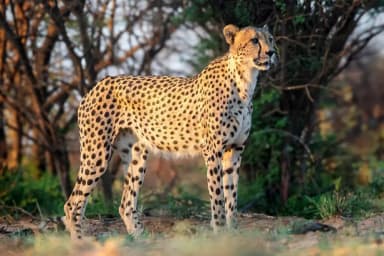 AfricanConservation · CC BY-SA 4.0
Cheetah
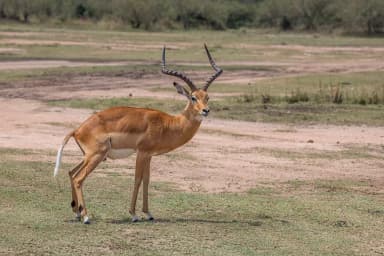 Charles J. Sharp · CC BY-SA 4.0
Impala
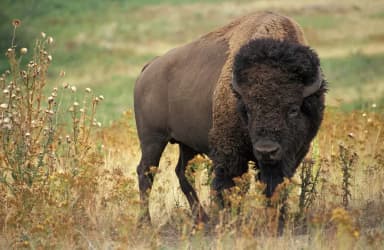 Jack Dykinga · Public domain
American Bison
 Tuxyso · CC BY-SA 3.0
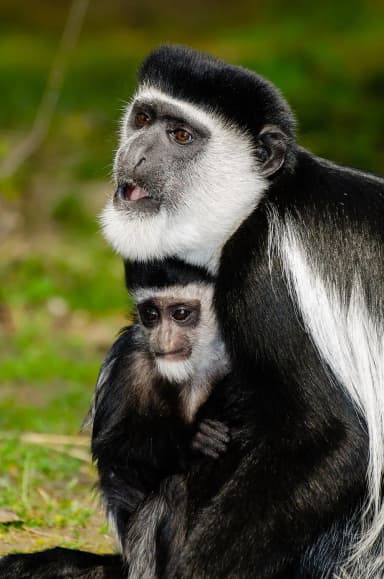
Black-and-white Colobus
 AfricanConservation · CC BY-SA 4.0
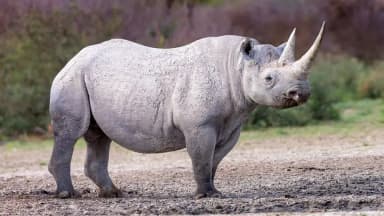
Black Rhinoceros
 Relative of Brandt Luke Zorn, most likely his father. · CC BY-SA 2.0
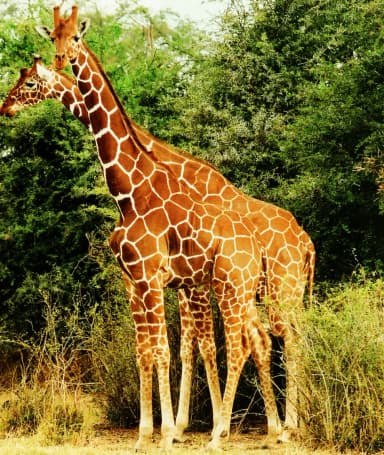
Reticulated giraffe
 Charles J. Sharp · CC BY-SA 4.0
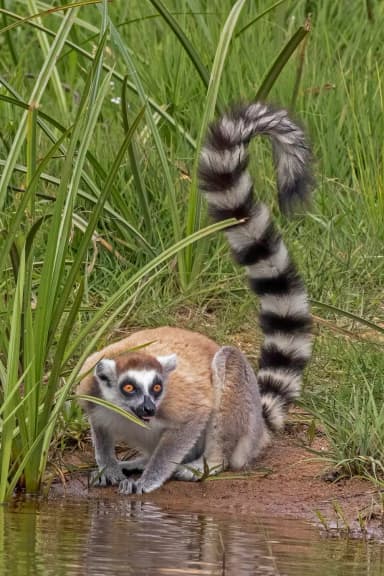
Ring-tailed Lemur
 Daderot · CC0
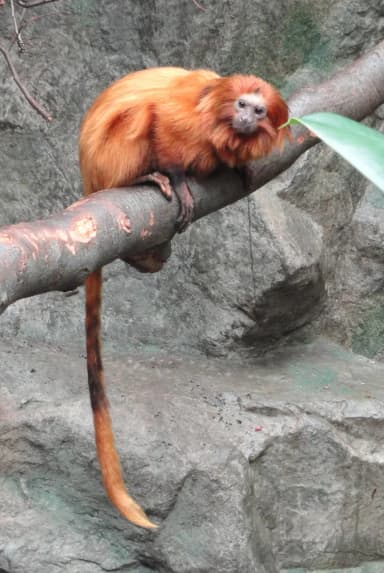
Golden Lion Tamarin
 Giles Laurent · CC BY-SA 4.0
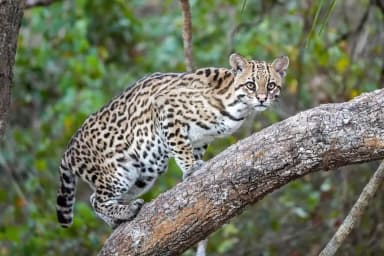
Ocelot
 USFWS Mountain-Prairie · Public domain
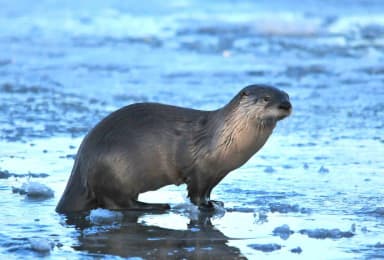
North American River Otter
 Giles Laurent · CC BY-SA 4.0
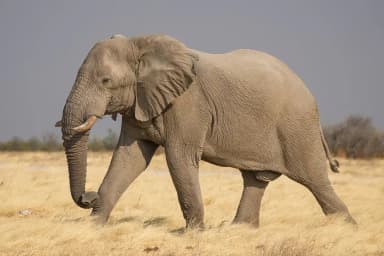
African Elephant
 Becker1999 (Paul and Cathy) · CC BY 2.0
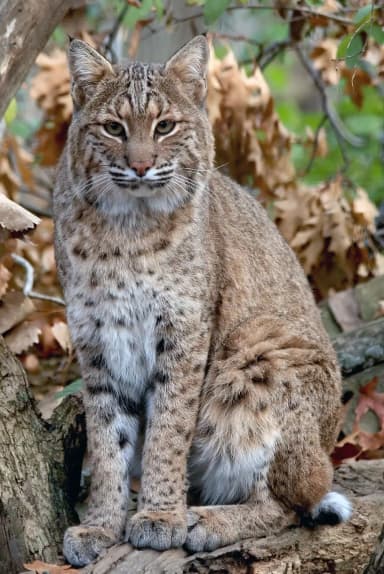
Bobcat
 Malene Thyssen · CC BY-SA 3.0
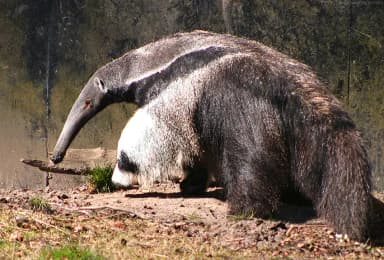
Giant Anteater
 USDA photo by Scott Bauer · Public domain
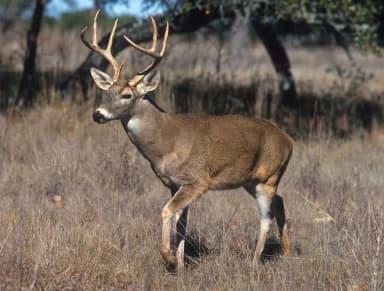
White-tailed Deer
 Giles Laurent · CC BY-SA 4.0
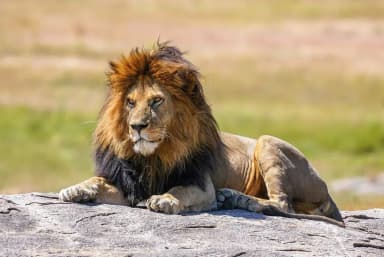
Lion
 Charles J. Sharp · CC BY-SA 4.0
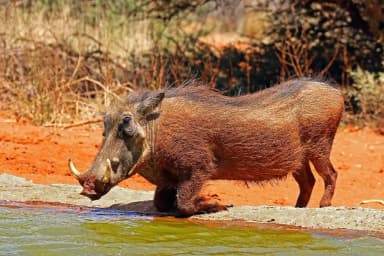
Warthog
 Naturedata · CC0
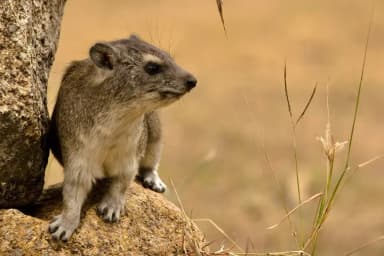
Rock Hyrax
 National Park Service · Public domain
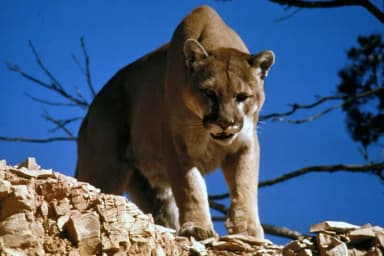
Cougar
 Cayambe · CC BY-SA 3.0
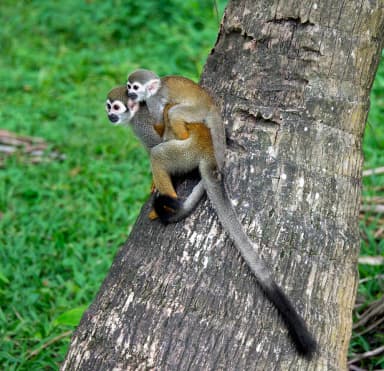
Squirrel Monkey
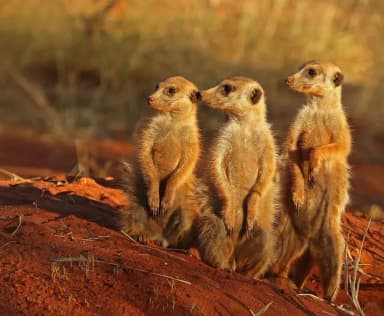 Charles J. Sharp · CC BY-SA 4.0
Meerkat
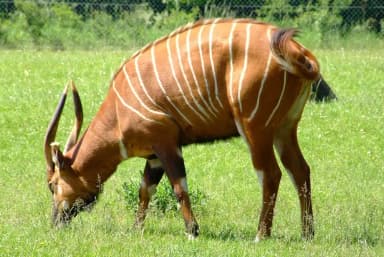 Charles Miller from Basingstoke, United Kingdom · CC BY 2.0
Bongo
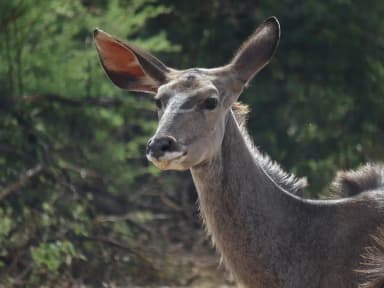 Prosthetic Head · CC BY-SA 4.0
Greater Kudu
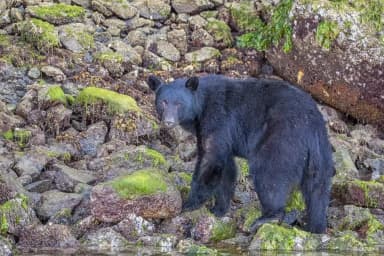 Charles J. Sharp · CC BY-SA 4.0
American Black Bear
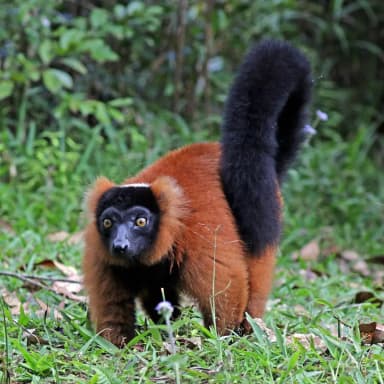 Charles J. Sharp · CC BY-SA 4.0
Red Ruffed Lemur
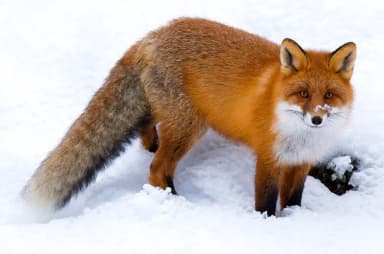 ClaudiaTen · CC BY-SA 4.0
Red Fox
Birds25
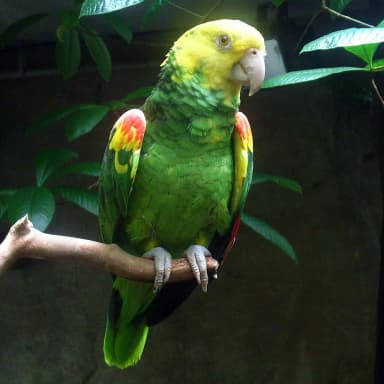 Lizzy Foulkes · CC BY-SA 2.0
Yellow-headed Amazon
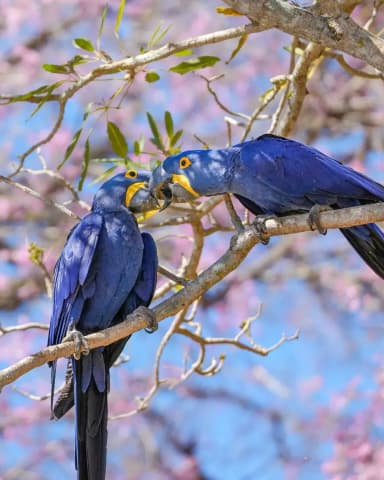 Giles Laurent · CC BY-SA 4.0
Hyacinth Macaw
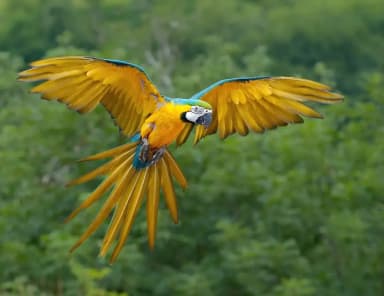 Luc Viatour · CC BY 2.0
Blue-and-gold Macaw
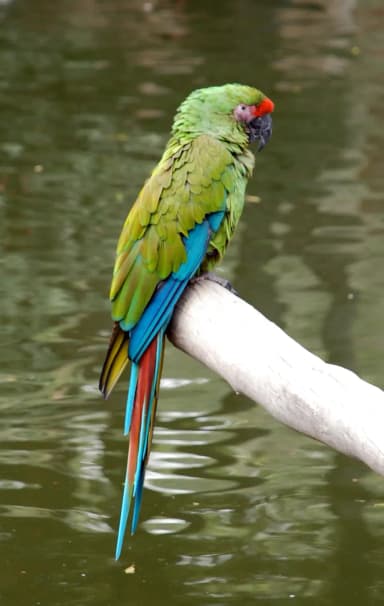 Justin Wright · CC BY-SA 2.0
Military Macaw
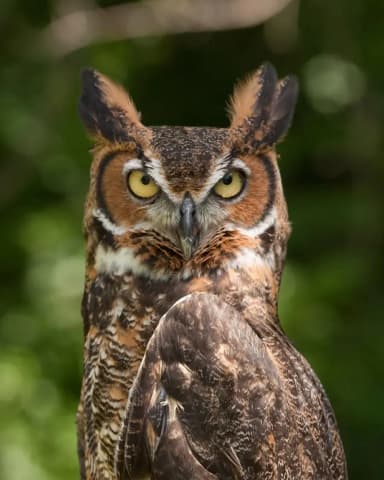 Greg Hume · CC BY-SA 3.0
Great Horned Owl
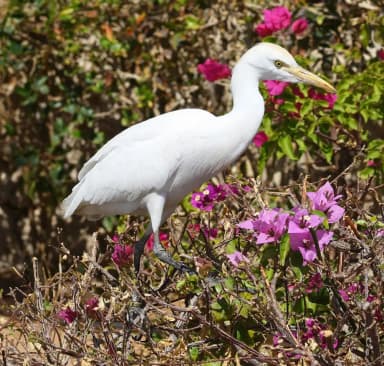 Kora27 · CC BY-SA 4.0
Cattle Egret
 Becky Matsubara from El Sobrante, California · CC BY 2.0
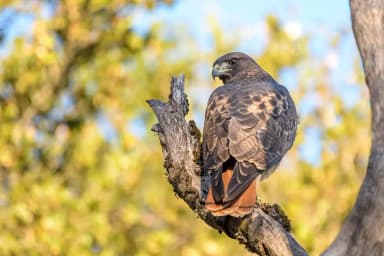
Red-tailed Hawk
 Stephane Mignon from Bruxelles, Belgique (Europe) · CC BY 2.0
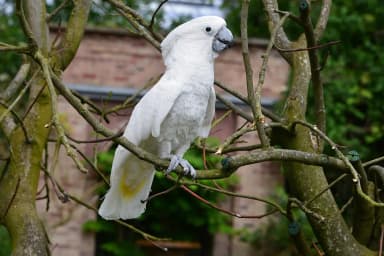
Umbrella Cockatoo
 Dick Daniels · CC BY-SA 3.0
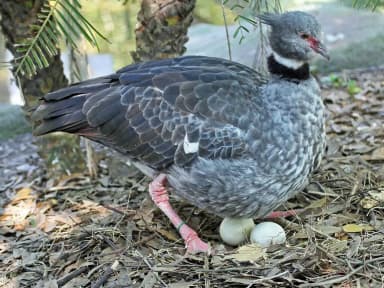
Southern Screamer
 Patrick Coin ( Patrick Coin ) · CC BY-SA 2.5
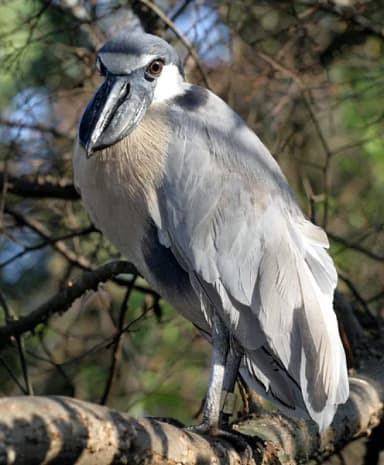
Boat-billed Heron
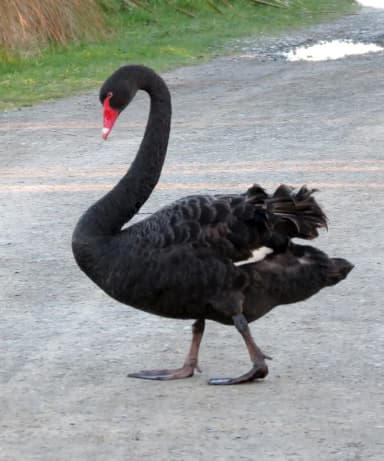 Katja Schulz · CC BY 4.0
Black Swan
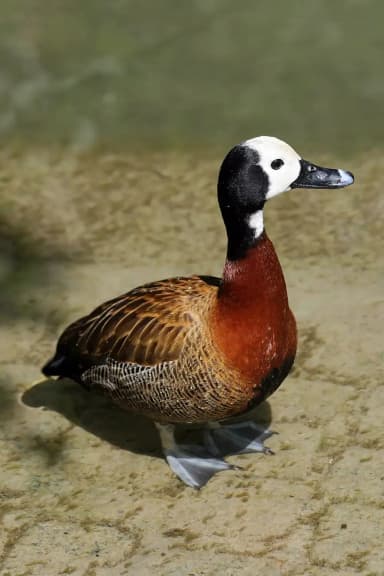 Richard Bartz, Munich Makro Freak · CC BY-SA 2.5
White-faced Whistling Duck
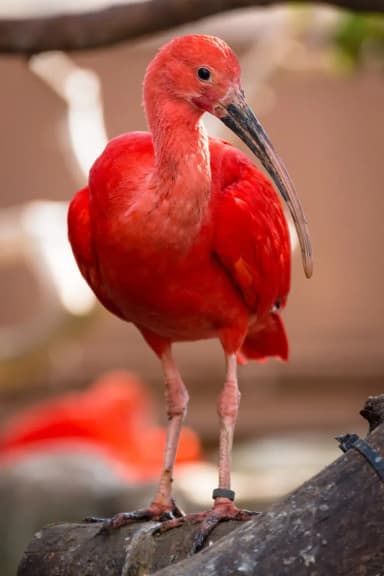 Rafa Esteve · CC BY-SA 4.0
Scarlet Ibis
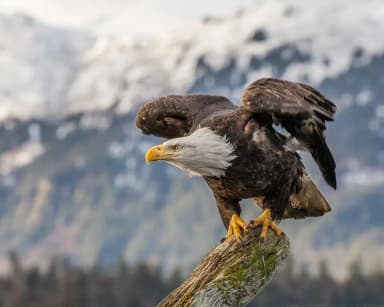 Andy Morffew from Itchen Abbas, Hampshire, UK · CC BY 2.0
Bald Eagle
 ramidos · CC BY 4.0
Black-crowned Night Heron
 Manjith Kainickara · CC BY-SA 2.0
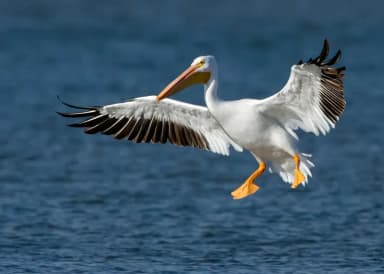
American White Pelican
 User:Mwanner · CC BY-SA 3.0
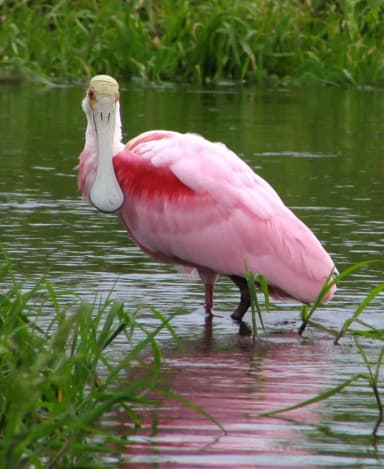
Roseate Spoonbill
 Florettesokeng · CC BY-SA 4.0
African Grey Parrot
 Renato Augusto Martins · CC BY-SA 4.0
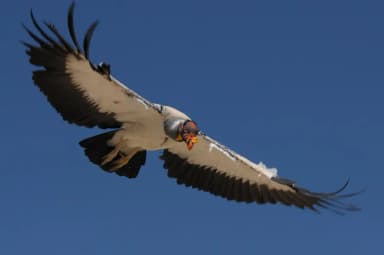
King Vulture
 Charles J. Sharp · CC BY-SA 4.0
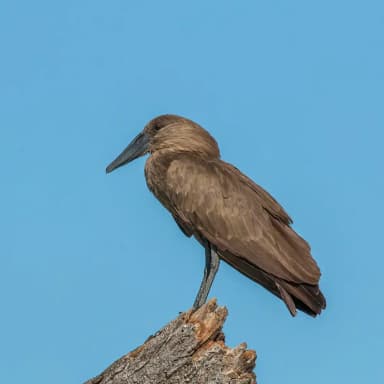
Hamerkop
 Matti Blume · CC BY-SA 4.0
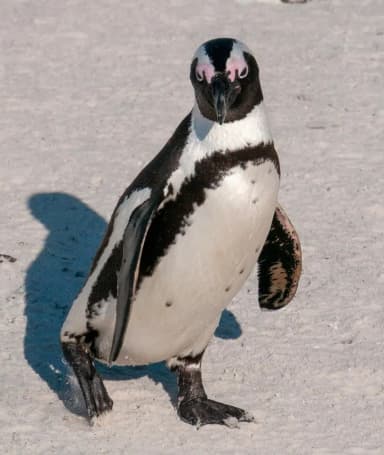
African penguin
Reptiles18
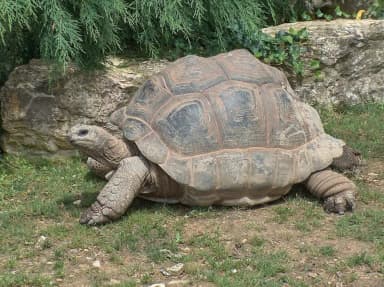 Yotcmdr · Public domain
Aldabra Tortoise
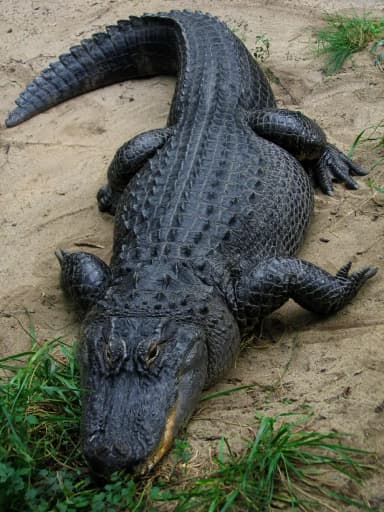 User:Postdlf · CC BY-SA 3.0
American Alligator
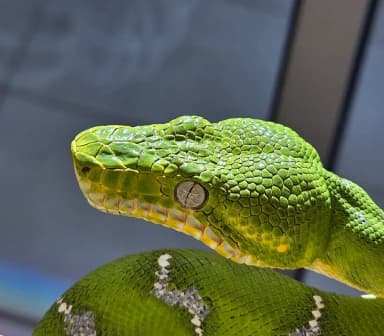 Edeag3 · CC BY-SA 4.0
Emerald Tree Boa
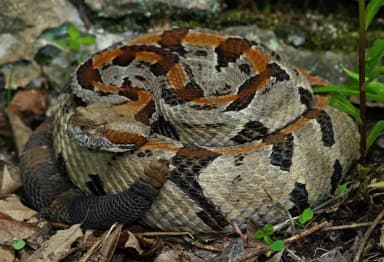 Peter Paplanus from St. Louis, Missouri · CC BY 2.0
Timber Rattlesnake
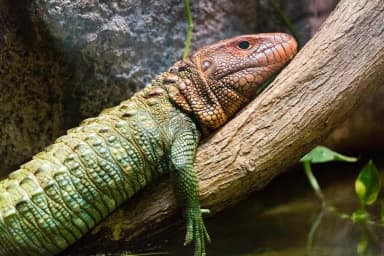 Brett Weinstein · CC BY-SA 3.0
Caiman Lizard
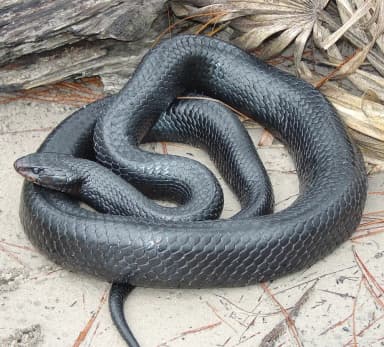 Dirk Stevenson · Public domain
Eastern Indigo Snake
 George Chernilevsky · Public domain
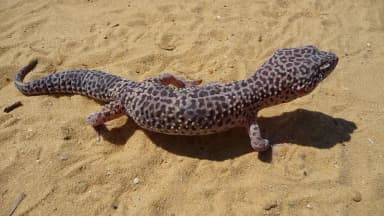
Leopard Gecko
 MKAMPIS · CC BY-SA 4.0
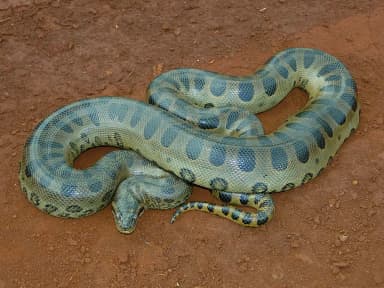
Green Anaconda
 Blueag9 · CC BY-SA 3.0
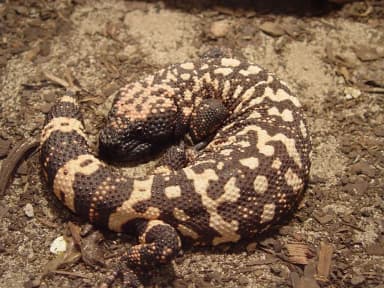
Gila Monster
 Hans Hillewaert · CC BY-SA 4.0
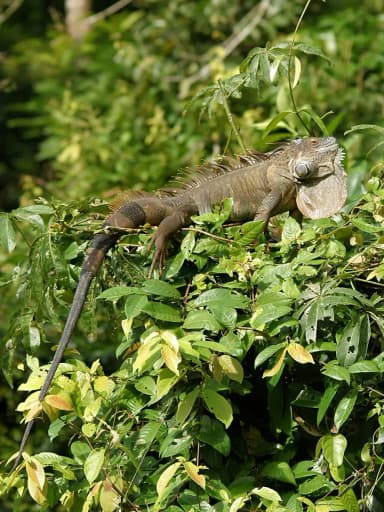
Green Iguana
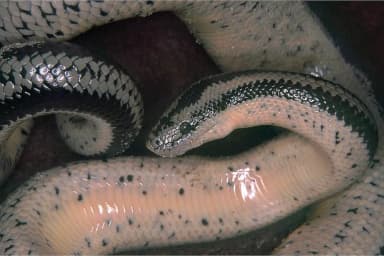 5snake5 · CC0
Rosy Boa
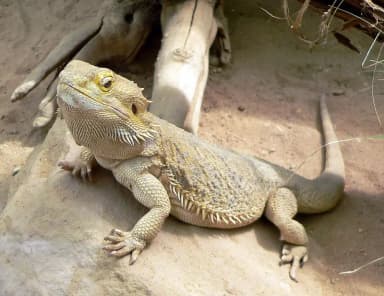 Photograph: Frank C. Müller , Baden-Baden · CC BY-SA 2.5
Bearded Dragon
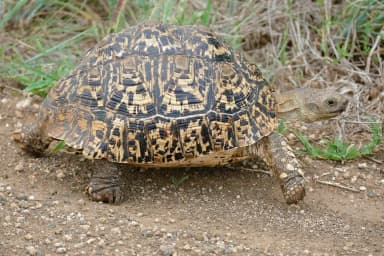 Bernard DUPONT from FRANCE · CC BY-SA 2.0
Leopard Tortoise
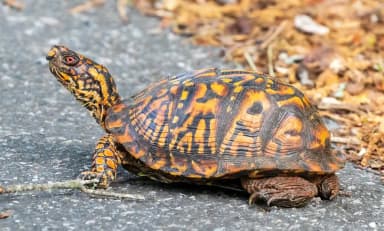 (c) Joshua Liverman, some rights reserved (CC BY) · CC BY 4.0
Eastern Box Turtle
Feathers & Fangs from visitors
What people who've been to Caldwell Zoo say
A Feather is something this zoo does well; a Fang is something it gets wrong. Left by people who've been, and read by us before they appear.
Loading…
About Caldwell Zoo
Caldwell Zoo occupies more than 80 acres on the northwest side of Tyler, Texas, near the intersection of West Gentry Parkway and Martin Luther King Junior Boulevard. It opened on its current site in 1953 and has since grown into a collection of more than 3,000 individual animals representing more than 200 species. The zoo is accredited by the Association of Zoos and Aquariums, a status it has held since 1985, and it is also a member of the World Association of Zoos and Aquariums.
The zoo is run by a small executive team headed by President and CEO Scott Maddox, with a General Curator of Animals, a Chief Financial Officer, and department heads overseeing guest services, activities, and human resources. Habitats are arranged by geography rather than by species type: American Wilderness, Amazon River's Edge, and African Safari form the three broad regions, supplemented by exhibits dedicated to Asian species and by the Texas Horned Lizard Conservation Center for native reptiles.
The zoo describes many of its animals as endangered or threatened in the wild, and it frames its two central priorities as providing safe environments for those animals while helping maintain their genetic diversity. That framing runs through the zoo's breeding programs, its education work, and the way it presents its habitats to visitors.
History
Caldwell Zoo traces its roots to the Child Development Laboratory, started in 1937 and operated by the Hogg Foundation and the American Association of University Women of Tyler. David King Caldwell and his wife Lottie ran the lab and brought in animals for the children who visited — starting, as the zoo's own history puts it, as a simple collection of Easter bunnies and ducklings before growing into something more exotic. DK Caldwell spent his career as a civil engineer working across Alabama, Louisiana, and East Texas before settling in Tyler, where his philanthropic work took root.
In 1953, DK and Lottie Caldwell opened the Children's Zoo and Play School on land donated to the effort — accounts describe a gift of 125 acres in the rolling hills of northeast Texas, where new facilities were built and the animals relocated. By 1967 the zoo held more than 500 animals from 87 species. A 1970 break-in resulted in the deaths of several animals, and the community's response — money raised largely by local children — helped fund an African elephant and kicked off a broader modernization of the zoo.
The city granted the zoo an additional 40 acres in 1976, the same year Hayes Caldwell, DK's nephew, took over as Executive Director after earning a degree in Park Management from Texas Tech University. Giraffes joined the collection in 1978. A 15-acre native Texas area opened in 1983, followed by reptile and aquarium sections in 1984. Major reconstruction of the African exhibits, including large pasture areas and an overlook, was completed in 1987, and improvements continued through the 1990s. A new veterinary hospital, along with brooding areas and a quarantine facility, was completed in 2002.
Two white tigers, Meka and Willie King, arrived from the Alexandria Zoo in Louisiana in 2007 on what was originally meant to be a temporary loan through early September of that year; they were later declared permanent residents. The zoo's Wild Bird Walkabout now holds more than 400 parakeets and cockatiels, and its bird, otter, and penguin presentations have expanded over time.
Exhibits and habitats
The zoo's habitats are organized into geographic regions. American Wilderness, Amazon River's Edge, and African Safari make up the three main areas, joined by exhibits for Asian species and by the Texas Horned Lizard Conservation Center. Within Amazon River's Edge, capybaras — the largest rodents on the planet — share space with a jaguar habitat built around a pool and a river otter exhibit centered on a flowing water feature.
The African Overlook gives visitors an eye-to-eye view of the zoo's reticulated giraffes, with a scheduled feeding experience where guests can offer the animals a favored treat; the Chakula Café sits atop this overlook, described as the best patio in Tyler. The Wild Bird Walkabout is a walk-through aviary holding several hundred parakeets and cockatiels. Each habitat is described as custom-built for its residents, a point the zoo repeats across its own materials when explaining how it balances comfort and safety for endangered or threatened species living there.
Animal highlights
Caldwell Zoo does not publish an itemized species checklist, but the zoo states that more than 3,000 individual animals from over 200 species live on the grounds, a figure that stood at over 500 animals and 87 species as far back as 1967. Reticulated giraffes, jaguars, capybaras, and river otters anchor the geographic habitats, and white tigers Meka and Willie King have lived at the zoo since 2007. African penguins are part of the collection as well, with the zoo noting that breeding is expected once its current penguins reach sexual maturity.
Breeding successes recorded at the zoo include reticulated giraffes, flamingos, black rhinoceroses, jaguars, giant anteaters, and a litter of four lion cubs born in January 2014 — the zoo's first lion litter in 20 years at that point. The zoo also notes it took part in the first cheetah birth achieved through artificial insemination.
Conservation and programs
As an AZA-accredited member, Caldwell Zoo takes part in the AZA Species Survival Plan Program, a cooperative breeding and conservation effort spanning more than 500 animal species across accredited institutions, and in AZA SAFE (Saving Animals from Extinction), which pools the reach of AZA zoos and aquariums to support endangered species. The zoo also runs conservation programs closer to home, working on breeding programs for the Texas horned lizard and the Attwater's prairie chicken, both described as Texas-based conservation success stories tied to the zoo's own work.
The zoo states that some of the animals in its care were rescued locally in East Texas rather than brought in from elsewhere, and it frames its conservation mission as extending to both native species and animals threatened globally. Education is part of that same mission, with the zoo positioning itself as a resource for connecting the Tyler community with wildlife through hands-on and habitat-based learning.
Planning your visit
As listed on the zoo's website, hours run 9:00 a.m. to 5:00 p.m., and the zoo closes on Thanksgiving Day, Christmas Day, and New Year's Day. Admission, also as listed on the website, is $20.00 for general admission (ages 13–54), $15.00 for children ages 3–12, free for children 2 and under, and $18.00 for seniors 55 and up. Groups of 15 or more can receive a discount when paying together in a single transaction — $17.00 for adults, $12.75 for children, and $15.30 for seniors — and active service members, veterans, and their parties receive a 15% discount with military ID. AZA members from reciprocal zoos and aquariums can receive a 50% discount on admission with a picture ID and proof of membership.
Strollers, wagons, and wheelchairs are available to rent through Visitor Services. The Chakula Café, perched atop the African Overlook, serves as the zoo's main restaurant with indoor and outdoor seating, and additional snack and drink options are located outside the Wild Bird Walkabout and at vending machines around the park; guests may bring bottled water and baby food but are otherwise asked to eat in one of two picnic areas in the main parking lot. Restrooms are located in each corner of the campus. Because prices, hours, and offerings can change, visitors should confirm current details on the official Caldwell Zoo website before their trip.
What we haven't confirmed
Everything above came from public sources. These specifics we haven't stood behind yet:
- Parking details
- Exact total acreage figure
- Published species count from the zoo's own materials
- Annual visitor numbers
- Time needed for a full visit
- Phone number
- Accessibility details beyond stroller and wheelchair rentals
Caldwell Zoo compared with nearby zoos
How Caldwell Zoo lines up against the closest zoos we have details for — useful if you're deciding between them for the same day out.
| Zoo | Distance | Admission | Hours | Size | AZA |
|---|---|---|---|---|---|
| Caldwell ZooThis zooTyler, TX | — | $20 | 9:00 am – 5:00 pm | 85 acres | Yes |
| Ellen Trout ZooLufkin, TX | 77 mi | $10 | Daily 9:00 AM – 5:00 PM; last entry 4:30 PM. Closed Dec 24, Dec 25, 2026 and Jan 1, 2027. | — | No |
| Dallas ZooDallas, TX | 90 mi | from $18 | 10 am – 2 pm | 106 acres | Yes |
| Endangered Ark FoundationHugo, OK | 114 mi | — | Guided public tours (~1 hour) on Fridays and most Saturdays and Sundays; days vary by season. Reserve online or by phone (580-317-8470). | — | No |
Distances are straight-line. A dash means we haven't confirmed that detail yet, not that the zoo lacks it.
AZAThe Association of Zoos and Aquariums. Accredited members have passed an independent inspection of animal care and welfare, safety, conservation and education, repeated every five years. Many smaller facilities never apply, so “not accredited” isn't a verdict on its own. What accreditation means · How we check this
Caldwell Zoo: common questions
Is Caldwell Zoo AZA accredited?
Yes, it has been an accredited member of the Association of Zoos and Aquariums since 1985.
How big is Caldwell Zoo?
It covers more than 80 acres in Tyler, Texas.
When did Caldwell Zoo open?
Its current site opened in 1953, though its roots go back to a children's animal collection started in 1937.
How many animals live at the zoo?
More than 3,000 individual animals from over 200 species, according to the zoo's own materials.
What does admission cost?
As listed on the zoo's website, general admission is $20.00 for ages 13–54, $15.00 for children 3–12, and $18.00 for seniors, with group and military discounts available — always confirm current pricing on the official site.
Are strollers and wheelchairs available?
Yes, wagons, strollers, and wheelchairs can be rented through Visitor Services.
Is there food inside the zoo?
Yes, the Chakula Café serves meals atop the African Overlook, and additional snack stands and vending machines are located around the park.
Something wrong here? Tell us — we correct in place, with a dated note.