
- Admission
- $25.95
- Opened
- 1978
- Accreditation
- AZA
Association of Zoos and Aquariums
Everything below is directory information drawn from public sources and the zoo's own site.
Animals at Minnesota Zoo
68 confirmedMammals41
 Sunuwargr · CC BY-SA 4.0
Red panda
 www.naturespicsonline.com · CC BY-SA 3.0
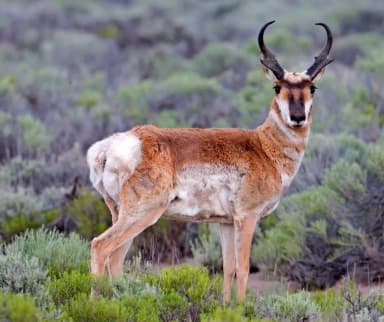
Pronghorn
 Tassilo Rau · CC BY-SA 3.0
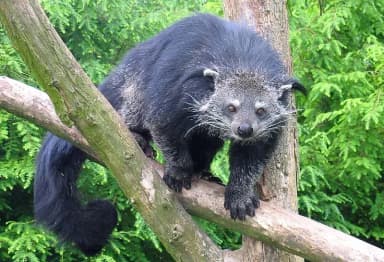
Binturong
 Jack Dykinga · Public domain
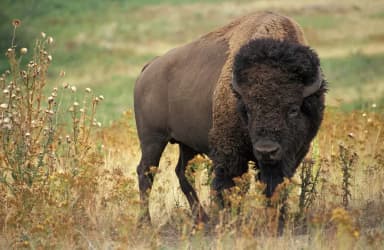
American Bison
 Gerd Eichmann · CC BY-SA 4.0
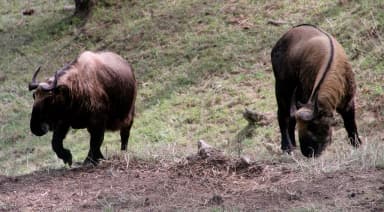
Takin
 Christian Ursilva from Copenhagen, Denmark · CC BY-SA 4.0
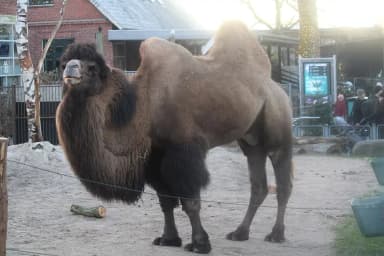
Bactrian Camel
 Yathin S Krishnappa · CC BY-SA 3.0
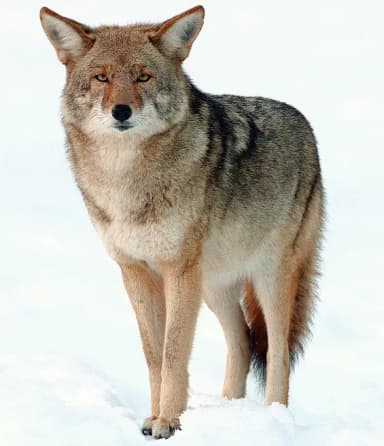
Coyote
 User:Mas3cf · CC BY-SA 4.0
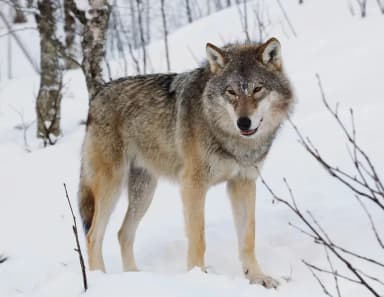
Gray Wolf
 Kuebi = Armin Kübelbeck · CC BY-SA 3.0
Goat
 Wikimedia Commons · CC BY-SA 3.0
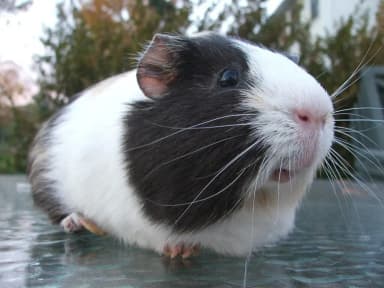
Guinea Pig
Show 24 more mammalsShow fewer mammals
 su neko · CC BY 2.0
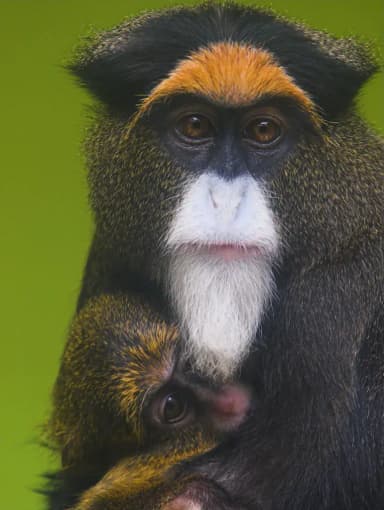
De Brazza's Monkey
 Guérin Nicolas ( messages ) · CC BY-SA 3.0
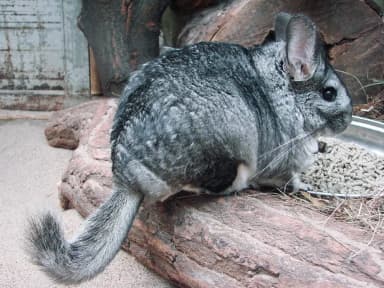
Chinchilla
 Dick Culbert from Gibsons, B.C., Canada · CC BY 2.0
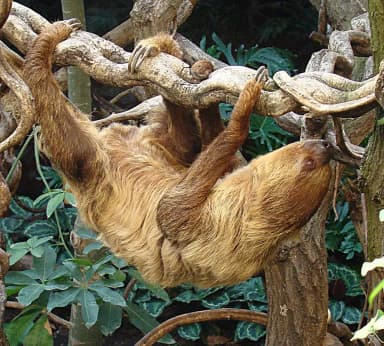
Linnaeus's Two-toed Sloth
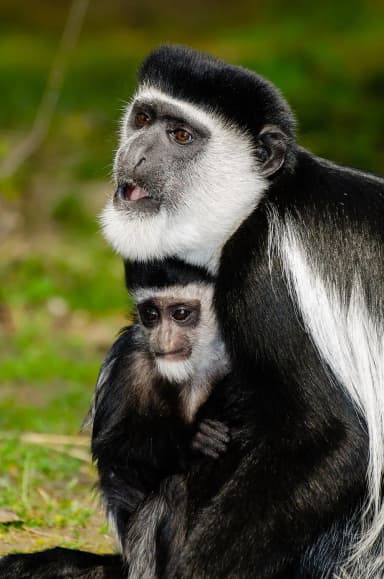 Tuxyso · CC BY-SA 3.0
Black-and-white Colobus
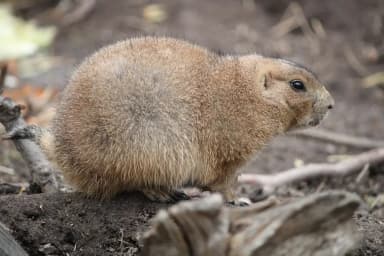 Christian Ursilva from København, Danmark · CC BY-SA 4.0
Black-tailed Prairie Dog
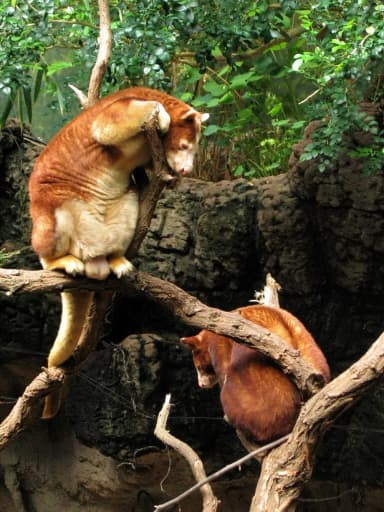 Postdlf · CC BY-SA 3.0
Matschie's Tree Kangaroo
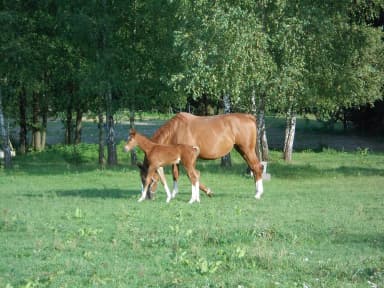 Peter.shaman · CC BY-SA 4.0
Horse
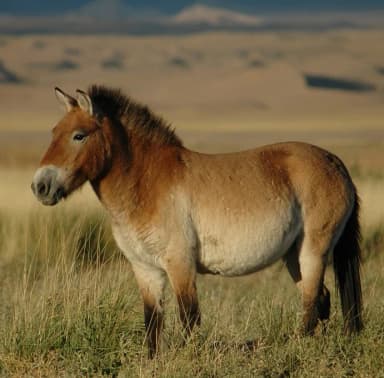 Claudia Feh · CC BY-SA 4.0
Przewalski's Horse
 Wikimedia Commons · Public domain
North American Porcupine
 Esquilo · CC BY-SA 3.0
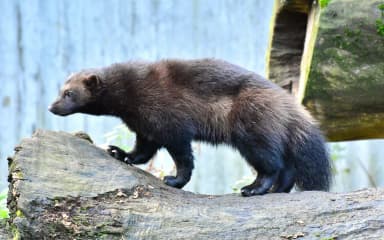
Wolverine
 Charles J. Sharp · CC BY-SA 4.0
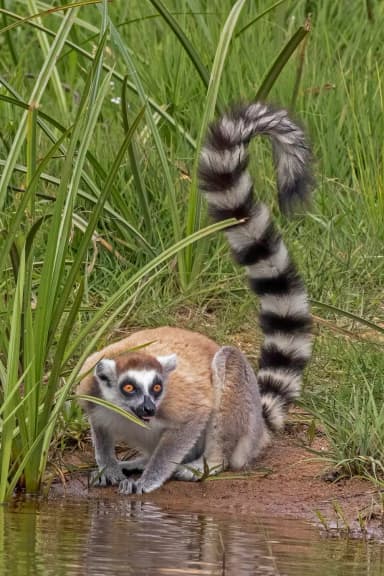
Ring-tailed Lemur
 Daderot · CC0
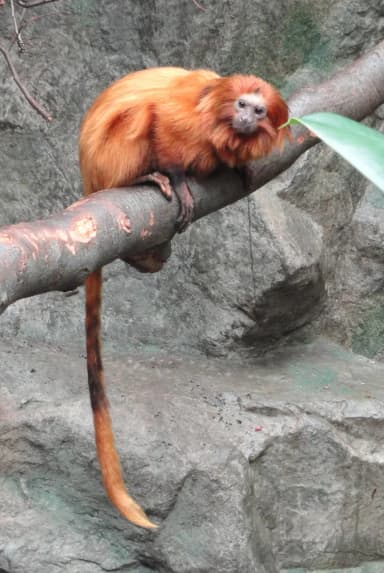
Golden Lion Tamarin
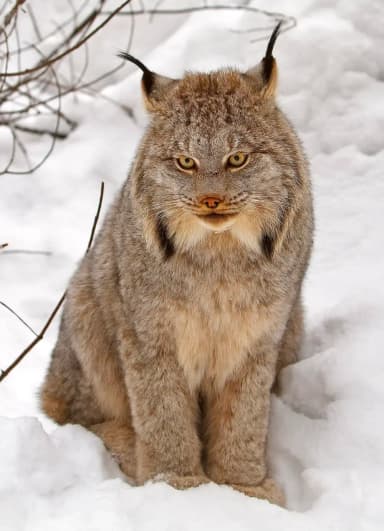 Michael Zahra · CC BY-SA 3.0
Canada Lynx
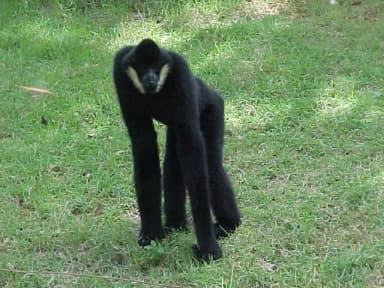 Hasekamp at Dutch Wikipedia · CC BY-SA 3.0
White-cheeked Gibbon
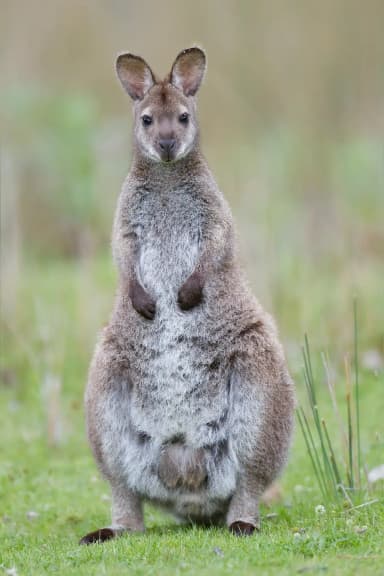 Noodle snacks ( https://www.jjharrison.com.au/)Bennett's Wallaby) · CC BY-SA 3.0
Bennett's Wallaby
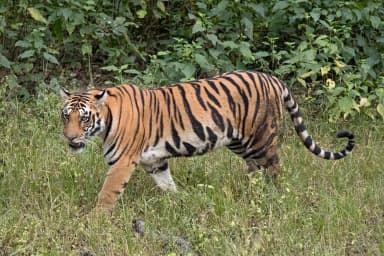 Charles J. Sharp · CC BY-SA 4.0
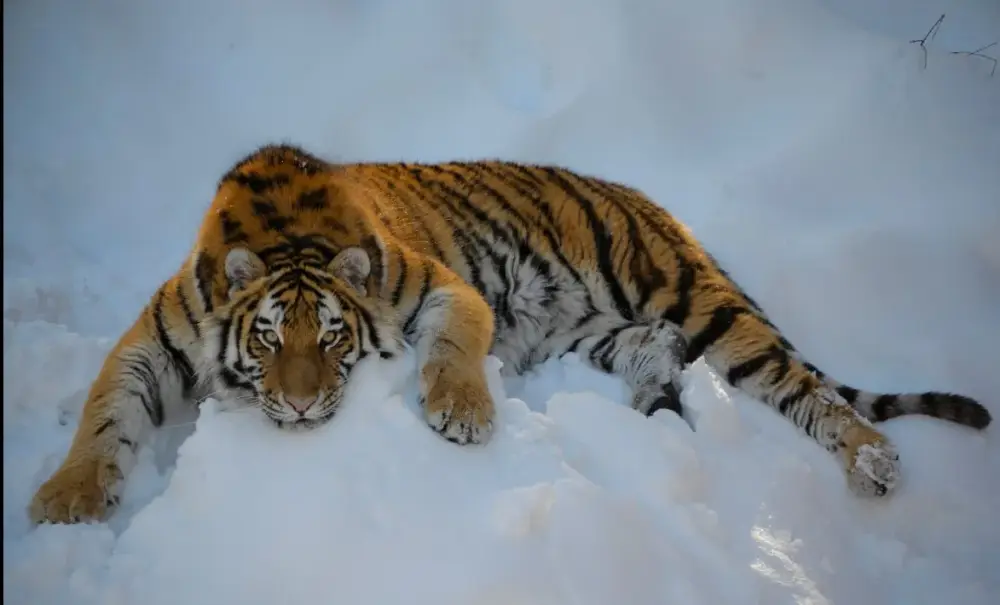
Amur tiger
 Rhododendrites · CC BY-SA 4.0
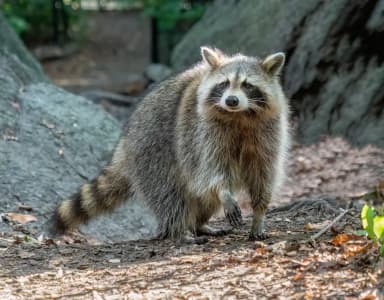
Raccoon
 National Park Service · Public domain
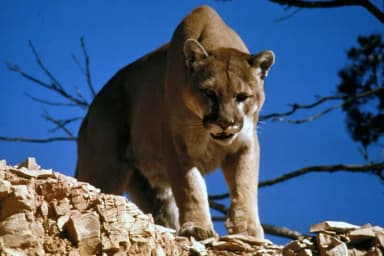
Cougar
 Sheila1988 · CC BY-SA 4.0
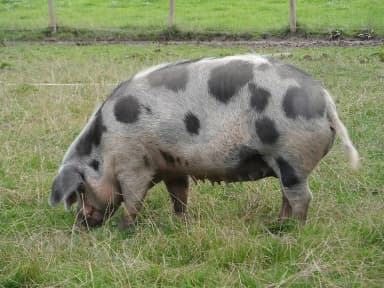
Pig
 Rufus46 · CC BY-SA 3.0
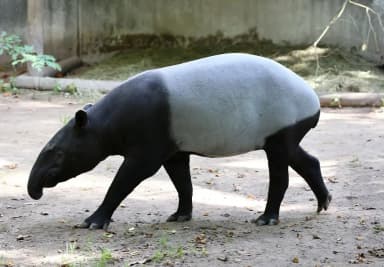
Malayan Tapir
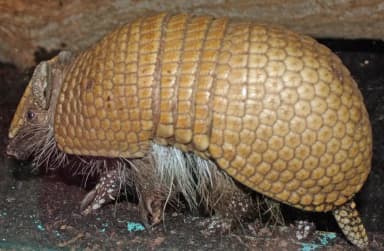 SouthernThreeBandedArmadillo065.jpg : Ltshears derivative work: WolfmanSF ( talk ) · CC BY-SA 3.0
Three-banded Armadillo
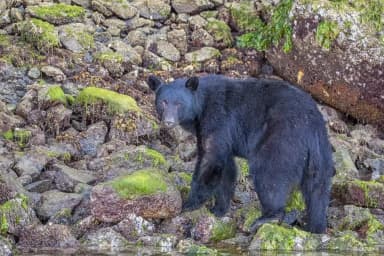 Charles J. Sharp · CC BY-SA 4.0
American Black Bear
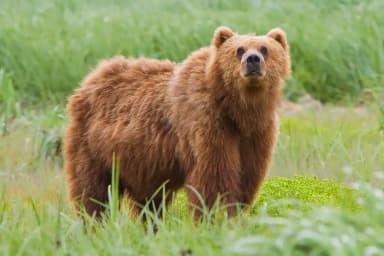 Yathin S Krishnappa · CC BY-SA 3.0
Brown Bear
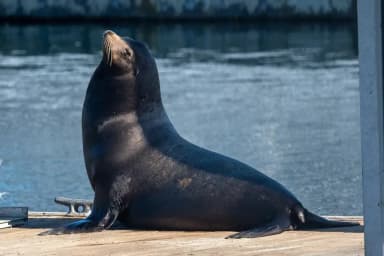 (c) Jonathan Eisen, some rights reserved (CC BY) · CC BY 4.0
California Sea Lion
Birds16
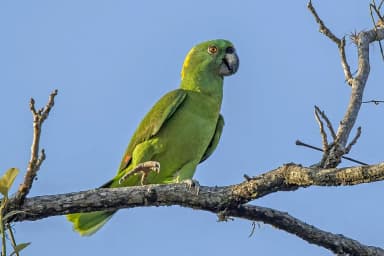 Charles J. Sharp · CC BY-SA 4.0
Yellow-naped Amazon
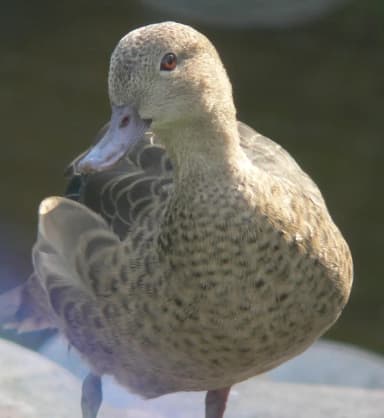 Wikimedia Commons contributor · CC BY-SA 3.0
Madagascar Teal
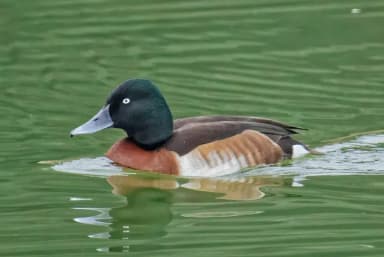 Sun Jiao (Interaccoonale) · CC BY 4.0
Baer's Pochard
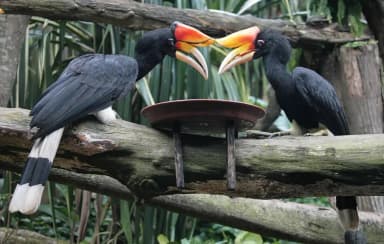 JP Bennett from Yamato, Japan · CC BY 2.0
Rhinoceros Hornbill
 Jakub Fryš · CC BY-SA 4.0
Trumpeter Swan
 Andrei Niemimäki from Turku, Finland · CC BY-SA 2.0
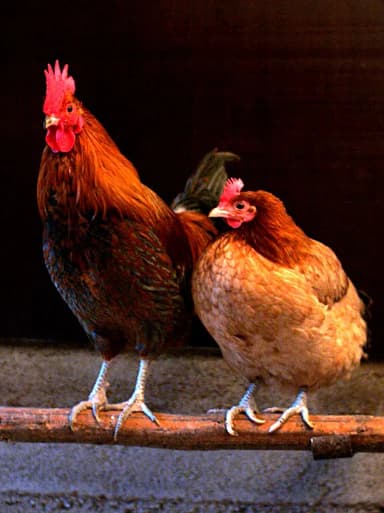
Chicken
 Jörg Hempel · CC BY-SA 3.0 de
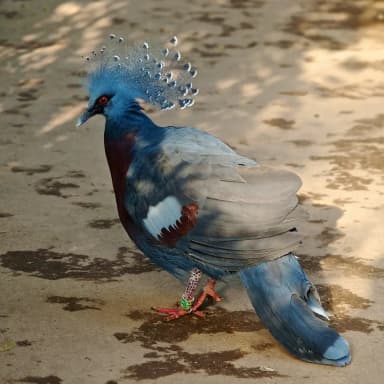
Victoria Crowned Pigeon
 Alastair Rae from London, United Kingdom · CC BY-SA 2.0
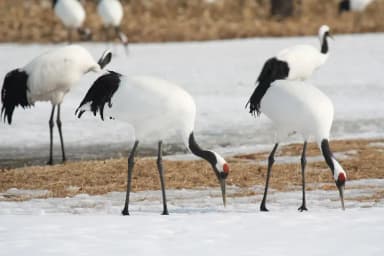
Red-crowned Crane
 Andy Morffew from Itchen Abbas, Hampshire, UK · CC BY 2.0
Bald Eagle
 JJ Harrison · CC BY-SA 3.0
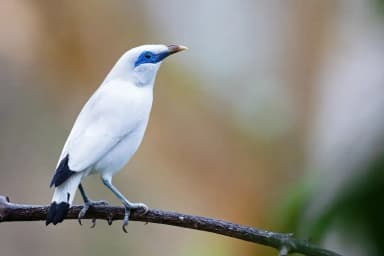
Bali Myna
 Sumita Roy Dutta · CC BY-SA 4.0
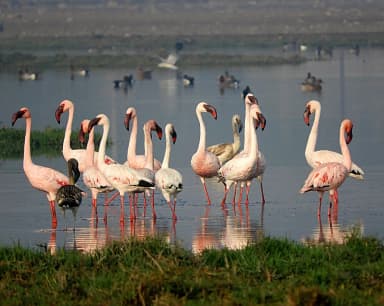
Lesser Flamingo
 Matti Blume · CC BY-SA 4.0
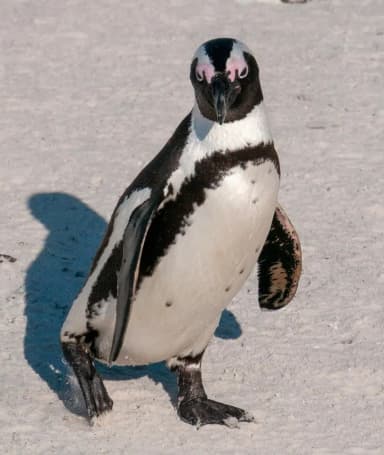
African penguin
Reptiles4
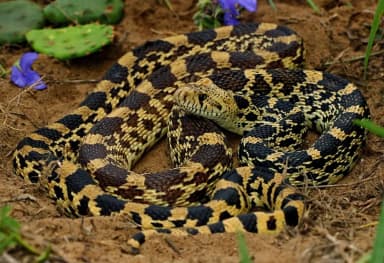
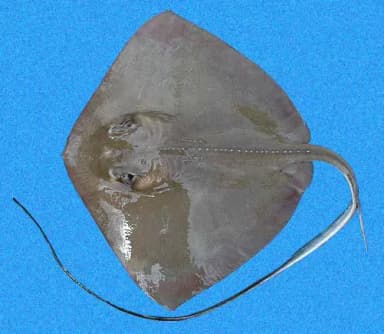
Invertebrates2
Feathers & Fangs from visitors
What people who've been to Minnesota Zoo say
A Feather is something this zoo does well; a Fang is something it gets wrong. Left by people who've been, and read by us before they appear.
Loading…
About Minnesota Zoo
The Minnesota Zoo, formerly the Minnesota Zoological Garden, is an AZA-accredited zoo at 13000 Zoo Blvd in Apple Valley, Minnesota. It is one of only two state-supported zoos in the country, alongside the North Carolina Zoo, and operates as a Minnesota state agency rather than under a municipality or private organization, unlike most other zoos in the state and nationally. The zoo charges admission and sells annual memberships, and its grounds also house a high school, the School of Environmental Studies.
The zoo opened on May 22, 1978, and was considered revolutionary in its exhibit design at the time: built in a suburbanizing rural area with more room to work with, it was one of the first zoos to organize its animals by living environment rather than by species. That organizing principle still shapes the zoo today, which is arranged into six themed areas, including three walking trails ranging from about one to two miles.
History
The zoo's original layout, centered on the Medtronic Minnesota Trail, remained largely unchanged from its 1978 opening until a year-long renovation reopened it in 2007 with a "north woods" look. That renovation earned the zoo the Association of Zoos and Aquariums' 2008 Significant Achievement Award. Russia's Grizzly Coast, a $23 million, 2.5-acre exhibit themed around Russia's Pacific coast, opened in June 2008 as the most expensive project in the zoo's history at that point. The 3M Penguins of the African Coast exhibit premiered on July 9, 2011.
The zoo's muskox exhibit, part of the Northern Trail since opening, ended in 2021 after the breeding program was discontinued around 2011 due to the warming climate affecting the animals' health in summer; the last two muskoxen were euthanized in April 2021. More recently, the zoo has been undergoing phased waterfront construction affecting areas near the Macaque habitat, Upper Plaza, and other waterfront zones, with macaques temporarily moved off habitat during the work.
Exhibits and habitats
The Medtronic Minnesota Trail is a quarter-mile walk through more than fifteen exhibits featuring animals native to Minnesota, including American black bear, gray wolf, coyote, puma, Canada lynx, wolverine, North American beaver, and North American river otter, along with turtles, frogs, and salamanders displayed in a lodge-styled "trailhead" area.
The Northern Trail, three-quarters of a mile long, covers animals found north of the 45th parallel, including American bison, Amur tiger, Bactrian camel, red panda, Przewalski's horse, red-crowned crane, tufted deer, and Sichuan takin; it can also be viewed from the Treetop Trail, a converted section of the zoo's former monorail track that rises up to 32 feet into the tree canopy.
The Tropics Trail is an indoor trail built to evoke a tropical rainforest, home to species including Komodo dragon, Malayan tapir, golden lion tamarin, De Brazza's monkey, Bali myna, ring-tailed lemur, and Victoria crowned pigeon. Discovery Bay holds a combined 1.1 million gallons of water across several aquariums, with an interactive estuary and tide pool where guests can touch sharks, rays, sea stars, and sea anemones; animals here include California sea lion, sand tiger shark, Hawaiian monk seal, and leafy and weedy seadragons. A Wyland mural, "Our Ocean Family," was dedicated at the Tropics building entrance in 1997.
Russia's Grizzly Coast recreates habitats from Russia's Far East for sea otters, brown bears, Amur leopards, and wild boar. The seasonal Wells Fargo Family Farm, which opened in May 2000, lets visitors interact with goats, sheep, pigs, cows, chickens, and horses, and hosts a "Farm Babies" event each spring before closing for the fall. Near the entrance, an exhibit houses Japanese macaques, and an outdoor amphitheater hosts summer bird shows and an after-hours "Music in the Zoo" concert series. A conservation-themed carousel with 56 animal figures from around the world operates near the Northern Trail.
Animal highlights
At least 68 species are listed on the zoo's website. Native Minnesota wildlife on the Medtronic Minnesota Trail includes American black bear, gray wolf, coyote, North American porcupine, and Canada lynx. The Northern Trail adds larger animals such as American bison, Amur tiger, moose, pronghorn, Przewalski's horse, and red panda, while the indoor Tropics Trail houses Komodo dragon, Amur leopard-region species, De Brazza's monkey, golden lion tamarin, and a range of tropical birds including Bali myna and Victoria crowned pigeon.
Discovery Bay's aquatic collection includes California sea lion, Hawaiian monk seal, sand tiger shark, leopard shark, and southern stingray, while Russia's Grizzly Coast houses brown bear, Amur leopard, and sea otter. The Wells Fargo Family Farm rounds out the collection with domestic animals including goats, sheep, pigs, cows, chickens, and horses.
Conservation and programs
The Minnesota Zoo describes conservation as central to its mission, both through on-site programs and international partnerships. It runs a Pollinator Conservation Initiative, works on restoring freshwater mussels, and supports conservation of freshwater turtles, alongside broader conservation work carried out around the world. The zoo also positions its education and membership programs as part of that mission, framing visitor support as directly tied to its conservation and research efforts.
Planning your visit
As listed on the zoo's website, the zoo is open from 10 a.m. to 4 p.m., with members granted early access starting at 9 a.m. Online tickets are required for entry and can be purchased in advance or on the day of a visit; a parking fee applies for non-member ticket purchasers, paid at the time of ticket purchase.
The Treetop Trail is included with general admission and closes 30 minutes before the zoo closes each day, opening later during colder months to allow for snow removal. Play areas including the Bee Hive, Dino Hideout, Woodland Adventure, and a splash pad are seasonal. Food service is available through the Call of the Wild Food Court, open daily from 10 a.m. to 3 p.m., along with the Penguin Café. Strollers rent for $12 (single) or $18 (double) per day, electric conveyance vehicles for $40 per day, and manual wheelchairs are free, all on a first-come, first-served basis with photo ID held as deposit. The zoo is serviced by Minnesota Valley Transit Authority's Route 440 bus line on weekdays. Because tickets, construction zones, and seasonal offerings change, visitors should confirm current details on the zoo's official website before visiting.
What we haven't confirmed
Everything above came from public sources. These specifics we haven't stood behind yet:
- Total zoo acreage
- Total animal count
- Annual visitor numbers
- Time typically needed for a full visit
- General phone number beyond the ticketing line
Minnesota Zoo compared with nearby zoos
How Minnesota Zoo lines up against the closest zoos we have details for — useful if you're deciding between them for the same day out.
| Zoo | Distance | Admission | Hours | Size | AZA |
|---|---|---|---|---|---|
| Minnesota ZooThis zooApple Valley, MN | — | $25.95 | 10am – 4pm | — | Yes |
| Como Park Zoo and ConservatorySaint Paul, MN | 15 mi | Free | 10AM – 4PM | — | Yes |
| Zollman Zoonear Byron, MN | 54 mi | Free | Zoo & Nature Center daily 10:00 AM – 4:00 PM, year-round. Closed New Year's Day, Easter, Thanksgiving, Christmas Eve, Christmas Day. | — | No |
| Irvine Park ZooChippewa Falls, WI | 89 mi | — | — | 318 acres | No |
Distances are straight-line. A dash means we haven't confirmed that detail yet, not that the zoo lacks it.
AZAThe Association of Zoos and Aquariums. Accredited members have passed an independent inspection of animal care and welfare, safety, conservation and education, repeated every five years. Many smaller facilities never apply, so “not accredited” isn't a verdict on its own. What accreditation means · How we check this
Minnesota Zoo: common questions
Is the Minnesota Zoo accredited?
Yes, it is accredited by the Association of Zoos and Aquariums.
Is the Minnesota Zoo run differently from other zoos?
Yes. It operates as a Minnesota state agency, one of only two state-supported zoos in the country along with the North Carolina Zoo.
When did the Minnesota Zoo open?
It opened on May 22, 1978.
What animals can visitors see?
The zoo's six themed areas include native Minnesota wildlife like wolves and black bears, northern species such as Amur tigers and red pandas, tropical animals like Komodo dragons, and marine life including sea lions and sharks at Discovery Bay.
Do I need a ticket in advance?
Yes, online tickets are required for entry and can be bought ahead of time or on the day of the visit.
Is there parking?
Yes, though non-member ticket purchasers must pay a parking fee at the time of ticket purchase.
Are strollers and wheelchairs available?
Yes. Strollers and electric scooters can be rented for a fee, and manual wheelchairs are available free of charge, all first-come, first-served.
Something wrong here? Tell us — we correct in place, with a dated note.