
- Admission
- Free
- Size
- 12 acres
- Animals
- 100
- Opened
- 1954
- Accreditation
- None listed
not accredited by the Association of Zoos and Aquariums
Everything below is directory information drawn from public sources and the zoo's own site.
Animals at Salisbury Zoo
50 confirmedMammals16
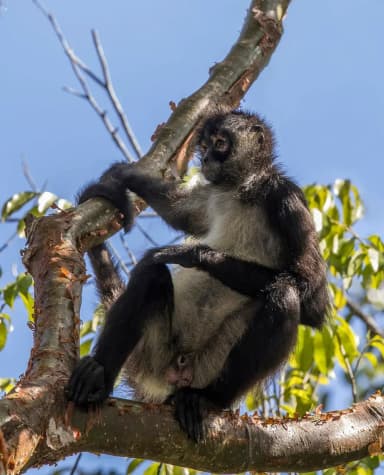 Charles J. Sharp · CC BY-SA 4.0
Black-handed Spider Monkey
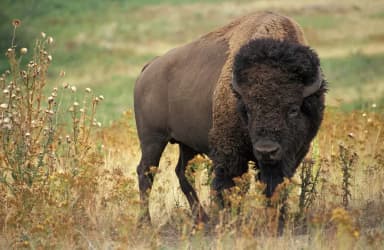 Jack Dykinga · Public domain
American Bison
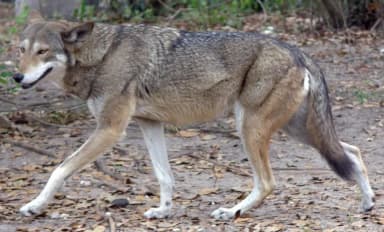 LaggedOnUser · CC BY-SA 2.0
Red Wolf
 Kuebi = Armin Kübelbeck · CC BY-SA 3.0
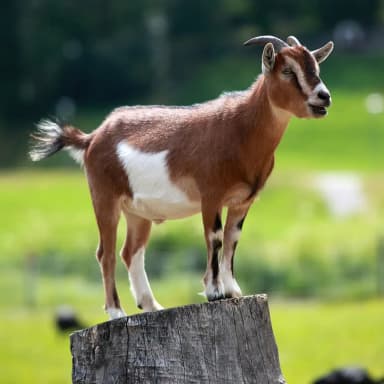
Nigerian Dwarf Goat
 Steve from Washington, DC, USA · CC BY-SA 2.0
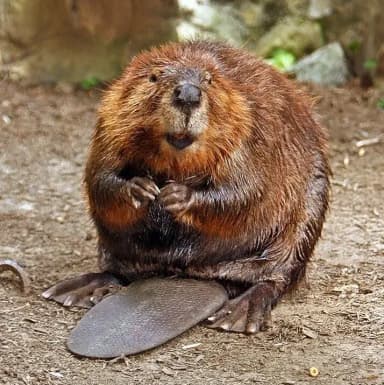
American Beaver
 Dave Pape · Public domain
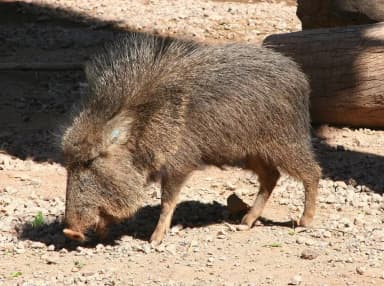
Chacoan Peccary
 Guérin Nicolas ( messages ) · CC BY-SA 3.0
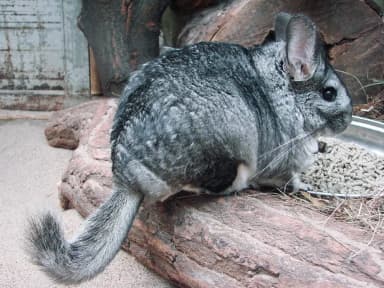
Chinchilla
 Christian Ursilva from København, Danmark · CC BY-SA 4.0
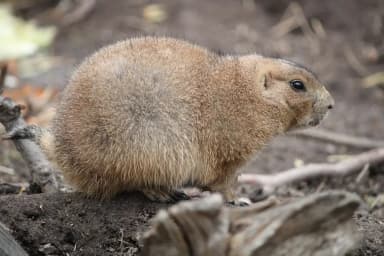
Black-tailed Prairie Dog
 Giles Laurent · CC BY-SA 4.0
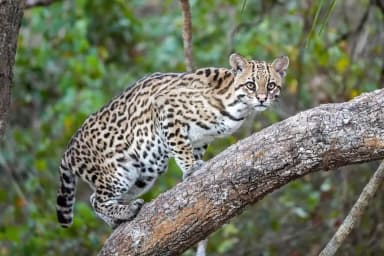
Ocelot
 Michael Zahra · CC BY-SA 3.0
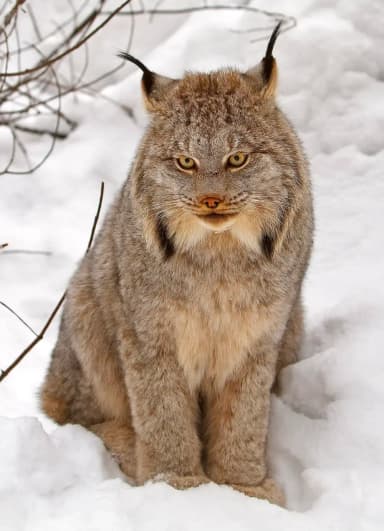
Canada Lynx
 Noodle snacks ( https://www.jjharrison.com.au/)Bennett's Wallaby) · CC BY-SA 3.0
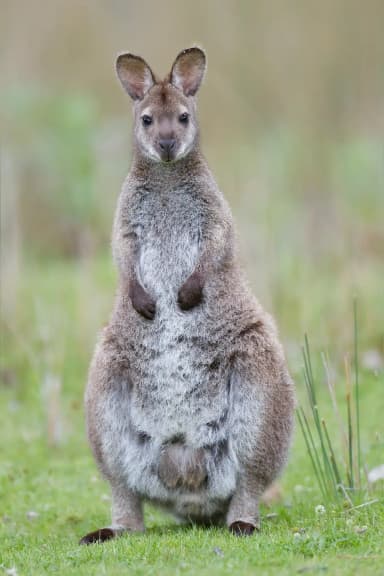
Bennett's Wallaby
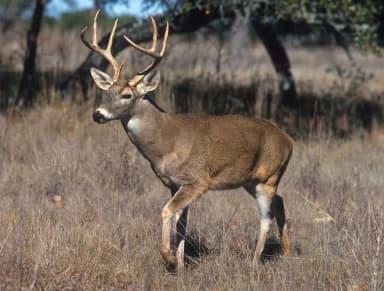 USDA photo by Scott Bauer · Public domain
White-tailed Deer
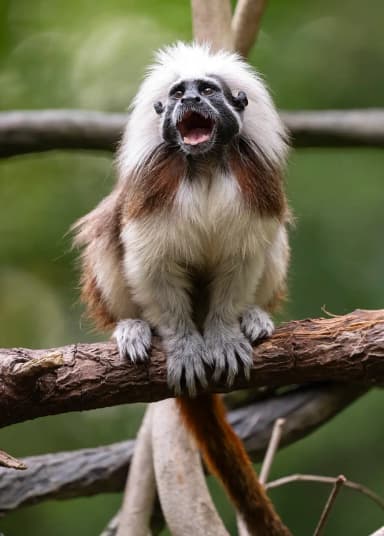 Chensiyuan · CC BY-SA 4.0
Cotton-top Tamarin
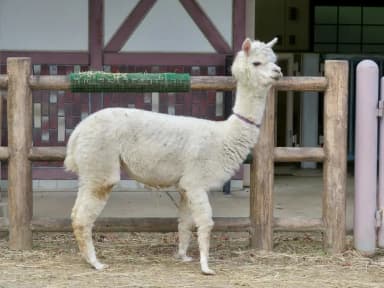 KKPCW · CC BY-SA 4.0
Alpaca
Birds23
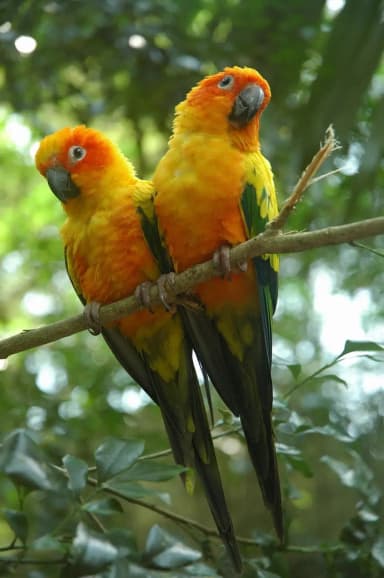 Wayne Deeker · CC BY 3.0
Sun Conure
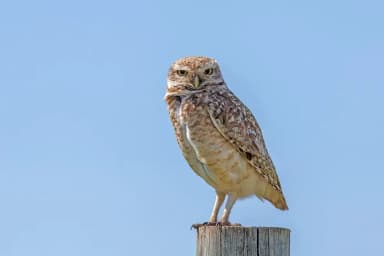 Charles J. Sharp · CC BY-SA 4.0
Burrowing Owl
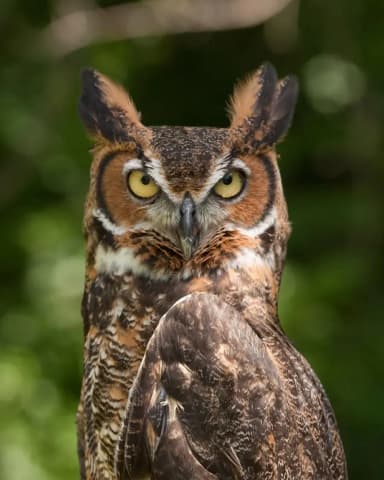 Greg Hume · CC BY-SA 3.0
Great Horned Owl
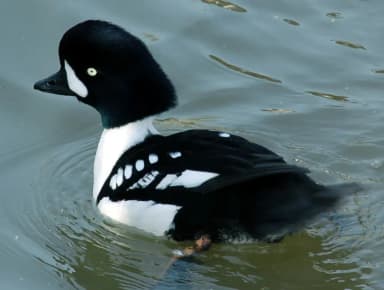 Wikimedia Commons · Public domain
Barrow's Goldeneye
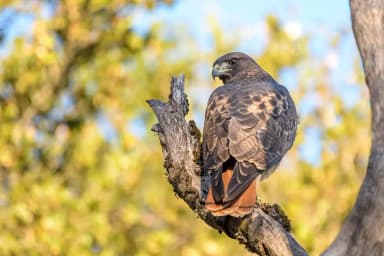 Becky Matsubara from El Sobrante, California · CC BY 2.0
Red-tailed Hawk
 Wikimedia Commons · CC BY-SA 3.0
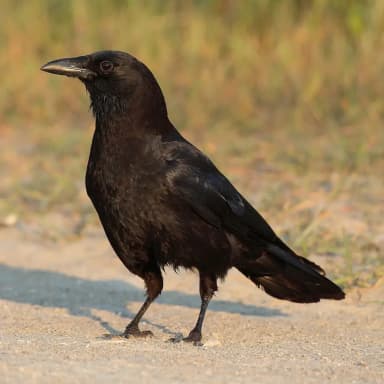
American Crow
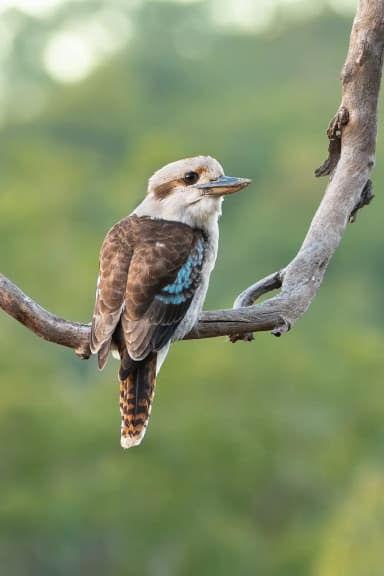 Photo by: Paulweberphoto - paulweberphoto.com · CC BY 4.0
Laughing Kookaburra
 Polinova · CC BY-SA 4.0
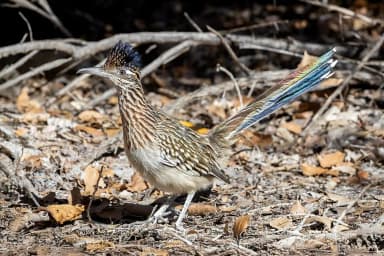
Roadrunner
 Andy Morffew from Itchen Abbas, Hampshire, UK · CC BY 2.0
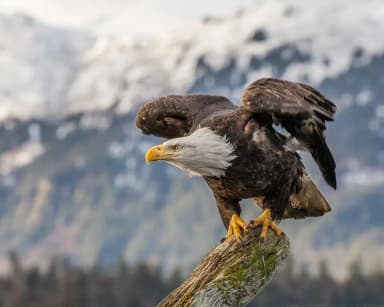
Bald Eagle
 ramidos · CC BY 4.0
Black-crowned Night Heron
 JeffreyGammon · CC BY 4.0
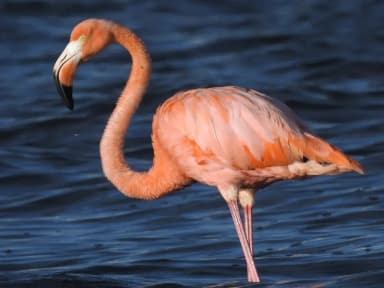
Caribbean Flamingo
 JJ Harrison ( https://www.jjharrison.com.au/ ) · CC BY-SA 4.0
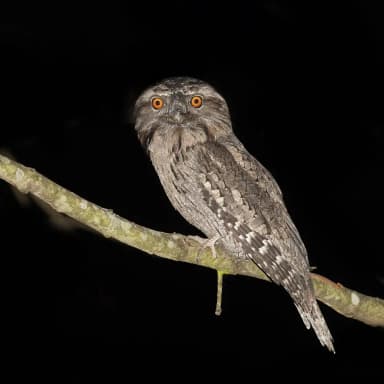
Tawny Frogmouth
 Jim Capaldi from Springfield, USA · CC BY 2.0
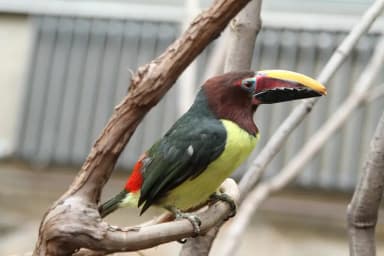
Green Aracari
 Dick Daniels · CC BY-SA 3.0
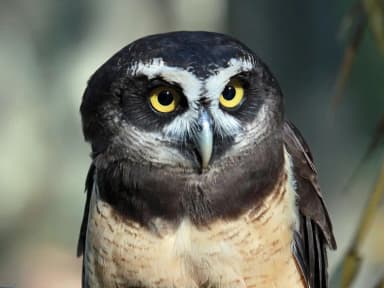
Spectacled Owl
 Rufus46 · CC BY-SA 3.0
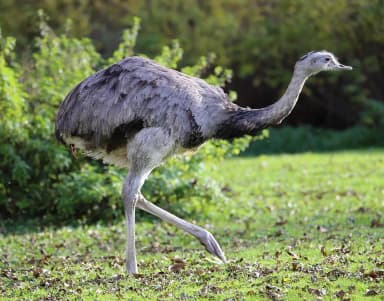
Greater Rhea
 Mdf · CC BY-SA 3.0
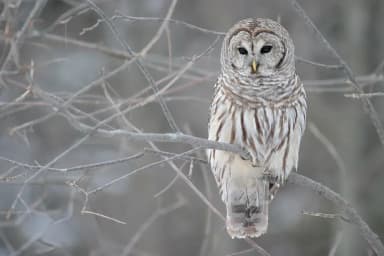
Barred Owl
 Charles J. Sharp · CC BY-SA 4.0
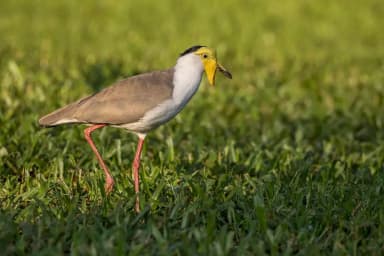
Masked Lapwing
Feathers & Fangs from visitors
What people who've been to Salisbury Zoo say
A Feather is something this zoo does well; a Fang is something it gets wrong. Left by people who've been, and read by us before they appear.
Loading…
About Salisbury Zoo
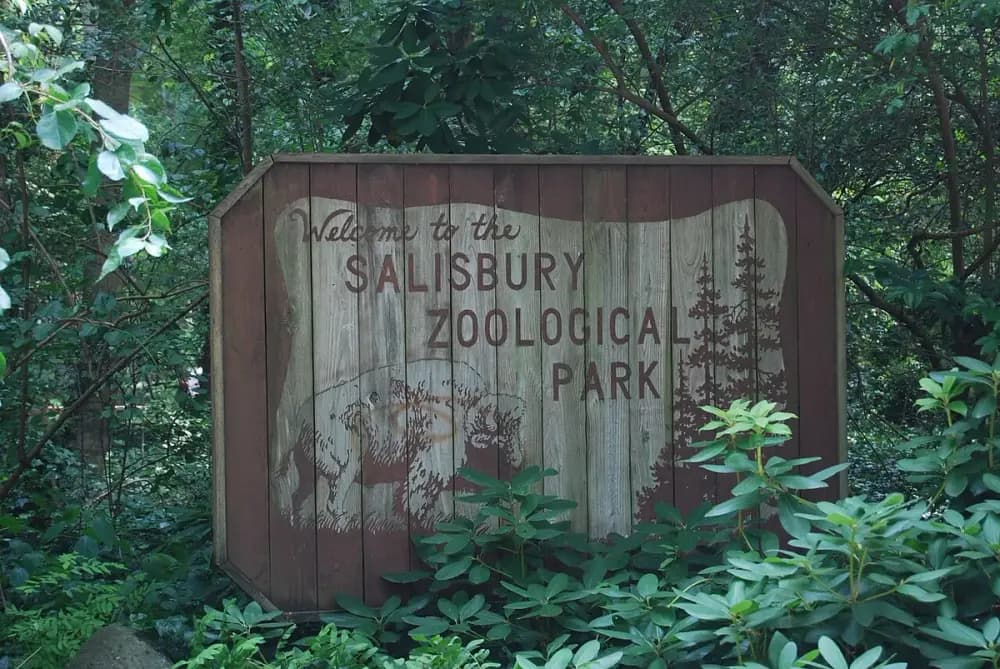
The Salisbury Zoological Park, generally known as the Salisbury Zoo, is a 12-acre zoo set inside Salisbury's City Park on the Delmarva Peninsula in Maryland. The zoo focuses mainly on species native to North America, South America and Australia, and its collection of more than 100 animals includes wallabies, flamingos, bison, an ocelot, a red wolf, two-toed sloths, alpacas, turtles, macaws and rescued birds of prey. Admission and parking are both free.
The zoo is run by a nine-member Salisbury Zoo Commission, appointed by the mayor and confirmed by the city council, and is funded by the commission, the City of Salisbury and the nonprofit Delmarva Zoological Society. The zoo lost its AZA accreditation in 2020 and, as of 2024, had planned facility improvements aimed at regaining it. Paved pathways and ramped boardwalks run throughout the grounds, and the zoo describes its layout as accessible to guests of all ages, with ADA-compliant restrooms and family amenities such as changing tables.
History
Long before it was a zoo, the site was a marshy area flooded by a dam that created Humphrey's Pond. The City of Salisbury purchased the surrounding 168-acre property in 1926, chiefly for its water supply, and set up a Salisbury Park Commission to build a public park there; the octagonal bandstand and arched foot bridge on the park's west end date to the early 1930s, with the "Holly Circle" built by Civil Works Administration employees in 1933.
In the early 1950s, unwanted wild animals began turning up in Salisbury Municipal Park, and city Public Works employees started caring for them in makeshift cages. A bottle-fed white-tailed deer fawn was among the first, followed soon after by a donated black bear; further donations from residents of Maryland, Delaware and Virginia brought skunks, raccoons, turkeys, owls, peacocks, rabbits, goats, monkeys, ocelots and dingoes. The growing collection led the city to hire its first zookeeper in 1954, marking the Zoo's formal start. Bison and llamas joined the collection over the following decade.
The Salisbury Zoo Commission was established in 1967 to guide the park's development, and the zoo hired its first professional director in 1970. In 1972, a local car dealership donated a baby elephant from Thailand named Ollie, who was later transferred to the National Zoo for more space; two female and one male Andean bear arrived around the same period. The Friends of the Salisbury Zoo formed in 1977 to support fundraising, and the 1980s brought new exhibits for spider monkeys, ocelots, sloths and waterfowl. The Eastern Shore Builders Association Education Center opened in 1994, and in 2007 the zoo built the Richard and Patricia Hazel Delmarva Trail, home to red wolves, beavers, turkeys, white-tailed deer, wood ducks and bison; red wolves were acquired that same year, and the zoo has since taken part in the Red Wolf Species Survival Plan. The Delmarva Zoological Society was established in 2009 to help fund further improvements, launching the Renew the Zoo capital campaign and the annual Just Zoo It school fundraiser; that broader campaign raised nearly $3 million for an animal health clinic, a new Environmental Center and an Australian-animal exhibit.
Exhibits and habitats
Salisbury Zoo's collection centers on the Americas and Australia, with naturalistic habitats built around a tributary of the Wicomico River. The William E. Morgan Conservation Center houses the zoo's reptiles and amphibians, and the Richard and Patricia Hazel Delmarva Trail brings together red wolves, beavers, turkeys, white-tailed deer, wood ducks and bison in one connected path.
The zoo has been home to Andean, or spectacled, bears since the 1970s — the only bear species native to South America. One of the zoo's early bears, Poopsie, became the oldest Andean bear known in captivity, living to 37 before her death in 2011. Gritto, born in 1991, went on to become the oldest Andean bear known to father a cub, siring Alba in 2015 at age 22; he died in 2015 after a stroke. Alba's mother, Chaska, had cubs Sinchi in 2020 and twins Inti and Raymi in 2022 with a male named Pinocchio, who came to Salisbury from Ecuador. Chaska moved to the Alexandria Zoo in May 2025, and with her departure the zoo's Andean bear habitat sat empty, clearing the way for a larger exhibit under construction with three yards designed to hold one male and three female bears and meet AZA standards.
Just outside the zoo, within the same City Park, Ben's Red Swings is a community playground built in memory of Ben Layton, offering swings, a jungle gym, slides, tunnels and sandboxes along the zoo's west border.
Animal highlights
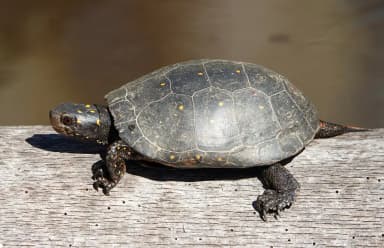
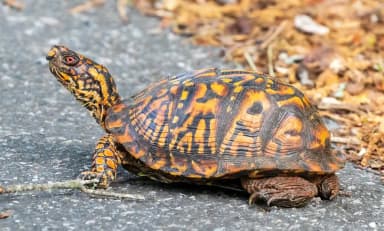
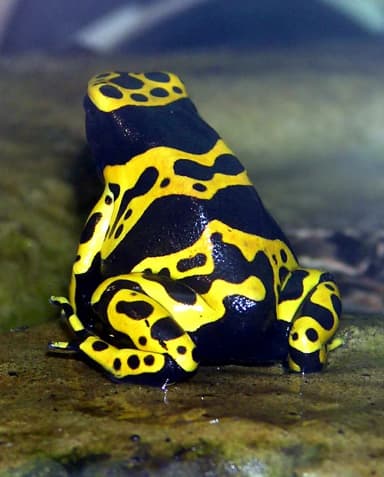
Salisbury Zoo lists at least 50 species on its website, and its own materials describe a total collection of more than 100 animals. Notable residents named in the zoo's materials include red wolves, an ocelot (currently a male named Dale), Andean bears, American bison, American flamingos, red-necked wallabies, chacoan peccaries, Canada lynx, black-tailed prairie dogs, alpacas and a range of owls and birds of prey, along with reptiles and amphibians such as the eastern box turtle and yellow-banded poison dart frog housed at the William E. Morgan Conservation Center.
Conservation and programs
Salisbury Zoo runs a series of free Saturday events called Conservation Days, each tied to a species or program the zoo supports. These include participation in the Backyard Bird Count, a global community science project held each February; an Ocelot SAFE Day tied to the AZA's Saving Animals From Extinction program, which supports ocelot recovery efforts on Texas ranchlands; and a Monarch SAFE Day supporting the zoo's on-site pollinator gardens, developed in partnership with Shore Blooms to plant native flowering species that support bees, butterflies and hummingbirds. The zoo also marks Amphibian Week each May with a sensory-friendly evening event run with Salisbury University's Psychology Department, and hosts a Pollinator Week each June and an owl-focused conservation day each August. The zoo has participated in the Red Wolf Species Survival Plan since acquiring red wolves in 2007.
Planning your visit
As listed on the zoo's website, Salisbury Zoo is open daily from 9 a.m. to 4:30 p.m., closing only on Thanksgiving and Christmas. Both admission and parking are free, with parking lots located at each of the zoo's two entrances; the zoo relies on donations and its supporting nonprofit for much of its funding.
The zoo's paved pathways and ramped boardwalks make most of the grounds accessible, and its restrooms are ADA compliant and equipped with changing tables. Through the Mary Cameron Accessibility Program, the zoo lends a limited number of wheelchairs at no charge on a first-come, first-served basis; guests can call ahead to arrange one and will be asked to leave a driver's license as a security deposit. Salisbury Zoo has been a KultureCity sensory-inclusive certified venue since 2024, and sensory bags with noise-reducing headphones and fidget toys are available at the Main Gate. Pets are not permitted anywhere on zoo grounds, though service animals as defined by the ADA — dogs or miniature horses trained to perform specific tasks — are welcome. The zoo's gift shop is open spring through fall, and seasonal concessions run summer through fall, with restrooms available near the Coati Cafe. School and charter buses have designated unloading and parking areas near the zoo's East Gate entrance. As always, confirm current hours and any closures on the zoo's official website before visiting.
What we haven't confirmed
Everything above came from public sources. These specifics we haven't stood behind yet:
- Recommended time needed for a visit
- Total current animal count broken down by species
- Annual visitor attendance
- General phone number beyond the accessibility line
Salisbury Zoo compared with nearby zoos
How Salisbury Zoo lines up against the closest zoos we have details for — useful if you're deciding between them for the same day out.
| Zoo | Distance | Admission | Hours | Size | AZA |
|---|---|---|---|---|---|
| Salisbury ZooThis zooSalisbury, MD | — | Free | 9 am – 4:30 pm | 12 acres | No |
| Cape May County Park & ZooCape May Court House, NJ | 66 mi | Free | Zoo open daily 10:00 AM – 4:30 PM (Mar 6 – Oct 29, 2026); 10:00 AM – 3:30 PM (Oct 30, 2026 – Mar 11, 2027). Park grounds 7 AM – dusk. Closed Christmas Day. | 85 acres | Yes |
| Cohanzick ZooBridgeton, NJ | 77 mi | Free | Open every day. Fall & Winter: 9:00 AM – 4:00 PM; Spring & Summer: 9:00 AM – 5:00 PM. Closed Christmas Day; select holidays and inclement weather. | — | No |
| The Maryland Zoo in BaltimoreBaltimore, MD | 88 mi | $33 | 10:00AM – 4:00PM | 160.6 acres | Yes |
Distances are straight-line. A dash means we haven't confirmed that detail yet, not that the zoo lacks it.
AZAThe Association of Zoos and Aquariums. Accredited members have passed an independent inspection of animal care and welfare, safety, conservation and education, repeated every five years. Many smaller facilities never apply, so “not accredited” isn't a verdict on its own. What accreditation means · How we check this
Salisbury Zoo: common questions
Is Salisbury Zoo accredited by the AZA?
Not currently. The zoo lost its accreditation in 2020 and has been working toward improvements to regain it.
When did Salisbury Zoo open?
The zoo dates to 1954, when the city hired its first zookeeper for animals already gathered in the park.
Is admission free?
Yes, both admission and parking are free.
How big is the zoo?
The zoo covers 12 acres within Salisbury's City Park.
How many species can visitors see?
The zoo lists at least 50 species, with a stated total collection of more than 100 animals.
Is the zoo wheelchair accessible?
Yes. Paved pathways and ramped boardwalks run throughout, and free wheelchairs are available through the Mary Cameron Accessibility Program.
Can I bring my pet to the zoo?
No. Only trained service animals, as defined by the ADA, are permitted.
Something wrong here? Tell us — we correct in place, with a dated note.