

- Admission
- $9–$11
- Size
- 32 acres
- Accreditation
- AZA
varies by season
Association of Zoos and Aquariums
Everything below is directory information drawn from public sources and the zoo's own site.
Animals at Racine Zoo
50 of the ~100 species this zoo listsMammals26
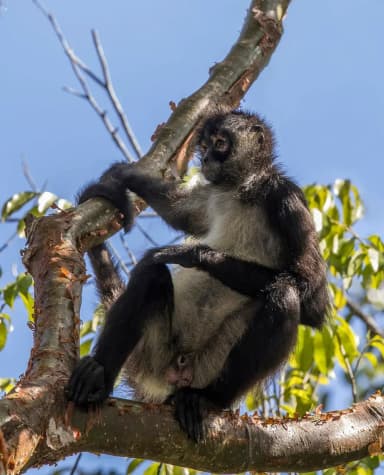 Charles J. Sharp · CC BY-SA 4.0
Black-handed Spider Monkey
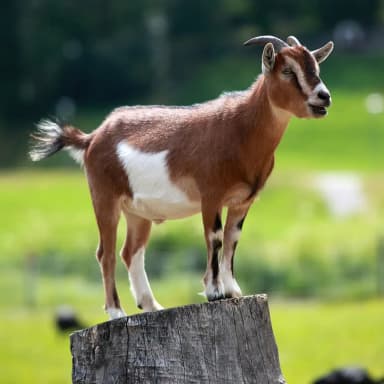 Kuebi = Armin Kübelbeck · CC BY-SA 3.0
Nigerian Dwarf Goat
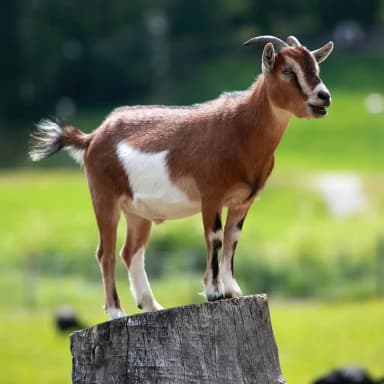 Kuebi = Armin Kübelbeck · CC BY-SA 3.0
Nubian Goat
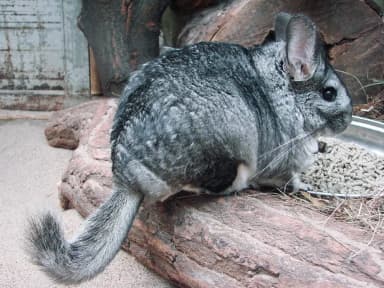 Guérin Nicolas ( messages ) · CC BY-SA 3.0
Chinchilla
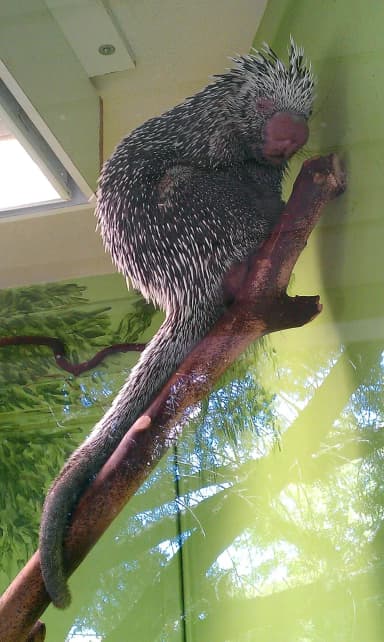 Wikinoobie1 · CC BY-SA 3.0
Prehensile-tailed Porcupine
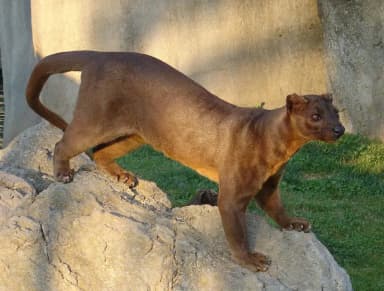 Ran Kirlian · CC BY-SA 4.0
Fossa
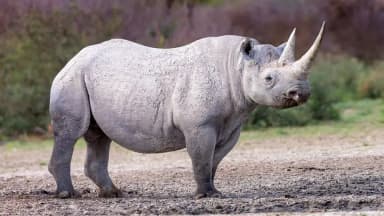 AfricanConservation · CC BY-SA 4.0
Black Rhinoceros
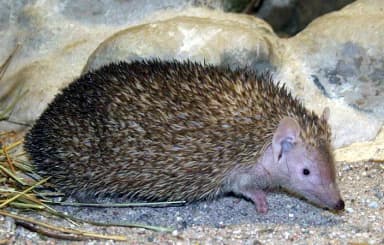 Wilfried Berns www.Tierdoku.com · CC BY-SA 2.0 de
Lesser Hedgehog Tenrec
 Fritz Geller-Grimm · CC BY-SA 2.5
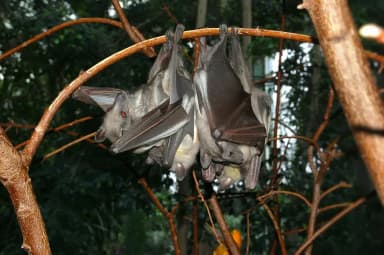
Straw-colored Fruit Bat
 Thomas Fuhrmann · CC BY-SA 4.0
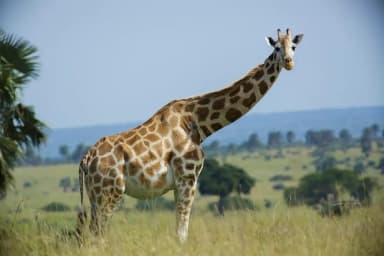
Giraffe
 User:MatthiasKabel · CC BY 2.5
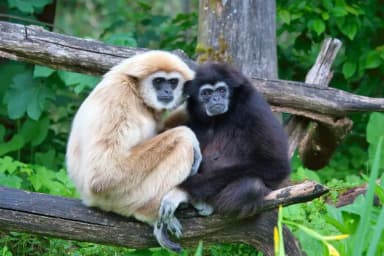
White-handed Gibbon
 Steven Lek · CC BY-SA 4.0
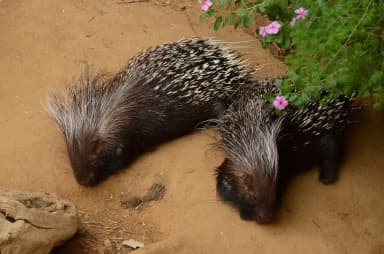
Cape Porcupine
 Michael Zahra · CC BY-SA 3.0
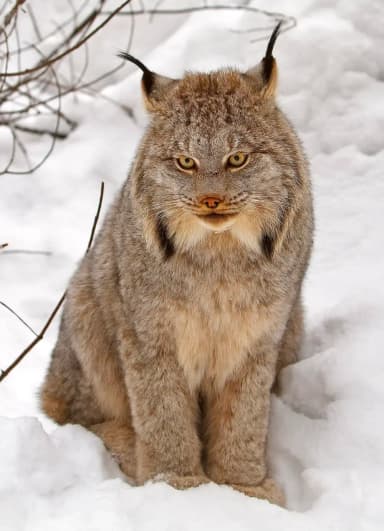
Canada Lynx
 Charles J. Sharp · CC BY-SA 4.0
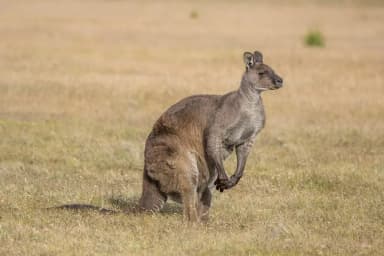
Western Grey Kangaroo
 Alfredo Gutiérrez · CC BY-SA 4.0
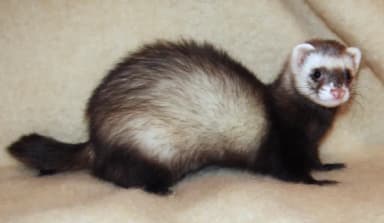
Domestic Ferret
 Giles Laurent · CC BY-SA 4.0
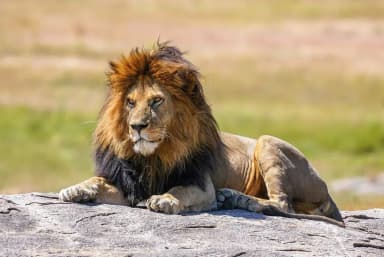
Lion
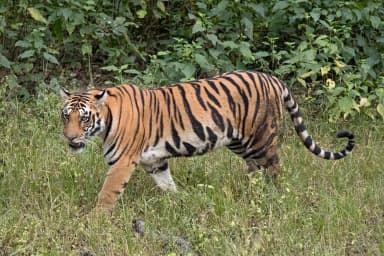 Charles J. Sharp · CC BY-SA 4.0
Amur tiger
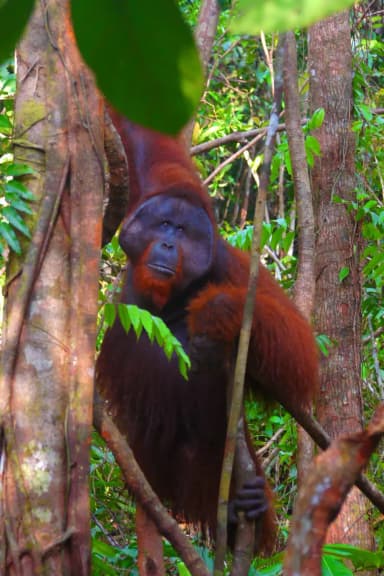 Nanosanchez · CC BY-SA 4.0
Orangutan
 Brocken Inaglory · CC BY-SA 3.0
Emperor Tamarin
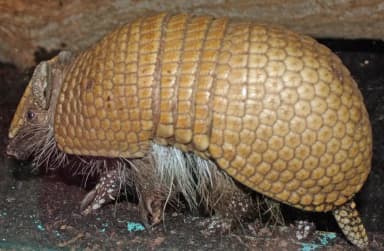 SouthernThreeBandedArmadillo065.jpg : Ltshears derivative work: WolfmanSF ( talk ) · CC BY-SA 3.0
Three-banded Armadillo
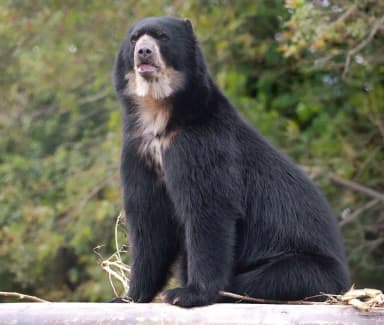 Wilfredor · CC0
Andean Bear
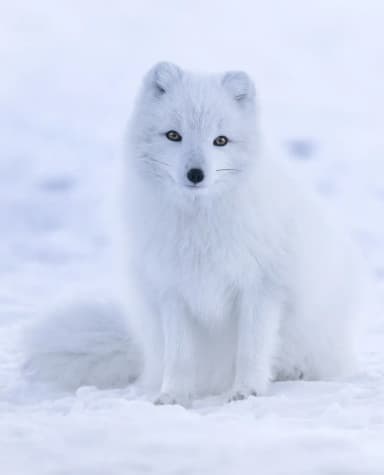 Jonatan Pie ( unsplash.com/@r3dmax ) · CC0
Arctic Fox
Birds10
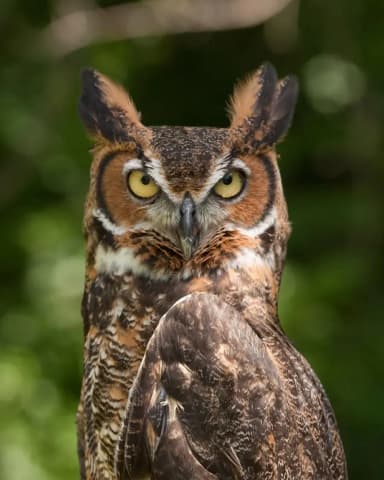 Greg Hume · CC BY-SA 3.0
Great Horned Owl
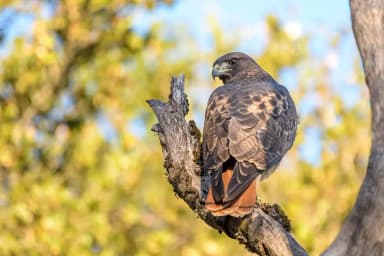 Becky Matsubara from El Sobrante, California · CC BY 2.0
Red-tailed Hawk
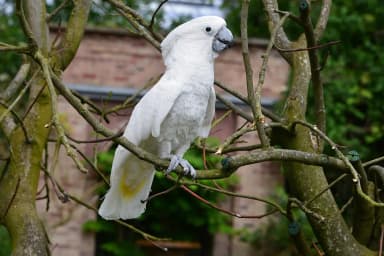 Stephane Mignon from Bruxelles, Belgique (Europe) · CC BY 2.0
Umbrella Cockatoo
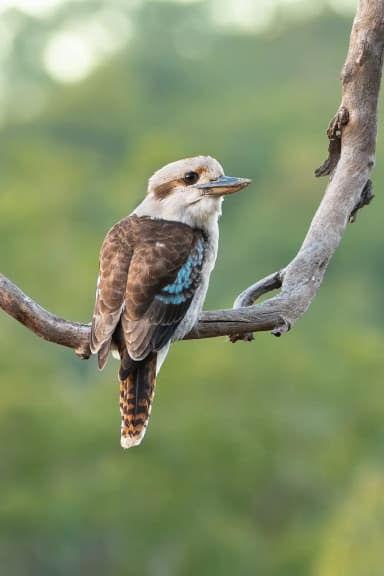 Photo by: Paulweberphoto - paulweberphoto.com · CC BY 4.0
Laughing Kookaburra
 JJ Harrison ( https://www.jjharrison.com.au/ ) · CC BY-SA 4.0
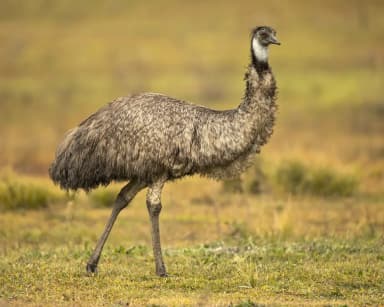
Emu
 Andy Morffew from Itchen Abbas, Hampshire, UK · CC BY 2.0
Bald Eagle
 JJ Harrison ( https://www.jjharrison.com.au/ ) · CC BY-SA 4.0
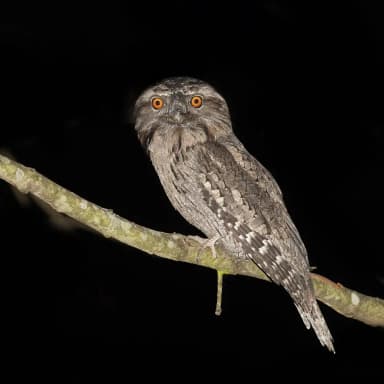
Tawny Frogmouth
 Matti Blume · CC BY-SA 4.0
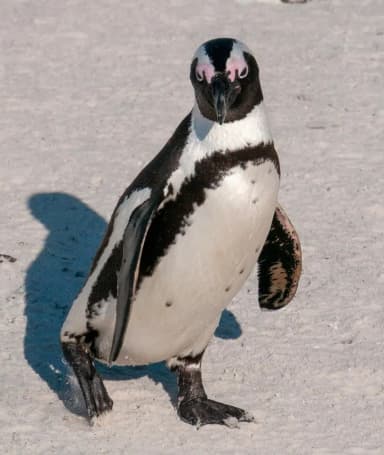
African penguin
Reptiles12
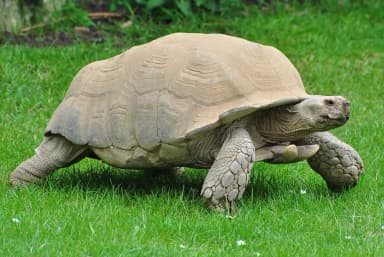 John5199 · CC BY 2.0
African Spurred Tortoise
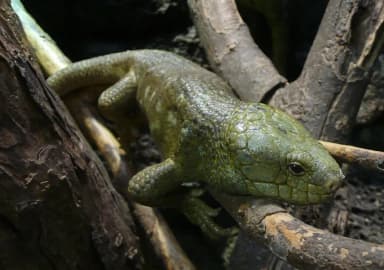 TimVickers · Public domain
Prehensile-tailed Skink
 Andrew C · CC BY 2.0
Blanding's Turtle
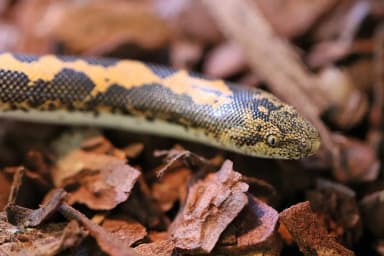 The Reptilarium · CC BY-SA 2.0
Kenyan Sand Boa
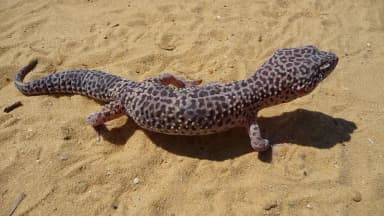 George Chernilevsky · Public domain
Leopard Gecko
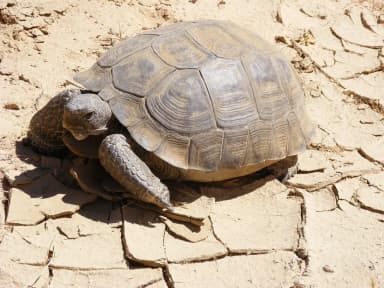 Tigerhawkvok · CC BY-SA 3.0
Desert Tortoise
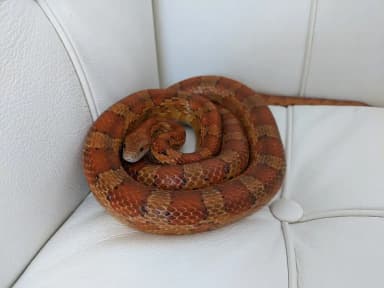 Ethan Porcaro · CC0
Corn Snake
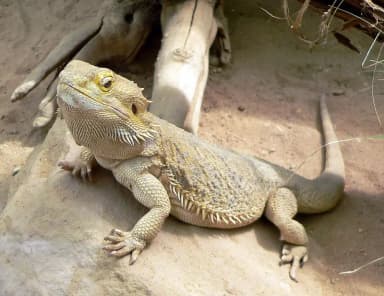 Photograph: Frank C. Müller , Baden-Baden · CC BY-SA 2.5
Bearded Dragon
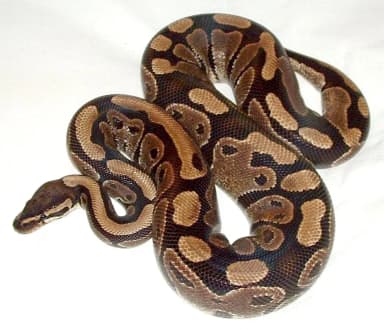 HCA ( talk ) · CC BY-SA 3.0
Ball Python
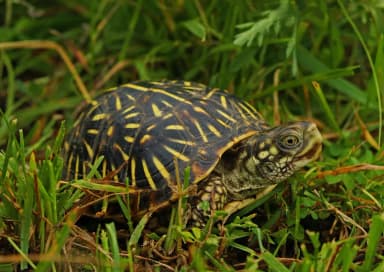 Peter Paplanus · CC BY 2.0
Ornate Box Turtle
Feathers & Fangs from visitors
What people who've been to Racine Zoo say
A Feather is something this zoo does well; a Fang is something it gets wrong. Left by people who've been, and read by us before they appear.
Loading…
About Racine Zoo
Racine Zoo sits on the shore of Lake Michigan in Racine, Wisconsin, at 2131 North Main Street. It is run by the Racine Zoological Society, a 501(c) nonprofit, and covers 32 acres of parkland along the lake. The Zoo is accredited by the Association of Zoos and Aquariums, one of 247 zoos nationwide to hold that status.
The Zoo cares for approximately 75 different species and more than 300 individual animals, drawn from Wisconsin and from around the world. More than 140,000 guests visit each year, and the Zoo maintains a staff of 25 full-time employees, including animal care specialists, administrators, and facility managers. The Society describes its mission as fostering an enlightening and affordable wildlife experience that improves the bond between people and nature, with a stated commitment to recreation and education for visitors, the conservation of wildlife and wild places, and the advancement of science.
The grounds are laid out for an easy walk, described by the Zoo as accessible for both kids and seniors, and the paths follow the lakeshore setting rather than climbing hills or covering long distances.
History
The Racine Zoo was established in March 1923 by Jacob Stoffel, Jr. That winter, the Racine Zoological Society formed to work with the local park board and to build interest in the young zoo. The Zoo's first animals were donated by Stoffel himself, and in the years that followed, organizations throughout Racine added to the collection with donations that included badgers, foxes, and mountain goats.
Over the following century the Zoo grew from that founding donation into its current form: a 32-acre AZA-accredited park caring for roughly 75 species and more than 300 animals, with a paid staff structured around animal care, administration, and facilities. The Zoo's own materials trace this growth directly back to Stoffel's founding gift and the Zoological Society's early partnership with the city's park system.
Exhibits and habitats
The Zoo's habitat areas include the Vanishing Kingdom, a named exhibit area near the Jungle Grill dining spot, and the Land of the Giants, which houses giraffes, rhinos, and zebras. Guests exit the Land of the Giants near The Watering Hole, a food and drink stop where the Zoo describes cooling off after seeing the giraffes, rhinos, and zebras.
Beyond these named areas, the Zoo's published materials focus more on programming and community recognition than on a full list of exhibit buildings, so this section reflects only what is named in the Zoo's own pages.
Animal highlights
Racine Zoo cares for approximately 75 different species and more than 300 individual animals, a description the Zoo uses on its own about page rather than a single fixed count. The collection began with animals donated by the Zoo's founder and by other Racine-area organizations, including badgers, foxes, and mountain goats, and has grown from there to include species from Wisconsin and from around the world. Inside the Land of the Giants, visitors can see giraffes, rhinos, and zebras, the specific species the Zoo names in connection with that exhibit area.
Conservation and programs
The Zoo's Conservation Education Department is dedicated to building awareness of conservation issues through what it calls engaging, educational, and entertaining Zoo experiences. Its programming includes live animal educational programs, holiday events, and a school program called Wildlife Explorers.
On the animal care side, the Zoo says it takes part in local, national, and international conservation initiatives, including an ornate box turtle head-start program and population monitoring of the Johnstone's frog. The Zoo also runs a "Round Up For Conservation" program at its Zootique gift shop, where guests can round up a purchase to the next dollar, with proceeds going toward conservation initiatives such as the Giraffe Conservation Fund, SANCCOB, and tiger conservation work, distributed either to the Zoo's own programs or to national programs.
Planning your visit
Racine Zoo is open year round, though hours shift by season, and admission gates close before the official closing time. As listed on the Zoo's website, hours run 10 a.m. to 4 p.m. from January 1 through May 22, 2026, with last paid admission at 3:30 p.m.; 10 a.m. to 5 p.m. from May 23 through September 7, 2026, with last paid admission at 4:30 p.m.; and 10 a.m. to 4 p.m. again from September 8, 2026 through May 28, 2027. The Zoo closes on Christmas Day.
Children 15 and younger must be accompanied by a paying adult. Racine County residents can get $1 off regular admission by showing a valid photo ID, and active and non-active military veterans receive free admission on Veterans Day with ID (the discount applies only to the veteran, not to a group rate).
Parking is available in lots at the corner of Walton and North Wisconsin, in a small lot adjacent to the main entrance, and along nearby streets. For food, the Jungle Grill sits across from the Vanishing Kingdom, and The Watering Hole is near the Land of the Giants exit; both are seasonal, operating on date ranges the Zoo lists on its website through the fall. The Zootique gift shop is open to the public without requiring Zoo admission — visitors can check in at the admissions window to browse — and it sells gift certificates good for admission, memberships, shop purchases, dining, and education programs.
The Zoo also publishes a monthly online magazine covering current happenings, hosts family-friendly crafts and games on themed Saturdays, and offers itself as a venue for weddings and wedding receptions. Guests can also start birthday shopping through the Zoo, and Zoo membership is available for those who plan to return throughout the year.
As with all details above, confirm current hours, admission prices, and seasonal dining hours on the Zoo's official website before visiting.
What we haven't confirmed
Everything above came from public sources. These specifics we haven't stood behind yet:
- Exact ticket prices for adults, seniors, and children
- A precise, current animal count and species count
- Total annual attendance beyond the "more than 140,000" figure
- Stroller and wheelchair rental availability and cost
- Zoo phone number for general inquiries
- Average time needed for a visit
Racine Zoo compared with nearby zoos
How Racine Zoo lines up against the closest zoos we have details for — useful if you're deciding between them for the same day out.
| Zoo | Distance | Admission | Hours | Size | AZA |
|---|---|---|---|---|---|
| Racine ZooThis zooRacine, WI | — | $9–$11 | 10AM – 4PM | 32 acres | Yes |
| Milwaukee County ZooMilwaukee, WI | 23 mi | $14.75–$18.75 | 9:30 AM – 4:30 PM | 190 acres | Yes |
| Santa's Village AZoosment ParkEast Dundee, IL | 52 mi | $42.99 | 11:00 AM – 6:00 PM | — | No |
| Randall Oaks ZooWest Dundee, IL | 52 mi | $7 | Daily 9:00 AM – 5:00 PM through Nov 1, 2026; Nov 2–Dec 30 daily 10 AM – 3 PM. Closed Thanksgiving, Christmas Eve, Christmas Day, New Year's Eve, New Year's Day. | — | No |
Distances are straight-line. A dash means we haven't confirmed that detail yet, not that the zoo lacks it.
AZAThe Association of Zoos and Aquariums. Accredited members have passed an independent inspection of animal care and welfare, safety, conservation and education, repeated every five years. Many smaller facilities never apply, so “not accredited” isn't a verdict on its own. What accreditation means · How we check this
Racine Zoo: common questions
Is Racine Zoo accredited by the AZA?
Yes. It is one of 247 zoos accredited by the Association of Zoos and Aquariums.
How big is Racine Zoo?
It covers 32 acres on the shore of Lake Michigan in Racine, Wisconsin.
When was Racine Zoo founded?
It was established in March 1923 by Jacob Stoffel, Jr., with the Racine Zoological Society forming that same winter.
How many animals and species does the Zoo have?
The Zoo describes its collection as approximately 75 different species and more than 300 individual animals.
Is there parking at the Zoo?
Yes. Parking lots sit at the corner of Walton and North Wisconsin and adjacent to the main entrance, with street parking also available.
Is there food inside the Zoo?
Yes, seasonally, at the Jungle Grill near the Vanishing Kingdom and The Watering Hole near the Land of the Giants.
Do children need to be with an adult?
Yes. Children 15 and younger must be accompanied by a paying adult.
Something wrong here? Tell us — we correct in place, with a dated note.