
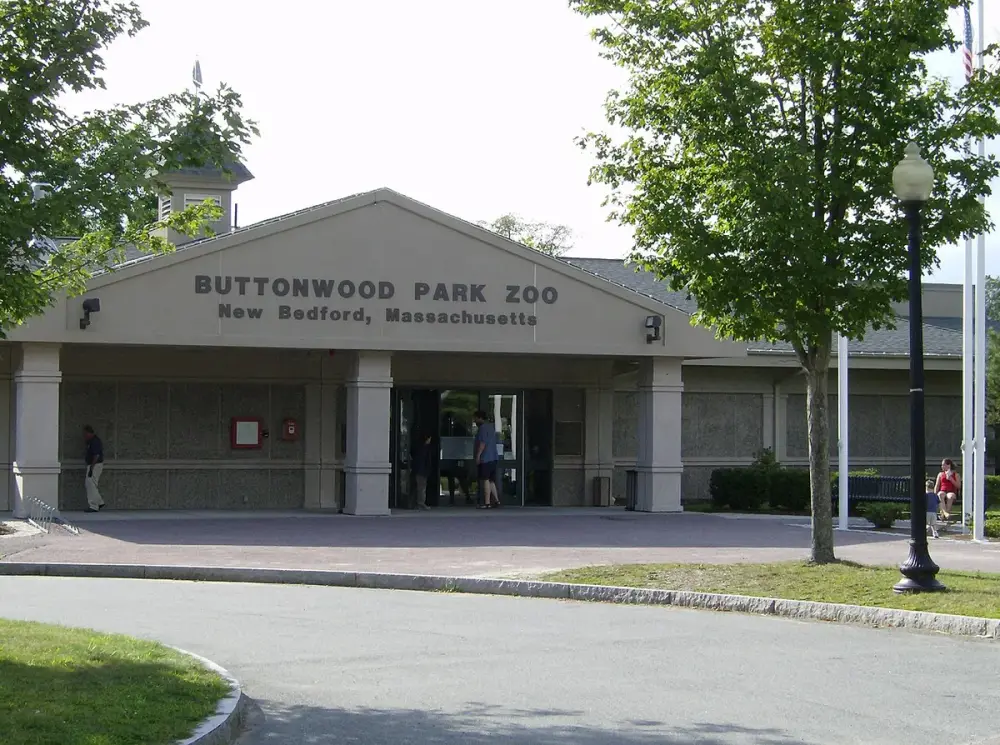
- Admission
- $13
- Size
- 7 acres
- Accreditation
- AZA
Association of Zoos and Aquariums
Everything below is directory information drawn from public sources and the zoo's own site.
Animals at Buttonwood Park Zoo
66 of the ~80 species this zoo listsMammals26
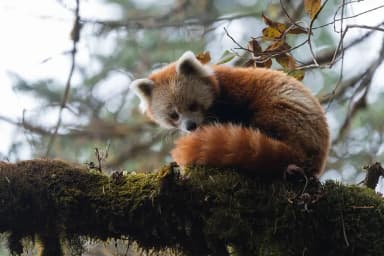 Sunuwargr · CC BY-SA 4.0
Red panda
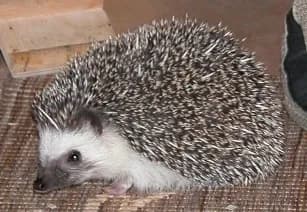 Jkasvi ( talk · contribs ) · CC BY-SA 3.0
Hedgehog
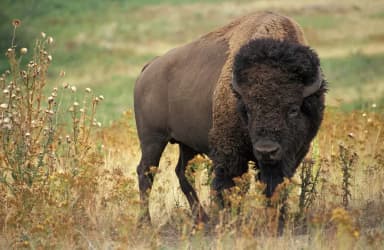 Jack Dykinga · Public domain
American Bison
 Yathin S Krishnappa · CC BY-SA 3.0
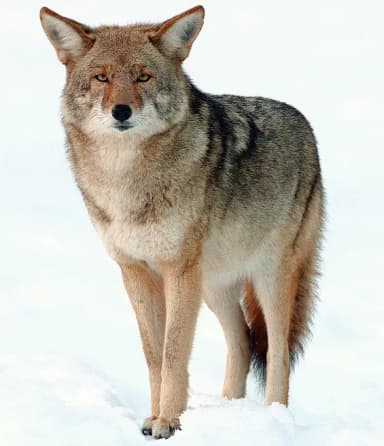
Coyote
 Steve from Washington, DC, USA · CC BY-SA 2.0
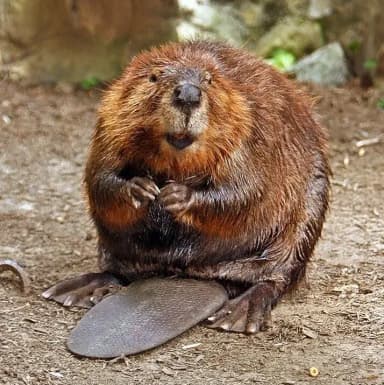
American Beaver
 Guérin Nicolas ( messages ) · CC BY-SA 3.0
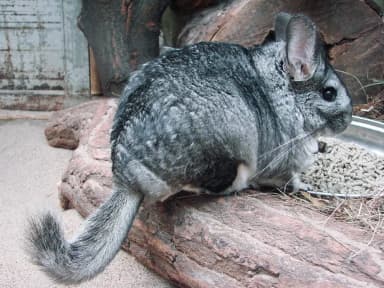
Chinchilla
 Jsfouche · CC BY-SA 3.0
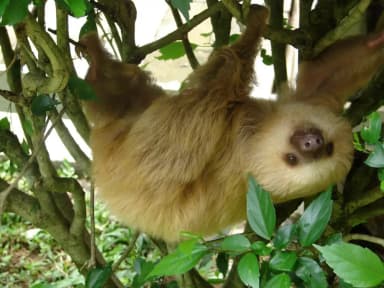
Hoffmann's Two-toed Sloth
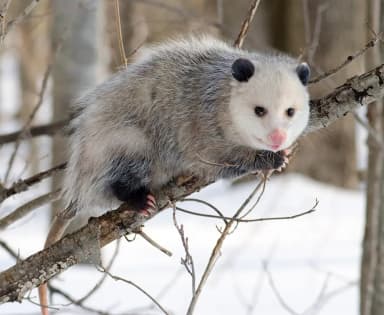 Cody Pope · CC BY-SA 2.5
Virginia Opossum
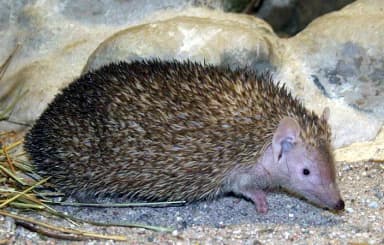 Wilfried Berns www.Tierdoku.com · CC BY-SA 2.0 de
Lesser Hedgehog Tenrec
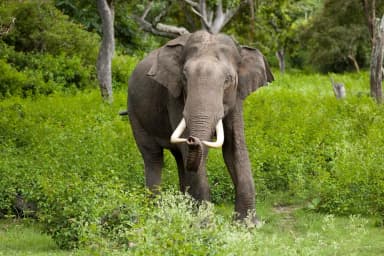 Yathin S Krishnappa · CC BY-SA 3.0
Asian Elephant
 Ltshears · CC BY-SA 3.0
Golden-headed Lion Tamarin
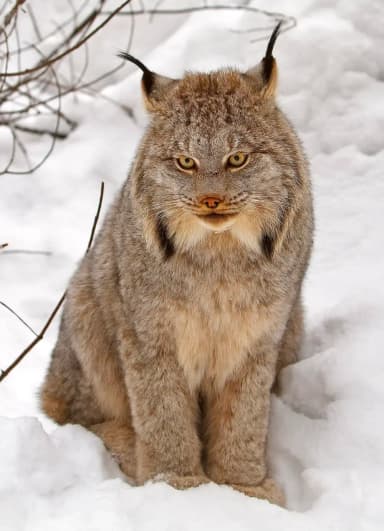 Michael Zahra · CC BY-SA 3.0
Canada Lynx
 Becker1999 (Paul and Cathy) · CC BY 2.0
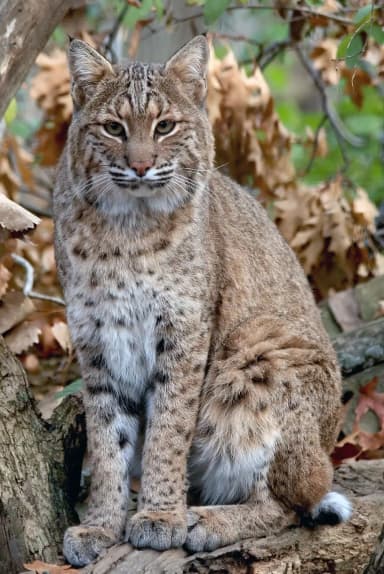
Bobcat
 Wallace Keck · Public domain
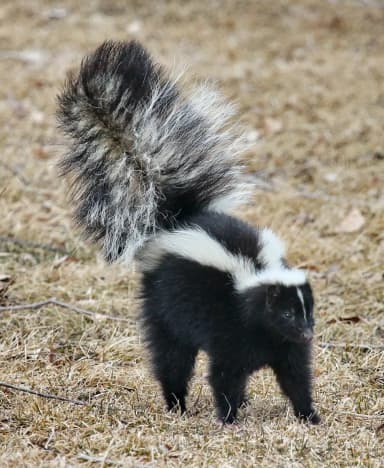
Striped Skunk
 USDA photo by Scott Bauer · Public domain
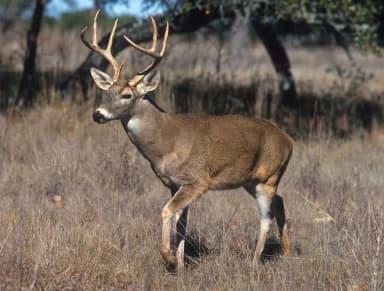
White-tailed Deer
 Charles J. Sharp · CC BY-SA 4.0
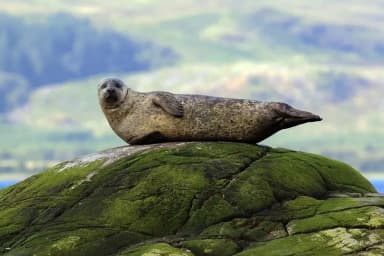
Harbor Seal
 Jack Hynes · CC BY-SA 3.0
Bolivian Gray Titi Monkey
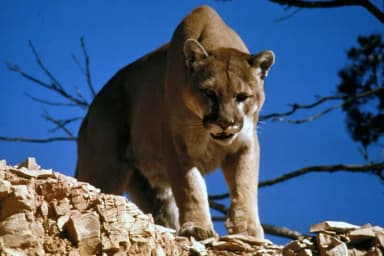 National Park Service · Public domain
Cougar
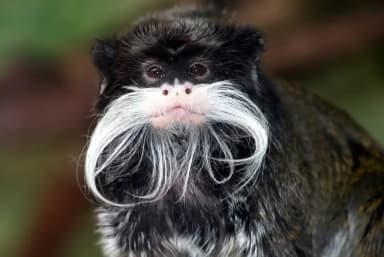 Brocken Inaglory · CC BY-SA 3.0
Emperor Tamarin
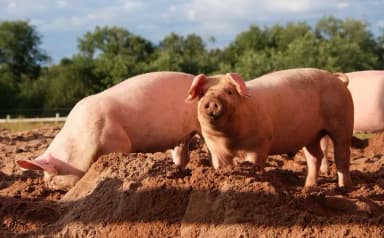 kallerna · CC BY-SA 4.0
Guinea Hog
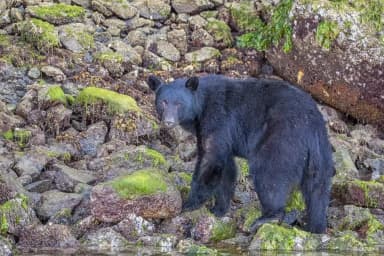 Charles J. Sharp · CC BY-SA 4.0
American Black Bear
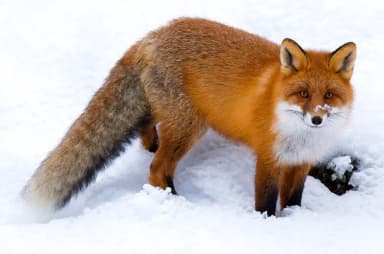 ClaudiaTen · CC BY-SA 4.0
Red Fox
Birds20
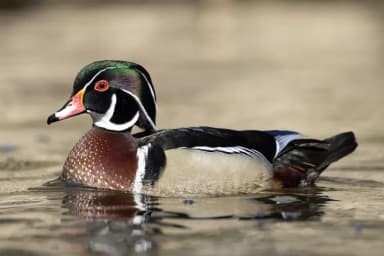 Chuck Homler d/b/a FocusOnwWildlife · CC BY-SA 4.0
Wood Duck
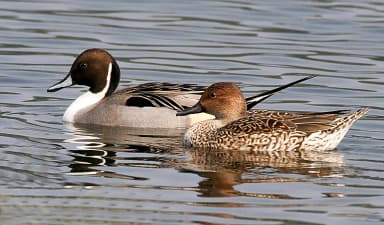 J.M.Garg · CC BY-SA 3.0
Northern Pintail
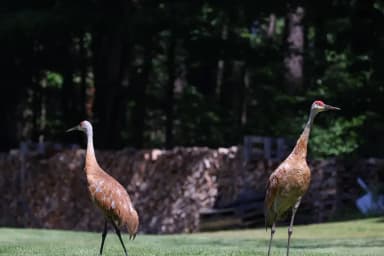 HappiestFish · CC BY 4.0
Sandhill Crane
 Wayne Deeker · CC BY 3.0
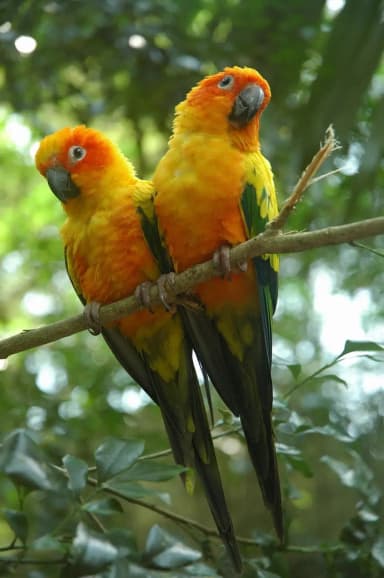
Sun Conure
 Judy Gallagher · CC BY 2.0
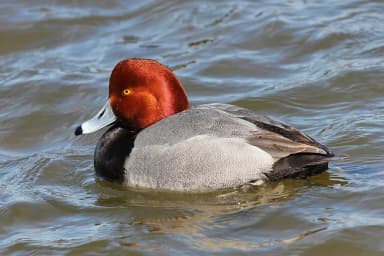
Redhead
 Sun Jiao (Interaccoonale) · CC BY 4.0
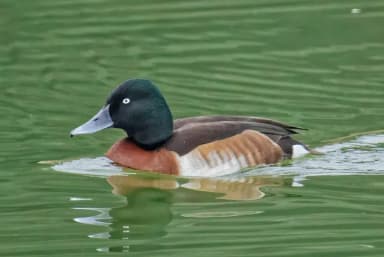
Baer's Pochard
 Adrian Pingstone ( Arpingstone ) · Public domain
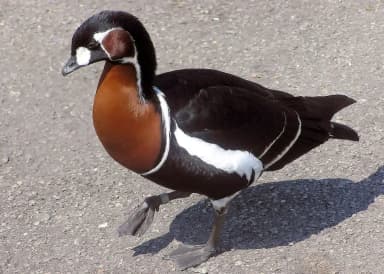
Red-breasted Goose
 Chuck Homler, Focus On Wildlife · CC BY-SA 4.0
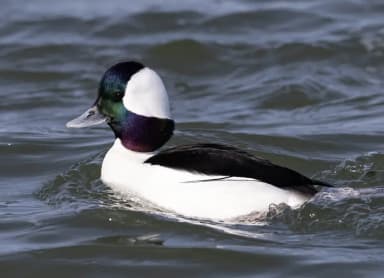
Bufflehead
 Charles J. Sharp · CC BY-SA 4.0
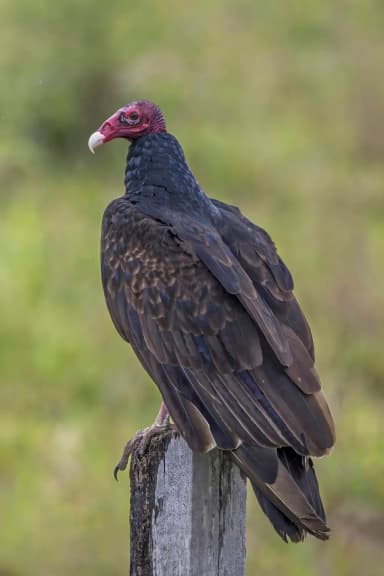
Turkey Vulture
 Alastair Rae from London, United Kingdom · CC BY-SA 2.0
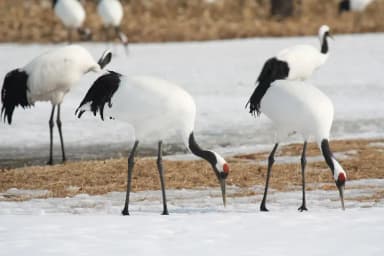
Red-crowned Crane
 Andy Morffew from Itchen Abbas, Hampshire, UK · CC BY 2.0
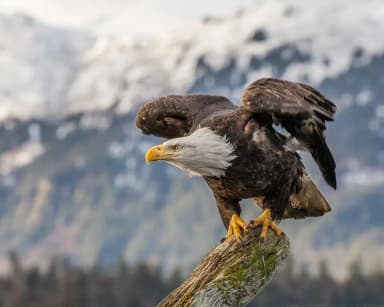
Bald Eagle
 Rhododendrites · CC BY-SA 4.0
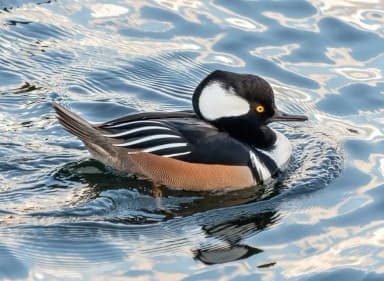
Hooded Merganser
 Dick Daniels ( http://carolinabirds.org/ ) · CC BY-SA 3.0
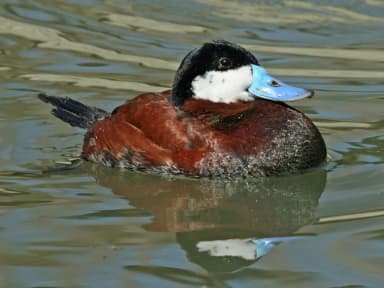
Ruddy Duck
 Jim Capaldi from Springfield, USA · CC BY 2.0
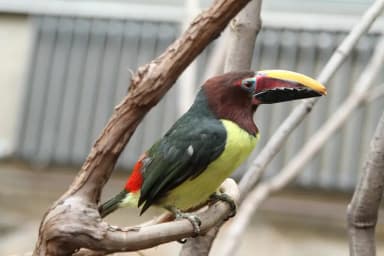
Green Aracari
 Sun Jiao (Interaccoonale) · CC BY 4.0
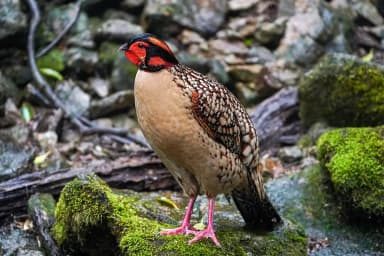
Cabot's Tragopan
Reptiles9
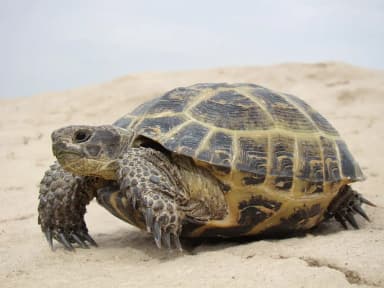 Yuriy75 · CC BY-SA 3.0
Russian Tortoise
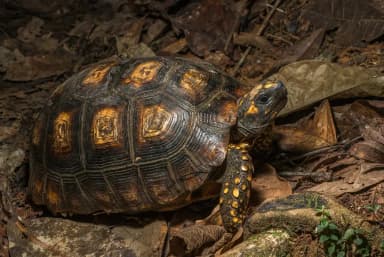 Casey Klebba · CC BY-SA 4.0
Yellow-footed Tortoise
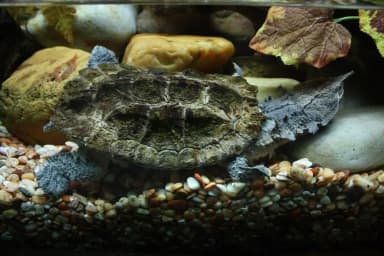 J. Patrick Fischer · CC BY-SA 3.0
Matamata
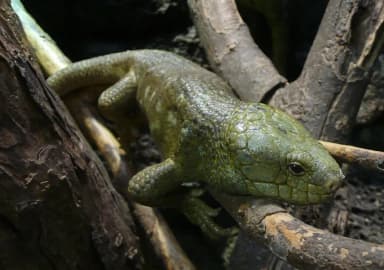 TimVickers · Public domain
Prehensile-tailed Skink
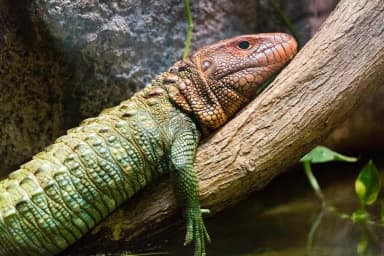 Brett Weinstein · CC BY-SA 3.0
Caiman Lizard
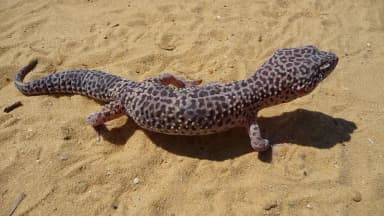 George Chernilevsky · Public domain
Leopard Gecko
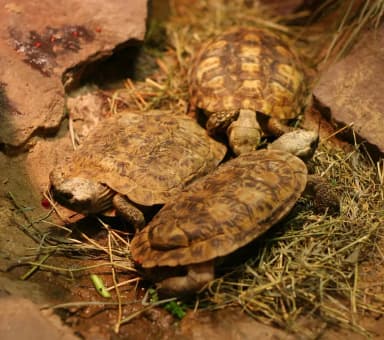 Dave Pape · Public domain
Pancake Tortoise
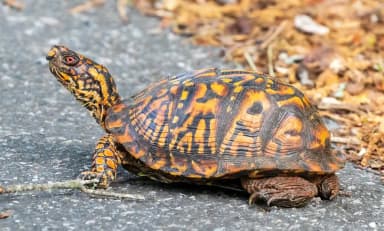 (c) Joshua Liverman, some rights reserved (CC BY) · CC BY 4.0
Eastern Box Turtle
Amphibians2
Feathers & Fangs from visitors
What people who've been to Buttonwood Park Zoo say
A Feather is something this zoo does well; a Fang is something it gets wrong. Left by people who've been, and read by us before they appear.
Loading…
About Buttonwood Park Zoo
Buttonwood Park Zoo sits inside Buttonwood Park in New Bedford, Massachusetts, on a compact 7-acre campus that the city of New Bedford owns and operates with support from the Buttonwood Park Zoological Society. It opened in 1894, making it the third-oldest zoo in New England and the twelfth-oldest in the United States. The grounds fall within the Buttonwood Park Historic District, which is listed on the National Register of Historic Places, so the zoo shares its address with a piece of federally recognized parkland rather than standing apart from it.
The zoo is home to more than 250 animals across more than 80 species, and its own site lists at least 66 species by name, ranging from American bison and red pandas to poison dart frogs and moon jellies. It holds accreditation from the Association of Zoos and Aquariums, having been re-accredited in 2003 after a period of renovation, and it participates in the Cape Cod Stranding Network as well as Species Survival Plans for endangered animals.
The zoo is organized around five main areas plus a domestics section and an animal ambassador program, grouping animals loosely by continent and habitat type rather than presenting them as a single continuous walk. That structure, along with the small footprint, shapes almost everything about how a visit here unfolds.
History
The city of New Bedford bought the land that became the zoo in 1892, and the zoo itself opened in 1894 as a way of presenting New Bedford as a wealthy, powerful city — at the time, cities were not seen as fully arrived unless they had a zoo of their own. The opening summer's collection was modest and local: black bears, foxes, and deer. By 1912 it had grown to include monkeys, elk, and bison.
Between 1935 and 1936, the Public Works Administration, part of Franklin D. Roosevelt's New Deal, renovated the zoo's black bear den, and a stonewall section the PWA built into that den survives today. The early 1960s brought a shift toward more exotic animals — Asian elephants, leopards, lions, and wallabies joined the collection. The Greater New Bedford Zoological Society, founded in 1968, raised money for the zoo's first heated building as its inaugural project.
Growth after the 1960s was uneven. The city hired several architectural firms to plan improvements but did not follow through on their designs, and a recession in the 1990s accelerated a decline in the zoo's condition, eventually triggering federal fines. As part of a settlement with the federal government, the zoo agreed to close for renovation, shutting its gates in November 1996 and reopening in 2000. It regained its AZA accreditation in 2003, and the American Zoo and Aquarium Association called it "one of the finest small zoos in the United States" that same year.
More recently, the City of New Bedford has continued to fund staffing, operations, and capital improvements directly. Roughly $7,000,000 in Capital Improvement Program bonds was designated for the zoo between 2014 and 2019, and the Commonwealth of Massachusetts contributed another $4,000,000 in 2018 for further upgrades.
Exhibits and habitats
The zoo groups its collection into five named sections. North America East holds black bears, river otters, beavers, turkey vultures, bald eagles, and a coyote. North America West, just past the entrance, holds bison, wild turkeys, white-tailed deer, cougars, Canada lynx, and bobcats. The Aquatics section covers harbor seals and shorebirds alongside exhibits built to resemble a salt marsh, a kettle pond, and a mountain stream, plus amphibians, snakes, and turtles.
Indoors, Rainforests, Rivers & Reefs brings together monkeys, birds, and reef fish from tropical regions. The Elephants section centers on Emily, an Asian elephant who arrived in 1968; nearby exhibits hold red pandas and red-crowned cranes. Emily's longtime companion, Ruth — who had been abused in a circus and abandoned in a trailer before arriving at the zoo in 1986 — entered hospice care in 2024 at age 66 and died that December. In 2013 the zoo announced that once its elephants had died, it would not replace them, instead planning to add greater one-horned rhinos as part of its master plan.
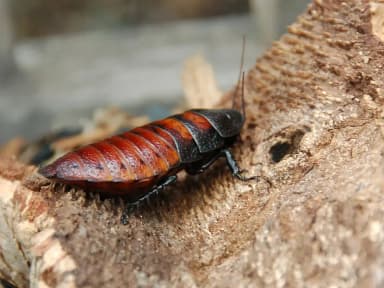
A Domestics section houses two horses, and an Animal Ambassador program currently keeps its animals — Virginia opossums, skunks, Madagascar hissing cockroaches, and a prehensile-tailed skink — behind the scenes for programming, with a dedicated Animal Ambassador barn planned to open near Domestics in spring 2025. The Wildlife Education Center anchors the zoo's education work with two classrooms used for programs as well as private meetings.
Animal highlights
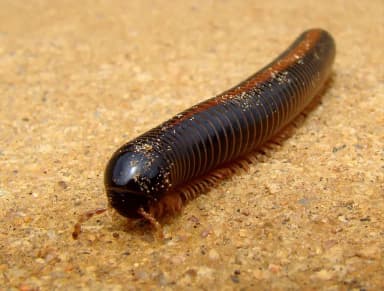
Buttonwood Park Zoo lists at least 66 species by name on its own website, and its broader collection is described as more than 80 species and more than 250 individual animals. The roster spans large mammals like American bison, American black bear, and Asian elephant down to small invertebrates such as the giant African millipede and Madagascar hissing cockroach. Primates are well represented, with pygmy marmosets, Goeldi's monkeys, emperor tamarins, golden-headed lion tamarins, and Bolivian gray titi monkeys among the species named.
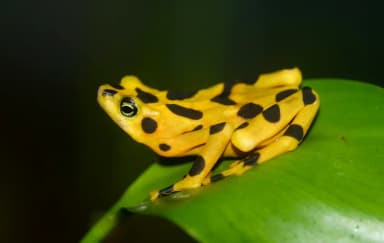
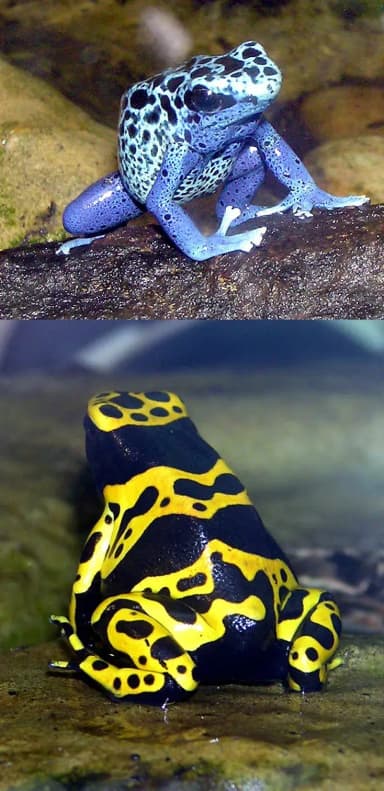
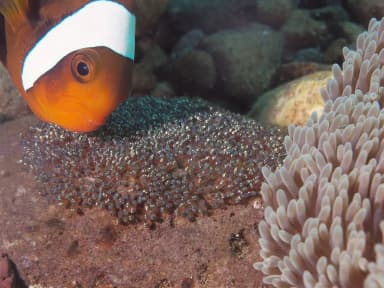
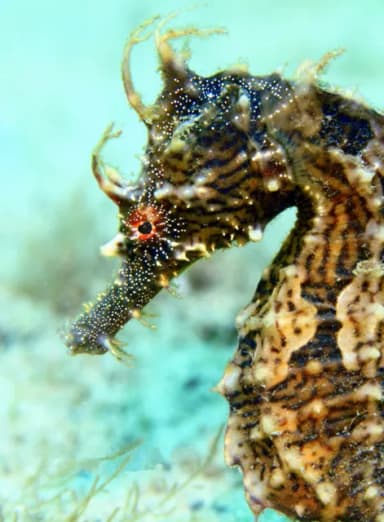
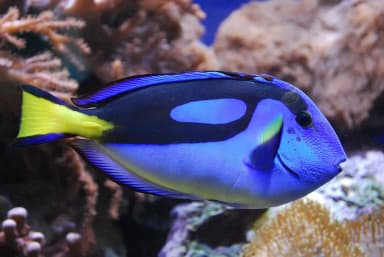
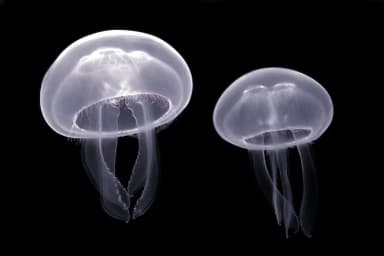
Birds range from bald eagles and turkey vultures to a run of waterfowl — wood ducks, buffleheads, redheads, Ross's geese, and pink-footed geese among them — plus a sandhill crane and a red-crowned crane. Reptiles and amphibians include the matamata, caiman lizard, pancake tortoise, and Panamanian golden frog, and the aquatics list adds clownfish, blue tang, moon jellies, and a lined seahorse. Smaller mammals on site include the red fox, striped skunk, red panda, and long-tailed chinchilla.
Planning your visit
The zoo's own facts page does not publish current hours or admission prices, so anyone planning a trip should check the official website directly before going, since those details can change without notice. The North Woods Gift Store and the Bear's Den Cafe are both open daily, giving visitors a place to eat and shop for at least part of the year without leaving the grounds.
The zoo runs a handful of named annual events, including "Boo at the Zoo," "Red, White, and Brew," "First Taste of Fall," and "Cookies, Paws, and Santa Claws," so a visit timed around one of these will look different from an ordinary day. The Wildlife Education Center's two classrooms also host private meetings alongside educational programs, which suggests some flexibility in how the space gets used outside of standard zoo hours.
Given the zoo's small, 7-acre footprint, a visit here is likely to take less time than a trip to a larger regional zoo, though the source material does not state an estimated visit length. As always, confirm current hours, admission, accessibility, and event schedules on the zoo's official website before visiting.
What we haven't confirmed
Everything above came from public sources. These specifics we haven't stood behind yet:
- Current hours
- Ticket prices
- Parking details
- Total animal count
- Annual visitor numbers
- Estimated time needed for a visit
- Accessibility details (strollers, wheelchairs)
Buttonwood Park Zoo compared with nearby zoos
How Buttonwood Park Zoo lines up against the closest zoos we have details for — useful if you're deciding between them for the same day out.
| Zoo | Distance | Admission | Hours | Size | AZA |
|---|---|---|---|---|---|
| Buttonwood Park ZooThis zooNew Bedford, MA | — | $13 | Daily 9:00 AM – 4:00 PM. Closed Thanksgiving Day, Christmas Day, New Year's Day; may close early for special events. | 7 acres | Yes |
| Roger Williams Park ZooProvidence, RI | 26 mi | $25 | 9:00 AM – 4:00 PM | — | Yes |
| Southwick's ZooMendon, MA | 44 mi | — | — | 300 acres | No |
| Franklin Park ZooBoston, MA | 47 mi | — | October – November 8: daily 9:00 AM – 4:00 PM; last ticket sold one hour before closing. Boston Lights nightly 5:00–10:30 PM (separate event). Closed Thanksgiving Day, Christmas Day. | 72 acres | Yes |
Distances are straight-line. A dash means we haven't confirmed that detail yet, not that the zoo lacks it.
AZAThe Association of Zoos and Aquariums. Accredited members have passed an independent inspection of animal care and welfare, safety, conservation and education, repeated every five years. Many smaller facilities never apply, so “not accredited” isn't a verdict on its own. What accreditation means · How we check this
Buttonwood Park Zoo: common questions
Is Buttonwood Park Zoo AZA accredited?
Yes. It was re-accredited by the Association of Zoos and Aquariums in 2003 after reopening from a period of renovation.
How big is the zoo?
It covers about 7 acres inside Buttonwood Park in New Bedford, Massachusetts.
When did the zoo open?
It opened in 1894, making it the third-oldest zoo in New England and the twelfth-oldest in the United States.
How many species can visitors see?
The zoo's collection is described as more than 80 species and more than 250 animals, with at least 66 species named on its own website.
Does the zoo have elephants?
It has had Asian elephants for decades; Emily arrived in 1968 and Ruth arrived in 1986. Ruth died in December 2024, and the zoo has said it will not replace its elephants when they are gone.
Are there dining options inside the zoo?
Yes, the Bear's Den Cafe and the North Woods Gift Store are both open daily.
Does the zoo run seasonal events?
Yes, including "Boo at the Zoo," "Red, White, and Brew," "First Taste of Fall," and "Cookies, Paws, and Santa Claws."
Something wrong here? Tell us — we correct in place, with a dated note.