
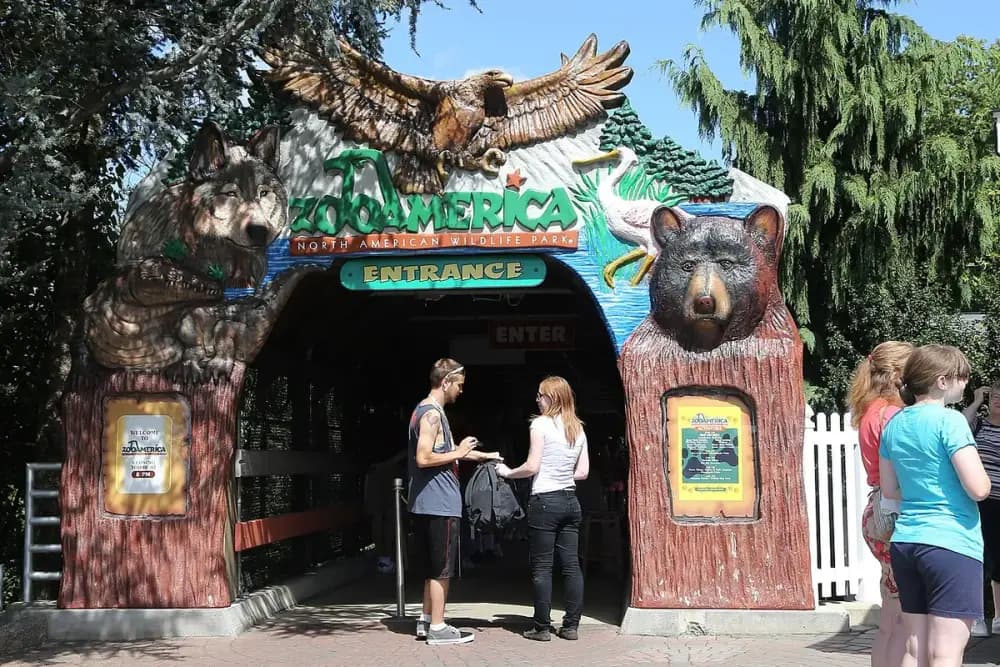
- Admission
- $16.50
- Size
- 11 acres
- Animals
- 200
- Opened
- 1910
- Accreditation
- AZA
Association of Zoos and Aquariums
Everything below is directory information drawn from public sources and the zoo's own site.
Animals at ZooAmerica
48 of the ~75 species this zoo listsMammals17
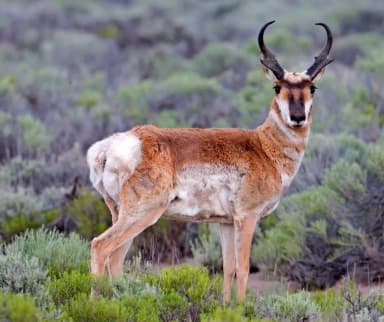 www.naturespicsonline.com · CC BY-SA 3.0
Pronghorn
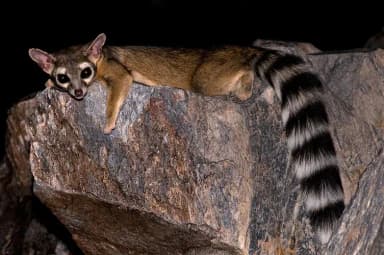 Robertbody at en.wikipedia · CC BY-SA 3.0
Ringtail
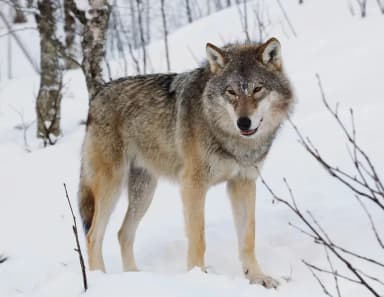 User:Mas3cf · CC BY-SA 4.0
Gray Wolf
 Membeth · CC0
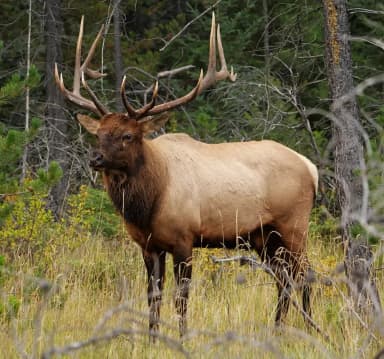
Elk
 Christian Ursilva from København, Danmark · CC BY-SA 4.0
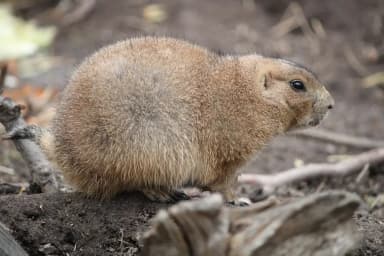
Black-tailed Prairie Dog
 Aramburu Carlos · CC BY 4.0
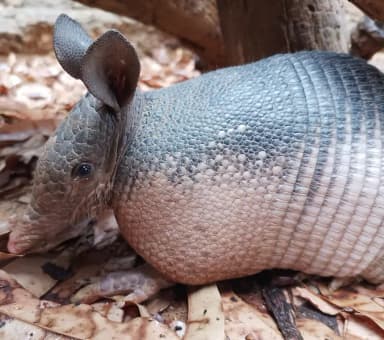
Nine-banded Armadillo
 Uwe Schmidt · CC BY-SA 4.0
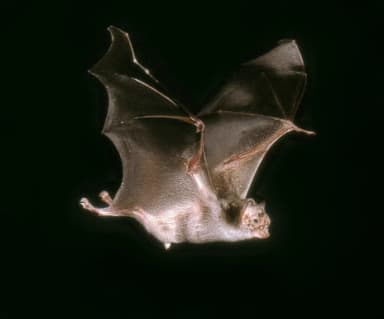
Vampire Bat
 Wikimedia Commons · Public domain
North American Porcupine
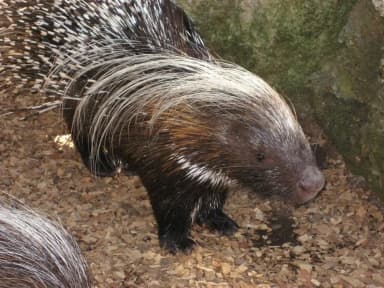 Liné1 · CC BY-SA 3.0
Porcupine
 Giles Laurent · CC BY-SA 4.0
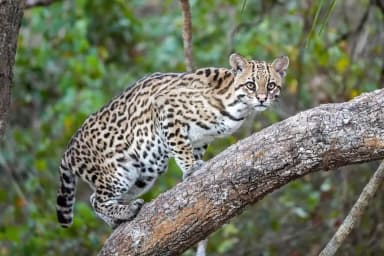
Ocelot
 Michael Zahra · CC BY-SA 3.0
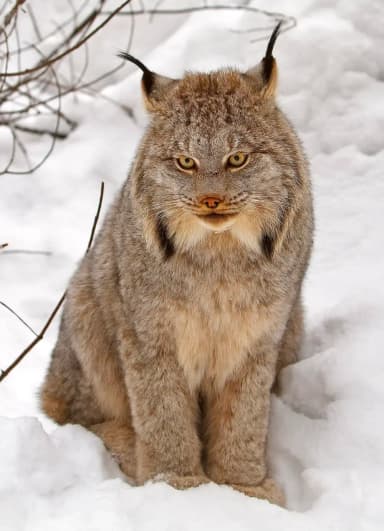
Canada Lynx
 Becker1999 (Paul and Cathy) · CC BY 2.0
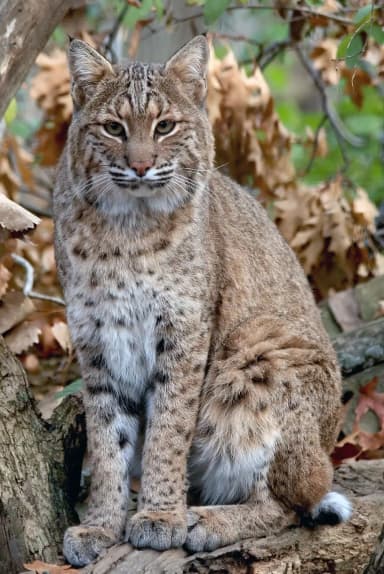
Bobcat
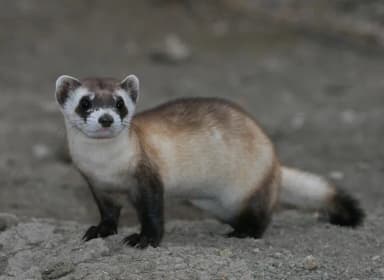 USFWS Mountain Prairie · Public domain
Black-footed Ferret
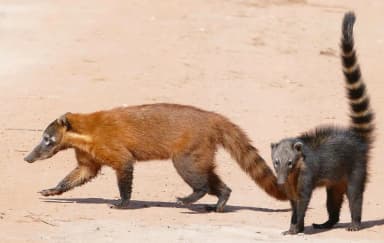 Bernard DUPONT from FRANCE · CC BY-SA 2.0
Coati
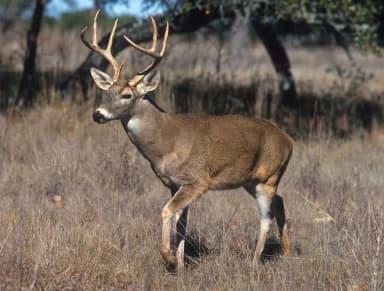 USDA photo by Scott Bauer · Public domain
White-tailed Deer
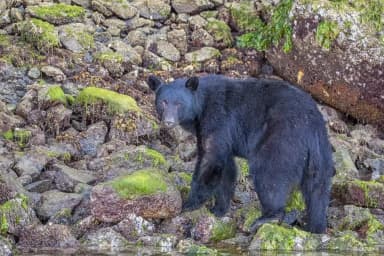 Charles J. Sharp · CC BY-SA 4.0
American Black Bear
Birds11
 Charles J. Sharp · CC BY-SA 4.0
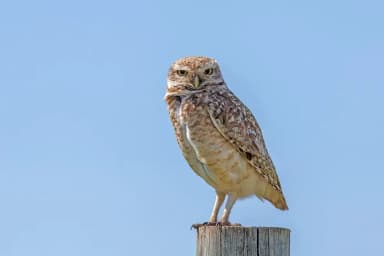
Burrowing Owl
 Chuck Homler d/b/a Focus On Wildlife · CC BY-SA 3.0
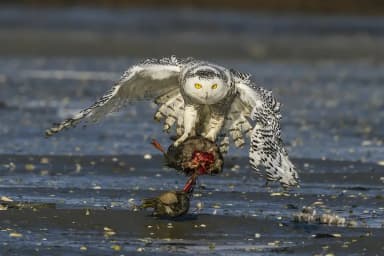
Snowy Owl
 Becky Matsubara from El Sobrante, California · CC BY 2.0
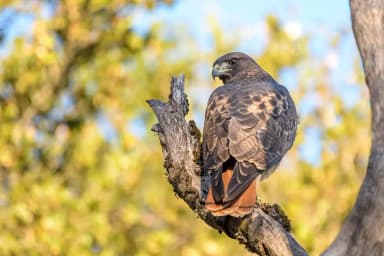
Red-tailed Hawk
 Mykola Swarnyk · CC BY-SA 3.0
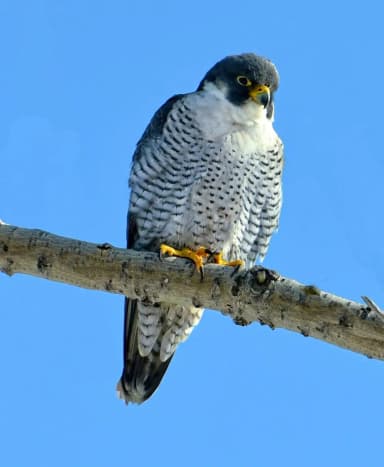
Peregrine Falcon
 Andy Morffew from Itchen Abbas, Hampshire, UK · CC BY 2.0
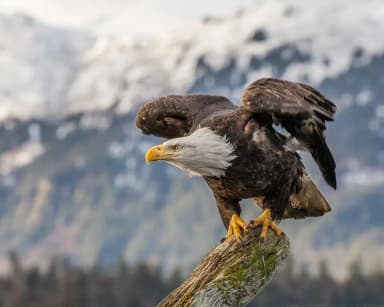
Bald Eagle
 Wolfgang Wander · CC BY-SA 3.0
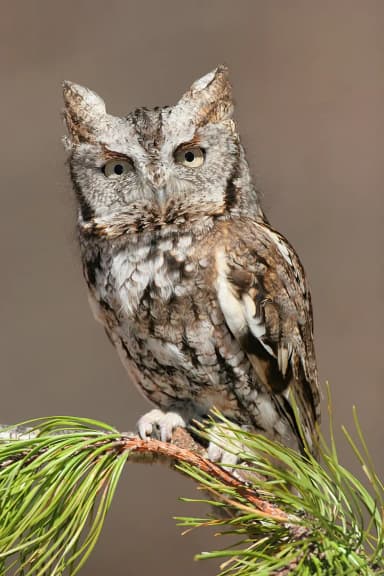
Eastern Screech-Owl
 User:Mwanner · CC BY-SA 3.0
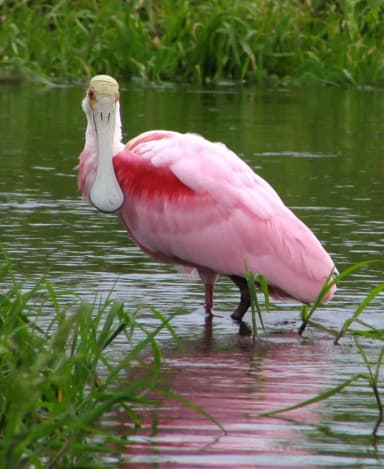
Roseate Spoonbill
 Mdf · CC BY-SA 3.0
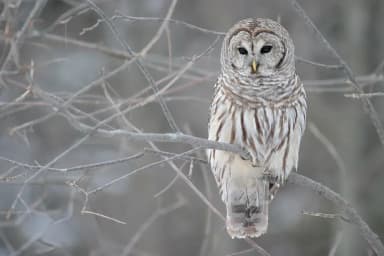
Barred Owl
Reptiles19
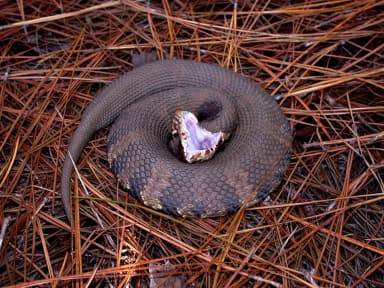 CDC/ Edward J. Wozniak D.V.M., Ph.D., John Willson at the University of Georgia, at the Savannah River Ecology Laborator · Public domain
Cottonmouth
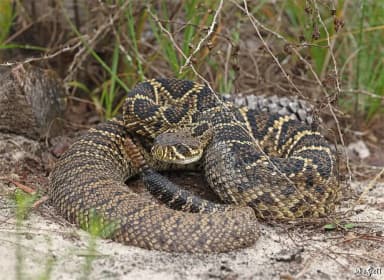 Caudatejake · CC BY-SA 4.0
Eastern Diamondback Rattlesnake
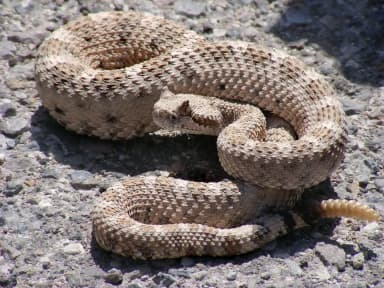 derivative work: Victorrocha ( talk · contribs ) Crotalus_cerastes_mesquite_springs_CA.JPG : Tigerhawkvok ( talk · contr · CC BY-SA 3.0
Sidewinder
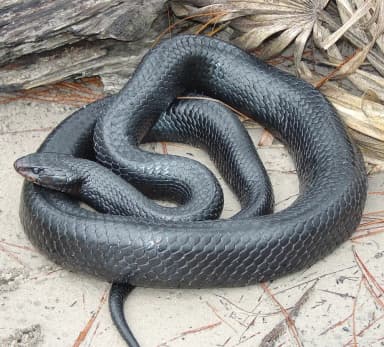 Dirk Stevenson · Public domain
Eastern Indigo Snake
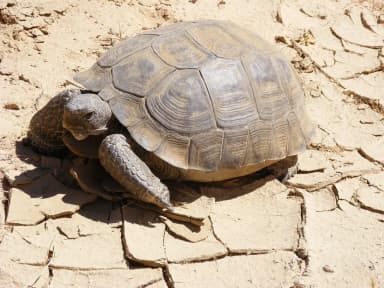 Tigerhawkvok · CC BY-SA 3.0
Desert Tortoise
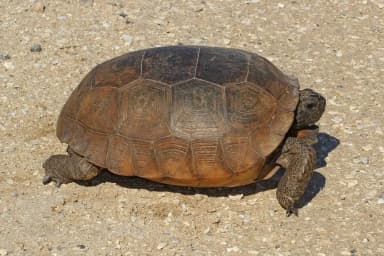 Judy Gallagher · CC BY 2.0
Gopher Tortoise
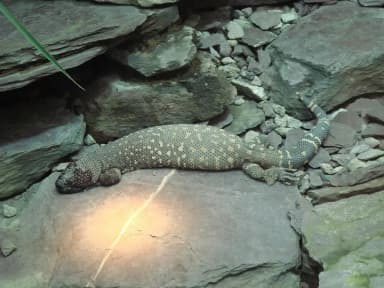 David Rubin · CC BY 2.0
Mexican Beaded Lizard
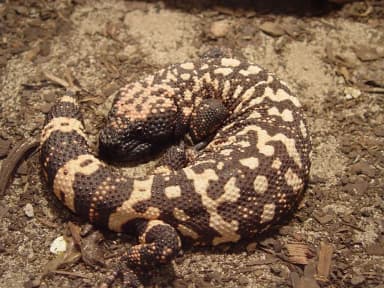 Blueag9 · CC BY-SA 3.0
Gila Monster
 5snake5 · CC0
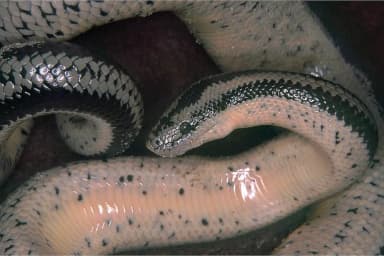
Rosy Boa
 Gary M. Stolz/U.S. Fish and Wildlife Service · Public domain
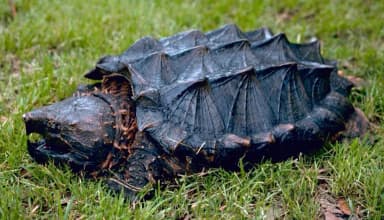
Alligator Snapping Turtle
 Ryan Hagerty · Public domain
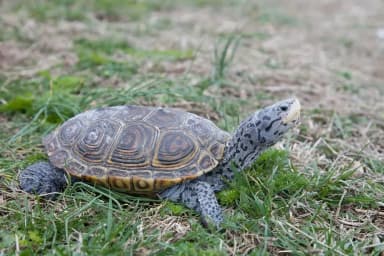
Diamondback Terrapin
 Emőke Dénes · CC BY-SA 4.0
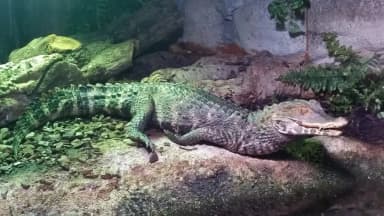
Cuvier's Dwarf Caiman
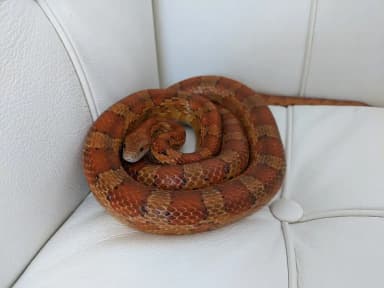 Ethan Porcaro · CC0
Corn Snake
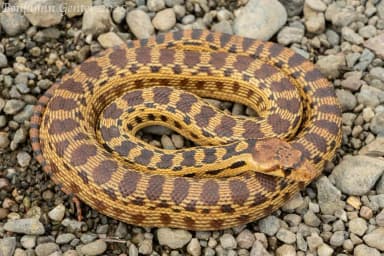 Benjamin Genter · Public domain
Gopher Snake
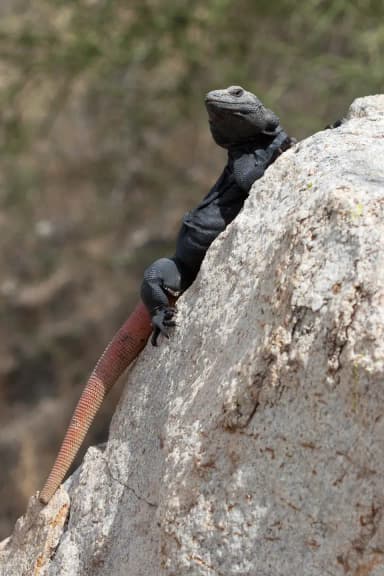 Kaldari · Public domain
Chuckwalla
Fish1
Feathers & Fangs from visitors
What people who've been to ZooAmerica say
A Feather is something this zoo does well; a Fang is something it gets wrong. Left by people who've been, and read by us before they appear.
Loading…
About ZooAmerica
ZooAmerica is an 11-acre wildlife park in Hershey, Pennsylvania, connected to Hersheypark and privately controlled by the Hershey Trust Company. Founded in 1910 by Milton S. Hershey, it today houses more than 200 individual animals representing over 75 species, all native to North America. The zoo lists at least 51 species by name on its website. ZooAmerica is accredited both by the Association of Zoos and Aquariums and the World Association of Zoos and Aquariums.
The zoo is built around a single organizing idea, exclusively North American wildlife, arranged into five regional sections that walk visitors from southern swamps to the Arctic. That focus dates to the 1970s, when the zoo shed its earlier mixed international collection to concentrate entirely on native species and naturalistic exhibits, a decision that continues to define the zoo today.
History
ZooAmerica's origins trace to 1905, when Franz and Louise Zinner moved from Weisenberg, Germany, to Lebanon, Pennsylvania. Unable to keep 12 prairie dogs given to him by a friend, Mr. Zinner passed them to Milton S. Hershey, who used them as an attraction at Hershey Park. In 1910, Zinner received a black bear from the same friend and again gave it to Hershey, whose growing menagerie of bears, birds, and deer prompted him to formally build a zoo that year. Throughout 1910, the collection grew with more bears, angora goats, fox squirrels, opossums, peacocks, pheasants, and zebus; a lion, monkeys, and a leopard followed in 1914. Major renovations in 1915, including the Hershey Laundry building, expanded capacity for the influx of new animals, and by 1916 the zoo displayed hundreds of animals.
By 1934, the zoo covered more than 40 acres and included a reptile house and a pair of baby elephants, though the elephants were sold after Hershey overheard a guest say they preferred the monkeys. After Hershey's death and the end of World War II, the zoo continued acquiring animals under new leadership and built a dedicated exhibit on Pennsylvania wildlife. Hershey Park and ZooAmerica both closed for renovations in 1971, reopening a year later with a new monkey island and a barnyard petting zoo. Six years after that, John Strawbridge III became the zoo's new director and refocused it entirely on North American animals in naturalistic exhibits, creating the North American Wildlife Park with five sections: North Woods, Eastern Woodlands, Big Sky Country, Grassy Waters, and Cactus Community. In 1982, ZooAmerica became only the second zoo or aquarium in Pennsylvania to earn AZA accreditation.
The 21st century brought further additions: a new bear exhibit in 2000 with hills, grass, toys, and a 13,000-gallon swimming pond; temporary albino alligators in 2001 and 2012; and, in 2004, a kids' conservation program built around mascot Ranger Scratch and the Ranger Scratch Kid's Club. The Woodlands Education Center, completed five years later, gave guests hands-on animal experiences. Tragedy struck in September 2011, when flooding from Tropical Storm Lee, which broke rainfall records set by Hurricane Agnes in 1972, overflowed Spring Creek through the park; keepers moved most animals to safety, but the zoo's two bison could not be relocated in time, and one drowned while the other was euthanized, along with nine prairie dogs lost in the flood.
Exhibits and habitats
The Southern Swamps section, the first inside the zoo, recreates marshy, semi-tropical habitat and houses the cottonmouth, roseate spoonbill, eastern diamondback rattlesnake, gopher tortoise, corn snake, barred owl, Florida gar, and alligator snapping turtle. The Great Southwest section focuses on desert and nocturnal wildlife, including the thick-billed parrot, Mexican beaded lizard, chuckwalla, Gila monster, Gambel's quail, burrowing owl, desert tortoise, nine-banded armadillo, common vampire bat, sidewinder, gopher snake, rosy boa, black-footed ferret, ocelot, ringtail, and coati.
Eastern Woodlands illustrates how animals adapt to a changing eastern United States, featuring the red-tailed hawk, bobcat, white-tailed deer, eastern wild turkey, and American black bear. Big Sky Country, toward the zoo's far end, uses open grassland terrain and mountain-summit replicas to display the black-tailed prairie dog, American elk, mountain lion, sandhill crane, turkey vulture, and pronghorn. The final section, Northlands, represents habitat stretching from Newfoundland across Canada into Alaska and includes the snowy owl, peregrine falcon, gray wolf, bald eagle, North American porcupine, American marten, and Canada lynx, with signage explaining how these species survive some of the coldest climates on the continent.
Animal highlights
ZooAmerica lists at least 51 species on its website, part of a broader collection of more than 200 animals representing over 75 species overall, all native to North America. Species range from birds of prey such as the bald eagle, peregrine falcon, and burrowing owl to mammals including the Canada lynx, gray wolf, black-footed ferret, ocelot, and American black bear, alongside reptiles like the Gila monster, eastern diamondback rattlesnake, and alligator snapping turtle. Because the zoo deliberately restricts its collection to North American wildlife, it does not exhibit monkeys, giraffes, or elephants, and it does not operate a petting zoo. Several of its species, including the thick-billed parrot, Canada lynx, black-footed ferret, and ocelot, are part of active Species Survival Plan breeding programs at the zoo.
Conservation and programs
ZooAmerica participates in Species Survival Plan and SAFE (Saving Animals From Extinction) programs for the Black-Footed Ferret, Ocelot, North American Monarch, Thick-billed Parrot, and North American Songbird, and previously held swift fox as part of the SSP. The zoo has historically helped reintroduce golden eagles and peregrine falcons, including raising birds of prey later released to the wild, one of which was later found nesting along the Susquehanna River. Since 2011, it has partnered with Fort Indiantown Gap on a captive-rearing and reintroduction program for the eastern regal fritillary butterfly, a grassland species proposed for federal endangered listing; in 2014, the National Military Fish & Wildlife Association honored two ZooAmerica naturalists for their work on the project.
The zoo also runs nest box programs for barn owls, American kestrels, and prothonotary warblers, built and monitored by zoo staff and summer campers in partnership with the Pennsylvania Game Commission and federally certified bird banders. Since 2005, ZooCampers have built bluebird nest boxes placed across central Pennsylvania. Additional efforts include a milkweed and wildflower meadow to support monarch butterflies, a Baltimore checkerspot butterfly survey at Middle Creek Wildlife Management Area running since 2023, an Allegheny woodrat breeding and reintroduction program begun in 2024 with the Pennsylvania Game Commission, and a FrogWatch USA chapter that trains community scientists to monitor local amphibian populations.
Planning your visit
ZooAmerica is listed as open from 10 a.m. to 4:30 p.m. on its website; as with any posted hours, confirm the current schedule before visiting, since the zoo is closed on Thanksgiving and Christmas. It is an 11-acre, walk-through park that the zoo says takes about an hour to walk through in full, though visitors are welcome to spend more time. Free parking is available on-site, with an overflow option at the free Hershey Press Building parking garage nearby.
The zoo is cashless, accepting major credit and debit cards, Hershey Entertainment & Resorts gift cards, Apple Pay, Samsung Pay, and Google Pay, with a Cash-to-Card kiosk available for guests without cards. All exhibits are wheelchair and stroller accessible, with ramped alternatives at stepped locations; a limited number of rental wheelchairs are available for a $5 fee, though they cannot be reserved in advance and no motorized options are offered on-site. Sensory Bags, including noise-canceling headphones and fidget tools, are available at the admissions building. Guests may bring packed lunches and coolers, though portable grills are not permitted, and pets are not allowed except certified service animals. As always, verify current ticket prices and hours on ZooAmerica's official website before your visit.
What we haven't confirmed
Everything above came from public sources. These specifics we haven't stood behind yet:
- Current ticket prices
- Annual attendance
- Phone number for general inquiries
ZooAmerica compared with nearby zoos
How ZooAmerica lines up against the closest zoos we have details for — useful if you're deciding between them for the same day out.
| Zoo | Distance | Admission | Hours | Size | AZA |
|---|---|---|---|---|---|
| ZooAmericaThis zooHershey, PA | — | $16.50 | 10 AM – 4:30 PM | 11 acres | Yes |
| Plumpton Park ZooRising Sun, MD | 53 mi | $21.95 | Daily 10:00 AM – 5:00 PM (last admission 4 PM); summer (Memorial Day–Labor Day) daily 9:00 AM – 6:00 PM (last admission 5 PM). Closed Thanksgiving Day; Christmas Day. | — | No |
| Lehigh Valley ZooSchnecksville, PA | 60 mi | $12–$18 | 10am – 4pm | 29 acres | Yes |
| Clyde Peeling's ReptilandAllenwood, PA | 60 mi | $22 | Off-season (day after Labor Day – Friday before Memorial Day): daily 10:00 AM – 5:00 PM. Summer (Memorial Day weekend – Labor Day): daily 9:00 AM – 5:00 PM. | — | Yes |
Distances are straight-line. A dash means we haven't confirmed that detail yet, not that the zoo lacks it.
AZAThe Association of Zoos and Aquariums. Accredited members have passed an independent inspection of animal care and welfare, safety, conservation and education, repeated every five years. Many smaller facilities never apply, so “not accredited” isn't a verdict on its own. What accreditation means · How we check this
ZooAmerica: common questions
Is ZooAmerica AZA accredited?
Yes, ZooAmerica is accredited by both the Association of Zoos and Aquariums and the World Association of Zoos and Aquariums.
When did ZooAmerica open?
It was founded in 1910 by Milton S. Hershey, though its focus narrowed to exclusively North American wildlife in the 1970s.
How big is ZooAmerica and how long does a visit take?
The zoo covers 11 acres and takes about an hour to walk through completely.
What animals will I see?
Only North American species — the zoo does not exhibit monkeys, giraffes, or elephants, and has no petting zoo.
Is there parking, and is it free?
Yes, free parking is available on-site, with an overflow option at the nearby Hershey Press Building garage.
Is ZooAmerica wheelchair and stroller accessible?
Yes, all exhibits are accessible, with rental wheelchairs available for a $5 fee.
What are ZooAmerica's hours?
Hours are listed as 10 a.m. to 4:30 p.m., with the zoo closed on Thanksgiving and Christmas; confirm current hours on the official site.
Something wrong here? Tell us — we correct in place, with a dated note.