- Where to see one
- 4 U.S. zoos in our directory hold spiny-tailed iguana, confirmed against each zoo's own animal list.
Conservation status
Not Evaluated
This species has not been assessed for the IUCN Red List, so it sits outside the threat scale entirely.
About the spiny-tailed iguana
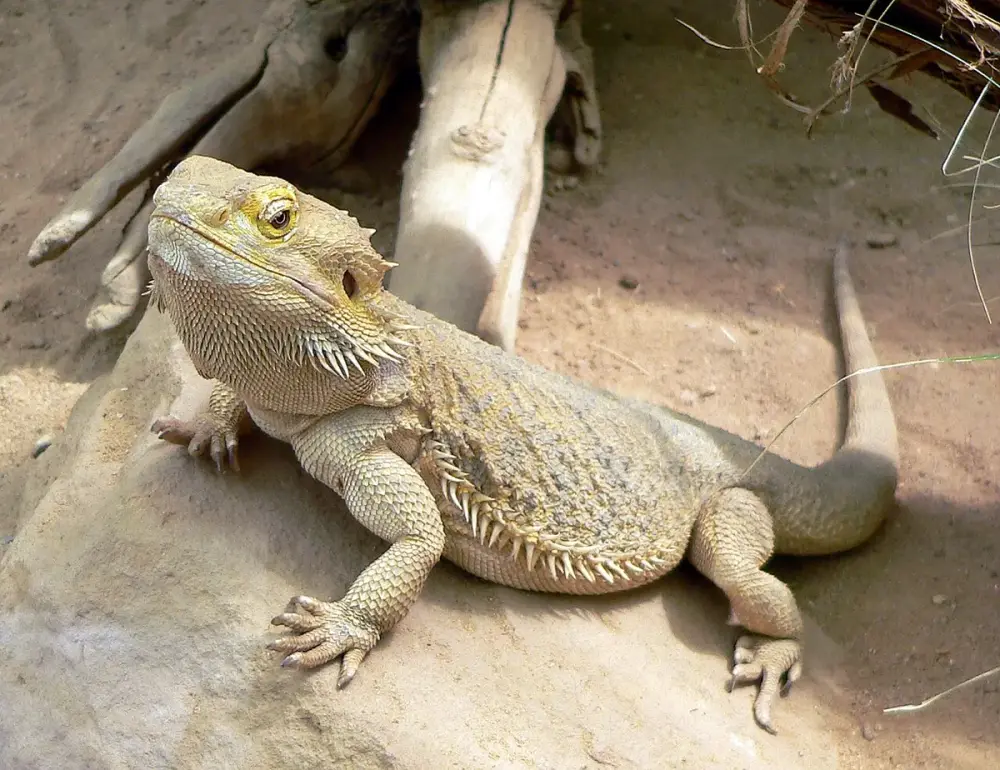
The black spiny-tailed iguana is the largest lizard in the genus Ctenosaura, native to southern Mexico and Central America from the Isthmus of Tehuantepec to Panama. Males can reach 1.3 m in length. It has black keeled scales on the tail, a crest of long spines down the back, and a pale grey or tan body marked with dark bands. It is a diurnal climber that favours rocky ground with crevices, and it is mainly herbivorous, eating flowers, leaves, stems and fruit, though it also takes small animals and eggs. Introduced populations breed in the wild in southern Florida.
Spiny-tailed Iguana facts
- Guinness World Records lists it as the world's fastest lizard, at a sprint speed of 34.6 km/h.
- It is known to eat the fruit and live in the limbs of the manchineel, a tree highly poisonous to most animals.
- In parts of Central America it is nicknamed the chicken of the trees.
- Females gather at communal nesting sites and lay clutches of up to 30 eggs.
Where to see spiny-tailed iguana in the U.S.
4 zoos across 3 states
Find the closest one
Rank the 4 zoos holding spiny-tailed iguana by how far they are from you. Your location is used in your browser to sort this list and is never sent to us.
Florida· 1
Massachusetts· 2
Pennsylvania· 1
AZAThe Association of Zoos and Aquariums. Accredited members have passed an independent inspection of animal care and welfare, safety, conservation and education, repeated every five years. Many smaller facilities never apply, so “not accredited” isn't a verdict on its own. What accreditation means · How we check this
Built from each zoo's own published animal list.