
Clyde Peeling's Reptiland
Allenwood, PA
- Admission
- $22
- Accreditation
- AZA
Association of Zoos and Aquariums
Everything below is directory information drawn from public sources and the zoo's own site.
Animals at Clyde Peeling's Reptiland
29 confirmedBirds3
Reptiles22
 Wikiologyrocks77 · CC BY-SA 4.0
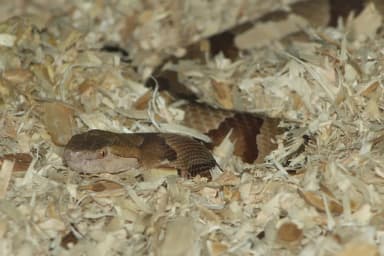
Copperhead
 CDC/ Edward J. Wozniak D.V.M., Ph.D., John Willson at the University of Georgia, at the Savannah River Ecology Laborator · Public domain
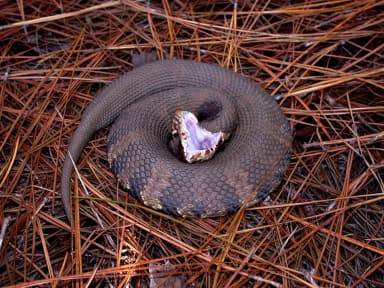
Cottonmouth
 Yotcmdr · Public domain
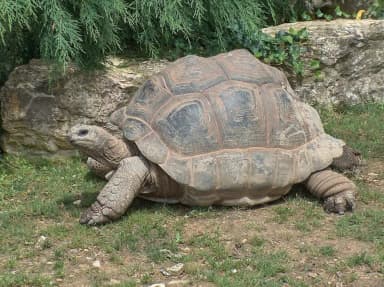
Aldabra Tortoise
 User:Postdlf · CC BY-SA 3.0
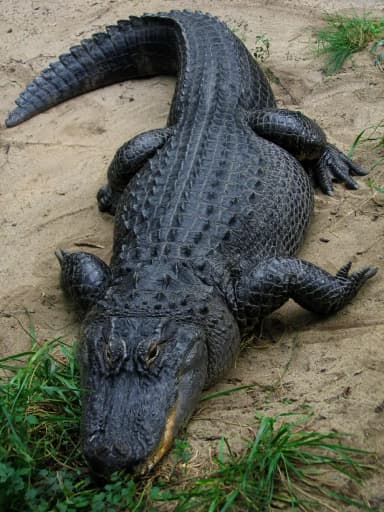
American Alligator
 Marius Burger · CC0
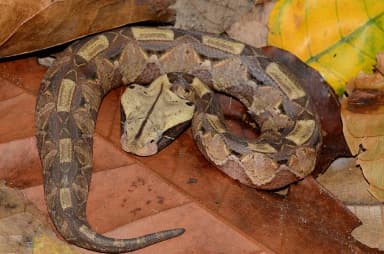
Gaboon Viper
 J. Patrick Fischer · CC BY-SA 3.0
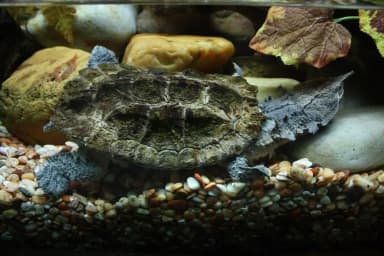
Matamata
 Caudatejake · CC BY-SA 4.0
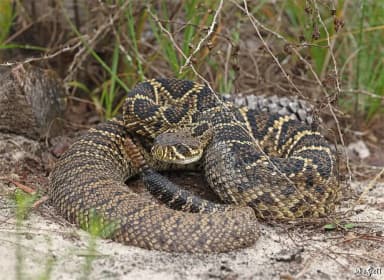
Eastern Diamondback Rattlesnake
 Peter Paplanus from St. Louis, Missouri · CC BY 2.0
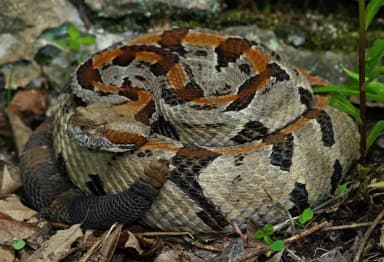
Timber Rattlesnake
 Tim Ross · Public domain
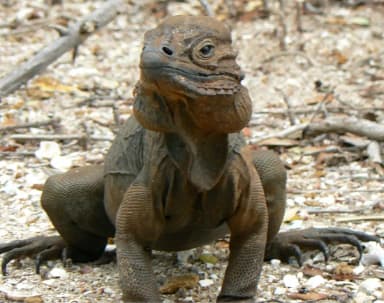
Rhinoceros Iguana
 Davidvraju · CC BY-SA 4.0
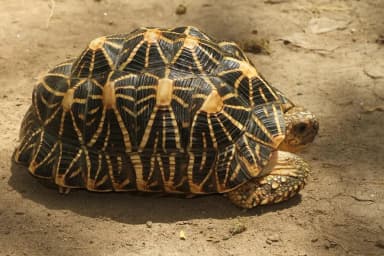
Indian Star Tortoise
 Ltshears · Public domain
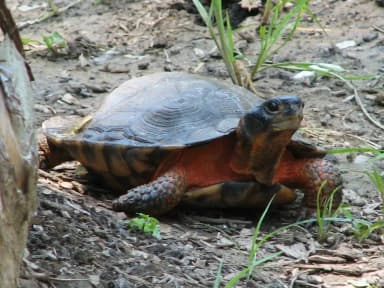
Wood Turtle
 Wikimedia Commons · Attribution
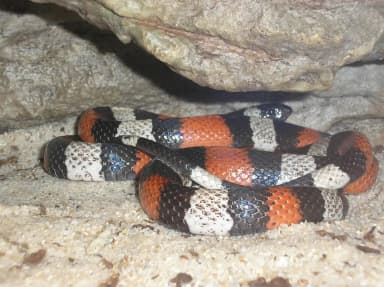
Pueblan Milk Snake
 Gary M. Stolz/U.S. Fish and Wildlife Service · Public domain
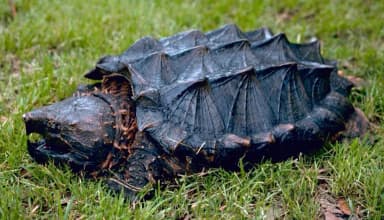
Alligator Snapping Turtle
 This photography was created by Mariluna . Other photos see here . · CC BY-SA 3.0
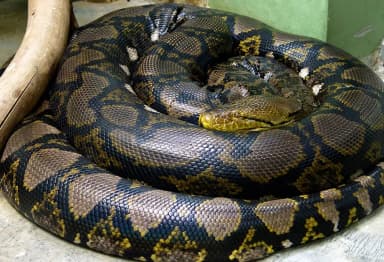
Reticulated Python
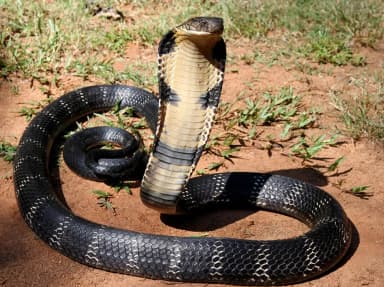 Michael Allen Smith from Seattle, USA · CC BY-SA 2.0
King Cobra
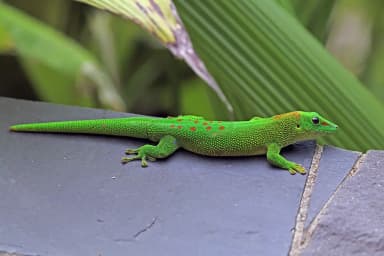 Charles J. Sharp · CC BY-SA 4.0
Madagascar Giant Day Gecko
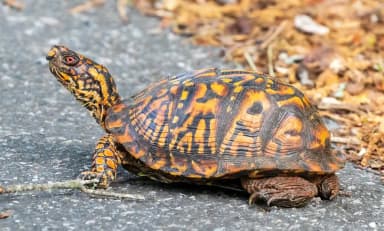 (c) Joshua Liverman, some rights reserved (CC BY) · CC BY 4.0
Eastern Box Turtle
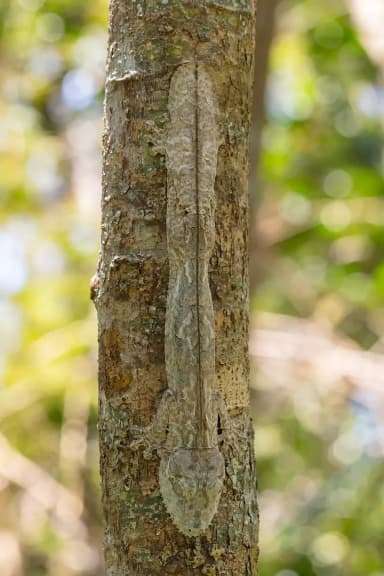 Diego Delso · CC BY-SA 4.0
Henkel's Leaf-tailed Gecko
 James Jolokia ( james1203 ) · CC BY 4.0
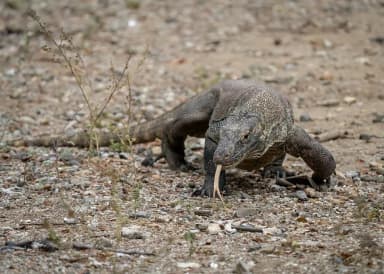
Komodo Dragon
Feathers & Fangs from visitors
What people who've been to Clyde Peeling's Reptiland say
A Feather is something this zoo does well; a Fang is something it gets wrong. Left by people who've been, and read by us before they appear.
Loading…
About Clyde Peeling's Reptiland
Clyde Peeling's Reptiland is a zoo at 18628 US-15 in Allenwood, Pennsylvania. The zoo's website describes it as a specialized zoo that presents reptiles and amphibians in naturalistic habitats, with the aim of dispelling common myths and inspiring scientific curiosity. Its About page says the zoo was designed around the philosophy that people want to see large and venomous reptiles and learn about them while being entertained.
The zoo is accredited by the Association of Zoos and Aquariums. Its FAQ says it has maintained that status since 1986, and that it is a privately owned and operated zoo that receives no outside funding. The About page also describes a traveling exhibit business: the zoo premiered its first traveling exhibit, Reptiles: The Beautiful and The Deadly, at the Liberty Science Center in Jersey City, New Jersey, in 1999, and its exhibition Frogs: A Chorus of Colors went on the road in 2003.
History
According to the zoo's About page, Reptiland opened on July 11, 1964. The page lists a series of later milestones. In 1986 the zoo was accredited by the Association of Zoos and Aquariums. In 1996 it built a 5,000-square-foot reptile and amphibian complex that allows exhibits to be displayed year-round. In 1997 it held its first fundraiser, Zoo Blues, for the Declining Amphibian Populations Task Force. Dinosaurs Come to Life arrived in 2011, and the Island Giants exhibit for Komodo dragons opened on June 14, 2013, and the zoo celebrated its 50th anniversary in 2014. The page also notes the 2019 death of Chad Peeling, whom it describes as integral to the zoo's modernization, and says the zoo launched virtual programming under the name Zoo Zooms in December 2020. Zoo operations are now managed by Clyde and Elliot Peeling, according to the page.
Exhibits and habitats
The zoo's website organizes the general admission experience into several areas.
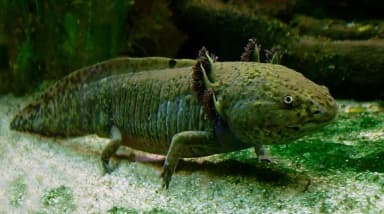
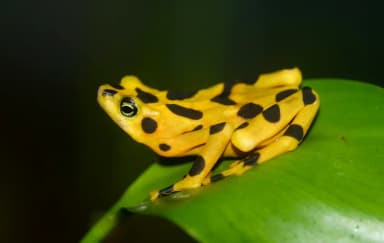
Exhibit Gallery. The website calls the gallery the center of Reptiland, a winding path of individual habitats that include rock outcroppings, trees, and live plants, with climate control. The gallery page lists the following species: alligator snapping turtle, matamata turtle, snake-necked turtle, leopard tortoise, saltwater crocodile, green anaconda, Gila monster, frilled dragon, Cuban knight anole, garter snake, eyelash viper, poison dart frog, king cobra, red spitting cobra, green mamba, Gaboon viper, timber rattlesnake, copperhead, reticulated python, axolotl, Panamanian golden frog, Cuban rock iguana, and a great horned owl. The page describes the collection as drawing on species from New Guinea, Australia, South America, Southeast Asia, and Africa. The About page also refers to an indoor exhibit gallery with more than 40 species.
Island Giants. This building houses Komodo dragons, which the zoo describes as the world's largest lizards, native to remote islands in the Lesser Sundas of Indonesia. It also houses Aldabra tortoises, including an adult male named Al; the home page names Al and Henry. The Island Giants page says visitors can watch the tortoises eat fruit or take part in a Meet and Feed the Gentle Giants experience. According to the page, Reptiland participates in the Komodo dragon Species Survival Plan and is working toward captive reproduction, but has not yet had dragon offspring.
Alligators. The alligator exhibit holds two adult American alligators: Rocky, an 11-foot male weighing about 600 pounds, and Adrian, a 9-foot female. The exhibit also includes an albino female alligator that the page says was acquired from the Dallas Zoo.
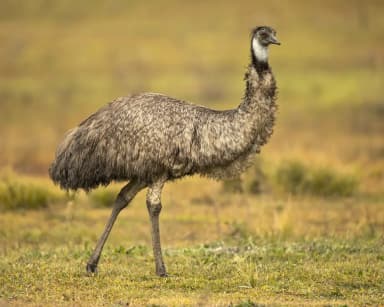
Dinosaurs Come to Life. An outdoor exhibit with life-size animatronic dinosaurs. The page lists 12 featured entries: Ankylosaurus, Brachiosaurus, Coelophysis, Dilophosaurus, Oviraptor, Pachycephalosaurus, Parasaurolophus, Stegosaurus, Triceratops, a Triceratops skeleton, Tyrannosaurus rex, and Velociraptor. Australian emus are on display alongside them, with the exhibit pointing out that birds are living dinosaurs.
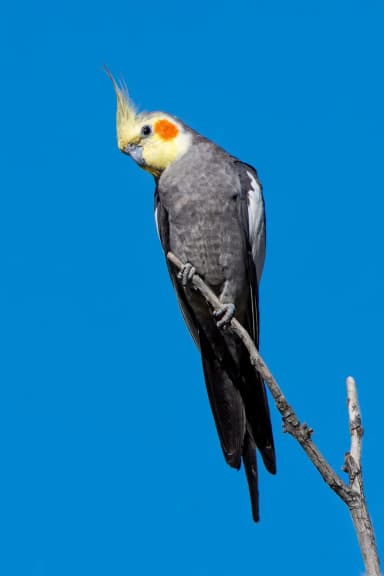
Parakeet Landing. A walk-through aviary of budgerigars where birds fly freely and may land on visitors. Seed sticks are sold for feeding. According to the website, the aviary is unheated and operates in scheduled time slots in the off-season, and the page notes that budgerigars tolerate varied climates.
Conservation and programs
The zoo participates in the Komodo dragon Species Survival Plan. The About page lists fundraisers including Zoo Blues, first held in 1997 for amphibian conservation, and Croctoberfest, an adult-only fundraiser for crocodilian conservation first held in 2016. Winos and Dinos, an adult-only event, began in 2019. The zoo launched an Adopt-an-Animal program in 2015.
Live shows are a central part of the visit. The website lists six rotating seasonal shows: Venom, Desert Dwellers, Tropical Rainforest, Reptile Diversity, Ancient Adaptations, and Lizards and Snakes Alive. Each show is listed as 30 minutes and includes a touch opportunity. The site lists animal encounters at set times each day as well.
Other programs listed on the site include behind-the-scenes tours, birthday parties, field trips, and discounted rates for scheduled groups of 15 or more. The FAQ lists annual or recurring events including Komodo Dragon Feedings, Creature Feature, Birds of Prey Day, Dino Days, Winos and Dinos, Croctoberfest, and Flashlight Safari. The behind-the-scenes tour lasts 30 minutes and visits the Reptiland nursery, where the site says guests may see poison dart frog tadpoles, recently hatched geckos and lizards, eggs in incubation, juvenile king cobras, dwarf crocodiles, juvenile green mambas, tarantulas, scorpions, and the venomous snake collection. Photography and video are prohibited on the tour, and children aged 11 and under must be accompanied by an adult.
Planning your visit
As listed on the zoo's website, Reptiland is open daily. From Memorial Day weekend through Labor Day the listed hours are 9 a.m. to 5 p.m., and from the day after Labor Day until the Friday before Memorial Day they are 10 a.m. to 5 p.m. Live shows are listed at five times a day in summer and four times a day in the off-season. The zoo's FAQ says it is open year-round in all weather, but may close for extreme winter storms or for thunderstorms that cause power loss.
Per the FAQ, the average visit is about two hours, with a range of one to three or more hours. Exhibits are primarily indoors, with outdoor habitats and the outdoor dinosaur exhibit in the warmer months, and guests must walk outside between buildings. General admission is described as including the exhibits, live shows, keeper talks, and animal encounters, but not premium experiences or animal feeding fees. The website lists ticket categories for ages 12 and over, ages 3 to 11, and ages 2 and under, who are listed as free. Current prices and online tickets are on the zoo's website.
There is no full food service on site. A small snack bar called Croc Bites sells prepackaged items and beverages, and the FAQ encourages guests to bring outside food, with outdoor picnic areas and limited indoor seating. The zoo's phone number is 570-538-1869.
What we haven't confirmed
Everything above came from public sources. These specifics we haven't stood behind yet:
- Parking details
- Wheelchair and stroller policies
- Current ticket prices
- Pet policy
- Exact number of species in the full collection
Clyde Peeling's Reptiland compared with nearby zoos
How Clyde Peeling's Reptiland lines up against the closest zoos we have details for — useful if you're deciding between them for the same day out.
| Zoo | Distance | Admission | Hours | Size | AZA |
|---|---|---|---|---|---|
| Clyde Peeling's ReptilandThis zooAllenwood, PA | — | $22 | Off-season (day after Labor Day – Friday before Memorial Day): daily 10:00 AM – 5:00 PM. Summer (Memorial Day weekend – Labor Day): daily 9:00 AM – 5:00 PM. | — | Yes |
| ZooAmericaHershey, PA | 60 mi | $16.50 | 10 AM – 4:30 PM | 11 acres | Yes |
| Lehigh Valley ZooSchnecksville, PA | 75 mi | $12–$18 | 10am – 4pm | 29 acres | Yes |
| Ross Park ZooBinghamton, NY | 83 mi | $8 | 10 am – 4 pm | — | No |
Distances are straight-line. A dash means we haven't confirmed that detail yet, not that the zoo lacks it.
AZAThe Association of Zoos and Aquariums. Accredited members have passed an independent inspection of animal care and welfare, safety, conservation and education, repeated every five years. Many smaller facilities never apply, so “not accredited” isn't a verdict on its own. What accreditation means · How we check this
Clyde Peeling's Reptiland: common questions
Is Clyde Peeling's Reptiland AZA accredited?
Yes. The zoo's website states it is accredited by the Association of Zoos and Aquariums, and gives 1986 as the year of accreditation.
When did Reptiland open?
The zoo's About page gives July 11, 1964, as its founding date.
What animals can visitors see?
According to the zoo's website, the collection includes Komodo dragons, Aldabra tortoises, American alligators, venomous snakes such as king cobras and green mambas, and amphibians including axolotls and poison dart frogs.
How long does a visit take?
The zoo's FAQ says about two hours on average, ranging from one to three or more hours.
Can visitors bring food?
The FAQ states that outside food is encouraged and that picnic areas are available.
Does the zoo stay open in winter?
The zoo's website lists off-season hours from the day after Labor Day until the Friday before Memorial Day, and its FAQ says it operates year-round, with possible closures in extreme weather.
Something wrong here? Tell us — we correct in place, with a dated note.