
- Admission
- $24
- Size
- 40 acres
- Opened
- 1965
- Accreditation
- AZA
Association of Zoos and Aquariums
Everything below is directory information drawn from public sources and the zoo's own site.
Animals at Fort Wayne Zoo
98 confirmedMammals35
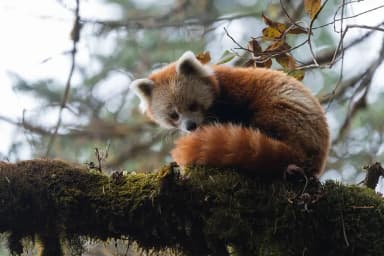 Sunuwargr · CC BY-SA 4.0
Red panda
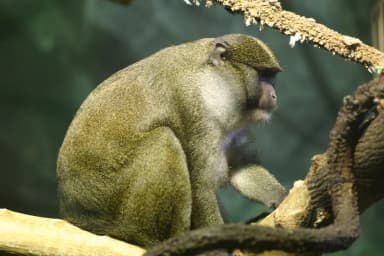 Grendelkhan · CC BY-SA 3.0
Allen's Swamp Monkey
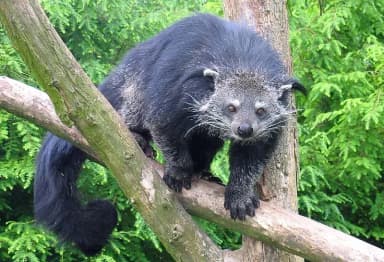 Tassilo Rau · CC BY-SA 3.0
Binturong
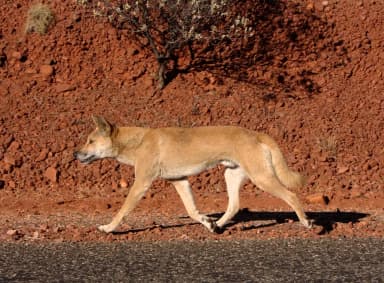 Jarrod Amoore from Sydney, Australia · CC BY 2.0
Dingo
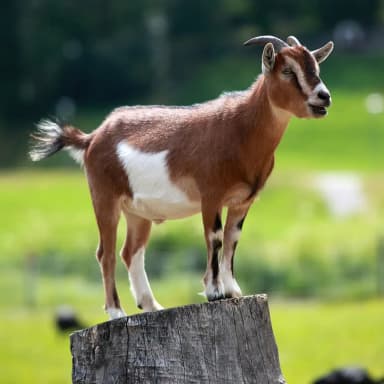 Kuebi = Armin Kübelbeck · CC BY-SA 3.0
Nigerian Dwarf Goat
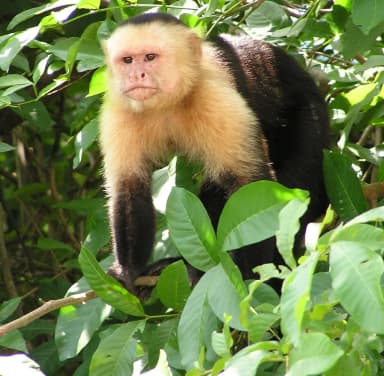 David M. Jensen ( Storkk ) · CC BY-SA 3.0
Capuchin Monkey
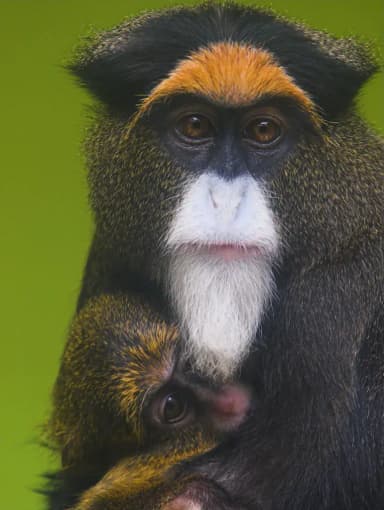 su neko · CC BY 2.0
De Brazza's Monkey
 Tuxyso · CC BY-SA 3.0
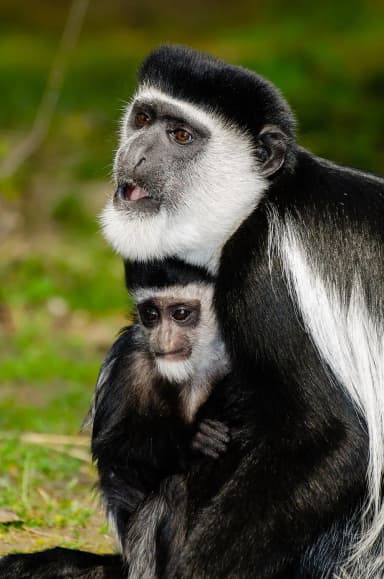
Black-and-white Colobus
 Charles J. Sharp · CC BY-SA 4.0
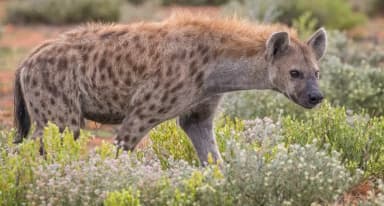
Spotted Hyena
 Bernard DUPONT from FRANCE · CC BY-SA 2.0
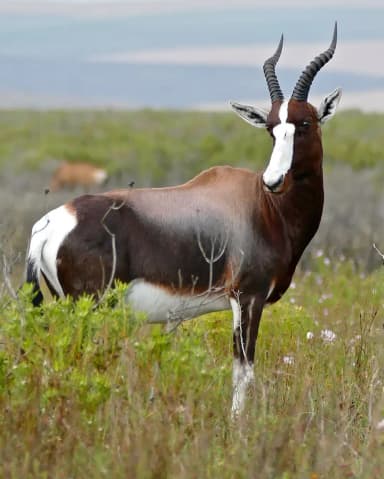
Bontebok
 Adrian Pingstone · Public domain
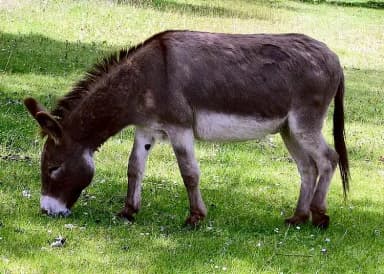
Miniature Donkey
 Relative of Brandt Luke Zorn, most likely his father. · CC BY-SA 2.0
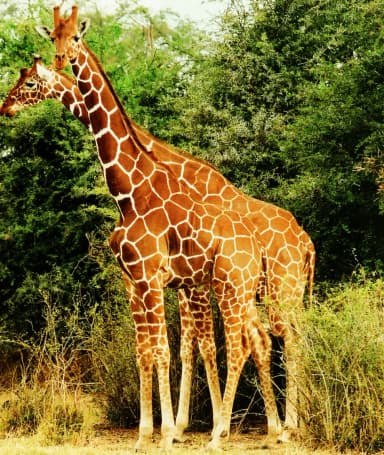
Reticulated giraffe
 Steven Lek · CC BY-SA 4.0
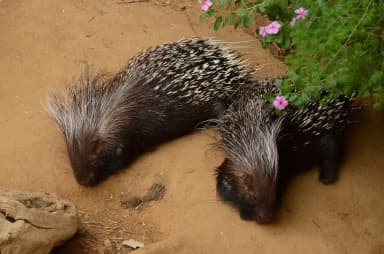
Cape Porcupine
 Charles J. Sharp · CC BY-SA 4.0
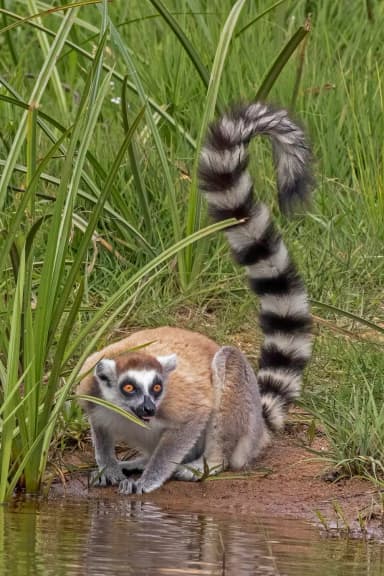
Ring-tailed Lemur
 Diego Delso · CC BY-SA 4.0
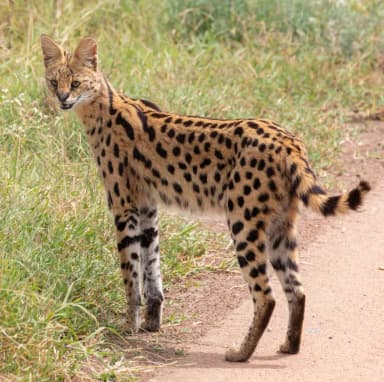
Serval
 Michael Zahra · CC BY-SA 3.0
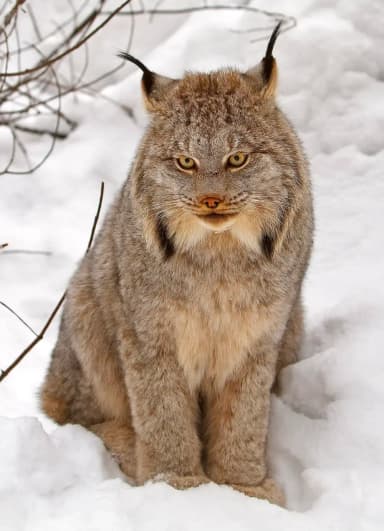
Canada Lynx
 Rufus46 · CC BY-SA 3.0
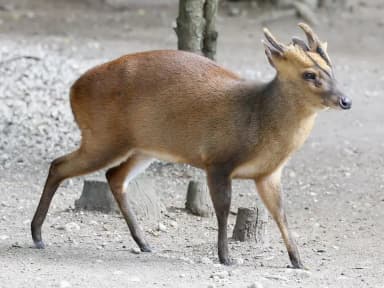
Reeve's Muntjac
 Rushenb · CC BY-SA 4.0
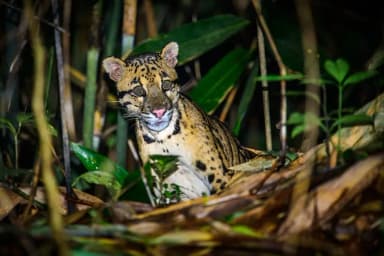
Clouded Leopard
 euqirneto · CC BY 4.0
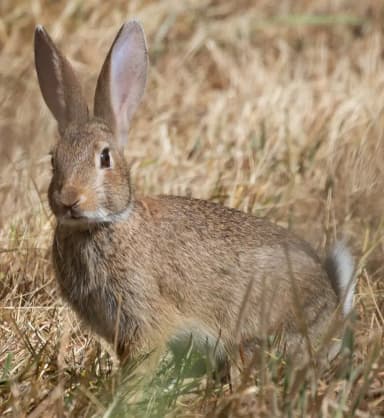
Flemish Giant Rabbit
 Yathin S Krishnappa · CC BY-SA 3.0
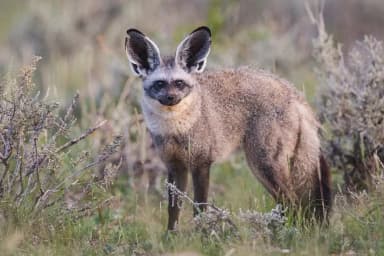
Bat-eared Fox
 Giles Laurent · CC BY-SA 4.0
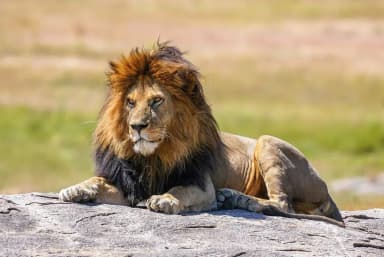
Lion
 Charles J. Sharp · CC BY-SA 4.0
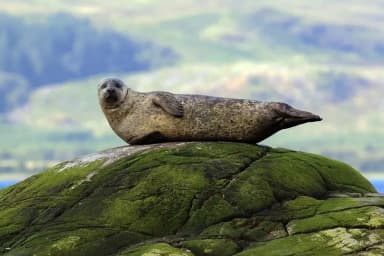
Harbor Seal
 kallerna · CC BY-SA 4.0
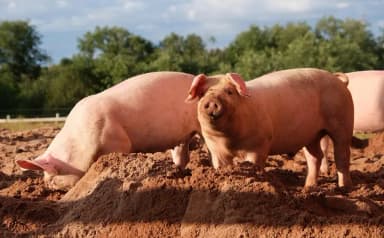
Kunekune Pig
 Løken · CC BY-SA 3.0
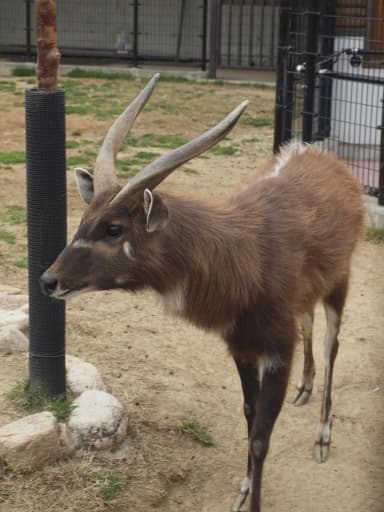
Sitatunga
 Long Vu · CC BY 4.0
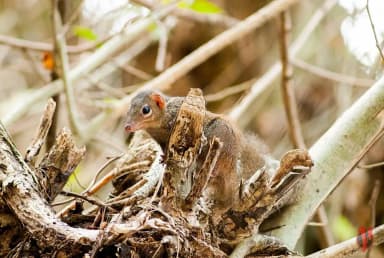
Northern Tree Shrew
 (c) Jonathan Eisen, some rights reserved (CC BY) · CC BY 4.0
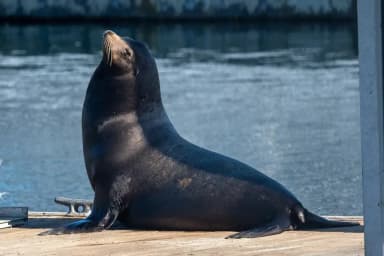
California Sea Lion
Birds35
 Francis C. Franklin · CC BY-SA 3.0
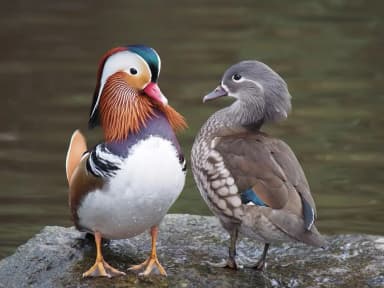
Mandarin Duck
 http://www.birdphotos.com · CC BY 3.0
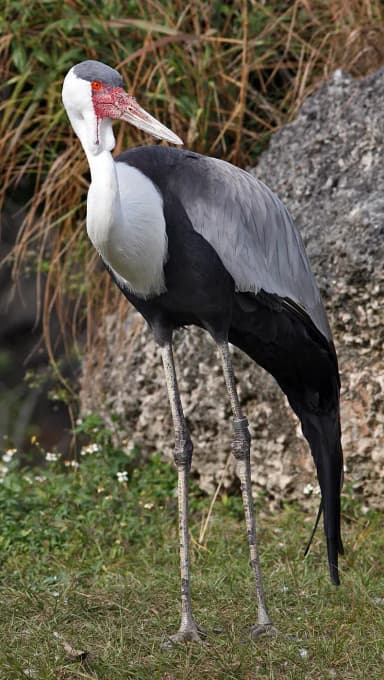
Wattled Crane
 Becky Matsubara from El Sobrante, California · CC BY 2.0
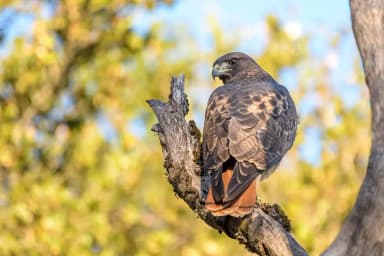
Red-tailed Hawk
 ziggypop74 · CC BY 4.0
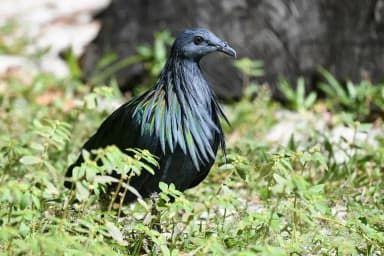
Nicobar Pigeon
 Charles J. Sharp · CC BY-SA 4.0
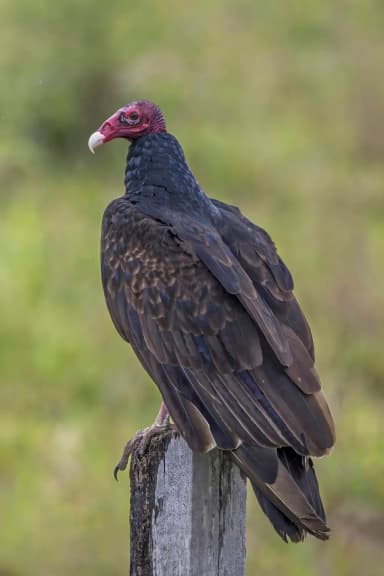
Turkey Vulture
 Charles J. Sharp · CC BY-SA 4.0
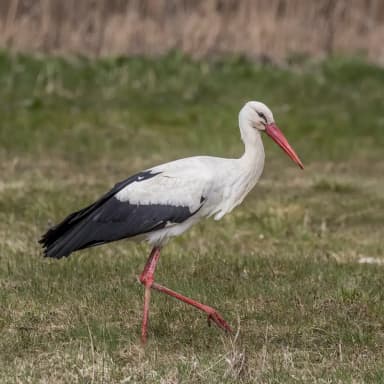
White Stork
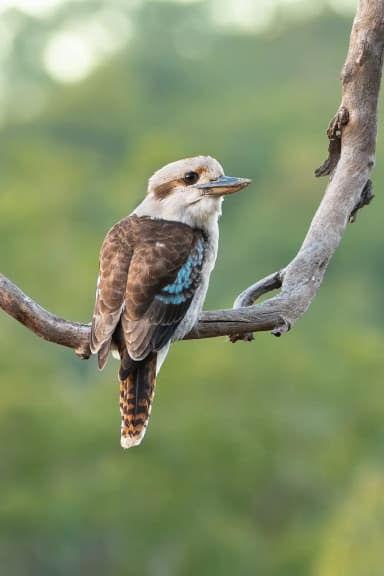 Photo by: Paulweberphoto - paulweberphoto.com · CC BY 4.0
Laughing Kookaburra
 JJ Harrison ( https://tiny.jjharrison.com.au/t/awbKQM2Ekae0XKza ) · CC BY-SA 4.0
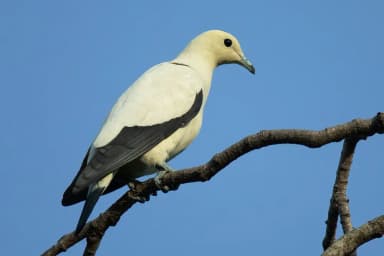
Pied Imperial Pigeon
 JJ Harrison · CC BY-SA 4.0
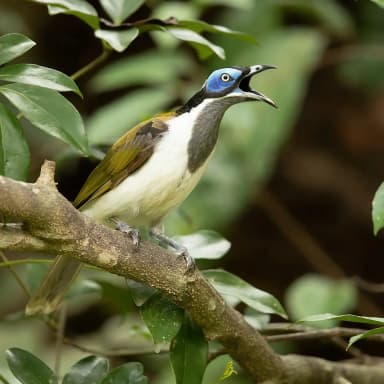
Blue-faced Honeyeater
 Kao-Tai · Public domain
Luzon Bleeding-heart Dove
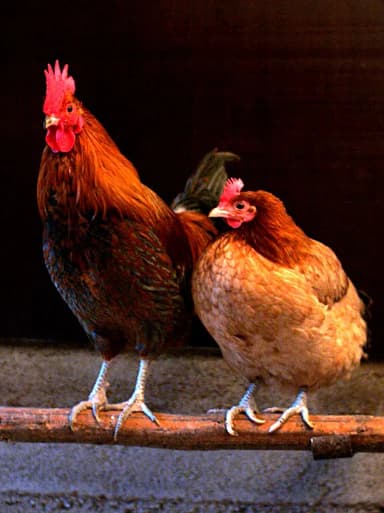 Andrei Niemimäki from Turku, Finland · CC BY-SA 2.0
Chicken
 Jörg Hempel · CC BY-SA 3.0 de
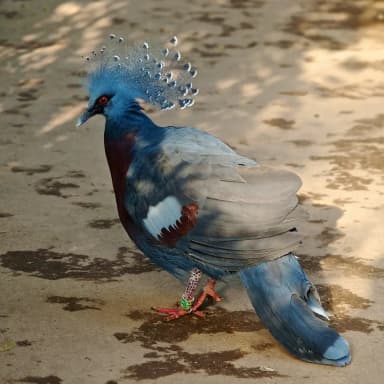
Victoria Crowned Pigeon
 Andy Morffew from Itchen Abbas, Hampshire, UK · CC BY 2.0
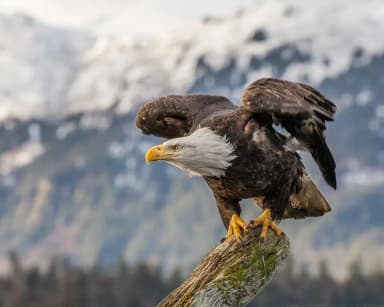
Bald Eagle
 Charles J. Sharp · CC BY-SA 4.0
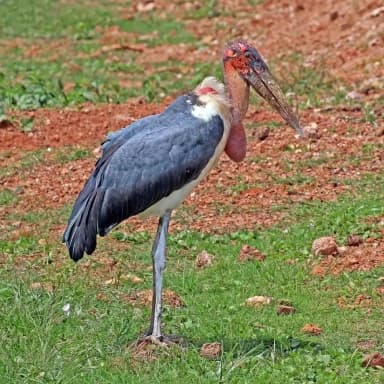
Marabou Stork
 Mark Dumont · CC BY 2.0
Green-naped Pheasant Pigeon
 Kandukuru Nagarjun from Bangalore, India · CC BY 2.0
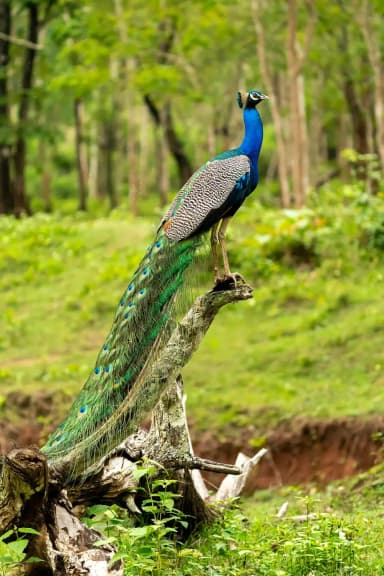
Peafowl
 Devin Morris · CC BY-SA 4.0
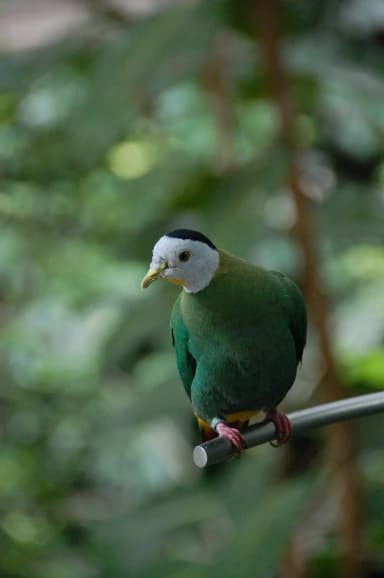
Black-naped Fruit Dove
 tcager · CC0
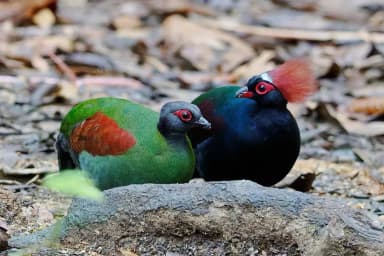
Crested Wood Partridge
 Matti Blume · CC BY-SA 4.0
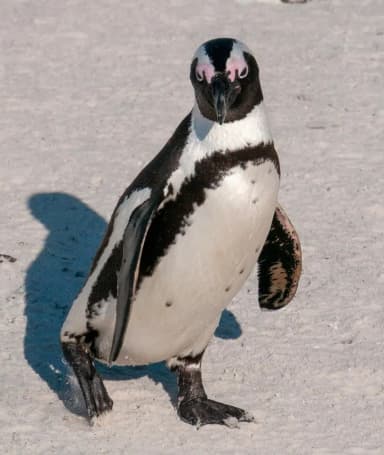
African penguin
 Yathin S Krishnappa · CC BY-SA 4.0
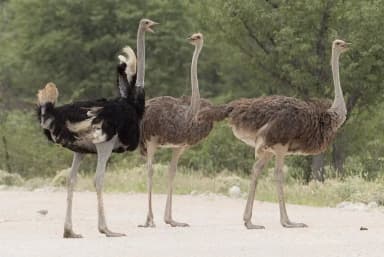
Ostrich
 Rod Waddington from Kergunyah, Australia · CC BY-SA 2.0
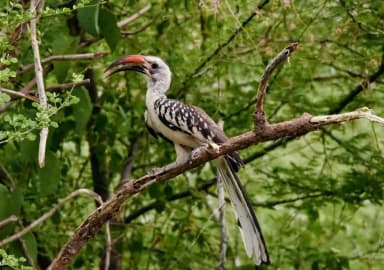
Red-billed Hornbill
 Charles J. Sharp · CC BY-SA 4.0
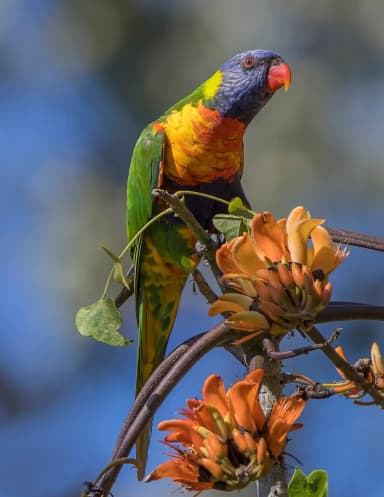
Rainbow Lorikeet
Reptiles10
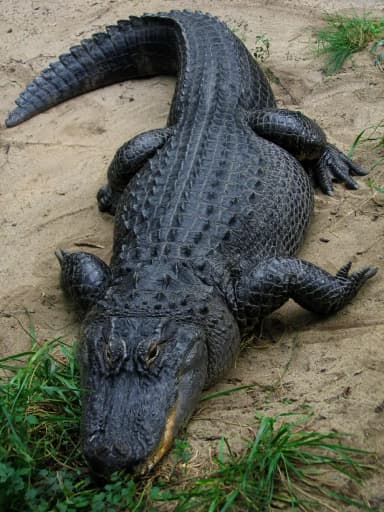
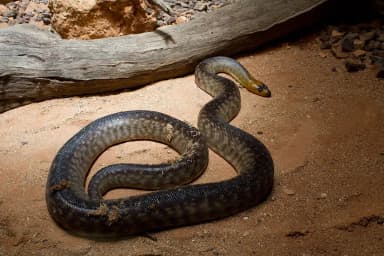
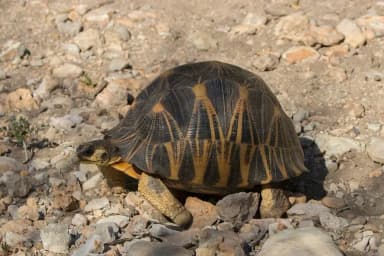
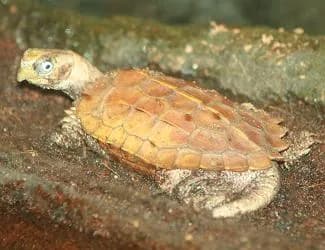
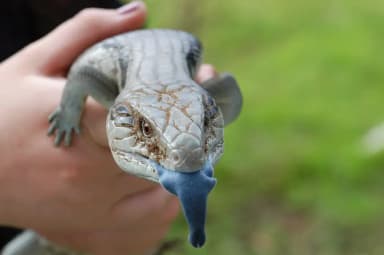
Amphibians2
Fish15
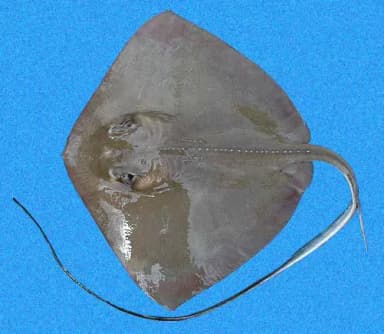 D Ross Robertson · Public domain
Southern Stingray
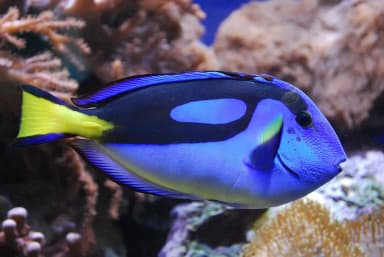 DerHans04 · CC BY-SA 3.0
Blue Tang
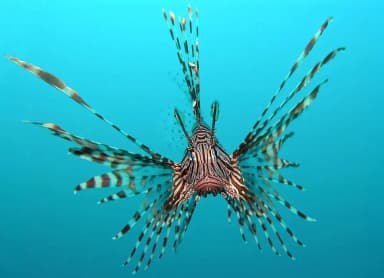 Photo by Jens Petersen , Edited by User:Olegiwit (cloned in part of fins) and Fir0002 (removed spots and noise) · CC BY 2.5
Lionfish
 This illustration was made by Citron You must credit this : Citron / CC-BY-SA-3.0 · CC BY-SA 3.0
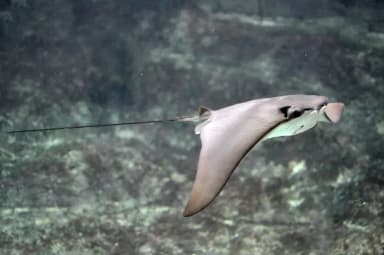
Cownose Ray
 Luc Viatour · CC BY-SA 3.0
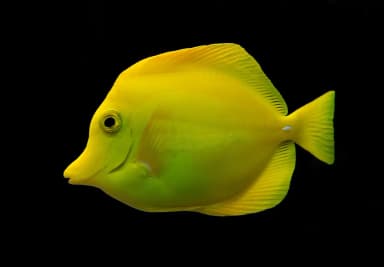
Yellow Tang
Invertebrates1
Feathers & Fangs from visitors
What people who've been to Fort Wayne Zoo say
A Feather is something this zoo does well; a Fang is something it gets wrong. Left by people who've been, and read by us before they appear.
Loading…
About Fort Wayne Zoo
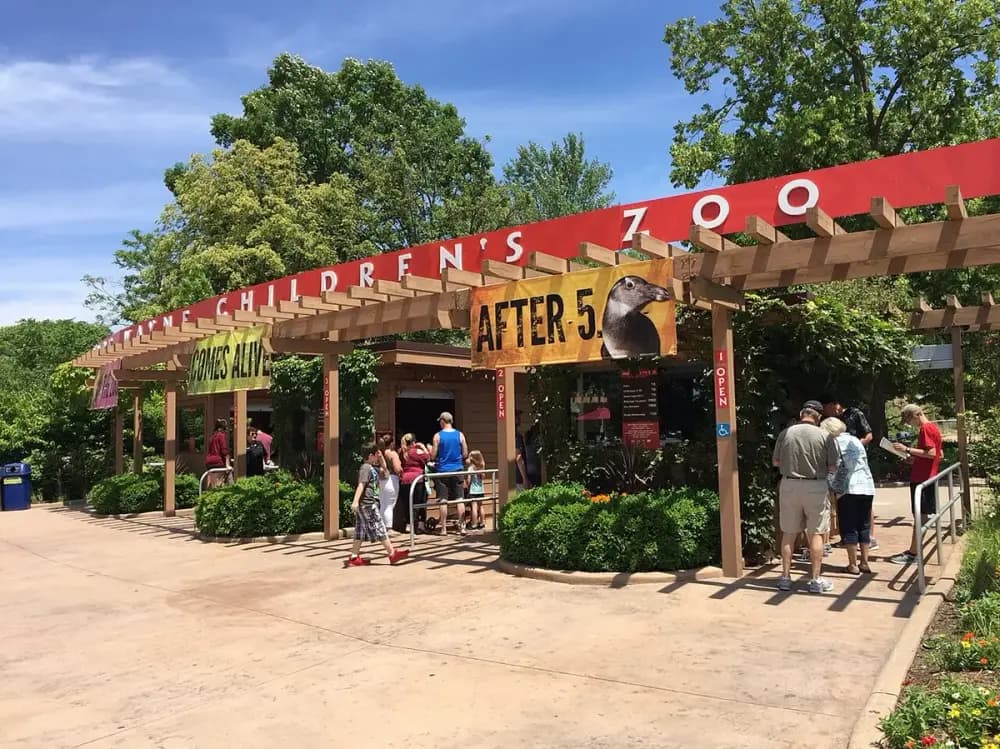
Fort Wayne Zoo occupies 40 acres inside Franke Park in Fort Wayne, Indiana, and has been open since 1965. It is run by the non-profit Fort Wayne Zoological Society under a cooperative agreement with the Fort Wayne Parks and Recreation Department, and it receives no tax funding for its operations, relying instead on earned revenue and donations. The zoo is accredited by the Association of Zoos and Aquariums and is home to roughly 1,000 animals.
The zoo opened as the Franke Park Zoo before quickly becoming the Fort Wayne Children's Zoo in 1965; it adopted its current name, the Fort Wayne Zoo, on January 1, 2025. Its stated mission is "Connecting Kids and Animals, Strengthening Families and Inspiring People to Care." The zoo has drawn national attention over the years — in 2015, TripAdvisor named it the seventh-best zoo in the nation.
Fort Wayne Zoo is organized into several self-contained biomes, each themed to a different region of the world: the African Journey, the Australian Adventure, the Central Zoo, the Indiana Family Farm, the Asian Trek, and the newer Coastal Cove. Rides, a farm area, and animal feeding experiences are woven throughout the grounds alongside the exhibits themselves.
History
The zoo's roots go back to 1952, when 54 acres were added to Franke Park to establish a nature preserve. The preserve's popularity led Fort Wayne officials to plan a full zoo by 1962, with a stated mission of educating children about animals. On July 3, 1965, the Fort Wayne Children's Zoo opened on 5.5 acres with 18 animal exhibits, under founding director Earl Wells.
Expansion followed steadily. In 1976, the African Veldt attraction opened, letting savanna animals graze in open fields east of the Central Zoo. The Australian Adventure premiered in 1987, and a domed Indonesian Rain Forest exhibit opened in 1994, followed by Orangutan Valley in 1995 and Tiger Forest in 1996. On November 2, 2007, a fire broke out in Styrofoam rockwork under construction for the new African Journey expansion — the largest project in the zoo's history to that point — sending smoke visible across the region, though no workers or animals were harmed.
The zoo marked its 50th anniversary on July 1, 2015, with roughly 400 guests, and the occasion was honored in that year's Three Rivers Festival parade. Jim Anderson, executive director since 1994, announced his retirement in 2020, and Rick Schuiteman, formerly of SeaWorld San Diego, succeeded him that September as only the third executive director in the zoo's history. In February 2021, two of the zoo's Sumatran tigers tested positive for COVID-19 after showing mild coughs; both recovered without incident. In 2022, the zoo contributed $5,000 from its Conservation Fund to support Ukrainian zoo animals and keeper staff through the European Association of Zoos and Aquaria during the Russian invasion. In 2023, the former Indonesian Rainforest area was reimagined as the Asian Trek, expanding its footprint to include Bamboo Forest and Red Panda Ridge. The zoo dropped "Children's" from its name effective January 1, 2025.
One of the zoo's best-documented animal stories involves its Sumatran orangutans. On November 22, 2014, a 19-year-old female named Tara gave birth to Asmara, following a pregnancy managed under a detailed Birth Management Plan developed with the Association of Zoos and Aquariums' Orangutan Species Survival Plan. Tara had arrived from the Columbus Zoo in 2013; the baby's father, Tengku, had come to Fort Wayne in 1995 from Zoo Atlanta. Asmara and her mother remain popular draws in Orangutan Valley, alongside a second adult male, Owen, a spayed hybrid orangutan who serves as a father figure to Asmara.
Exhibits and habitats
The African Journey opened June 6, 2009, on the former site of the African Veldt, at a cost of about $9 million — the largest expansion in the zoo's history at the time. It includes an African lion exhibit, an African Village with an interactive cultural center, a reticulated giraffe feeding area, Safari Trail, plains zebras and wildebeest, and exhibits for banded mongooses, Rüppell's griffon vultures, Kirk's dik-diks, spotted hyenas, honey badgers, bat-eared foxes, great white pelicans, servals, and Amur leopards. The Sky Safari, a ski-lift-style ride, carries riders over the Serengeti-themed landscape.
The Australian Adventure now centers on a stingray exhibit and a new aquarium, reached through a new plaza, along with an exhibit for Tasmanian devils; the Kangaroo Walkabout lets eastern grey kangaroos roam an area guests can walk through, and dingoes, an aviary of native Australian birds, and a Crocodile Creek Adventure Ride round out the area.
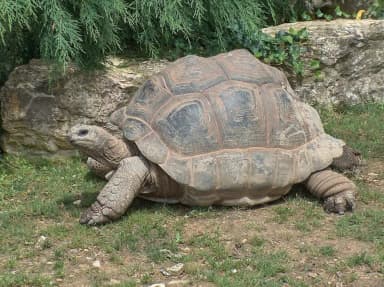
The Central Zoo houses assorted animals from the Americas and elsewhere, including Canada lynx, ring-tailed lemurs, African penguins, Aldabra tortoises, and American alligators, with Panamanian white-faced capuchin monkeys on Monkey Island and Indian peafowl roaming freely. The Indiana Family Farm, expanded from a simple petting zoo, models a barn and farmhouse where horses, sheep, rabbits, calves, and goats can be petted, with pellet and bottle feeding available for a fee.
Coastal Cove, which opened in 2025, is the zoo's newest major attraction, home to California sea lions and harbor seals in a large rocky-shores habitat with sunning beaches, a guest viewing gallery, and a West Coast-style lighthouse; the zoo runs periodic sea lion presentations and offers Wild Encounters that let guests enter the habitat.
The Asian Trek, formerly the Indonesian Rainforest, features Sumatran orangutans, Sumatran tigers, Komodo dragons, reticulated pythons, clouded leopards, red pandas, and a domed aviary of birds, fish, and reptiles, alongside the Endangered Species Carousel and Bamboo Maze in Red Panda Ridge.
Animal highlights
The zoo lists at least 98 species on its website, spanning mammals, birds, reptiles, amphibians, and fish. Large mammals on view include lions, Sumatran tigers, clouded leopards, servals, spotted hyenas, reticulated giraffes, and a bontebok and white-bearded wildebeest, alongside a red panda, ring-tailed lemurs, Javan gibbons, and a Sumatran orangutan. Marine and aquatic species include California sea lions, harbor seals, a blacktip reef shark, a zebra shark, cownose rays, and southern stingrays. The bird collection ranges from African penguins, bald eagles, and great white pelicans to a Victoria crowned pigeon, wattled cranes, kookaburras, and rainbow lorikeets. Reptiles and amphibians include Aldabra and radiated tortoises, American alligators, a woma python, and a Vietnamese mossy frog, and the farm areas keep domestic breeds such as Kunekune pigs, Nigerian dwarf goats, and Shetland sheep.
Conservation and programs
Fort Wayne Zoo participates in over 56 Species Survival Plan programs and works with more than 30 conservation partners around the globe, breeding endangered animals as part of that network. Guests take part directly through the Kids for Nature Kiosk near the entrance, where visitors "vote" with a penny included in their admission — and additional coins if they choose — for one of several featured conservation projects; recent partners featured there have included the Save the Tasmanian Devil Program, the Pan African Sanctuary Alliance, and the Pacific Marine Mammal Center, which works to rehabilitate stranded harbor seals and California sea lions.
Education runs through Kids for Nature camps for children from PreK through summer camp age, free lesson plans for teachers from PreK through ninth grade, and the Teens for Nature program, a leadership program for seventh- through twelfth-graders in which more than 300 teens volunteer, assisting with Kids for Nature programs, guest education activities, conservation projects, and daily animal care tasks alongside zookeepers.
The zoo also runs sustainability programs on-site, including recycling of donated firehoses into animal enrichment items such as braided feeders and hammocks, a cell phone and small-electronics recycling program tied to reducing demand for coltan mined in gorilla habitat, a holiday lights collection drive, and composting of more than 200 tons of organic waste each year. The zoo has been a Bright Green Certified Business since 2010 and was named Sustainable Business of the Year in 2014 by the Northeast Indiana Sustainable Business Council.
Planning your visit
The zoo strives to make all areas stroller, wagon, and wheelchair accessible. Wheelchairs, strollers, and wagons are available at the main entrance on a first-come, first-served basis, with rental fees listed as $12 for a single stroller, $15 for a double, $16 for a wagon, and free for a wheelchair with ID held during use; electric conveyance vehicles rent for $27 and require a renter to be at least 18 with photo ID. The zoo is a certified sensory-inclusive facility registered with KultureCity, offering quiet spaces, sensory bags, and headphones, and it holds Autism Center certification through IBCCES, with staff trained in autism-specific programs. A mothers' room is available behind Guest Services near the front gate.
Accessible parking is available in front of Guest Services at the zoo entrance. The zoo accepts cash, Visa, MasterCard, Discover, and American Express at the gate, gift shop, and concession stands, though rides require digital ride passes and tickets. Service animals are welcome throughout most of the park, with exceptions for a few walkthrough exhibits where physical contact with zoo animals is possible.
As listed on the zoo's website, current information on hours and admission should be confirmed directly with the zoo before a visit, since both can change with the season and with special events.
What we haven't confirmed
Everything above came from public sources. These specifics we haven't stood behind yet:
- Current admission prices
- Total animal count beyond the approximate figure given
- Published species count
- Estimated time needed for a visit
- Parking cost
Fort Wayne Zoo compared with nearby zoos
How Fort Wayne Zoo lines up against the closest zoos we have details for — useful if you're deciding between them for the same day out.
| Zoo | Distance | Admission | Hours | Size | AZA |
|---|---|---|---|---|---|
| Fort Wayne ZooThis zooFort Wayne, IN | — | $24 | 6:00 pm – 9:30 pm | 40 acres | Yes |
| Potawatomi ZooSouth Bend, IN | 67 mi | $16 | 10 am – 5 pm | 23 acres | Yes |
| Binder Park ZooBattle Creek, MI | 79 mi | $19.95 | October: Mon–Fri 10:00 AM – 4:00 PM; Sat–Sun 10:00 AM – 5:00 PM. Admission closes 30 minutes before zoo closing. | 433 acres | Yes |
| Toledo ZooToledo, OH | 89 mi | $32 | 10 am – 4 pm | — | Yes |
Distances are straight-line. A dash means we haven't confirmed that detail yet, not that the zoo lacks it.
AZAThe Association of Zoos and Aquariums. Accredited members have passed an independent inspection of animal care and welfare, safety, conservation and education, repeated every five years. Many smaller facilities never apply, so “not accredited” isn't a verdict on its own. What accreditation means · How we check this
Fort Wayne Zoo: common questions
Is Fort Wayne Zoo AZA accredited?
Yes, the zoo is accredited by the Association of Zoos and Aquariums.
How big is Fort Wayne Zoo?
It covers 40 acres inside Franke Park.
When did Fort Wayne Zoo open?
It opened to the public on July 3, 1965, as the Fort Wayne Children's Zoo, and was renamed the Fort Wayne Zoo on January 1, 2025.
What animals can you see at Fort Wayne Zoo?
At least 98 species, including lions, Sumatran tigers, clouded leopards, red pandas, California sea lions, harbor seals, reticulated giraffes, and a range of birds, reptiles, and farm animals.
Is Fort Wayne Zoo stroller and wheelchair accessible?
Yes, all areas are described as accessible, with strollers, wagons, and wheelchairs available to rent or borrow at the main entrance.
Does Fort Wayne Zoo participate in conservation work?
Yes. The zoo takes part in more than 56 Species Survival Plan programs and partners with over 30 conservation organizations worldwide.
Something wrong here? Tell us — we correct in place, with a dated note.