
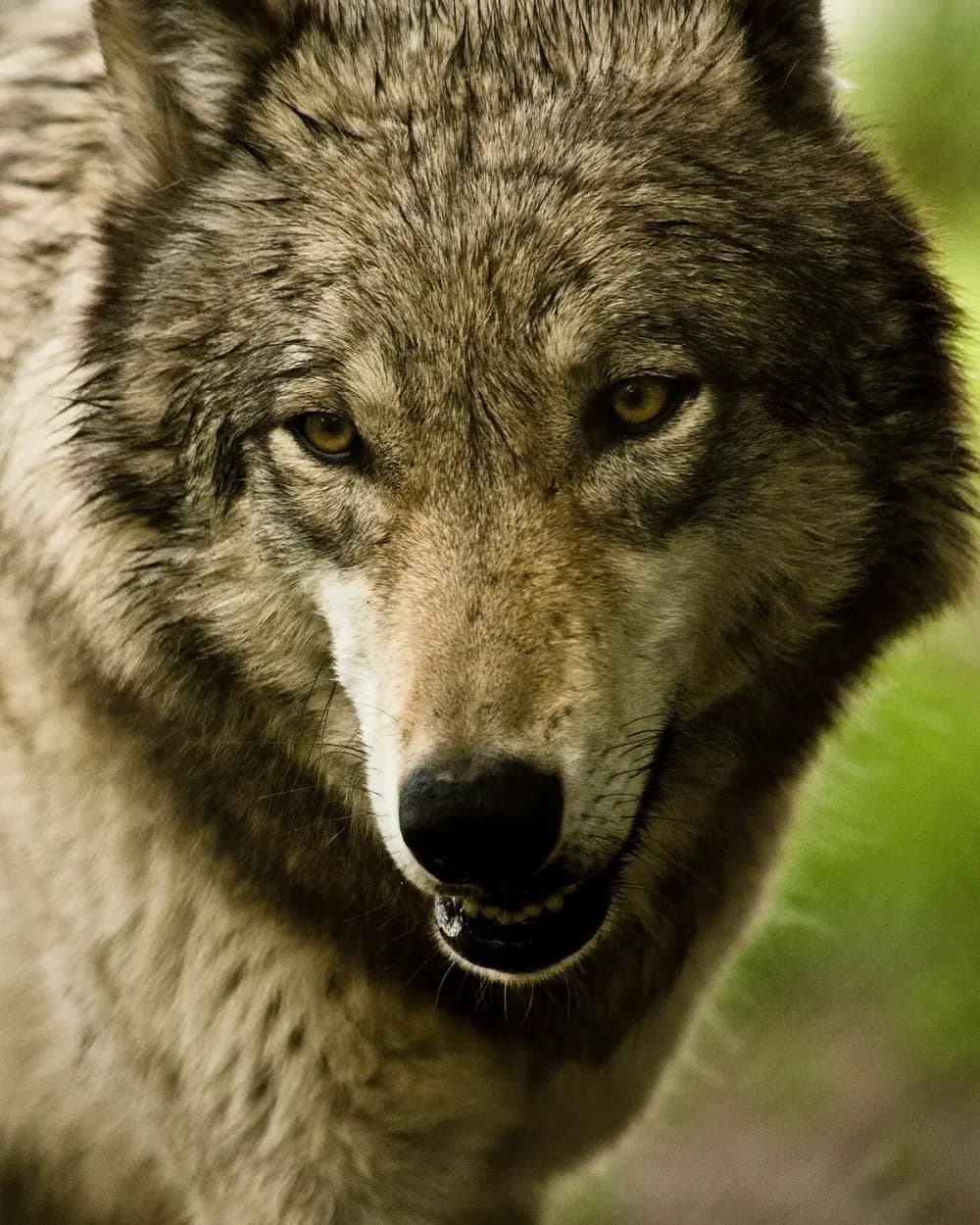
- Admission
- $12
- Animals
- 135
- Opened
- 1914
- Accreditation
- AZA
Association of Zoos and Aquariums
Everything below is directory information drawn from public sources and the zoo's own site.
Animals at Roosevelt Park Zoo
44 of the ~68 species this zoo listsMammals16
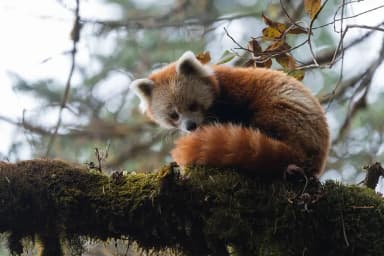 Sunuwargr · CC BY-SA 4.0
Red panda
 Jkasvi ( talk · contribs ) · CC BY-SA 3.0
Hedgehog
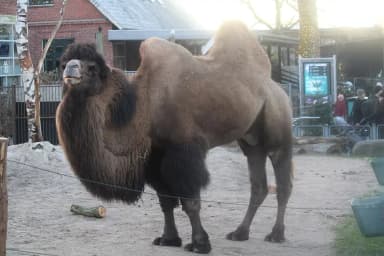 Christian Ursilva from Copenhagen, Denmark · CC BY-SA 4.0
Bactrian Camel
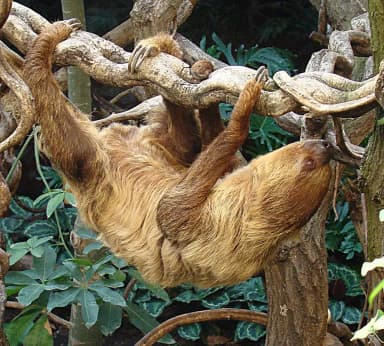 Dick Culbert from Gibsons, B.C., Canada · CC BY 2.0
Linnaeus's Two-toed Sloth
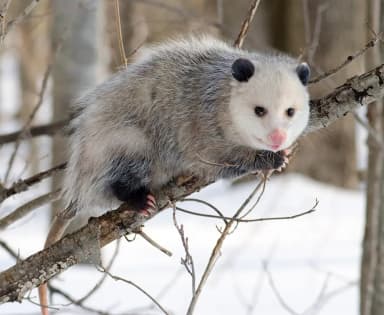 Cody Pope · CC BY-SA 2.5
Virginia Opossum
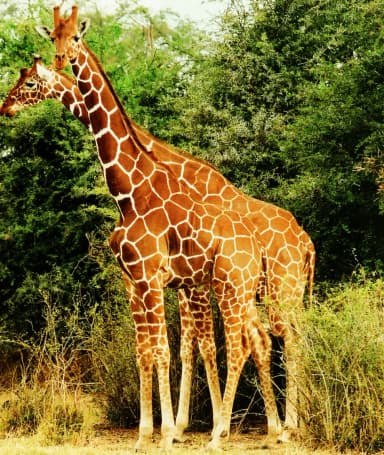 Relative of Brandt Luke Zorn, most likely his father. · CC BY-SA 2.0
Reticulated giraffe
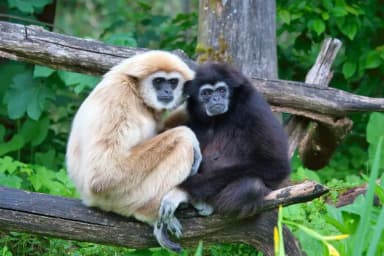 User:MatthiasKabel · CC BY 2.5
White-handed Gibbon
 Charles J. Sharp · CC BY-SA 4.0
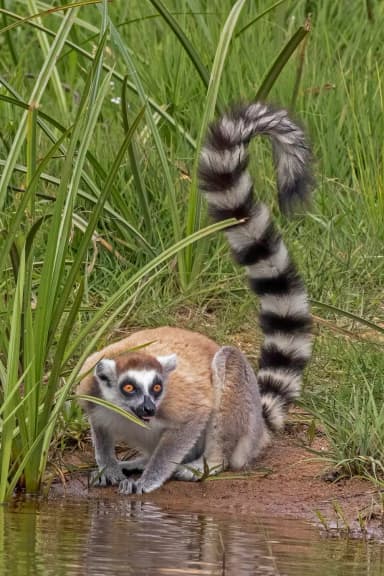
Ring-tailed Lemur
 USFWS Mountain Prairie · Public domain
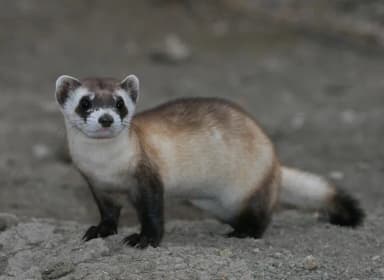
Black-footed Ferret
 Daniel Jolivet · CC BY 2.0
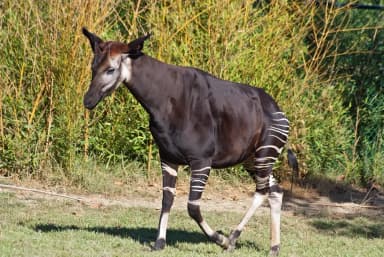
Okapi
 Giles Laurent · CC BY-SA 4.0
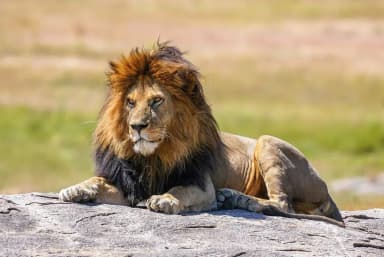
Lion
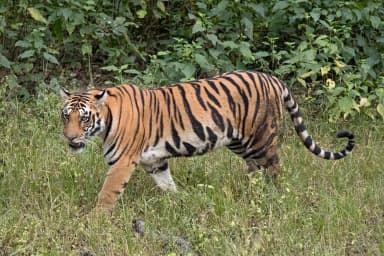 Charles J. Sharp · CC BY-SA 4.0
Amur tiger
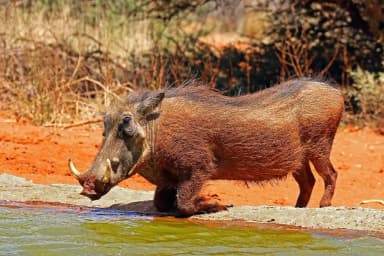 Charles J. Sharp · CC BY-SA 4.0
Warthog
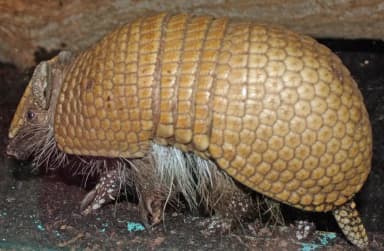 SouthernThreeBandedArmadillo065.jpg : Ltshears derivative work: WolfmanSF ( talk ) · CC BY-SA 3.0
Three-banded Armadillo
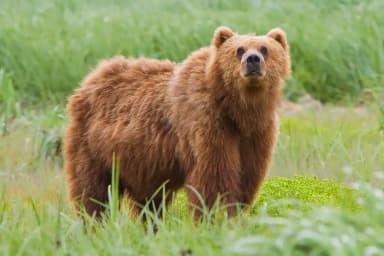 Yathin S Krishnappa · CC BY-SA 3.0
Brown Bear
Birds14
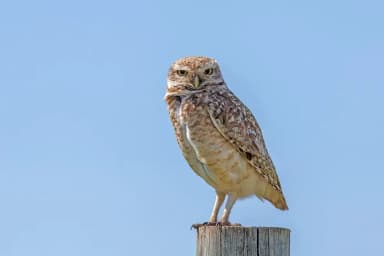 Charles J. Sharp · CC BY-SA 4.0
Burrowing Owl
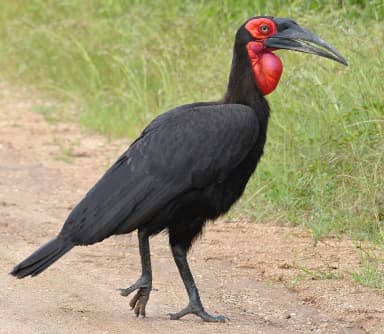 Bernard DUPONT from FRANCE · CC BY-SA 2.0
Southern Ground Hornbill
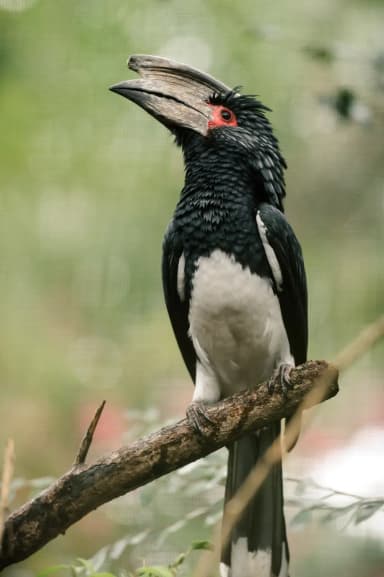 Eric Kilby from Somerville, MA, USA · CC BY-SA 2.0
Trumpeter Hornbill
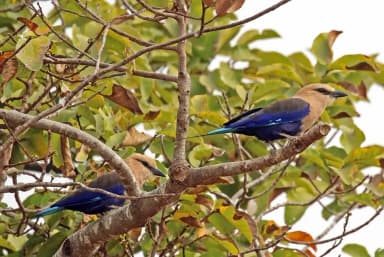 Charles J. Sharp · CC BY-SA 4.0
Blue-bellied Roller
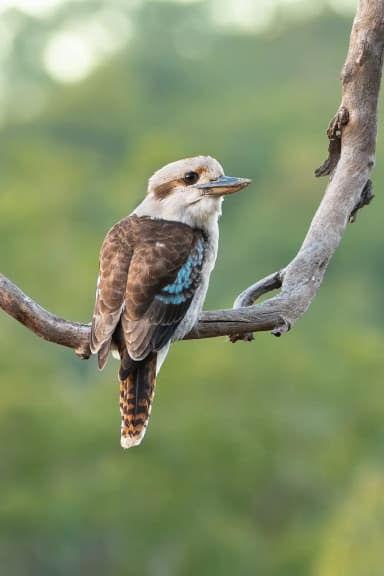 Photo by: Paulweberphoto - paulweberphoto.com · CC BY 4.0
Laughing Kookaburra
 JJ Harrison ( https://tiny.jjharrison.com.au/t/awbKQM2Ekae0XKza ) · CC BY-SA 4.0
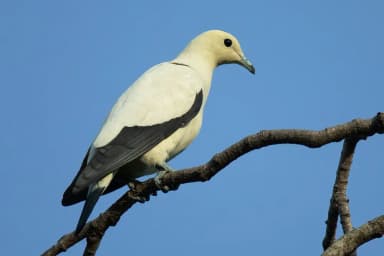
Pied Imperial Pigeon
 Charles J. Sharp · CC BY-SA 4.0
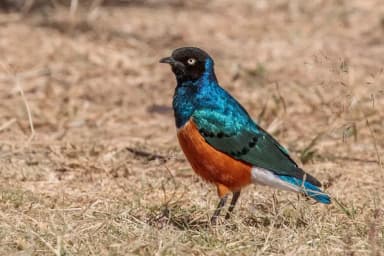
Superb Starling
 Wolfgang Wander · CC BY-SA 3.0
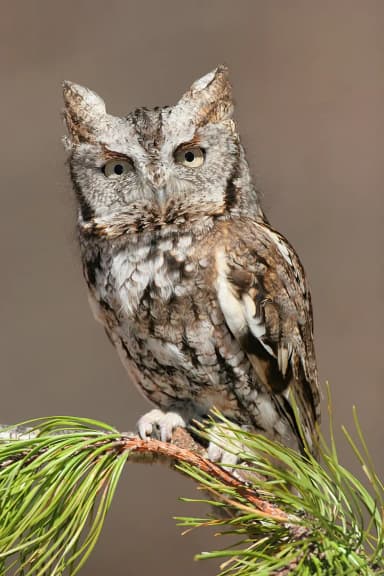
Eastern Screech-Owl
 Devin Morris · CC BY-SA 4.0
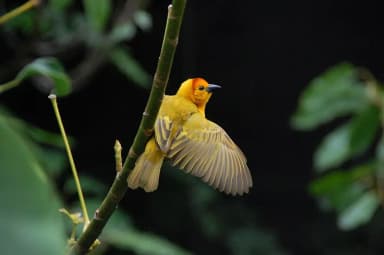
Taveta Golden Weaver
 Jim Capaldi from Springfield, USA · CC BY 2.0
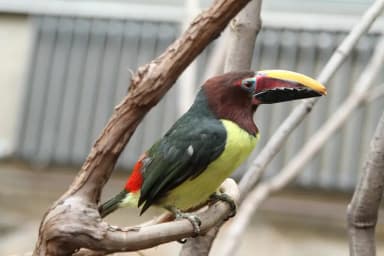
Green Aracari
 Matti Blume · CC BY-SA 4.0
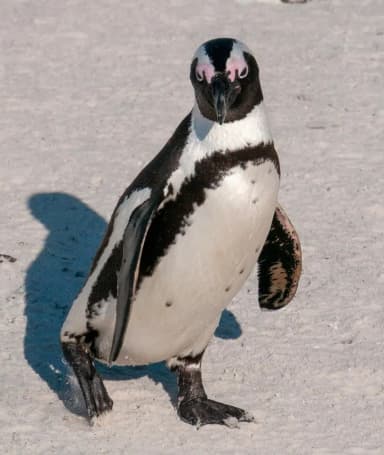
African penguin
Reptiles9
 Yuriy75 · CC BY-SA 3.0
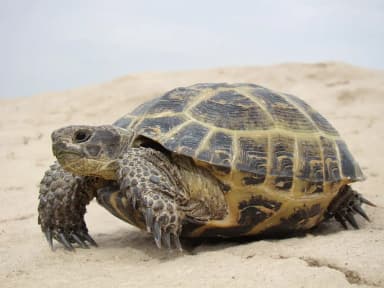
Russian Tortoise
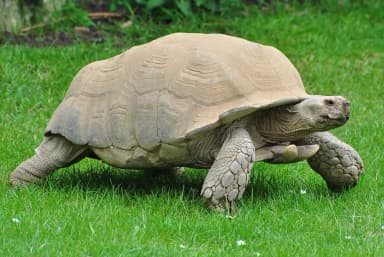 John5199 · CC BY 2.0
African Spurred Tortoise
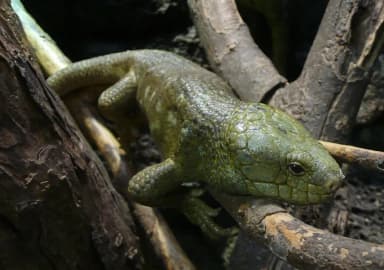 TimVickers · Public domain
Prehensile-tailed Skink
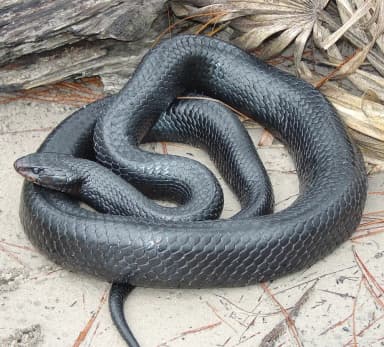 Dirk Stevenson · Public domain
Eastern Indigo Snake
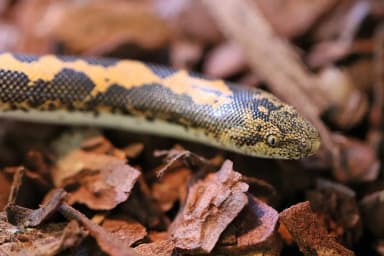 The Reptilarium · CC BY-SA 2.0
Kenyan Sand Boa
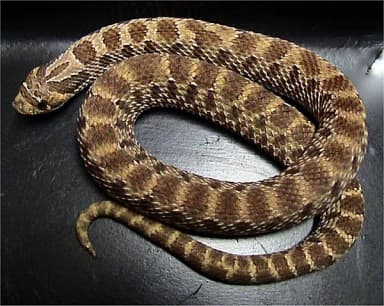 The original uploader was Dawson at English Wikipedia . · CC BY-SA 2.5
Western Hognose Snake
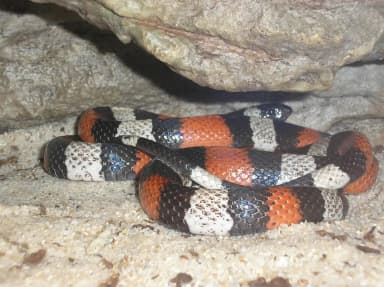 Wikimedia Commons · Attribution
Pueblan Milk Snake
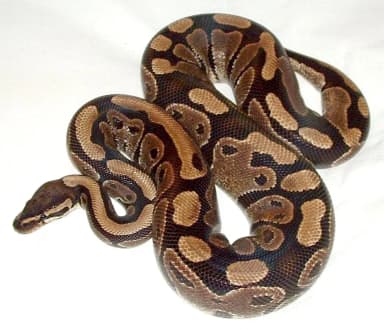 HCA ( talk ) · CC BY-SA 3.0
Ball Python
Feathers & Fangs from visitors
What people who've been to Roosevelt Park Zoo say
A Feather is something this zoo does well; a Fang is something it gets wrong. Left by people who've been, and read by us before they appear.
Loading…
About Roosevelt Park Zoo
Roosevelt Park Zoo is a zoo at 1219 Burdick Expressway East in Minot, North Dakota. Wikipedia describes it as North Dakota's oldest zoo and says the Minot Park District oversees operations, with the Greater Minot Zoological Society operating as a charitable organization alongside it. The zoo is accredited by the Association of Zoos and Aquariums.
Wikipedia gives the zoo's area as 19 acres and reports 135 animals representing 68 species as of 2024, and 115,805 guests in 2021. The zoo's own animals page says it houses over 160 animals and over 50 species, so totals vary between sources and dates. The zoo's home page uses the tagline "Let the world surround you."
The zoo also runs education programs for preschoolers, school-age children and teen volunteers.
History
The zoo's own history timeline begins on April 9, 1914, when the Minot Park District declared Riverside Park Zoo at a park board meeting. The zoo then had 24 animals, 12 fox squirrels and 12 gray squirrels. The timeline records the zoo's first large mammal, a male American bison from Montana, in 1920, and the Zoological building, its first permanent structure, in 1921; that building now serves as the aviary. In 1922, following the death of Theodore Roosevelt, the park board adopted a resolution renaming Riverside Park as Roosevelt Park. According to Wikipedia, the zoo bought two lions from Longfellow Zoological Gardens in Minneapolis in 1927. Wikipedia also records a 1932 incident in which a lioness and two cubs briefly escaped their cage, a surplus of lions the same year, and a newborn buffalo calf in 1940 that drew thousands of visitors.
Flooding of the Souris River has shaped the zoo repeatedly. In 1969 a flood forced every animal to be moved; the zoo's timeline says the animals were kept at local stockyards. In the 1970s the zoo became a separate unit from the park and the Greater Minot Zoological Society was created. The zoo's timeline records its first AZA accreditation in 1989. The 2011 Mouse River flood put the zoo under 8 to 12 feet of water for almost three weeks, according to the timeline; Wikipedia says more than 200 animals were sent to 15 zoos. The zoo did not open in 2012 and reopened on May 4, 2013.
Flood protection remains part of the zoo's current projects. A Minot Daily News year-end report from December 2025 said the Discovery Barn was moved from the north side of the Souris River to a permanent location near the Visitor Center as part of flood protection work, and that plans for 2026 included rebuilding a storage facility and the North American and wolf exhibits in flood-protected areas. The zoo's own pages refer to MI-7 flood mitigation construction, and the plan-your-visit page says summer 2025 admission was discounted because of that construction. The zoo's timeline says the North Trail, also known as the Children's Zoo, closed in 2025 as part of the project.
The African Plains project is the zoo's newest construction. The indoor giraffe habitat opened in June 2025. The zoo announced the groundbreaking of a second phase, the African Plains Pavilion, in July 2026. The zoo describes it as a covered pavilion of about 800 square feet for giraffe feedings, animal encounters, education and private celebrations, funded by John and Leslie Coughlin, and said it was expected to open in fall 2026.
Exhibits and habitats
The African Plains Building has 7,300 square feet of indoor giraffe habitat connected to an outdoor yard, according to a Minot Daily News report. KFYR-TV reported that the interior is kept at 70 degrees with heating and fans, that giraffes can move between indoor and outdoor spaces, and that construction began the previous summer with funding from an anonymous donor. Three giraffes, Kianga, Kioni and Amani, were named in that report, and visitors can feed them daily at 11 a.m. and 2 p.m., as reported. Minot Daily News later reported a male giraffe calf named Khari, born to Kianga and Kioni on November 2, 2025. In September 2026 the zoo announced that Khari had left for Cheyenne Mountain Zoo to join a herd of females as part of reticulated giraffe conservation efforts.
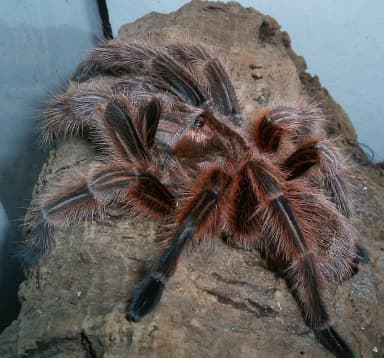
The zoo's animals page lists lions, Amur tigers, brown bears, red pandas, an okapi, reticulated giraffes, Bactrian camels, black-footed ferrets, white-handed gibbons, ring-tailed lemurs and black and white ruffed lemurs, Linne's two-toed sloths, opossums and hedgehogs. Birds on the list include African penguins, burrowing owls, laughing kookaburras, southern ground hornbills, green aracaris, trumpeter hornbills, blue-bellied rollers and several doves and finches. Reptiles and amphibians include African spurred tortoises, ball pythons, eastern indigo snakes, Kenyan sand boas, tomato frogs, White's tree frogs and Asian giant toads. Invertebrates named include Chilean rose tarantulas and giant cave cockroaches.
Four Amur tiger cubs were born on May 19, 2025, to parents Zoya and Finn, and were named Buffy, Afkai, Brogan and Koshmar, according to the December 2025 Minot Daily News report. Zoo Director Dr. Logan Wood described the litter as a positive step for efforts to support the global Amur tiger population.
Conservation and programs
The zoo funds giraffe conservation in Kenya in partnership with SAVE Giraffes Now. KFYR-TV reported that the project installed a large well and water access for people and giraffes, along with solar-powered pump stations and additional water holes, and that revenue from giraffe feedings supports that work.
A 2018 Minot Daily News article described a Conservation Day with activity stations on topics such as palm oil sustainability, composting at home and recycling. Proceeds went to the zoo's Change for Change Conservation Fund; the article named the South African Foundation for the Conservation of Coastal Birds and the Red Panda Network among the organizations the zoo supports, along with regional conservation work.
The zoo's home page lists Zoo Tots, Zoo To You, School's Out Day Camp, summer camp and ZooTeen Volunteers. It also advertises keeper talks, behind-the-scenes encounters and a 2026 trading card program in which cards are collected through keeper talks and visits.
Planning your visit
As listed on the zoo's website, the zoo is open daily; a July 2026 zoo announcement put it at 363 days a year. Hours run 9 a.m. to 8 p.m. from June through August, 9 a.m. to 6 p.m. in May and September, and 10 a.m. to 3 p.m. from October through April. The zoo's plan-your-visit page lists giraffe feeding daily at 2 p.m., the Critter Caboose train, which typically runs June through September, and a ride with animal figures for children up to 80 pounds.
Ticket categories are seniors (60 and older), adults (13 and older), children (3 to 12) and toddlers (2 and under), with military and student discounts. Current prices are on the zoo's website.
The zoo describes wheelchair-accessible doors, ramps and restrooms with wheelchair rentals, a nursing station, sensory-inclusive bags through KultureCity, and sensory explorer kits for blind or visually impaired guests. Food and drinks are sold on site, and the website lists a gift shop and picnic areas. Service animals are allowed, but other pets are not. The rules list bans outside food, coolers, balloons, balls, selfie sticks, bikes, skateboards, scooters and hoverboards, and children under 12 need a guardian over 18. The phone number is 701-857-4166.
What we haven't confirmed
Everything above came from public sources. These specifics we haven't stood behind yet:
- Current animal and species counts
- Parking
- Whether the African Plains Pavilion has opened
- Which days of the year the zoo closes
- Time needed for a visit
Roosevelt Park Zoo compared with nearby zoos
How Roosevelt Park Zoo lines up against the closest zoos we have details for — useful if you're deciding between them for the same day out.
| Zoo | Distance | Admission | Hours | Size | AZA |
|---|---|---|---|---|---|
| Roosevelt Park ZooThis zooMinot, ND | — | $12 | 9:00 AM – 8:00 PM | — | Yes |
| Dakota ZooBismarck, ND | 101 mi | $15 | 10:00 AM – 6:00 PM | — | Yes |
| Red River ZooFargo, ND | 227 mi | $14.95 | 10am – 5pm | 8 acres | Yes |
Distances are straight-line. A dash means we haven't confirmed that detail yet, not that the zoo lacks it.
AZAThe Association of Zoos and Aquariums. Accredited members have passed an independent inspection of animal care and welfare, safety, conservation and education, repeated every five years. Many smaller facilities never apply, so “not accredited” isn't a verdict on its own. What accreditation means · How we check this
Roosevelt Park Zoo: common questions
Is Roosevelt Park Zoo AZA accredited?
Yes. It is accredited by the Association of Zoos and Aquariums.
Who runs the zoo?
The Minot Park District oversees operations, and the Greater Minot Zoological Society, a charitable organization, supports it, according to Wikipedia.
When does the zoo open and close?
As listed on the zoo's website, hours vary by season: longest in June through August and shortest from October through April.
Can visitors feed the giraffes?
Yes. The zoo lists daily giraffe feedings, and its website has current details.
Does the zoo have tigers?
Yes. The zoo keeps Amur tigers, and four cubs were born there in May 2025.
Are pets allowed?
No, except service animals.
Something wrong here? Tell us — we correct in place, with a dated note.