
Dakota Zoo
Bismarck, ND
- Admission
- $15
- Opened
- 1961
- Accreditation
- AZA
Association of Zoos and Aquariums
Everything below is directory information drawn from public sources and the zoo's own site.
Animals at Dakota Zoo
11 confirmed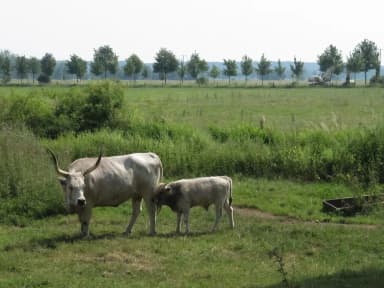
Feathers & Fangs from visitors
What people who've been to Dakota Zoo say
A Feather is something this zoo does well; a Fang is something it gets wrong. Left by people who've been, and read by us before they appear.
Loading…
About Dakota Zoo
Dakota Zoo sits on Riverside Park Road in Bismarck, North Dakota, where it has grown from a scrappy volunteer project into a 90-acre facility housing around 400 mammals, birds, reptiles and fish representing 125 species. The zoo is accredited by the Association of Zoos and Aquariums, a status that puts it among the higher tier of American animal facilities for care and welfare standards. More than 150,000 people pass through its gates each year.
The zoo's roots are informal by design: it was founded by two private citizens, Marc and Betty Christianson, with a group of dedicated volunteers behind them, rather than by a city government or a large institutional board. That volunteer character has stuck around in the form of the Dakota Zoological Society, which continues to lean on members, donors and volunteers to keep the place running.
Today the zoo organizes itself around a mix of hoofed animals, primates, and a notable roster of Species Survival Plan participants, with a strong emphasis on conservation work that reaches well beyond Bismarck. The grounds include the Bismarck Tribune Discovery Center, an African Penguin building, and a Coke Pavilion, along with picnic areas and a concessions stand near the entrance.
History
Dakota Zoo opened its gates on June 3, 1961, on just 15 acres of developed land. Its opening-year collection was modest: 75 mammals and 23 birds. Even so, 40,000 visitors came through in that first year, an early sign of appetite for the attraction in central North Dakota.
From that starting point, the zoo expanded sixfold in acreage, growing to its current 90 acres. The animal collection grew alongside it, from fewer than 100 animals to around 400 representing 125 species. Annual attendance grew even more dramatically, from 40,000 in 1961 to more than 150,000 today.
Available records do not detail specific exhibit-opening dates or named expansions beyond this broad arc, so the history here stays limited to what is known: a founding by two private citizens and volunteers, followed by steady decades-long growth in size, collection and attendance under the continued support of the Dakota Zoological Society.
Exhibits and habitats
The zoo's habitats are not individually named in detail in the available material, but a few areas stand out. The African Penguin building houses the zoo's penguins and includes a water fountain stop for visitors making their way around the grounds. A barnyard area and a prairie dog town allow visitors to feed pellets to select animals, a practice the zoo restricts to those two areas plus the waterfowl ponds — other animals in the collection do not eat the pellets sold on-site.
The Bismarck Tribune Discovery Center serves double duty as an indoor gathering space and a meeting-room venue, with 900 square feet of room overlooking the zoo's waterfowl and wetland area. It seats up to 60 people theater-style. Outside, the Scheels Pavilion is a covered, open-sided picnic shelter that can seat up to 300 people and includes a wash sink, counters and hot water for catered events.
Notably, one of the zoo's buildings has a repurposed history: the Australia Building, which now houses part of the collection, started life as a Camel Habitat and Administration Building, and the zoo's Nursing Den was originally a restroom. The zoo describes this kind of reuse as part of a broader effort to reduce waste, alongside recycling aluminum, plastic and cardboard and using low-voltage fluorescent lighting in public buildings.
Animal highlights
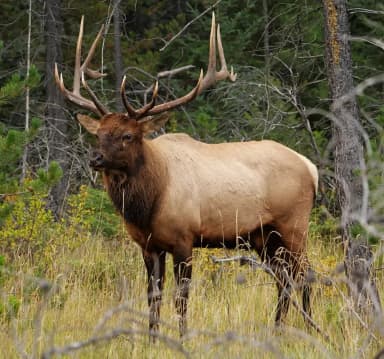
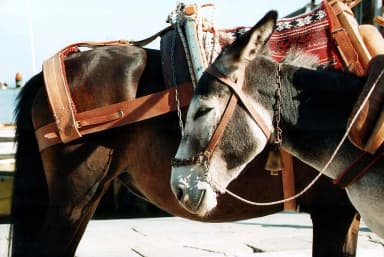
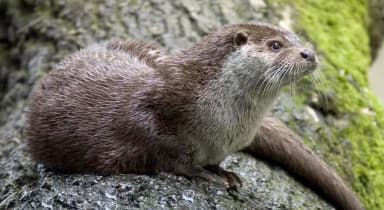
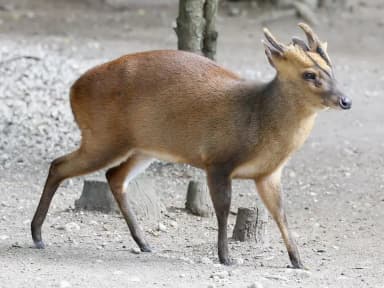
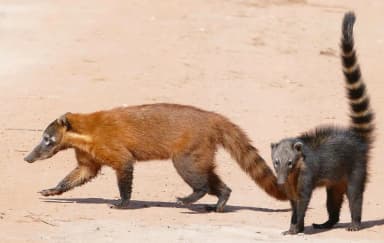
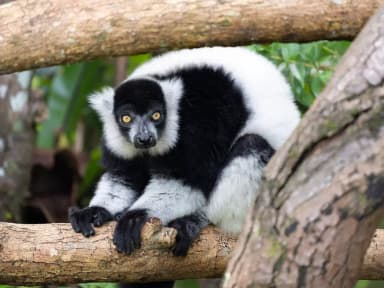
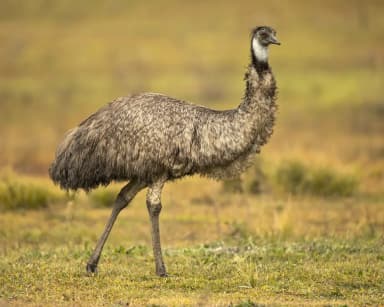
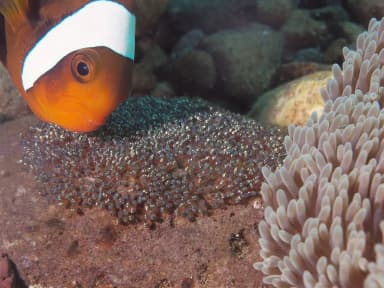
Dakota Zoo lists at least 11 species on its website, though the zoo's own materials describe a collection of roughly 400 animals across 125 species overall, spanning mammals, birds, reptiles and fish. Species specifically named in zoo materials include clownfish, coatis, cows, Dall sheep, donkeys, elk, emus, mules, otters, Reeve's muntjac and ruffed lemurs — a mix that reflects the zoo's blend of farm-style barnyard animals alongside more exotic species.
The zoo also participates in Species Survival Plan programs for animals including the Amur tiger, Przewalski's horse, black-footed ferret, Pallas's cat, snow leopard and swift fox, plus seven species of primates. A North American elk exhibit doubles as a registered Monarch Waystation, connecting the elk habitat to the zoo's pollinator conservation work.
Conservation and programs
Conservation runs deep in Dakota Zoo's operations. The Dakota Zoo Conservation Fund was established in 2013, initially funded by a 25-cent surcharge on every paid admission; since 2020, $5 from every membership sold and 50 cents from every admission has gone into the fund. That money supports an annual contribution to the AZA Conservation Grants Fund and the Tiger Conservation Campaign, which has helped equip rangers in Russia with trail cameras used to curtail tiger poaching.
The zoo participates in more than 16 Species Survival Plan programs. It also supports the Snow Leopard Trust's work in Mongolia, funds AZA SAFE (Saving Animals From Extinction) programs for species that have included work with Prairie Wildlife Research in South Dakota's Conata Basin, and has assisted the Standing Rock Reservation with black-footed ferret monitoring since 2023. Staff monitor golden eagle nests and assist with radio-collaring operations for bison and elk at Theodore Roosevelt National Park.
On the education side, the zoo partnered with the University of Mary to form a FrogWatch USA chapter, a community science program tracking amphibians. Fourth-grade students attend an annual Conservation Day, and the zoo is one of the few regional facilities that accepts and treats injured or orphaned migratory birds, including Prairie Falcons and Bald and Golden Eagles, before returning them to the wild.
Planning your visit
As listed on the zoo's website, Dakota Zoo is open daily from 10:00 a.m. to 6:00 p.m., with extended hours to 7:00 p.m. on Wednesdays during June, July and August. From October through late April, hours shift to 1:00–5:00 p.m., Friday through Sunday, weather permitting. The zoo closes on Easter Sunday, Thanksgiving, Christmas Day and New Year's Day.
As listed on the zoo's website (effective January 1, 2025), admission runs $15 for adults, $14 for seniors 60 and up, $14 for military with photo ID, and $11 for children ages 2–12; children under 2 are free. Groups of 20 or more receive $1 off posted prices with five days' advance notice. A train ride through the zoo costs $6 per person, with riders under 2 free.
The Concessions Stand and Ice Cream Parlor near the entrance sells hot dogs, popcorn, cotton candy and Coca-Cola products, and is also where strollers can be rented and the zoo train departs. Wheelchairs are available in limited numbers at the admissions window, and the zoo is certified through Kulture City as a sensory-inclusive facility. Restrooms with changing tables are located in the Discovery Center, the African Penguin building and the Coke Pavilion. Because prices and hours can change, check the official website before you go.
What we haven't confirmed
Everything above came from public sources. These specifics we haven't stood behind yet:
- Exact acreage breakdown by exhibit and specific exhibit names
- Ticket price changes after January 1, 2025
- Parking details and lot locations
- Time needed for a typical visit
- Phone number beyond the general office line
Dakota Zoo compared with nearby zoos
How Dakota Zoo lines up against the closest zoos we have details for — useful if you're deciding between them for the same day out.
| Zoo | Distance | Admission | Hours | Size | AZA |
|---|---|---|---|---|---|
| Dakota ZooThis zooBismarck, ND | — | $15 | 10:00 AM – 6:00 PM | — | Yes |
| Roosevelt Park ZooMinot, ND | 101 mi | $12 | 9:00 AM – 8:00 PM | — | Yes |
| Red River ZooFargo, ND | 187 mi | $14.95 | 10am – 5pm | 8 acres | Yes |
| Chahinkapa ZooWahpeton, ND | 203 mi | $15 | 10:00 am – 4:00 pm | 29 acres | No |
Distances are straight-line. A dash means we haven't confirmed that detail yet, not that the zoo lacks it.
AZAThe Association of Zoos and Aquariums. Accredited members have passed an independent inspection of animal care and welfare, safety, conservation and education, repeated every five years. Many smaller facilities never apply, so “not accredited” isn't a verdict on its own. What accreditation means · How we check this
Dakota Zoo: common questions
Is Dakota Zoo AZA accredited?
Yes, Dakota Zoo is accredited by the Association of Zoos and Aquariums.
When did Dakota Zoo open?
It opened on June 3, 1961, founded by Marc and Betty Christianson with volunteer support.
How big is Dakota Zoo?
The zoo covers 90 acres, up from the 15 acres it opened on.
How many animals and species does Dakota Zoo have?
The zoo houses around 400 mammals, birds, reptiles and fish representing 125 species.
Is Dakota Zoo wheelchair accessible?
Yes. It is handicap accessible, and a limited number of wheelchairs are available at the admissions window.
Is there food inside the zoo?
Yes, the Concessions Stand and Ice Cream Parlor near the entrance serves hot dogs, popcorn, cotton candy, Coca-Cola products and hand-dipped ice cream.
Are strollers available?
Yes, strollers are available for rent at the Concessions Stand.
Something wrong here? Tell us — we correct in place, with a dated note.