
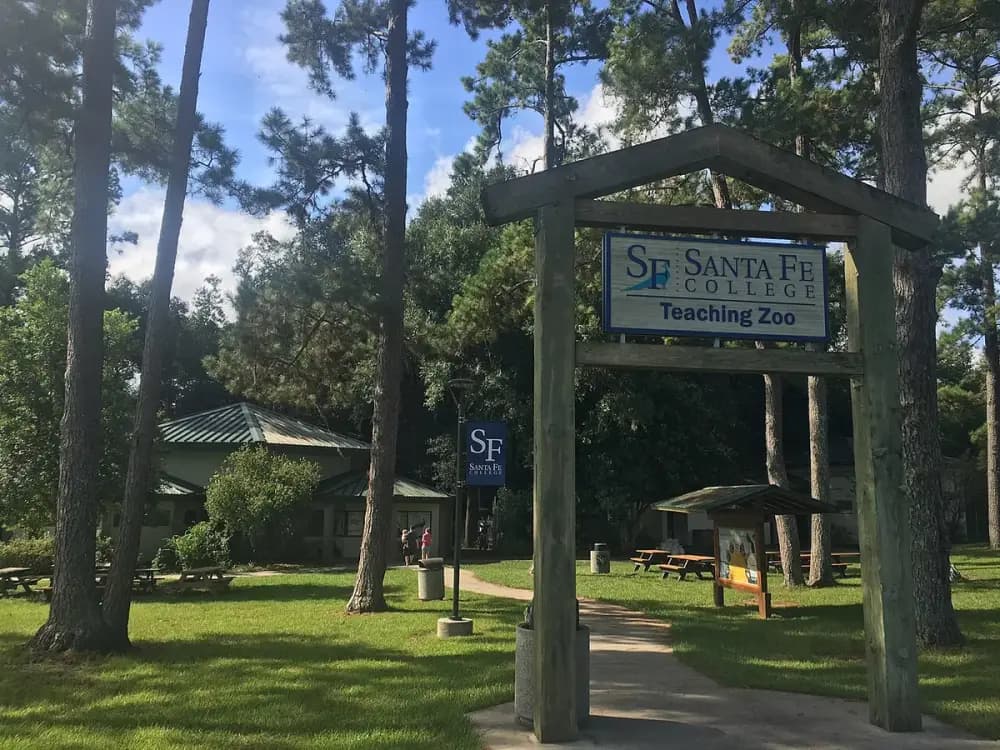
- Admission
- $10
- Size
- 10 acres
- Accreditation
- AZA
Association of Zoos and Aquariums
Everything below is directory information drawn from public sources and the zoo's own site.
Animals at Santa Fe College Teaching Zoo
48 confirmedMammals8
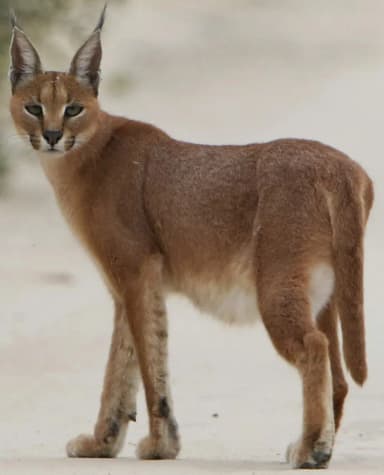 Derek Keats · CC BY 2.0
Caracal
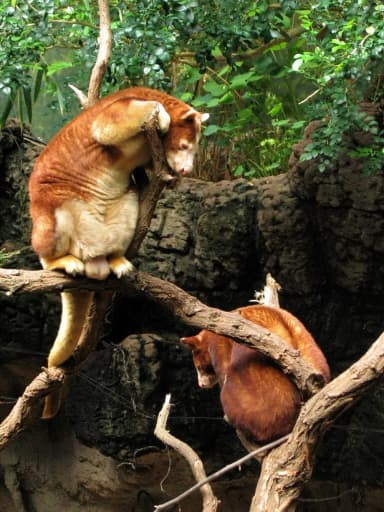 Postdlf · CC BY-SA 3.0
Matschie's Tree Kangaroo
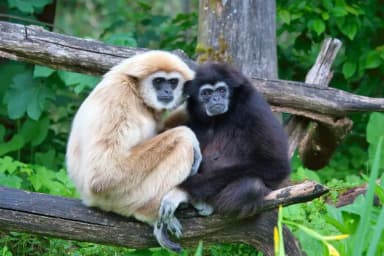 User:MatthiasKabel · CC BY 2.5
White-handed Gibbon
 Cayambe · CC BY-SA 3.0
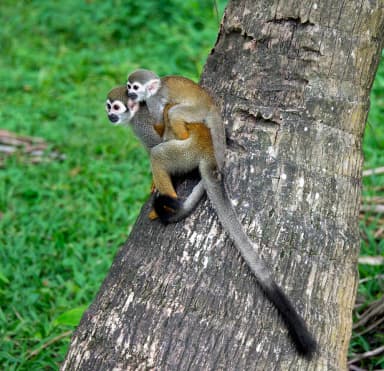
Squirrel Monkey
 SouthernThreeBandedArmadillo065.jpg : Ltshears derivative work: WolfmanSF ( talk ) · CC BY-SA 3.0
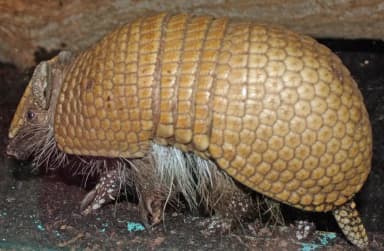
Three-banded Armadillo
 Charles J. Sharp · CC BY-SA 4.0
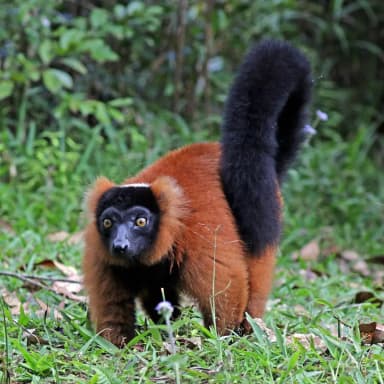
Red Ruffed Lemur
Birds18
 HappiestFish · CC BY 4.0
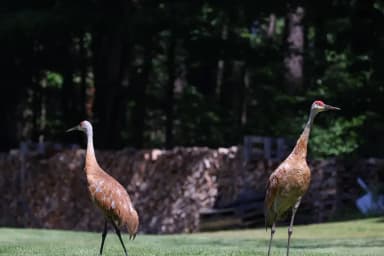
Sandhill Crane
 Judy Gallagher · CC BY 2.0
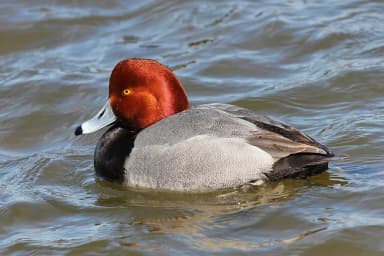
Redhead
 Charles J. Sharp · CC BY-SA 4.0
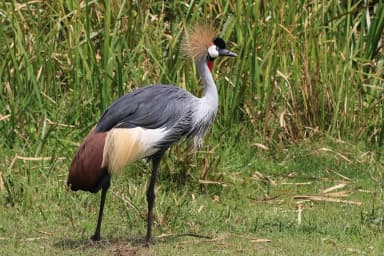
Grey Crowned Crane
 Kora27 · CC BY-SA 4.0
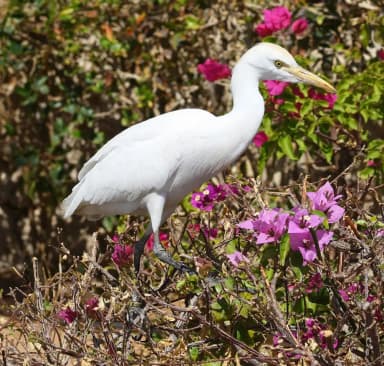
Cattle Egret
 Charles J. Sharp · CC BY-SA 4.0
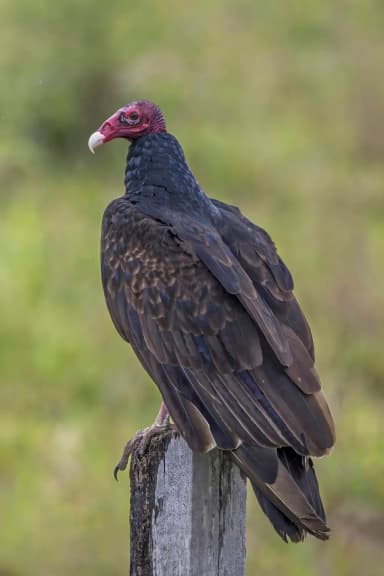
Turkey Vulture
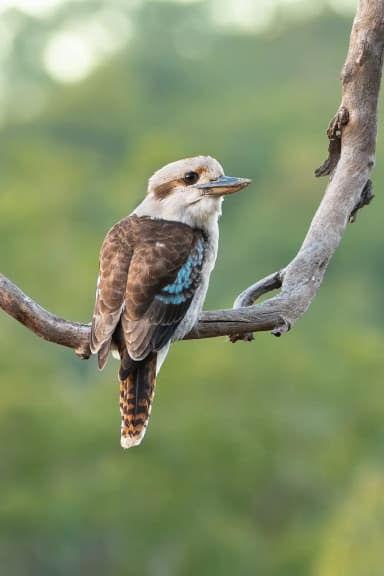 Photo by: Paulweberphoto - paulweberphoto.com · CC BY 4.0
Laughing Kookaburra
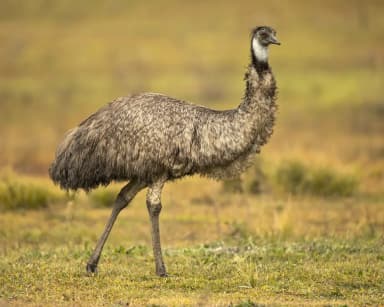 JJ Harrison ( https://www.jjharrison.com.au/ ) · CC BY-SA 4.0
Emu
 Andy Morffew from Itchen Abbas, Hampshire, UK · CC BY 2.0
Bald Eagle
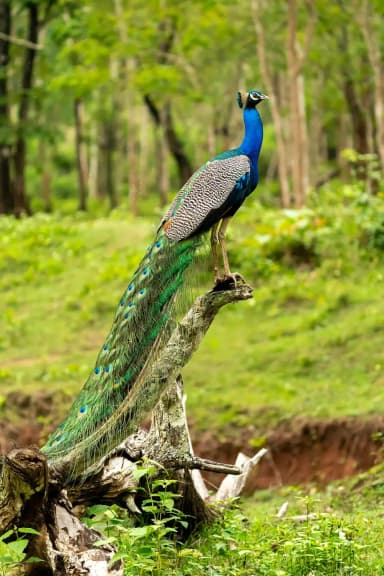 Kandukuru Nagarjun from Bangalore, India · CC BY 2.0
Peafowl
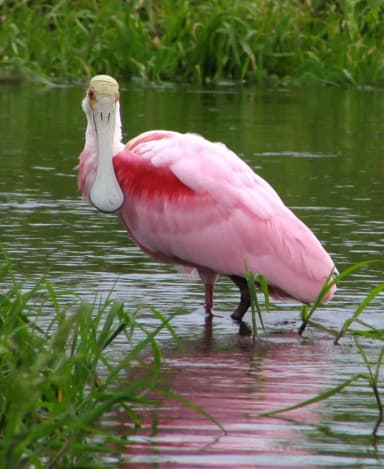 User:Mwanner · CC BY-SA 3.0
Roseate Spoonbill
 Alan D. Wilson · CC BY-SA 2.5
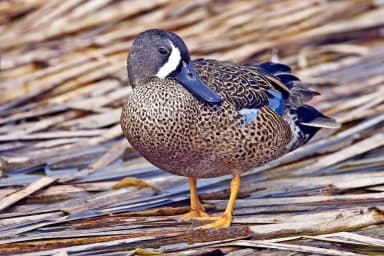
Blue-winged Teal
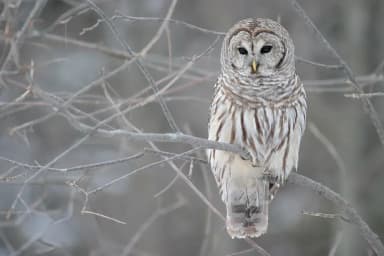 Mdf · CC BY-SA 3.0
Barred Owl
Reptiles20
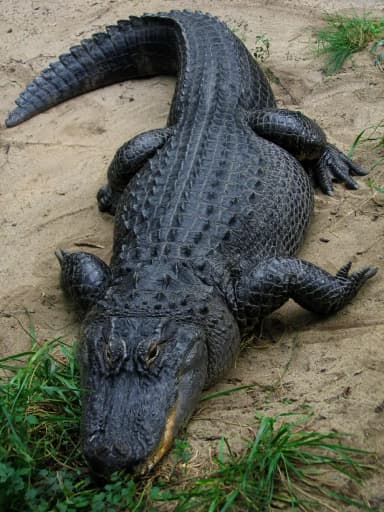 User:Postdlf · CC BY-SA 3.0
American Alligator
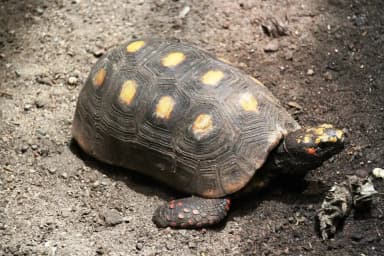 Bjoertvedt · CC BY-SA 3.0
Red-footed Tortoise
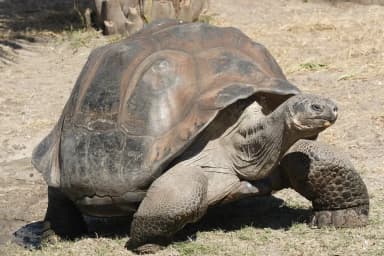 Mfield , Matthew Field, http://www.photography.mattfield.com · CC BY-SA 3.0
Galapagos Tortoise
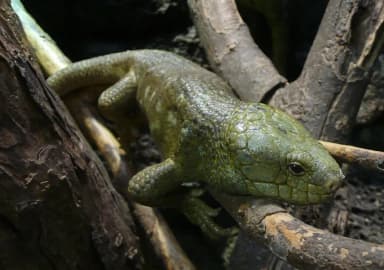 TimVickers · Public domain
Prehensile-tailed Skink
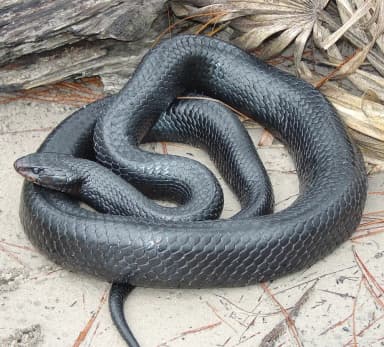 Dirk Stevenson · Public domain
Eastern Indigo Snake
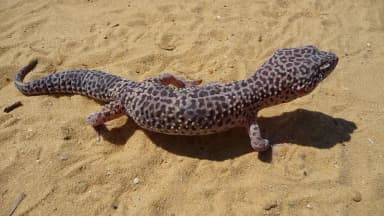 George Chernilevsky · Public domain
Leopard Gecko
 Gerard Chartier · CC BY 4.0
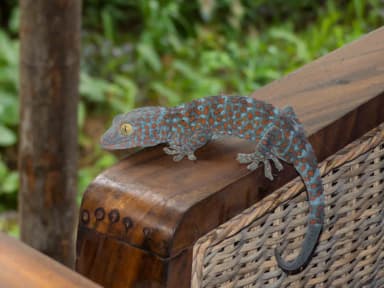
Tokay Gecko
 Judy Gallagher · CC BY 2.0
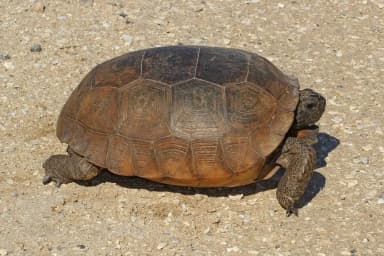
Gopher Tortoise
 Blueag9 · CC BY-SA 3.0
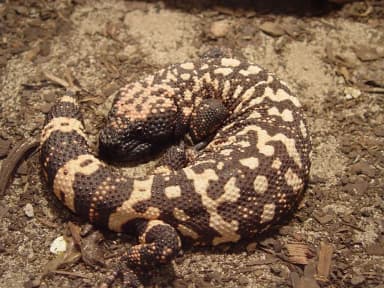
Gila Monster
 Ryan Hagerty · Public domain
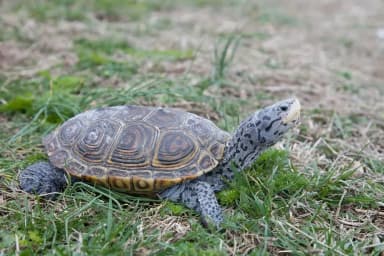
Diamondback Terrapin
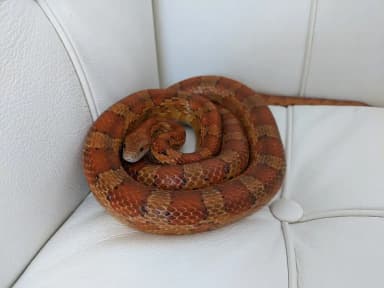 Ethan Porcaro · CC0
Corn Snake
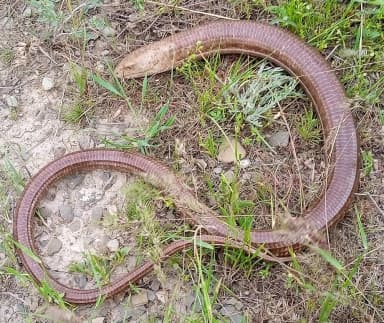 Igor Karyakin · CC BY 4.0
European Glass Lizard
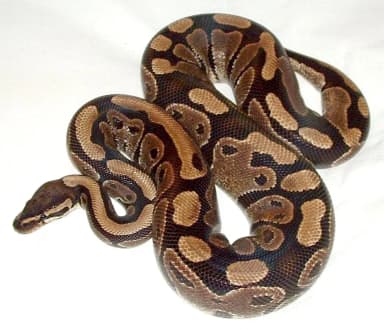 HCA ( talk ) · CC BY-SA 3.0
Ball Python
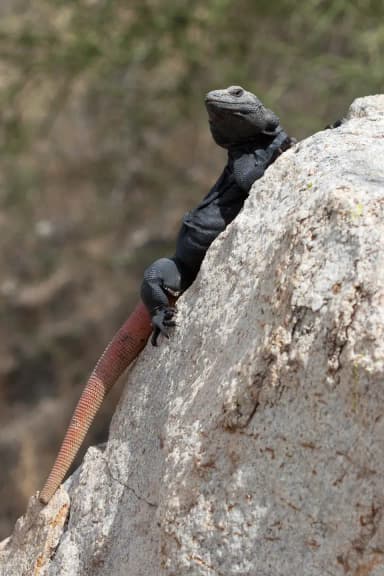 Kaldari · Public domain
Chuckwalla
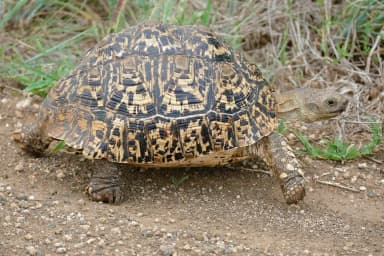 Bernard DUPONT from FRANCE · CC BY-SA 2.0
Leopard Tortoise
Feathers & Fangs from visitors
What people who've been to Santa Fe College Teaching Zoo say
A Feather is something this zoo does well; a Fang is something it gets wrong. Left by people who've been, and read by us before they appear.
Loading…
About Santa Fe College Teaching Zoo
The Santa Fe College Teaching Zoo is a 10-acre zoo of forested land on the main campus of Santa Fe College in Gainesville, Florida. It is the only college zookeeper training facility in the United States, and it has been accredited by the Association of Zoos and Aquariums since 2000, undergoing reaccreditation every five years. The zoo is home to over 200 individual animals representing more than 70 species, spanning mammals, reptiles, amphibians, insects, and birds.
Ten full-time staff members coordinate the zoo, which is maintained day to day by roughly 100 students enrolled in the college's Zoo Animal Technology program. Guided tours led by those students are available when scheduled in advance, and visitors can also take a self-guided walk along the zoo's quarter-mile trail through the wooded grounds. Since it opened, the zoo has become a well-known destination for both local residents and tourists, and it welcomed its one-millionth visitor in the years after opening.
History
The Santa Fe College Teaching Zoo was established in 1970 and opened to the public in 1972, built on 10 acres of forested land on the west side of what was then Santa Fe Community College's new Northwest Campus. The zoo has been continuously accredited by the AZA since 2000, going through the association's five-year reaccreditation process ever since. The college itself was founded by the Florida State Legislature in 1965 as Santa Fe Junior College, and its main campus grew up around the zoo on 115 acres of wooded land gifted by Haufler Brothers, Inc. In the years since it opened, the zoo has grown into a well-established Gainesville attraction, and at one point a first-time visitor arriving at the gates became the millionth person to enter the zoo.
Exhibits and habitats
The zoo's animals live along a quarter-mile trail through naturally shaded, wooded grounds, lined with mulch and built to be stroller- and wheelchair-accessible. Species visitors can see along the path include bald eagles, white-throated capuchin monkeys, American alligators, and a Matschie's tree-kangaroo, among the more than 70 species housed across the zoo's mammal, bird, reptile, amphibian, and insect collections.
Elsewhere on the Santa Fe College campus, the Jean Klein Rock Cycle Garden — a geology exhibit rather than an animal habitat — displays more than twenty large boulders collected from sites around the United States, arranged to walk visitors through the igneous, sedimentary, and metamorphic rock cycle. Construction began in 2003 and the garden opened to the public in 2006; it's dedicated to the memory of Jean Klein, a longtime Santa Fe College geology professor.
Animal highlights
The Teaching Zoo lists at least 70 species on its website, with more than 200 individual animals across its mammal, bird, reptile, amphibian, and insect collections. The zoo describes its collection as a mix of native and exotic species, on display in a naturally shaded, wooded environment. Named species mentioned by the zoo include bald eagles, white-throated capuchin monkeys, American alligators, white-handed gibbons, and Matschie's tree-kangaroos. The zoo participates in AZA Species Survival Plan programs for several of its residents, including white-handed gibbons, Matschie's tree-kangaroo, Asian small-clawed otter, red ruffed lemur, Guam rail, Perdido Key beach mouse, and ocelot.
Conservation and programs
As a Zoo Animal Technology Program, the Teaching Zoo trains students across five semesters in animal husbandry, breeding, nutrition, medical care, physiology, taxonomic relationships, conservation, enclosure construction, and zoo sanitation, combining classwork with hands-on work as keepers in the zoo. Students in the program are known as Zooies, and the college hosts a student chapter of the American Association of Zoo Keepers; the two-year degree program had more than 200 students enrolled at last count, with plans for a four-year degree track.
Beyond training its own students, the zoo directs 50 cents from every admission ticket toward wildlife conservation, and since 2010 it has donated funds to partner organizations working to conserve wild animals and wild places. Its named partnerships include the Tree Kangaroo Conservation Program, which supports habitat conservation and community livelihoods in Papua New Guinea; the Turtle Survival Alliance, focused on turtle conservation through living collections and recovery programs; and the Alachua Conservation Trust, which the zoo supports through two local initiatives — helping fund the purchase of protected land along the Lower Santa Fe River, and helping bus roughly 1,000 fourth-graders a year from underserved Alachua and Putnam county schools to Little Orange Creek Nature Park for wetland and wildlife education. The zoo also participates in Species Survival Plan breeding programs and reintroduction work for species including the Florida grasshopper sparrow.
Planning your visit
As listed on the zoo's website, the Santa Fe College Teaching Zoo is open daily from 9 a.m. to 3 p.m., with last entry at 2:30 p.m. The zoo hosts community events throughout the year, including "Party for the Planet," celebrating Earth Day, and "Boo at the Zoo," a Halloween festival that closes the zoo early on its scheduled date so students can transform it into themed areas for the evening.
The zoo's quarter-mile trail is stroller- and wheelchair-accessible, though the zoo does not offer stroller or wheelchair rentals on site. Service animals meeting the ADA definition are welcome; other pets are not permitted. The zoo has partnered with KultureCity to support guests with sensory needs, offering sensory bags with fidget tools and noise-canceling headphones, weighted lap pads, and a designated Quiet Area at the zoo's northeast corner; the zoo is described as quietest between 1 and 3 p.m. The zoo participates in the Museums for All program, offering $3 admission for up to four people to guests presenting an EBT card. A gift shop near the main entrance sells apparel and stuffed animals, with proceeds supporting the zoo's operating budget; the zoo does not currently operate a concession stand for hot or cold food, though food trucks appear on site during some events, and guests are welcome to bring their own food and drinks. Confirm current hours and admission rates on the zoo's official website before visiting.
What we haven't confirmed
Everything above came from public sources. These specifics we haven't stood behind yet:
- Ticket prices
- Parking details
- Phone number
- Time needed for a full visit
Santa Fe College Teaching Zoo compared with nearby zoos
How Santa Fe College Teaching Zoo lines up against the closest zoos we have details for — useful if you're deciding between them for the same day out.
| Zoo | Distance | Admission | Hours | Size | AZA |
|---|---|---|---|---|---|
| Santa Fe College Teaching ZooThis zooGainesville, FL | — | $10 | 9 am – 3 pm | 10 acres | Yes |
| Lubee Bat ConservancyGainesville, FL | 12 mi | — | No walk-ins. Visits by scheduled 75-minute VIP Private Tour only, starting at 11:00 AM or 1:30 PM (allow up to 2 hours on site). Book at least 48 hours ahead. No tours the last 2 weeks of December and the first week of January. | — | No |
| St. Augustine Wild ReserveSt. Augustine, FL | 59 mi | $35 | Tours by appointment only: Mon & Wed 2:00 PM, Fri 11:00 AM (VIP), Sat 11:00 AM. | — | No |
| Homosassa Springs Wildlife State ParkHomosassa Springs, FL | 62 mi | $13 | Daily 9:00 AM – 5:30 PM; ticket counters close 4:45 PM; Wildlife Walk closes 5:00 PM. | — | No |
Distances are straight-line. A dash means we haven't confirmed that detail yet, not that the zoo lacks it.
AZAThe Association of Zoos and Aquariums. Accredited members have passed an independent inspection of animal care and welfare, safety, conservation and education, repeated every five years. Many smaller facilities never apply, so “not accredited” isn't a verdict on its own. What accreditation means · How we check this
Santa Fe College Teaching Zoo: common questions
Is the Santa Fe College Teaching Zoo AZA accredited?
Yes, continuously since 2000, making it the only AZA-accredited zoo on a U.S. college campus.
How big is the Santa Fe College Teaching Zoo?
It covers 10 acres of forested land on the college's Northwest Campus in Gainesville.
When did the zoo open?
It was established in 1970 and opened to the public in 1972.
What animals can you see at the zoo?
At least 70 species, including bald eagles, white-throated capuchin monkeys, American alligators, and a Matschie's tree-kangaroo.
Is the zoo stroller and wheelchair accessible?
Yes, its quarter-mile trail is mulched and built to be accessible, though rentals aren't available on site.
Is there food available at the zoo?
Not from a permanent concession stand; guests may bring their own food, and food trucks sometimes appear during events.
How long does a visit take?
Not stated by the zoo; the walking trail covers about a quarter of a mile through the exhibit grounds.
Something wrong here? Tell us — we correct in place, with a dated note.