
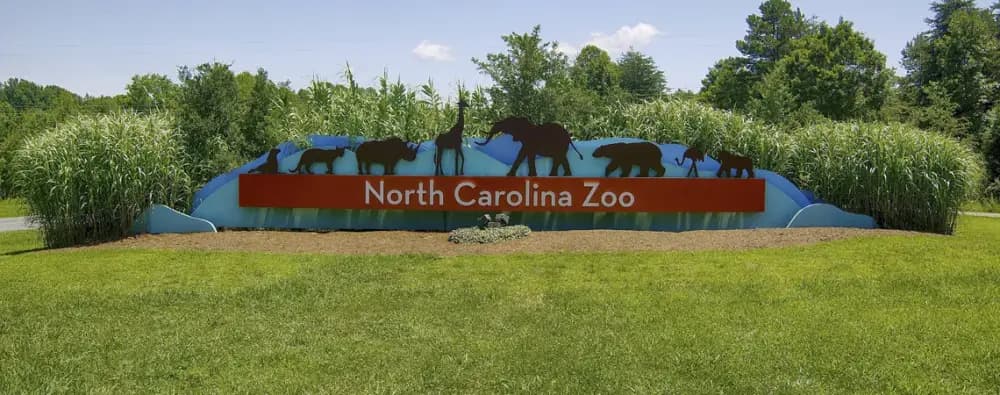
- Admission
- $14–$20
- Size
- 500 acres
- Animals
- 1,700
- Opened
- 1974
- Accreditation
- AZA
varies by season
Association of Zoos and Aquariums
Everything below is directory information drawn from public sources and the zoo's own site.
Animals at North Carolina Zoo
50 of the ~250 species this zoo listsThis is a partial list — we only show species we've confirmed against the zoo's own pages, and their full collection is considerably larger.
Mammals27
 Jack Dykinga · Public domain
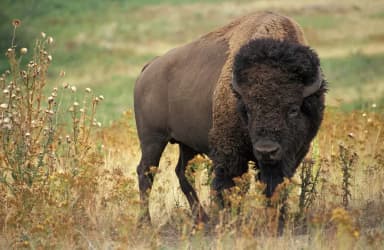
American Bison
 LaggedOnUser · CC BY-SA 2.0
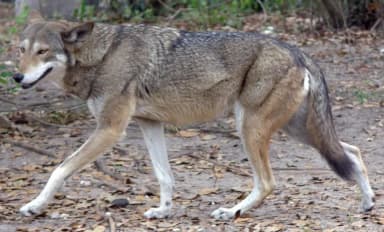
Red Wolf
 Membeth · CC0
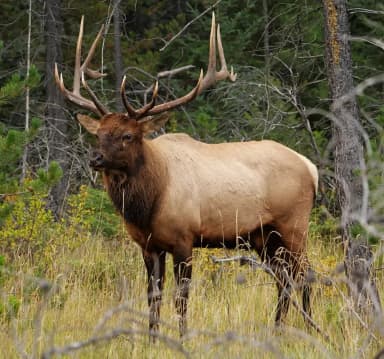
Elk
 Uwe Schmidt · CC BY-SA 4.0
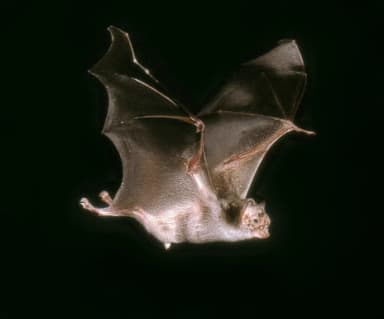
Vampire Bat
 Yathin S Krishnappa · CC BY-SA 3.0
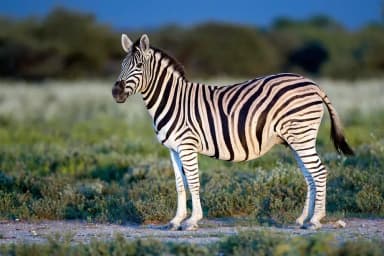
Zebra
 Wikimedia Commons · Public domain
North American Porcupine
 Payman sazesh · CC BY-SA 3.0
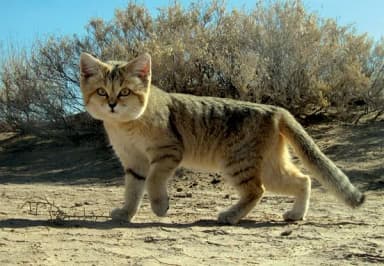
Sand Cat
 Thomas Fuhrmann · CC BY-SA 4.0
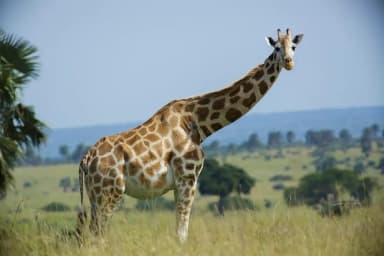
Giraffe
 Giles Laurent · CC BY-SA 4.0
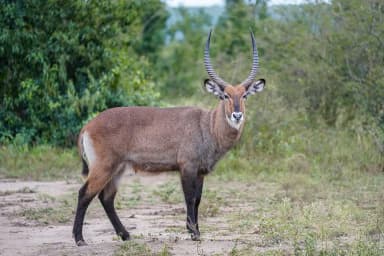
Waterbuck
 Giles Laurent · CC BY-SA 4.0
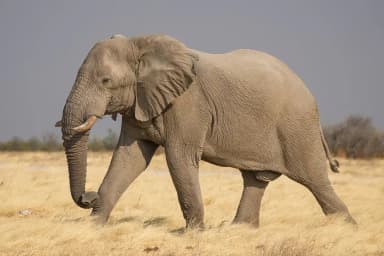
African Elephant
 Becker1999 (Paul and Cathy) · CC BY 2.0
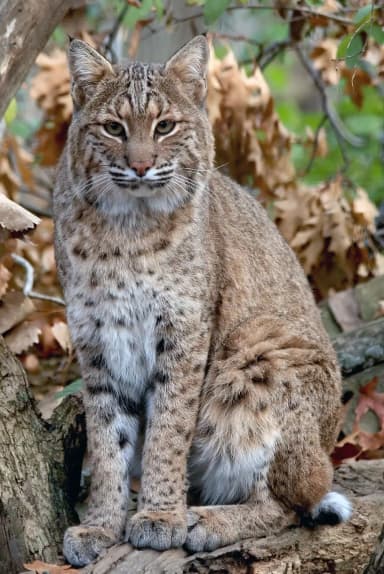
Bobcat
 Giles Laurent · CC BY-SA 4.0
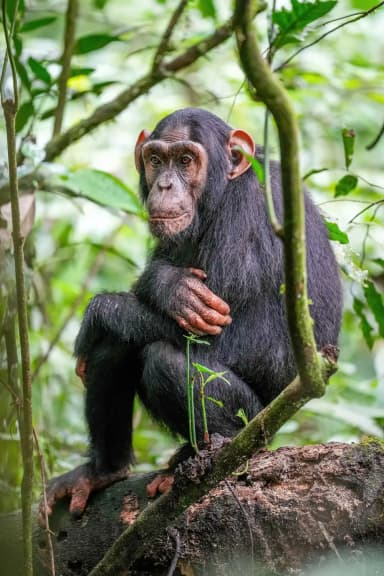
Chimpanzee
 Giles Laurent · CC BY-SA 4.0
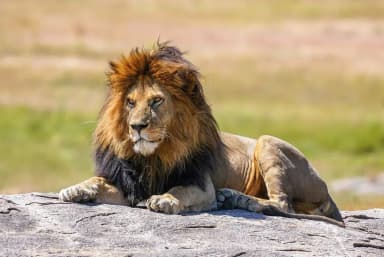
Lion
 Manuel González Olaechea y Franco · CC BY 3.0
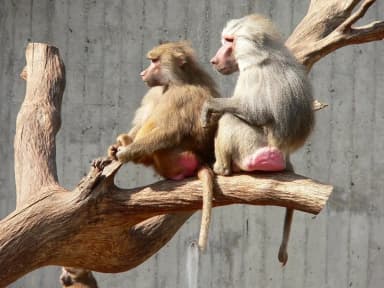
Hamadryas Baboon
 National Park Service · Public domain
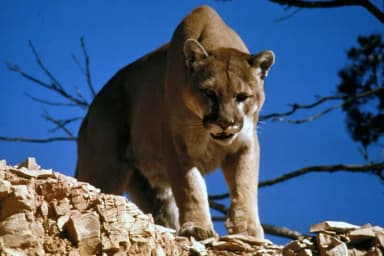
Cougar
 Charles Miller from Basingstoke, United Kingdom · CC BY 2.0
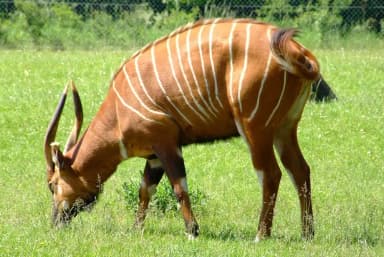
Bongo
 Prosthetic Head · CC BY-SA 4.0
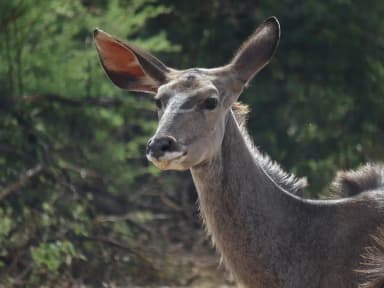
Greater Kudu
 Charles J. Sharp · CC BY-SA 4.0
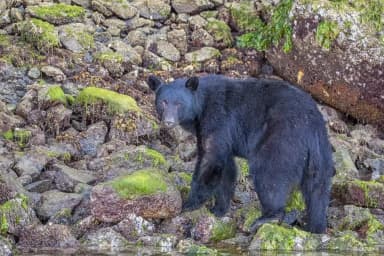
American Black Bear
 Yathin S Krishnappa · CC BY-SA 3.0
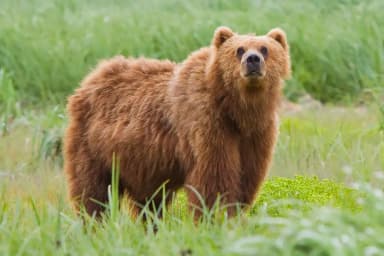
Grizzly bear
 Alan Wilson · CC BY-SA 3.0
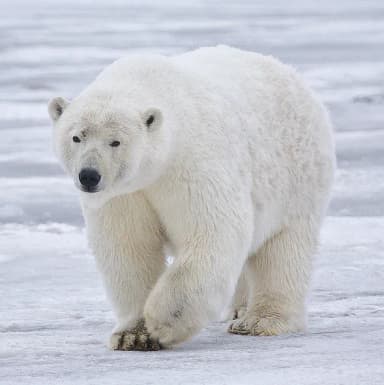
Polar Bear
 Charles J. Sharp · CC BY-SA 4.0
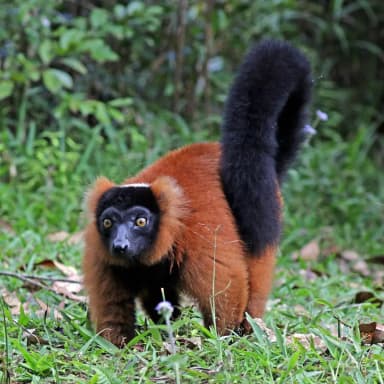
Red Ruffed Lemur
 Jonatan Pie ( unsplash.com/@r3dmax ) · CC0
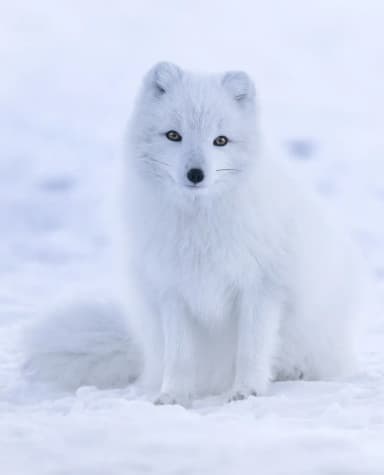
Arctic Fox
Birds4
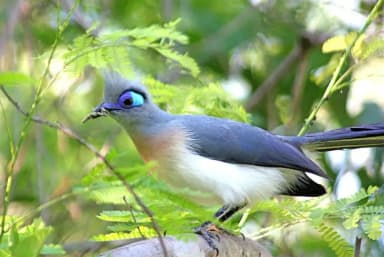
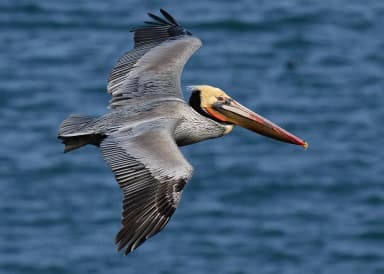
Reptiles14
 Wikiologyrocks77 · CC BY-SA 4.0
Copperhead
 CDC/ Edward J. Wozniak D.V.M., Ph.D., John Willson at the University of Georgia, at the Savannah River Ecology Laborator · Public domain
Cottonmouth
 User:Postdlf · CC BY-SA 3.0
American Alligator
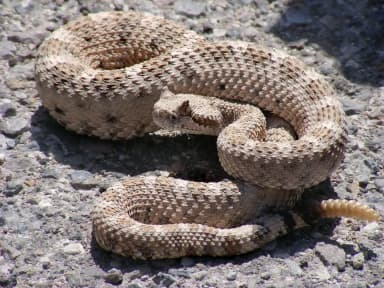 derivative work: Victorrocha ( talk · contribs ) Crotalus_cerastes_mesquite_springs_CA.JPG : Tigerhawkvok ( talk · contr · CC BY-SA 3.0
Sidewinder
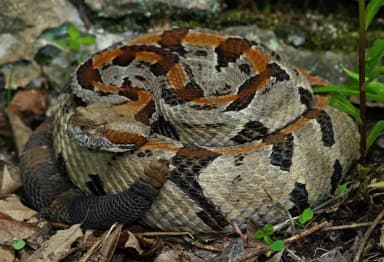 Peter Paplanus from St. Louis, Missouri · CC BY 2.0
Timber Rattlesnake
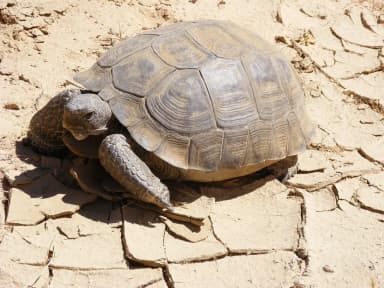 Tigerhawkvok · CC BY-SA 3.0
Desert Tortoise
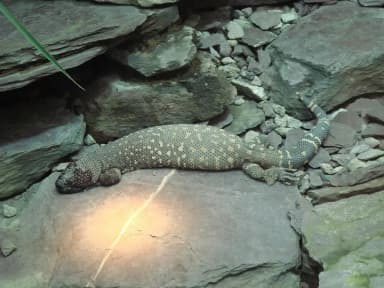 David Rubin · CC BY 2.0
Mexican Beaded Lizard
 Blueag9 · CC BY-SA 3.0
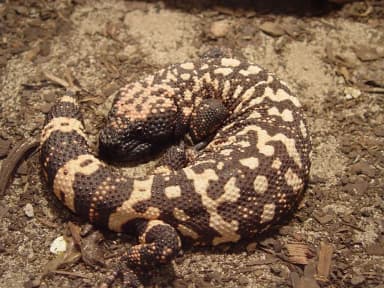
Gila Monster
 Gary M. Stolz/U.S. Fish and Wildlife Service · Public domain
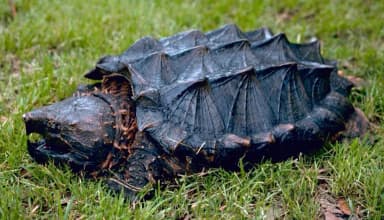
Alligator Snapping Turtle
 Dave Pape · Public domain
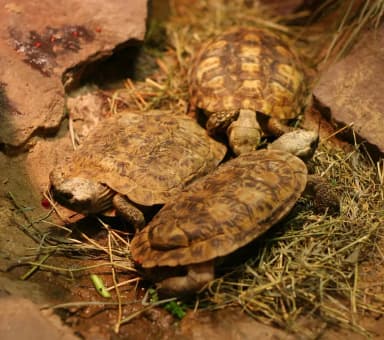
Pancake Tortoise
 Kaldari · Public domain
Chuckwalla
 Doug Beckers · CC BY-SA 2.0
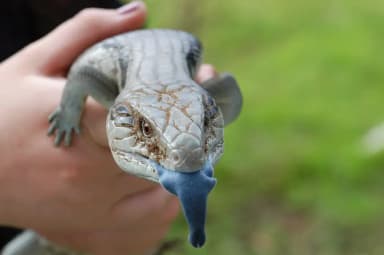
Blue-tongued Skink
Amphibians2
Fish1
Feathers & Fangs from visitors
What people who've been to North Carolina Zoo say
A Feather is something this zoo does well; a Fang is something it gets wrong. Left by people who've been, and read by us before they appear.
Loading…
About North Carolina Zoo
The North Carolina Zoo sits on 500 developed acres outside Asheboro, North Carolina, about 75 miles west of Raleigh, 25 miles south of Greensboro, and 75 miles northeast of Charlotte. With that much land in active use for habitats, it bills itself as the world's largest natural habitat zoo, and the zoo's own founding philosophy backs that description up: animals are shown together with the plants of the regions they come from, rather than in isolated enclosures. The Watani Grasslands habitat alone covers 40 acres, roughly the size of many entire zoos.
The Zoo is part of the North Carolina Department of Natural and Cultural Resources, making it one of only two state-supported zoos in the country, alongside the Minnesota Zoo. A 15-member Zoo Council appointed by the governor oversees its operation, and the North Carolina Zoological Society, the zoo's nonprofit fundraising and membership arm, provides support beyond the roughly 60 percent of the annual operating budget that comes from the state. The zoo's yearly operating budget runs around $18 million.
Inside the gates, the collection totals 1,700 animals across more than 250 species, organized into two main continental regions, Africa and North America, plus a global Desert exhibit and an aviary building. The zoo is open 363 days a year, closing only for Thanksgiving and Christmas, and in 2023 it topped one million visitors for the first time. It has held accreditation from the Association of Zoos and Aquariums since 1984.
History
North Carolina's legislature set the zoo in motion in 1967, creating a Zoological Garden Study Commission to study whether the state should build one. The nine-member commission decided a zoo was both feasible and worth doing, and the following year the legislature formed the North Carolina Zoological Authority to oversee the project while the newly created North Carolina Zoological Society began raising money and public support. After a two-year search across six candidate sites, the commission settled on a tract in Randolph County; its 1,371 acres were donated to the state, a $2 million bond passed, and Governor Robert W. Scott dedicated the site in the spring of 1972.
Construction began in 1974. The first animals, two Galápagos tortoises, arrived in 1973, and an interim zoo opened the following year while the permanent facility took shape. Ground broke for the Africa region in spring 1976, and the zoo's official opening date came on August 13, 1976, with the grand opening of the original five habitats following in the summer of 1980. In 1980, Ham, the chimpanzee who became the first hominid in outer space, was moved to the North Carolina Zoo from the National Zoo in Washington, D.C.; he lived there until his death three years later.
The zoo continued expanding through the 1980s as the African region's habitats opened one after another, and AZA accreditation followed in 1984. North America came next: its first completed habitat, home to the animals of the Sonora Desert, opened in 1993, and the final North American habitat opened in 1996. A 2015 bond referendum, Connect NC, set aside funding for a new Asia region, and the zoo broke ground on that expansion in August 2022. State budget appropriations passed in June 2026 added $1.3 million toward finishing the project along with recurring funds to support 54 new full-time positions, with the Asia region expected to open in 2026.
Exhibits and habitats
The zoo is organized by continent, with parking available at both the North America and Africa ends so visitors can start their day from either side; roughly five miles of walking paths connect the regions, supplemented by trams and air-conditioned buses.
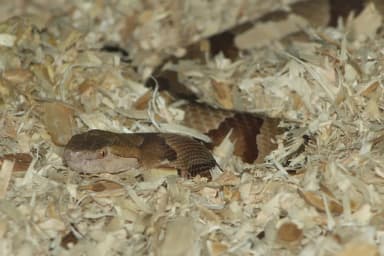
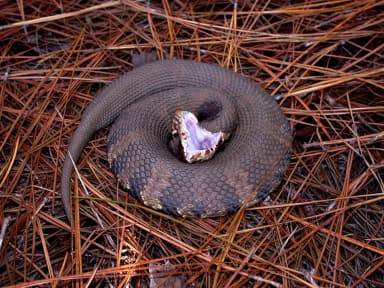
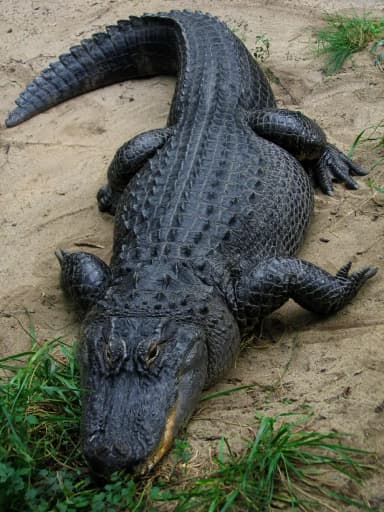
In North America, the Cypress Swamp holds American alligators, alligator snapping turtles, cougars, and assorted reptiles and amphibians, while the Rocky Coast recreates the Pacific Northwest coastline with North American porcupines, polar bears, harbor seals, Arctic foxes, thick-billed murres, parakeet auklets, and horned puffins. The Streamside habitat follows North Carolina's own waterways, home to bobcats, river otters, barred owls, and snakes including cottonmouths, eastern copperheads, and timber rattlesnakes. American bison and elk share the Prairie habitat, and black bears, grizzly bears, and red wolves each have their own separate habitats.
The Desert region unfolds inside and around the glass-domed Mangum Desert building: ocelots roam outside, while inside visitors find blue-tongued skinks, spiny-tailed monitors, Gila monsters, Mexican beaded lizards, desert tortoises, and pancake tortoises. A separate enclosure houses sand cats, and a nocturnal section holds common vampire bats, gray mouse lemurs, and sidewinders.
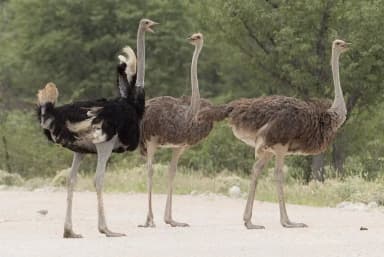
Africa is the zoo's largest region. The Forest Edge is a 3.5-acre wooded grassland for plains zebras, common ostriches, and reticulated giraffes, while the 47-acre Watani Grasslands Reserve is built to look like one continuous savanna, with African elephants looking out toward southern white rhinoceroses, Thomson's gazelles, addra gazelles, waterbucks, fringe-eared oryxes, greater kudu, and bongos. Chimpanzees occupy the Kibale Forest habitat, western lowland gorillas live in the Forest Glade, and lions and hamadryas baboons each have dedicated habitats of their own. The zoo's R.J. Reynolds Forest Aviary, once home to free-flying birds such as sunbitterns and Victoria crowned pigeons, was permanently closed in April 2022 after structural deterioration; its Chilean flamingos were sent to the Greenville Zoo in South Carolina.
Animal highlights
At least 50 species are listed on the zoo's website, drawn from a collection the zoo describes as more than 250 species and 1,700 individual animals overall, primarily representing Africa and North America. Among the named species are African elephants, western lowland gorillas, chimpanzees, southern white rhinoceroses, lions, red wolves, polar bears, grizzly bears, and American bison, alongside smaller residents like Gila monsters, sand cats, and vampire bats. The zoo notes it holds one of the largest chimpanzee troops of any American zoo and the largest collection of Alaskan seabirds in the country, and it is one of the few AZA facilities with a breeding pair of polar bears as part of that species' Species Survival Plan; as of 2022 the pair had not yet produced offspring.
Conservation and programs
The North Carolina Zoo runs conservation work on two fronts, international and local. In Cameroon, it partners with the World Wildlife Fund to track elephant movements by satellite collar, a project recognized by the AZA in 2008; in Cameroon and neighboring Nigeria it also monitors the rare Cross River gorilla using satellite imaging and GPS. In Uganda, an education program teaches young people about Kibale National Park, and the zoo supports research at the park's Ngogo field site, including snare removal to protect primates.
Closer to home, the zoo studies and protects the hellbender salamander, a species listed as endangered in North Carolina, and has worked to transplant and monitor a population of the endangered Schweinitz's sunflower threatened by a 2001 road expansion. Since 1995 the zoo has taken part in the American Red Wolf Species Survival Plan and reintroduction program, and it participates in the gorilla Species Survival Plan; two female gorillas arrived in 2010, and two male gorillas were born as a result in August 2012. The zoo's aviary was known for a string of first U.S. hatchings, including the golden white-eye, red-faced liocichla, and horned puffin, and southern white rhino calves were born at the zoo in both 2018 and 2020.
Planning your visit
As listed on the zoo's website, the North Carolina Zoo is open 9 a.m. to 5 p.m., with ticket sales ending at 4 p.m. and last entry at 4 p.m. as well. The zoo has two entrances and parking lots, one at North America and one at Africa; the Africa entrance operates March 15 through November 15, while North America is open year-round. During peak season a free shuttle runs between the two parking lots starting at 11 a.m.
Because the zoo covers so much ground, it recommends comfortable, closed-toe walking shoes and a refillable water bottle, with water fountains and misting stations placed throughout the park. Rental strollers and wheelchairs are available on a first-come, first-served basis at gift shops just inside both entrances, and all trams and buses used for in-park transportation are wheelchair accessible. Dining options include cafés and seasonal snack bars scattered across both continents, along with picnic areas outside the admissions gates. Online ticket purchases must be made at least a day in advance; same-day tickets are sold in person only. Because hours, ticket prices, and seasonal operating dates change, check the zoo's official website before you go.
What we haven't confirmed
Everything above came from public sources. These specifics we haven't stood behind yet:
- Current ticket prices
- Time typically needed for a full visit
- Phone number for general inquiries
North Carolina Zoo compared with nearby zoos
How North Carolina Zoo lines up against the closest zoos we have details for — useful if you're deciding between them for the same day out.
| Zoo | Distance | Admission | Hours | Size | AZA |
|---|---|---|---|---|---|
| North Carolina ZooThis zooAsheboro, NC | — | $14–$20 | 9 AM – 5 PM | 500 acres | Yes |
| Greensboro Science CenterGreensboro, NC | 35 mi | $22.99 | 9:00 am – 5:00 pm | — | Yes |
| Conservators CenterBurlington, NC | 50 mi | $16 | Guided tours Saturdays & Sundays and select holidays; reservations required. | 45 acres | No |
| Duke University Lemur CenterDurham, NC | 52 mi | $17 | Lemurs can be seen only on prepaid, reserved tours; no walk-ins. October–April is the off-season: Behind the Scenes tours (typically weekdays), Wild Workshops (Sat/Sun afternoons), and occasional weather-dependent Off-Season General Tours (Sat/Sun 10 AM–12 PM, posted 24–48 hours ahead). Gift shop open 10:00 AM – 4:00 PM daily except Tuesday. Closed Tuesdays; additional 2026 holiday closures listed on the hours page (e.g., Monday, January 19). | — | No |
Distances are straight-line. A dash means we haven't confirmed that detail yet, not that the zoo lacks it.
AZAThe Association of Zoos and Aquariums. Accredited members have passed an independent inspection of animal care and welfare, safety, conservation and education, repeated every five years. Many smaller facilities never apply, so “not accredited” isn't a verdict on its own. What accreditation means · How we check this
North Carolina Zoo: common questions
Is the North Carolina Zoo AZA accredited?
Yes, it has been accredited by the Association of Zoos and Aquariums since 1984.
How big is the North Carolina Zoo?
It has 500 developed acres, making it the world's largest natural habitat zoo by the zoo's own description.
When did the North Carolina Zoo open?
Construction began in 1974, and the zoo's official opening date was August 13, 1976.
How many animals and species can visitors see?
The zoo's collection totals 1,700 animals of more than 250 species, with at least 50 species named on its website.
Is the zoo stroller and wheelchair accessible?
Yes. Rental strollers and wheelchairs are available at both entrances, and the zoo's trams and buses are wheelchair accessible.
Is there parking at the zoo?
Yes, with separate lots at the North America and Africa entrances; the Africa lot operates seasonally from mid-March to mid-November.
Is food available inside the zoo?
Yes, including cafés, seasonal snack bars, and food carts across both continental regions.
Something wrong here? Tell us — we correct in place, with a dated note.