
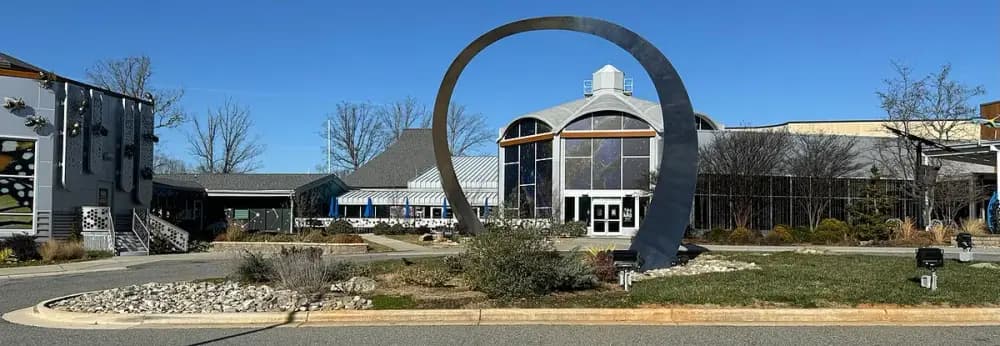
- Admission
- $22.99
- Opened
- 1957
- Accreditation
- AZA
Association of Zoos and Aquariums
Everything below is directory information drawn from public sources and the zoo's own site.
Animals at Greensboro Science Center
34 confirmedMammals13
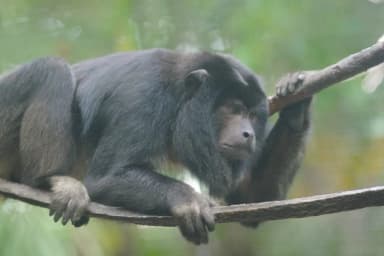 Ryan E. Poplin · CC BY-SA 2.0
Black Howler Monkey
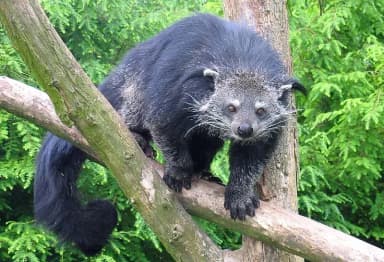 Tassilo Rau · CC BY-SA 3.0
Binturong
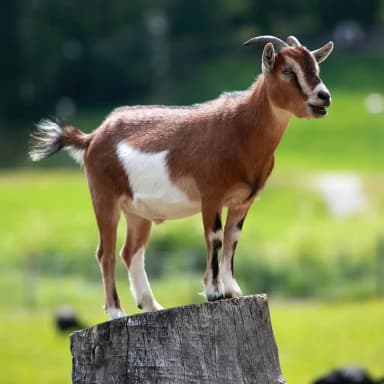 Kuebi = Armin Kübelbeck · CC BY-SA 3.0
Nubian Goat
 Dick Culbert from Gibsons, B.C., Canada · CC BY 2.0
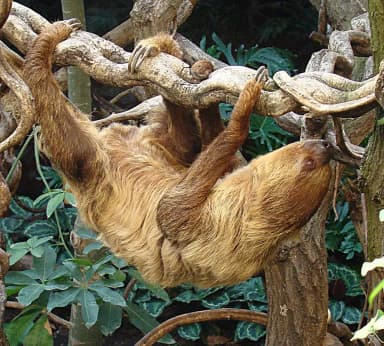
Linnaeus's Two-toed Sloth
 Ran Kirlian · CC BY-SA 4.0
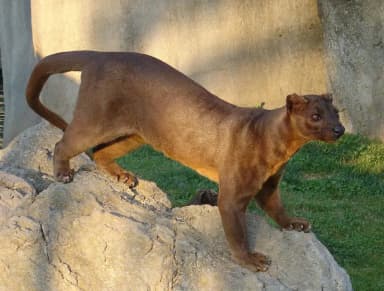
Fossa
 Nokota_Horses.jpg : François Marchal derivative work: Dana boomer ( talk ) · CC BY-SA 3.0
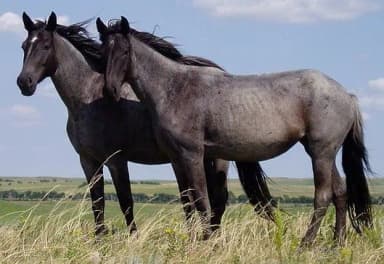
Miniature Horse
 Jack Hynes · CC BY-SA 3.0
Bolivian Gray Titi Monkey
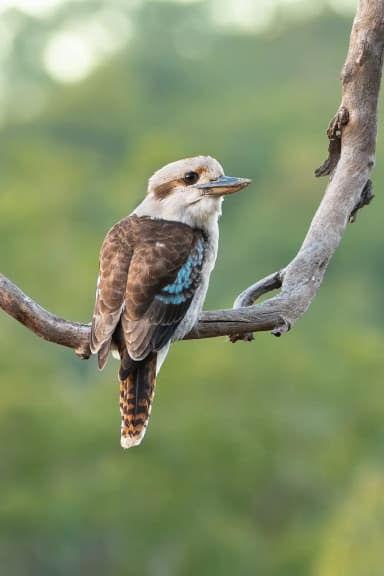
Birds4
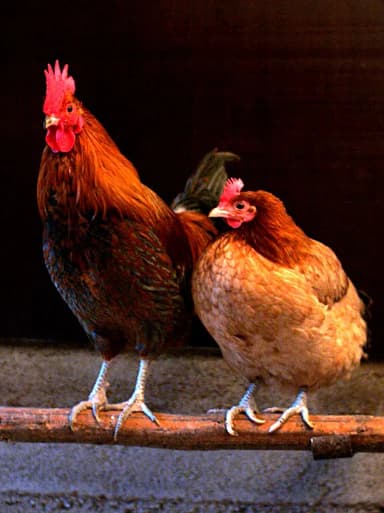
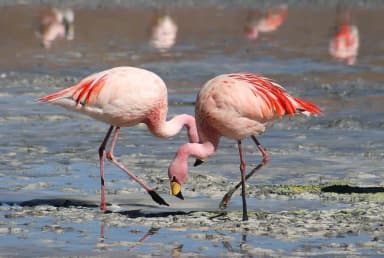
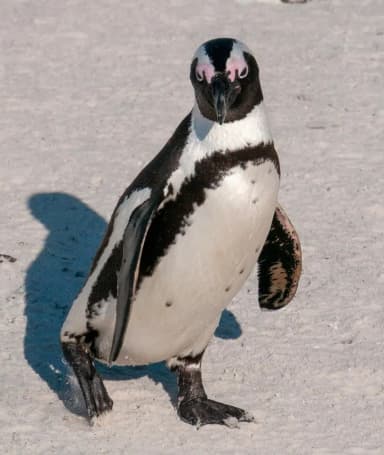
Reptiles6
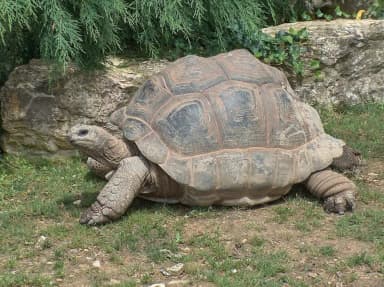 Yotcmdr · Public domain
Aldabra Tortoise
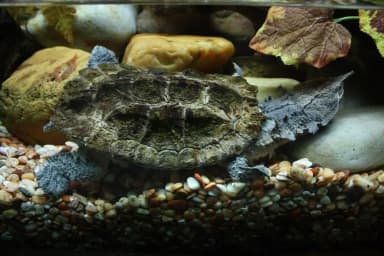 J. Patrick Fischer · CC BY-SA 3.0
Matamata
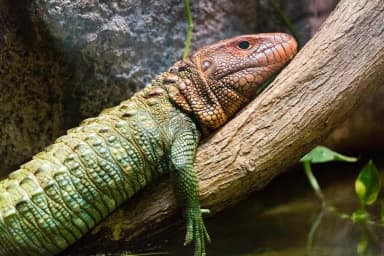 Brett Weinstein · CC BY-SA 3.0
Caiman Lizard
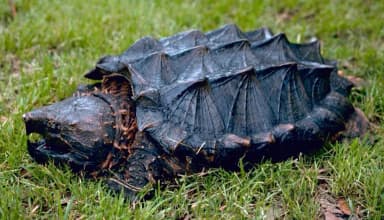 Gary M. Stolz/U.S. Fish and Wildlife Service · Public domain
Alligator Snapping Turtle
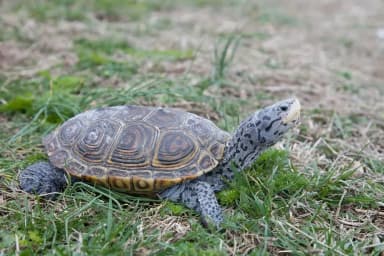 Ryan Hagerty · Public domain
Diamondback Terrapin
 James Jolokia ( james1203 ) · CC BY 4.0
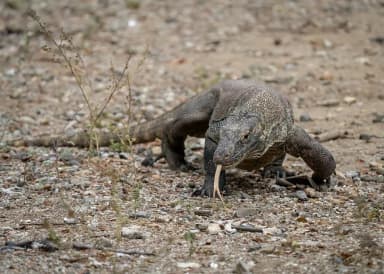
Komodo Dragon
Feathers & Fangs from visitors
What people who've been to Greensboro Science Center say
A Feather is something this zoo does well; a Fang is something it gets wrong. Left by people who've been, and read by us before they appear.
Loading…
About Greensboro Science Center
The Greensboro Science Center is a combined zoo, aquarium, and museum on a 22-acre campus in Greensboro, North Carolina. It opened in 1957 as the Greensboro Junior Museum, founded through a community effort led by the Junior League of Greensboro, and has operated since as a 501(c)(3) nonprofit organization. Over time the center added a zoo, an aquarium, and a planetarium, and it now holds accreditation from both the American Alliance of Museums, earned in 1985, and the Association of Zoos and Aquariums, earned in 2008 — a dual accreditation held by only 15 facilities nationwide. The center draws roughly 320,000 visitors a year.
Exhibits and attractions include the Wiseman Aquarium, the SKYWILD treetop adventure course, Revolution Ridge, the FLYWAY zip line over Lake Sloan, and the Rotary Club of Greensboro Carousel, which features 56 hand-painted animals. A planned expansion, Expedition Rainforest: The Greensboro Biodome and Aquatic Rehabilitation and Conservation Center, will add a five-story tropical rainforest biodome intended to serve as a Species Survival Plan breeding center for animals including sloths, toucans, and clouded leopards, alongside a dedicated aquatic animal rehabilitation facility.
History
The Greensboro Science Center traces back to 1957, when it opened as the Greensboro Junior Museum through a community effort led by the Junior League of Greensboro. What began as a small nature center grew over the decades into a combined zoo, aquarium, and planetarium. The center earned accreditation from the American Alliance of Museums in 1985 and from the Association of Zoos and Aquariums in 2008.
More recently, the center has added the Wiseman Aquarium, SKYWILD, Revolution Ridge, and the FLYWAY zip line, and it operates the Cole Family Monarch Conservation Center & Butterfly House as a seasonal exhibit. Its next major project, Expedition Rainforest: The Greensboro Biodome and ARCC, is planned as what the center describes as its boldest step forward, pairing a rainforest biodome with an aquatic rehabilitation and conservation center.
Exhibits and habitats
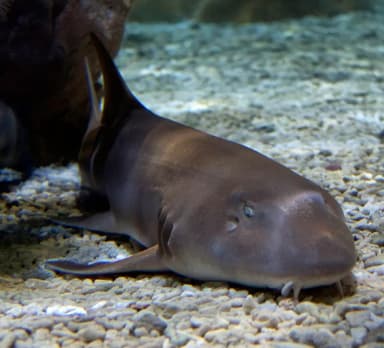
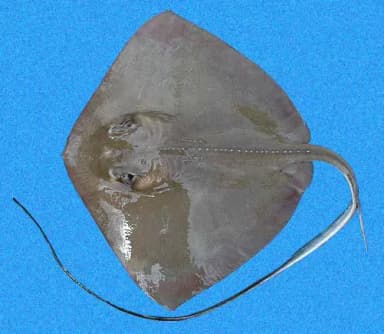
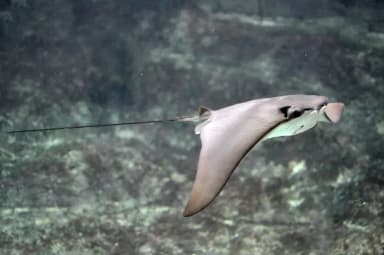
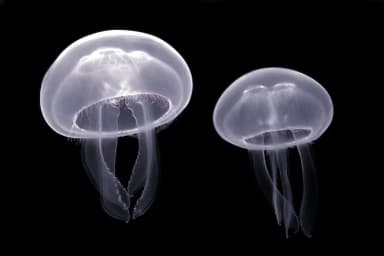
The science center's 22-acre campus combines zoo, aquarium, and museum exhibits. The Wiseman Aquarium anchors the aquatic displays, home to species such as African penguins, moon jellies, an upside-down jelly, a giant Pacific octopus, and rays and sharks including cownose rays, southern stingrays, sandbar sharks, bamboo sharks, and epaulette sharks. Reptile and amphibian exhibits include Aldabra tortoises, alligator snapping turtles, Komodo dragons, caiman lizards, matamata turtles, and diamondback terrapins.
Mammal exhibits at the zoo include a binturong, a fossa, Linnaeus's two-toed sloths, black howler monkeys, Bolivian gray titi monkeys, and Asian small-clawed otters, along with a farmyard collection of Barbados Blackbelly sheep, Boer goats, Gulf Coast Native sheep, Kiko goats, Nubian goats, Oberhasli goats, miniature horses, and chickens. Bird species on view include flamingos and kookaburras.
The Cole Family Monarch Conservation Center & Butterfly House is a seasonal exhibit focused on native pollinator species, encouraging visitors to plant milkweed and native wildflowers at home; it can hold up to 40 people at once and runs from mid-May through early September. Beyond the animal collection, the campus includes the SKYWILD treetop adventure course, the FLYWAY zip line over Lake Sloan, and the Rotary Club of Greensboro Carousel with its 56 hand-painted animals.
Animal highlights
The Greensboro Science Center lists at least 34 species on its website, spanning its zoo, aquarium, and reptile exhibits. Marine life includes African penguins, a giant Pacific octopus, moon jellies, an upside-down jelly, and multiple shark and ray species — cownose rays, southern stingrays, spotted eagle rays, sandbar sharks, bamboo sharks, and epaulette sharks. Reptile highlights include Aldabra tortoises, Komodo dragons, alligator snapping turtles, caiman lizards, and matamata turtles, a species known for its elaborate camouflage. Mammals range from a binturong and a fossa to Linnaeus's two-toed sloths, black howler monkeys, and Asian small-clawed otters, alongside a farmyard collection of goat, sheep, and horse breeds that visitors can encounter up close. Invertebrates such as a spiny lobster round out a collection that spans terrestrial, aquatic, and farmyard species.
Conservation and programs
The Greensboro Science Center is a 501(c)(3) nonprofit whose stated mission centers on inspiring discovery, supporting conservation, and building community connections. Its planned Expedition Rainforest: The Greensboro Biodome and ARCC will pair a Species Survival Plan breeding center for species such as sloths, toucans, and clouded leopards with a dedicated Aquatic Rehabilitation and Conservation Center.
The center's Cole Family Monarch Conservation Center & Butterfly House focuses on protecting monarch butterflies and other pollinators, encouraging visitors to plant native flowers and milkweed, reduce pesticide use, and remove invasive plants at home, and pointing them toward community science projects such as Journey North, Monarch Watch, and the Butterfly Highway.
Planning your visit
As listed on the zoo's website, the Greensboro Science Center is open daily from 9:00 a.m. to 5:00 p.m., with reduced hours to 3:30 p.m. during certain seasons; it closes for New Year's Day, the See to Believe Gala, Thanksgiving, Christmas Eve, and Christmas Day. Parking is free and available on a first-come, first-served basis, with overflow parking at Jaycee Park and the Nathanael Greene entrance to Country Park; bus parking is at Jaycee Park.
Admission uses a flexible pricing structure, and discounts are available for City of Greensboro employees, AZA reciprocal-program members with valid ID, and SNAP/EBT/WIC participants — SNAP, EBT, and WIC enrollees from any state can receive up to five discounted general admission tickets. Coolers and outside food are welcome, and on-site dining is available at the Meerkat Café, along with vending machines throughout the zoo. Personal, non-commercial photography is permitted, though drones and aerial photography are not allowed anywhere on the property, and commercial or promotional shoots require advance approval.
Accessibility features include eleven reserved accessible parking spaces, a limited number of free loan wheelchairs available with a photo ID, wheelchair-accessible restroom stalls, a family restroom near Revolution Ridge, and sensory backpacks for guests with sensory-processing needs; the center also hosts periodic Sensory Friendly Nights for guests with autism spectrum disorder or similar sensory-related challenges, offering a calmer environment with fewer crowds, lights, and sounds. Pets are not permitted, though ADA-recognized service animals may enter after checking in at the admissions window. The center also offers scholarships for camps, classes, and group visits for families and nonprofits that cannot otherwise absorb admission costs. Because pricing, hours, and seasonal schedules can shift, confirm current details on the official website before visiting.
What we haven't confirmed
Everything above came from public sources. These specifics we haven't stood behind yet:
- Ticket prices
- Total animal count
- Time needed for a visit
- Phone number
Greensboro Science Center compared with nearby zoos
How Greensboro Science Center lines up against the closest zoos we have details for — useful if you're deciding between them for the same day out.
| Zoo | Distance | Admission | Hours | Size | AZA |
|---|---|---|---|---|---|
| Greensboro Science CenterThis zooGreensboro, NC | — | $22.99 | 9:00 am – 5:00 pm | — | Yes |
| Conservators CenterBurlington, NC | 30 mi | $16 | Guided tours Saturdays & Sundays and select holidays; reservations required. | 45 acres | No |
| North Carolina ZooAsheboro, NC | 35 mi | $14–$20 | 9 AM – 5 PM | 500 acres | Yes |
| Duke University Lemur CenterDurham, NC | 50 mi | $17 | Lemurs can be seen only on prepaid, reserved tours; no walk-ins. October–April is the off-season: Behind the Scenes tours (typically weekdays), Wild Workshops (Sat/Sun afternoons), and occasional weather-dependent Off-Season General Tours (Sat/Sun 10 AM–12 PM, posted 24–48 hours ahead). Gift shop open 10:00 AM – 4:00 PM daily except Tuesday. Closed Tuesdays; additional 2026 holiday closures listed on the hours page (e.g., Monday, January 19). | — | No |
Distances are straight-line. A dash means we haven't confirmed that detail yet, not that the zoo lacks it.
AZAThe Association of Zoos and Aquariums. Accredited members have passed an independent inspection of animal care and welfare, safety, conservation and education, repeated every five years. Many smaller facilities never apply, so “not accredited” isn't a verdict on its own. What accreditation means · How we check this
Greensboro Science Center: common questions
Is the Greensboro Science Center AZA accredited?
Yes, since 2008. It also holds accreditation from the American Alliance of Museums, earned in 1985 — a dual distinction held by only 15 facilities nationwide.
When did it open?
It opened in 1957 as the Greensboro Junior Museum.
How big is the campus?
The zoo, aquarium, and museum together cover 22 acres.
What animals can you see?
At least 34 species are listed on the center's website, including African penguins, Komodo dragons, a fossa, and multiple shark and ray species.
Is there parking?
Yes, free parking is available on a first-come, first-served basis, with overflow lots at Jaycee Park and Country Park.
Is it accessible for wheelchairs?
Yes. A limited number of free loan wheelchairs are available, along with reserved accessible parking and wheelchair-accessible restrooms.
Is there food inside?
Yes, at the Meerkat Café, and outside coolers and food are also permitted.
Something wrong here? Tell us — we correct in place, with a dated note.