
Conservators Center
Burlington, NC
- Admission
- $16
- Size
- 45 acres
- Opened
- 1999
- Accreditation
- None listed
not accredited by the Association of Zoos and Aquariums
Everything below is directory information drawn from public sources and the zoo's own site.
Animals at Conservators Center
22 confirmedMammals18
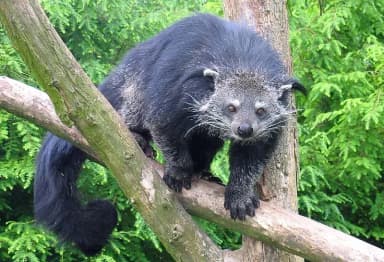 Tassilo Rau · CC BY-SA 3.0
Binturong
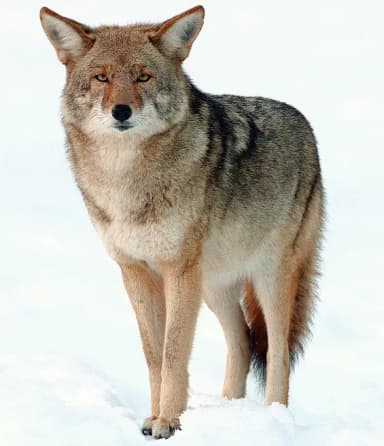 Yathin S Krishnappa · CC BY-SA 3.0
Coyote
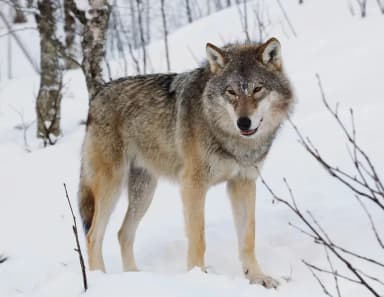 User:Mas3cf · CC BY-SA 4.0
Gray Wolf
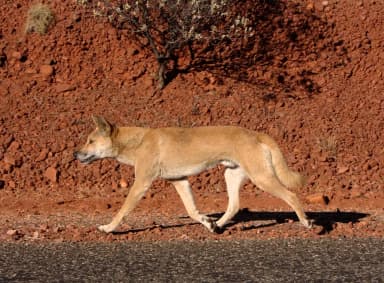 Jarrod Amoore from Sydney, Australia · CC BY 2.0
Dingo
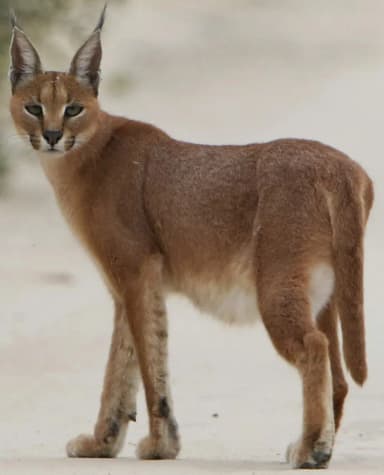 Derek Keats · CC BY 2.0
Caracal
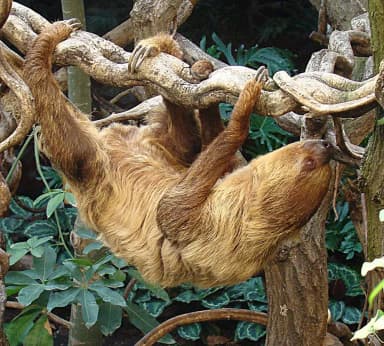 Dick Culbert from Gibsons, B.C., Canada · CC BY 2.0
Two-toed Sloth
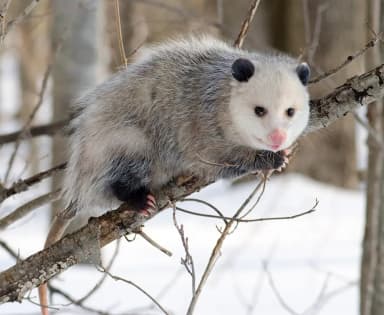 Cody Pope · CC BY-SA 2.5
Virginia Opossum
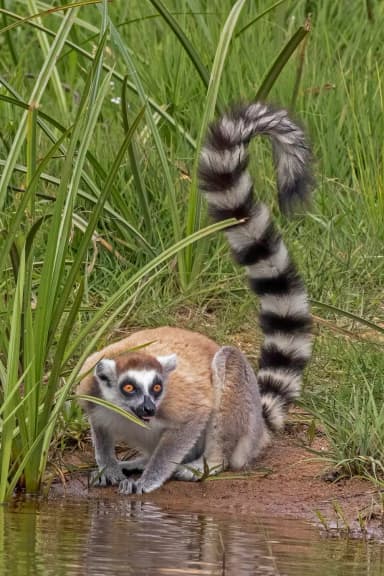 Charles J. Sharp · CC BY-SA 4.0
Ring-tailed Lemur
 Diego Delso · CC BY-SA 4.0
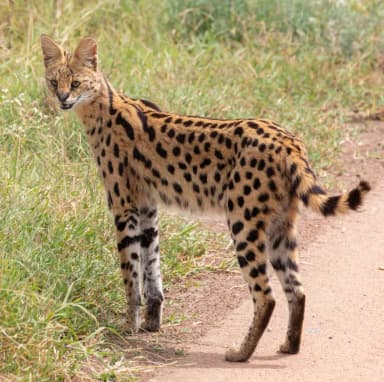
Serval
 Aconcagua · CC BY-SA 3.0
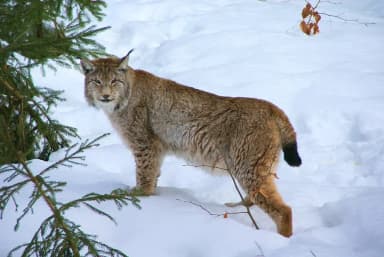
Eurasian Lynx
 Becker1999 (Paul and Cathy) · CC BY 2.0
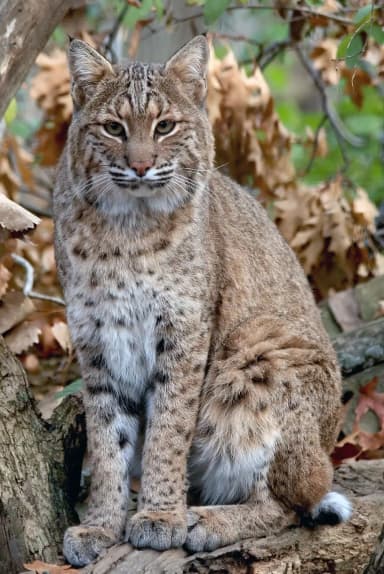
Bobcat
 Wallace Keck · Public domain
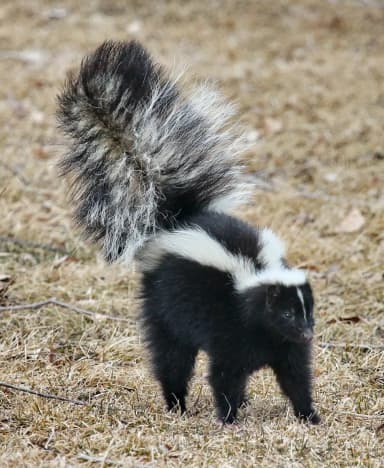
Striped Skunk
 Giles Laurent · CC BY-SA 4.0
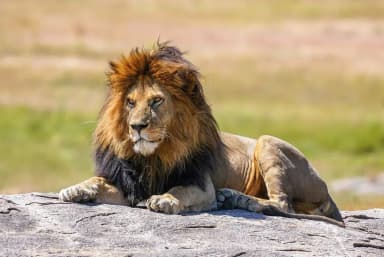
Lion
 Profberger · CC BY-SA 3.0
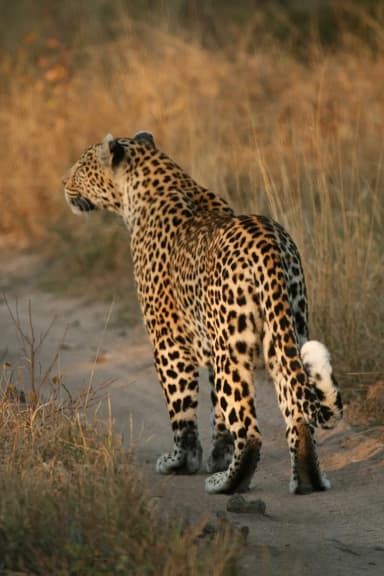
Leopard
 Charles J. Sharp · CC BY-SA 4.0
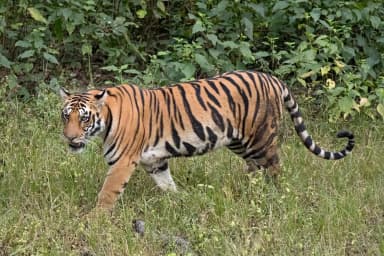
Tiger
 Dick Culbert from Gibsons, B.C., Canada · CC BY 2.0
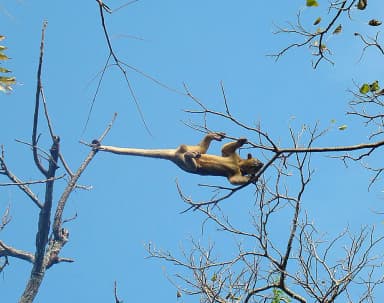
Kinkajou
 Drew Avery · CC BY 2.0
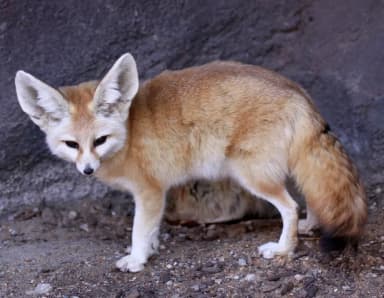
Fennec Fox
Feathers & Fangs from visitors
What people who've been to Conservators Center say
A Feather is something this zoo does well; a Fang is something it gets wrong. Left by people who've been, and read by us before they appear.
Loading…
About Conservators Center
The Conservators Center is a nonprofit zoological park at 676 E. Hughes Mill Road in Burlington, North Carolina. Wikipedia places the park in Burlington and Caswell County. Since October 2019 it has used the name The Animal Park at the Conservators Center. Its website describes the organization as a 501(c)(3) nonprofit whose mission is to educate people, care for animals, and advocate for species, with a focus on wildlife education across North Carolina's Triangle and Triad regions.
Wikipedia gives the property as 45 acres. According to Wikipedia, the center does not receive taxpayer funding for operations and relies on tour services, memberships, donations, grants, events, and corporate contributions. Wikipedia reports about 16,000 visitors per year. Visits are by guided tour, and the website says reservations are required for most tours and events.
The center is not accredited by the Association of Zoos and Aquariums.
History
Mindy Stinner and Douglas Evans founded the Conservators Center in 1999. Wikipedia reports that it first managed around 25 small exotic species and 3 tigers.
A turning point came in 2004, when a facility in Ohio closed and 14 confiscated big cats were brought to the center. Four of the females were pregnant, and the litters produced 15 tiger and lion cubs. Wikipedia calls this a turning point for the facility and says the center opened to visitors in 2007 to help generate support for the larger animal population.
Guided educational tours began in September 2007, with visits by reservation only. On December 30, 2018, a lion that had gotten out of a locked area killed a 22-year-old intern during routine enclosure cleaning, CBS News reported that day. Caswell County sheriff's deputies shot the lion after attempts to sedate it failed, and the center said it would close until further notice. Wikipedia reports no other serious incidents at the center since it opened in 1999. In October 2019 the facility adopted its current name.
Exhibits and habitats
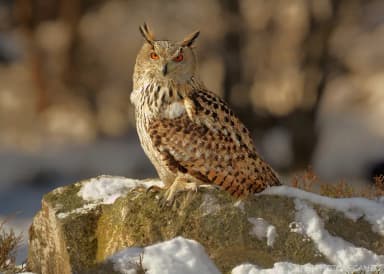
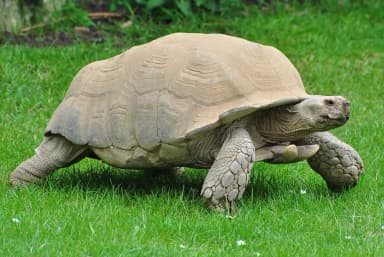
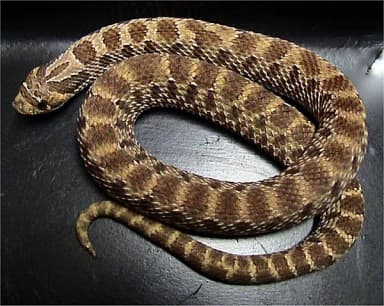
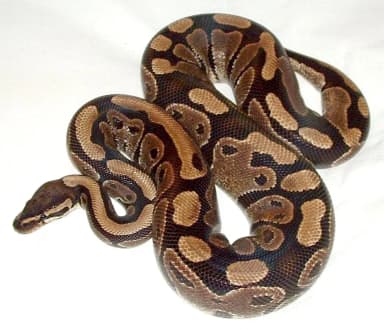
The animal park's website says it houses over 60 animals representing more than 20 species, grouped on its animal pages into these categories. Big felines are the leopard, lion, and tiger. Small felines are the serval, caracal, Geoffroy's cat, Eurasian lynx, jungle cat, and bobcat. Canids are the coyote, dingo, fennec fox, gray wolf, and New Guinea singing dog. Reptiles are the African spurred tortoise, ball python, uromastyx, and western hognose snake. Other animals are the binturong, Eurasian eagle-owl, kinkajou, ring-tailed lemur, striped skunk, two-toed sloth, and Virginia opossum.
Visitors see the animals on a guided walk along what the website describes as a three-quarter-mile path. The website also lists nature trails among its offerings. The collection changes over time, so the animal pages on the website are the authority for the current list.
Conservation and programs
The park's Tours page lists a range of formats. Family Adventures last 30 to 90 minutes, are open to any age, and are listed for weekends and select holidays; strollers are allowed with children secured inside, while wagons are not. Adult Adventures last 60 to 120 minutes and are listed for ages 12 and up. Twilight Tours last about 2 hours, are listed for ages 12 and up, and take place in the evening, when the page says visitors may hear lions calling and wolves howling. Photo Safaris run an hour or more, are listed for ages 18 and up, and include behind-the-scenes access for photography. Private Tours are priced for up to 15 guests, with additional guests allowed up to a maximum group size of 25, and let the group focus on species and topics of interest.
Wild Field Trips for school groups last an hour, cover more than 20 species, and are described as designed to meet North Carolina educational standards. Large Group Tours are described for groups such as employee team-building events, social clubs, and scout troops, and both group formats are listed for Wednesdays through Sundays with advance booking. Wild Overnights, birthday parties, and a seasonal Pumpkin Prowl event with a costume contest and trunk-or-treat are also listed. The center also runs a lifetime animal adoption program and other seasonal events, among them Wild Hearts, Earth Day, and International Tiger Day.
The About page describes the park as concentrating on predator management and large carnivore conservation, which it calls one of the most difficult conservation challenges facing humanity. The page says its animals serve as ambassadors for their wild counterparts, and it describes an internship program for future animal husbandry professionals, advisory relationships with other facilities, and advocacy on exotic animal husbandry at the state and federal levels.
Volunteer opportunities are listed in visitor services, events, and maintenance. The center invites service-group visits and accepts donations through several channels, including wish lists and planned gifts. It maintains a presence on Facebook, Instagram, TikTok, and Twitch and offers a newsletter.
Planning your visit
As listed on the zoo's website, the park is open Saturdays and Sundays for tours, with most tours and events held on weekends and select holidays and requiring reservations. Large Group Tours and Wild Field Trips are listed for Wednesdays through Sundays with advance booking. The Tours page says the park is not wheelchair accessible, that accessibility accommodations are available for visitors with mobility issues, and that scooters and motorized wheelchairs are not allowed in the park. The same page asks visitors to complete an online tour waiver and says pets are not allowed on site. The website gives a telephone number of 336-421-0883. Ticket details, tour schedules, and seasonal changes are on the zoo's website.
What we haven't confirmed
Everything above came from public sources. These specifics we haven't stood behind yet:
- Current tour days and times
- Parking
- Food and drink policy
Conservators Center compared with nearby zoos
How Conservators Center lines up against the closest zoos we have details for — useful if you're deciding between them for the same day out.
| Zoo | Distance | Admission | Hours | Size | AZA |
|---|---|---|---|---|---|
| Conservators CenterThis zooBurlington, NC | — | $16 | Guided tours Saturdays & Sundays and select holidays; reservations required. | 45 acres | No |
| Duke University Lemur CenterDurham, NC | 27 mi | $17 | Lemurs can be seen only on prepaid, reserved tours; no walk-ins. October–April is the off-season: Behind the Scenes tours (typically weekdays), Wild Workshops (Sat/Sun afternoons), and occasional weather-dependent Off-Season General Tours (Sat/Sun 10 AM–12 PM, posted 24–48 hours ahead). Gift shop open 10:00 AM – 4:00 PM daily except Tuesday. Closed Tuesdays; additional 2026 holiday closures listed on the hours page (e.g., Monday, January 19). | — | No |
| Museum of Life and ScienceDurham, NC | 28 mi | $24 | 10 am – 5 pm | 84 acres | Yes |
| Greensboro Science CenterGreensboro, NC | 30 mi | $22.99 | 9:00 am – 5:00 pm | — | Yes |
Distances are straight-line. A dash means we haven't confirmed that detail yet, not that the zoo lacks it.
AZAThe Association of Zoos and Aquariums. Accredited members have passed an independent inspection of animal care and welfare, safety, conservation and education, repeated every five years. Many smaller facilities never apply, so “not accredited” isn't a verdict on its own. What accreditation means · How we check this
Conservators Center: common questions
Are reservations required?
The website says reservations are required for most tours and events.
Is the Conservators Center AZA accredited?
No. It is not accredited by the Association of Zoos and Aquariums.
What is the current name?
Since October 2019 the facility has used the name The Animal Park at the Conservators Center.
What kinds of animals live there?
The website lists big and small cats, canids, reptiles, and other species such as the binturong, kinkajou, ring-tailed lemur, and two-toed sloth.
When was it founded?
It was founded in 1999 by Mindy Stinner and Douglas Evans, and guided tours began in September 2007.
Something wrong here? Tell us — we correct in place, with a dated note.