
Jackson Zoo
Jackson, MS
- Admission
- $5
- Size
- 110 acres
- Animals
- 250
- Opened
- 1919
- Accreditation
- None listed
not accredited by the Association of Zoos and Aquariums
Everything below is directory information drawn from public sources and the zoo's own site.
Animals at Jackson Zoo
45 of the ~120 species this zoo listsThis is a partial list — we only show species we've confirmed against the zoo's own pages, and their full collection is considerably larger.
Mammals18
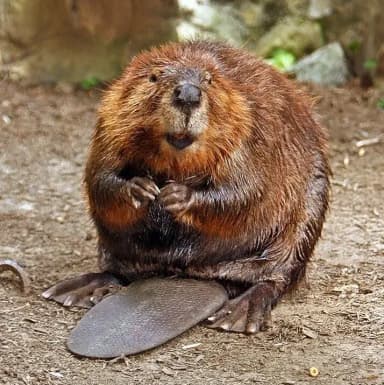 Steve from Washington, DC, USA · CC BY-SA 2.0
American Beaver
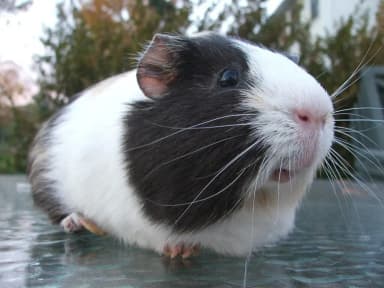 Wikimedia Commons · CC BY-SA 3.0
Guinea Pig
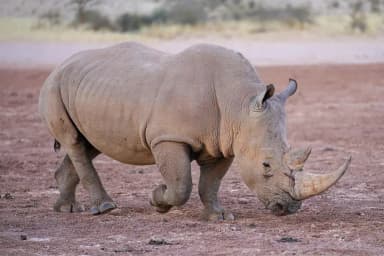 Giles Laurent · CC BY-SA 4.0
White Rhinoceros
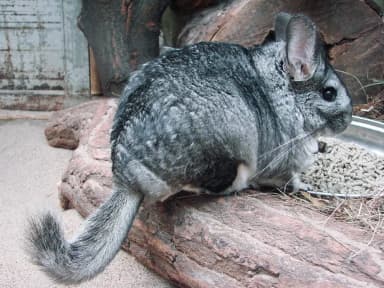 Guérin Nicolas ( messages ) · CC BY-SA 3.0
Chinchilla
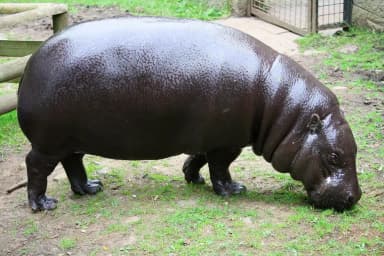 Bardrock · CC BY-SA 3.0
Pygmy Hippopotamus
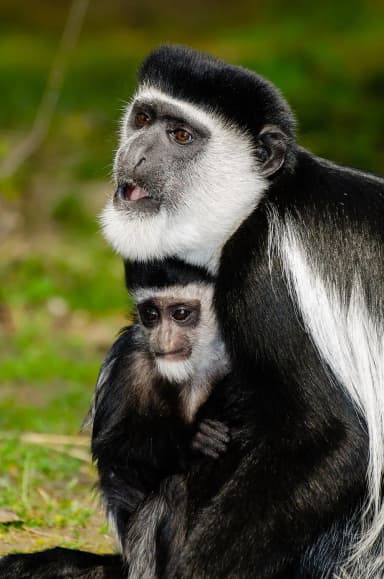 Tuxyso · CC BY-SA 3.0
Black-and-white Colobus
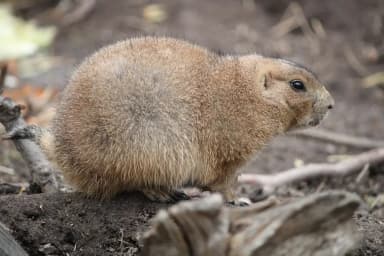 Christian Ursilva from København, Danmark · CC BY-SA 4.0
Black-tailed Prairie Dog
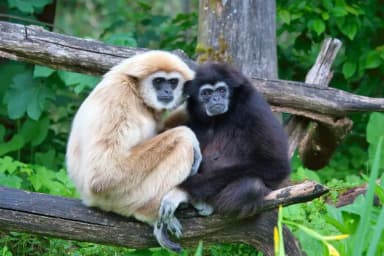 User:MatthiasKabel · CC BY 2.5
White-handed Gibbon
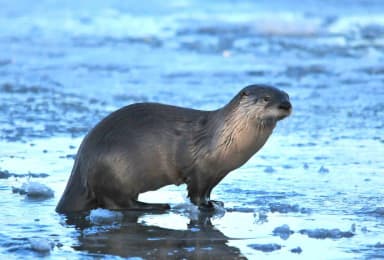 USFWS Mountain-Prairie · Public domain
North American River Otter
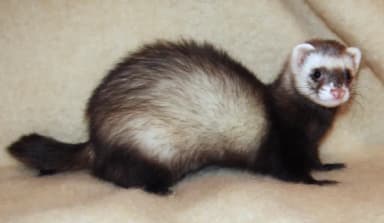 Alfredo Gutiérrez · CC BY-SA 4.0
Domestic Ferret
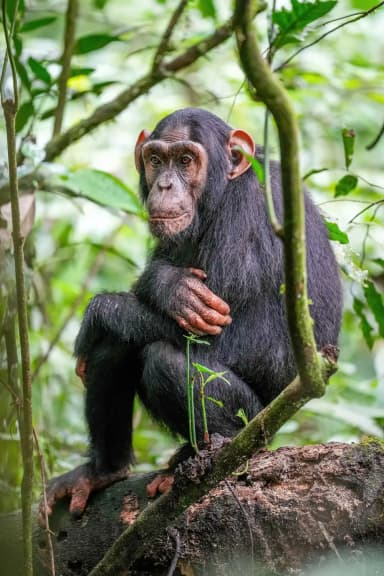 Giles Laurent · CC BY-SA 4.0
Chimpanzee
 Charles J. Sharp · CC BY-SA 4.0
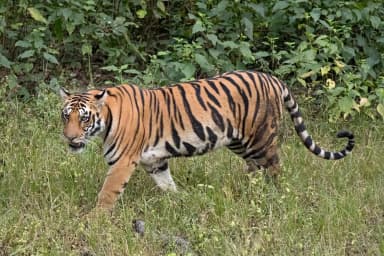
Tiger
 Rufus46 · CC BY-SA 3.0
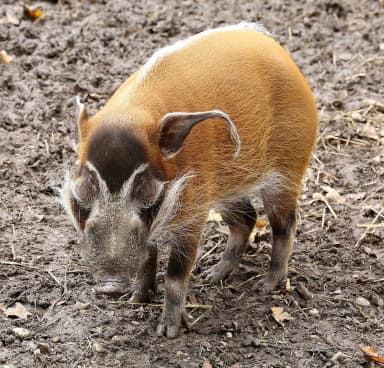
Red River Hog
 Dick Culbert from Gibsons, B.C., Canada · CC BY 2.0
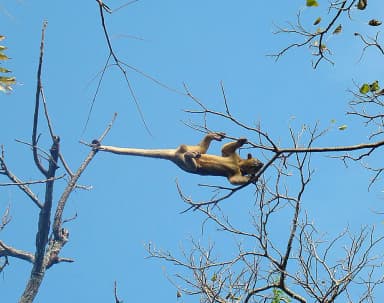
Kinkajou
 National Park Service · Public domain
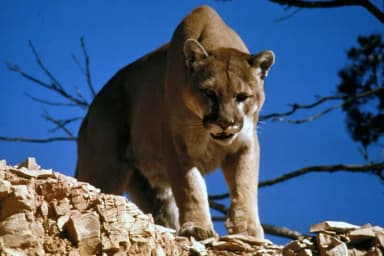
Cougar
 Charles J. Sharp · CC BY-SA 4.0
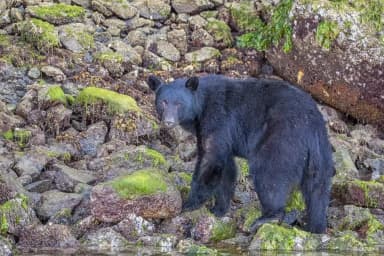
American Black Bear
 Guérin Nicolas ( messages ) · CC BY-SA 3.0
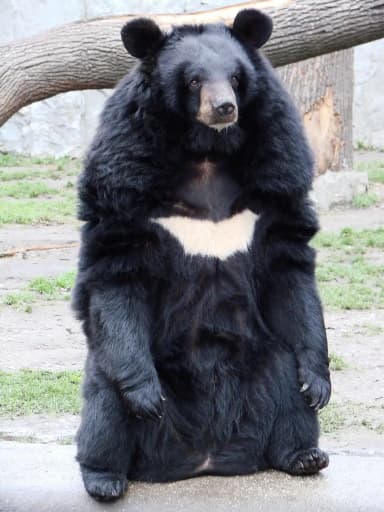
Asiatic Black Bear
 Charles J. Sharp · CC BY-SA 4.0
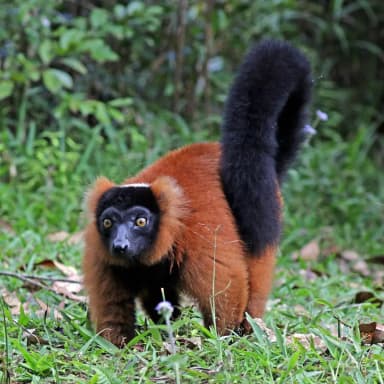
Red Ruffed Lemur
Birds12
 Spaceaero2 · CC BY-SA 3.0
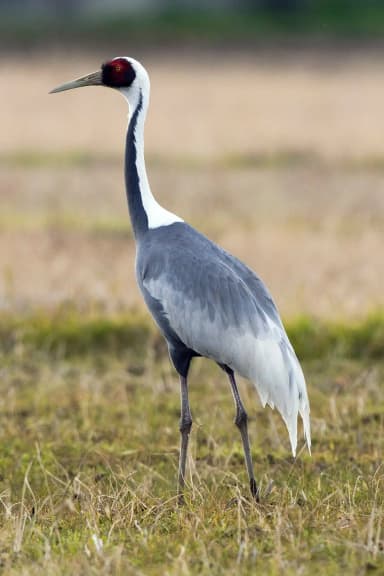
White-naped Crane
 Luc Viatour · CC BY 2.0
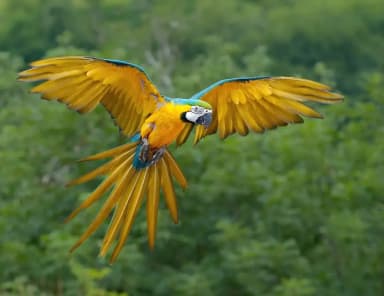
Blue-and-gold Macaw
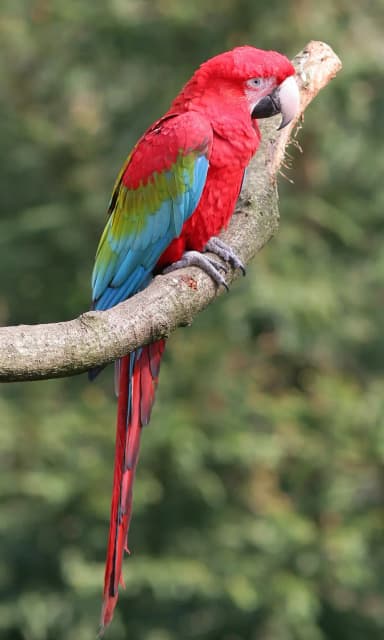 Arjan Haverkamp · CC BY 2.0
Green-winged Macaw
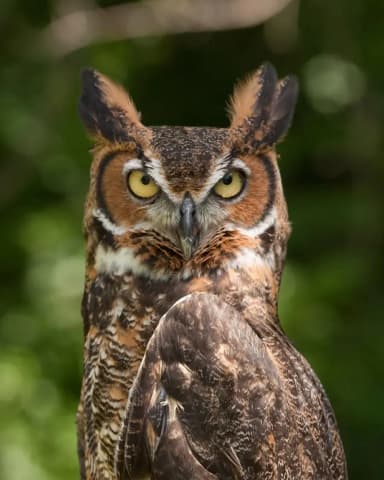 Greg Hume · CC BY-SA 3.0
Great Horned Owl
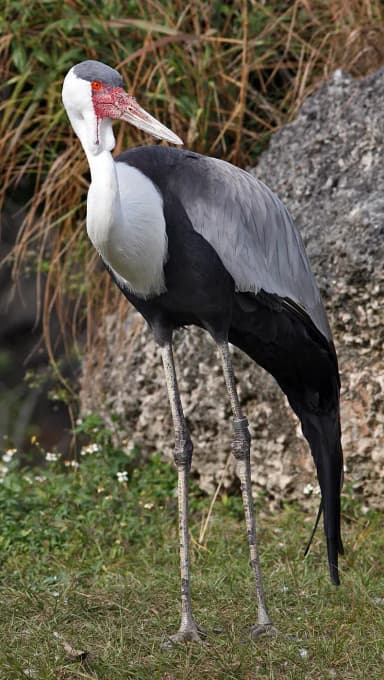 http://www.birdphotos.com · CC BY 3.0
Wattled Crane
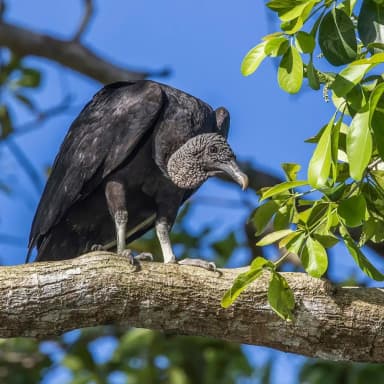 Charles J. Sharp · CC BY-SA 4.0
Black Vulture
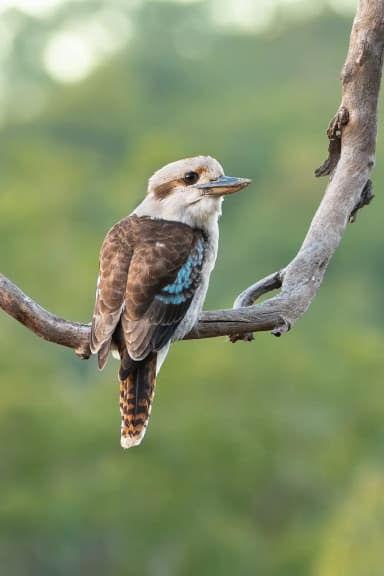 Photo by: Paulweberphoto - paulweberphoto.com · CC BY 4.0
Laughing Kookaburra
 JJ Harrison ( https://tiny.jjharrison.com.au/t/awbKQM2Ekae0XKza ) · CC BY-SA 4.0
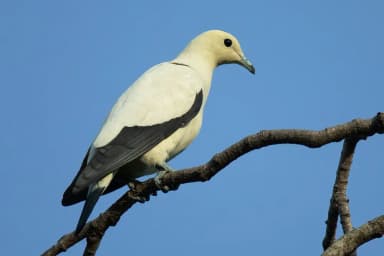
Pied Imperial Pigeon
 JeffreyGammon · CC BY 4.0
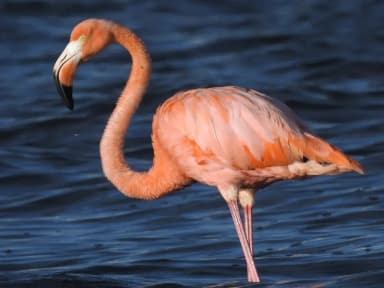
Caribbean Flamingo
 Yathin S Krishnappa · CC BY-SA 4.0
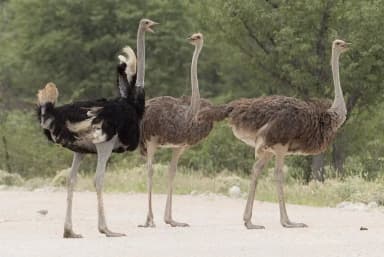
Ostrich
Reptiles15
 Wikiologyrocks77 · CC BY-SA 4.0
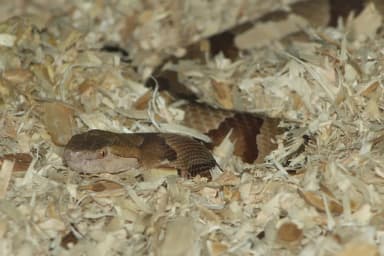
Copperhead
 User:Postdlf · CC BY-SA 3.0
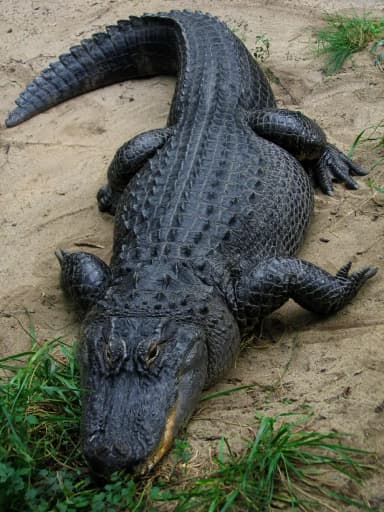
American Alligator
 John5199 · CC BY 2.0
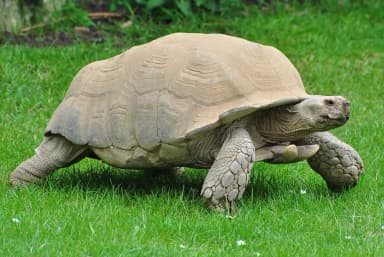
African Spurred Tortoise
 Casey Klebba · CC BY-SA 4.0
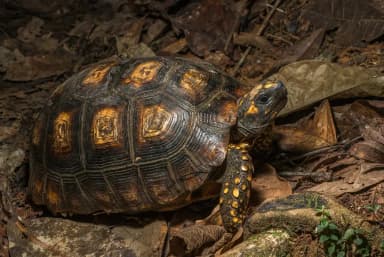
Yellow-footed Tortoise
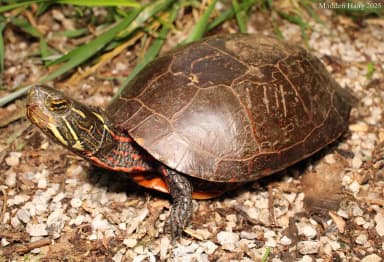 MH Herpetology · CC BY-SA 4.0
Painted Turtle
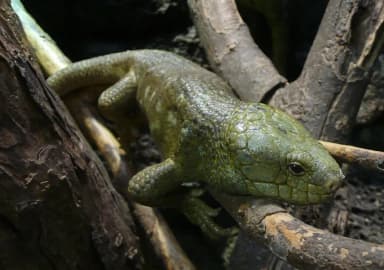 TimVickers · Public domain
Prehensile-tailed Skink
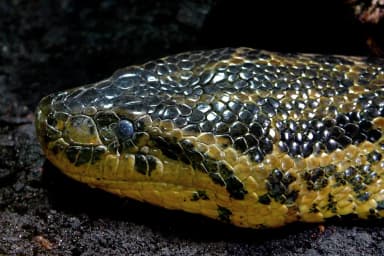 H. Zell · CC BY-SA 3.0
Yellow Anaconda
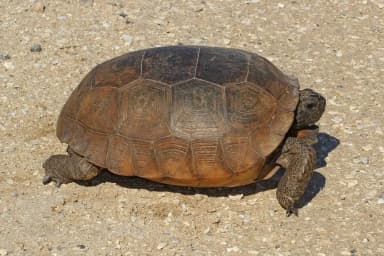 Judy Gallagher · CC BY 2.0
Gopher Tortoise
 Photograph: Frank C. Müller , Baden-Baden · CC BY-SA 2.5
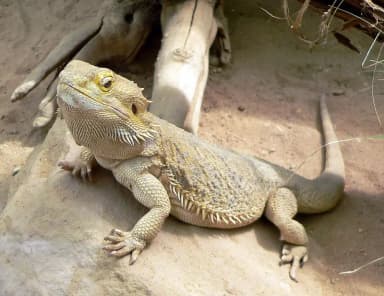
Bearded Dragon
 HCA ( talk ) · CC BY-SA 3.0
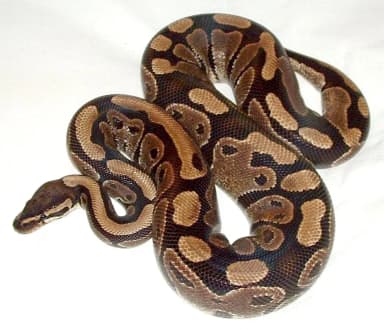
Ball Python
 Bernard DUPONT from FRANCE · CC BY-SA 2.0
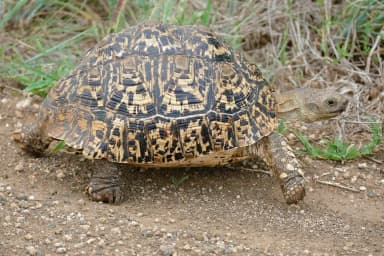
Leopard Tortoise
 (c) Joshua Liverman, some rights reserved (CC BY) · CC BY 4.0
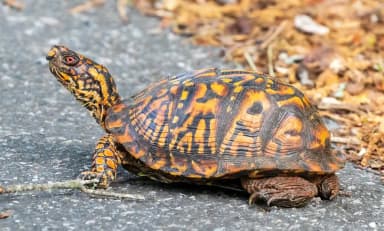
Eastern Box Turtle
Feathers & Fangs from visitors
What people who've been to Jackson Zoo say
A Feather is something this zoo does well; a Fang is something it gets wrong. Left by people who've been, and read by us before they appear.
Loading…
About Jackson Zoo
The Jackson Zoo is a zoo in Jackson, Mississippi, established in 1919 and set within the historic 110-acre Livingston Park. It exhibits more than 120 species and roughly 250 individual animals, giving visitors a chance to see wildlife from around the world alongside species native to the region. The zoo draws approximately 85,000 visitors a year from Mississippi and surrounding states, including around 20,000 school children who visit throughout the school year.
Within Mississippi, the Jackson Zoo is the second-largest zoo in the state, behind the 175-acre Tupelo Buffalo Park and Zoo, and it has been the state's only zoo accredited by the Zoological Association of America. The Jackson Zoo has, according to available sources, struggled with attendance and funding in recent years.
History
The land that became the zoo started as 79 acres purchased by the city of Jackson from Samuel Livingston in 1916. By 1919, a group of firefighters had begun collecting animals and housing them at the central fire station, in what is now the Chamber of Commerce building. As that collection grew from rabbits and squirrels to include exotic animals like zebras, the city moved the animals to the newly purchased land in 1921, creating the Livingston Park Zoo.
Much of the zoo's early architecture dates to the 1930s, when the Works Progress Administration funded new buildings as part of Depression-era job creation. Many of those WPA-era structures still stand today. The Castle, one of them, originally served as Monkey Island and housed several dozen rhesus macaques, while the Elephant House Café was home to a young Asian elephant. In 1948, Jacob L. Reddix, president of Jackson State College, helped the zoo expand its collection by purchasing rain forest animals from the government of Liberia, including three chimpanzees, three mangabey monkeys, a colobus monkey, a lemur, and two pythons.
In 1962, three Black Jackson residents sued the city over segregation of its recreational facilities, including the zoo. A three-judge panel rejected the city's defense of "voluntary segregation" and ordered the integration of Jackson's public recreational facilities. Rather than integrate smoothly, Mayor Thompson responded by closing the city's public pools and bathrooms and removing benches and picnic tables from public parks, including the zoo.
The zoo added a children's petting zoo in the 1970s, later renovated into what is now the Discovery Zoo, and built an animal hospital for checkups, surgery, and quarantine of new arrivals. James L. Swigert became director in 1975 and, with the City Council and a design group, produced the zoo's first master plan. Barbara Barrett Piazza was hired as director in 1987, and the zoo earned AZA accreditation in 1989. A wave of state and city funding in the mid-1990s — $4 million from the state in 1995, matched by $1.5 million from the city in 1998 — financed what became the largest capital improvement project in the zoo's history, including the African Savannah and Mississippi Wilderness exhibits. In 1996, the zoo joined the Zoo Area Progressive Partnership, a community organization working on neighborhood regeneration around the site.
Expansion continued through the 2000s. The Friends of the Zoo installed a new Endangered Species Carousel in 2004, featuring zebras, leopards, giraffes, and tigers instead of horses. The African Savannah Exhibit opened in 2005, the same year Piazza retired and Beth Poff became the zoo's fifth director. The Wilderness Mississippi area opened in 2006, alongside renovations to house two orangutans from Borneo, and the zoo was named a "Southern Travel Treasure" by AAA Magazine that year. In 2007, it received both the Mississippi Tourism Association's "Travel Attraction of the Year" award and "Attraction of the Year" from the Jackson Convention & Visitors Bureau, and it broke ground on the Gertrude C. Ford Education Center in the Wilderness Mississippi area.
More recent history has been harder. In 2010, the zoo sent two elephants to another facility to join a larger herd, citing limited acreage and evolving species needs, and its Southern white rhino became the zoo's largest mammal, moving into the vacated elephant enclosure. In 2017, orangutans that had been on loan from other institutions were removed due to the age of their enclosure and a lack of funding to renovate it. The zoo closed to the public in September 2019 while re-establishing its USDA Class C license, with staff remaining on-site for animal and facility care. As of August 2020, the zoo had reopened for limited weekend hours because of COVID-19 restrictions, pending a new management agreement with zoOceanarium LLC.
Exhibits and habitats
The Jackson Zoo organizes its grounds around several regional areas: the African Rainforest, African Savannah, Asian Garden, and Wilderness Mississippi.
The African Rainforest is a boardwalk exhibit designed to immerse visitors in dense jungle. Its first stop is a pygmy hippopotamus pool shared with native red-eared sliders, river cooters, and fish. Chimpanzee Island, nearby, houses the zoo's chimpanzees — one male and four females. A mixed Old World monkey exhibit pairs Schmidt's guenons with eastern black-and-white colobus to illustrate how species coexist in the wild, and the rest of the Rainforest area includes Diana monkeys and red river hogs.
The African Savannah, completed in 2005, is built as two large open plains separated by fencing and trees, designed to give visitors the feeling of a field expedition. It houses antelope, birds, and reptiles, including southern white rhinoceros, sable antelope, Grévy's zebra, klipspringers, wattled cranes, and ostriches, with night houses and shelter spots built in for the animals.
The Asian Garden, near the entrance, holds grottos for Sumatran tigers and Asian black bears, alongside a reticulated giraffe habitat and smaller enclosures for fishing cats and lar gibbons. Wilderness Mississippi, opened in 2006, is dedicated to the state's native ecosystems and wildlife, home to American alligators, North American river otters, American beavers, cougars, and rattlesnakes; its first building, Backyard Creatures, is a venomous snake house.
Other zoo residents outside these named areas include black-headed spider monkeys, black-tailed prairie dogs, cotton-top tamarins, red ruffed lemurs, red wolves, American flamingos, laughing kookaburras, black-necked swans, and additional birds and reptiles.
Animal highlights
The Jackson Zoo's published figures put its collection at approximately 250 individual animals representing more than 120 species, though a current species list from the zoo's own website is not available for this page. Notable species named in available materials include chimpanzees, Sumatran tigers, Asian black bears, southern white rhinoceros, Grévy's zebra, reticulated giraffes, American alligators, red wolves, and pygmy hippopotamuses, alongside a range of primates, antelope, birds, and reptiles spread across the zoo's regional exhibit areas.
Planning your visit
Detailed current information on hours, ticket prices, and parking for the Jackson Zoo isn't available in the materials used for this page. The zoo has had an unsettled recent history, including a 2019 closure related to relicensing and reduced weekend-only hours during the COVID-19 pandemic, so visitors should confirm current operating status directly with the zoo before planning a trip. Given that recent history, it's worth double-checking open days and hours on the zoo's official website or by phone ahead of any visit, rather than assuming standard operating hours.
What we haven't confirmed
Everything above came from public sources. These specifics we haven't stood behind yet:
- Hours
- Ticket prices
- Parking
- Current species list
- Time needed for a visit
- Phone number
- Accessibility
- Current accreditation status
Jackson Zoo compared with nearby zoos
How Jackson Zoo lines up against the closest zoos we have details for — useful if you're deciding between them for the same day out.
| Zoo | Distance | Admission | Hours | Size | AZA |
|---|---|---|---|---|---|
| Jackson ZooThis zooJackson, MS | — | $5 | Tue–Sun 10:00 AM – 4:00 PM; last ticket sold 2:45 PM; closed Monday. | 110 acres | No |
| Mississippi Museum of Natural ScienceJackson, MS | 4 mi | $8 | Mon–Fri 8:00 AM – 5:00 PM; Sat 9:00 AM – 5:00 PM; Sun 1:00 PM – 5:00 PM. Closed New Year's Day, Easter, Memorial Day, July 4th, Labor Day, Thanksgiving, Friday after Thanksgiving, Christmas Eve, Christmas Day. | — | No |
| Hattiesburg ZooHattiesburg, MS | 87 mi | — | — | 12 acres | Yes |
| Louisiana Purchase Gardens and ZooMonroe, LA | 110 mi | $10 | Daily 10:00 AM – 5:00 PM; last entry 4:30 PM. Closed Thanksgiving Day, Christmas Day, New Year's Day. | 80 acres | No |
Distances are straight-line. A dash means we haven't confirmed that detail yet, not that the zoo lacks it.
AZAThe Association of Zoos and Aquariums. Accredited members have passed an independent inspection of animal care and welfare, safety, conservation and education, repeated every five years. Many smaller facilities never apply, so “not accredited” isn't a verdict on its own. What accreditation means · How we check this
Jackson Zoo: common questions
Is the Jackson Zoo AZA accredited?
The zoo earned AZA accreditation in 1989; more recent sources describe it as accredited by the Zoological Association of America rather than the AZA, so current accreditation status should be confirmed directly with the zoo.
How big is the Jackson Zoo?
It sits within the 110-acre Livingston Park in Jackson, Mississippi.
When did the Jackson Zoo open?
The zoo traces its start to 1919, when firefighters began collecting animals in Jackson; it moved to its current Livingston Park site in 1921.
How many animals and species does the zoo have?
Published figures list approximately 250 animals across more than 120 species.
What animals can I see there?
Notable species include chimpanzees, Sumatran tigers, Asian black bears, southern white rhinoceros, giraffes, American alligators, and red wolves, grouped across African Rainforest, African Savannah, Asian Garden, and Wilderness Mississippi exhibit areas.
Has the zoo had any recent closures?
Yes. It closed to the public in September 2019 while re-establishing a USDA license and reopened with limited weekend hours in 2020 due to COVID-19 restrictions.
Something wrong here? Tell us — we correct in place, with a dated note.