
- Admission
- $11
- Size
- 40 acres
- Animals
- 600
- Accreditation
- None listed
not accredited by the Association of Zoos and Aquariums
Everything below is directory information drawn from public sources and the zoo's own site.
Animals at Niabi Zoo
32 of the ~200 species this zoo listsThis is a partial list — we only show species we've confirmed against the zoo's own pages, and their full collection is considerably larger.
Mammals9
 Giles Laurent · CC BY-SA 4.0
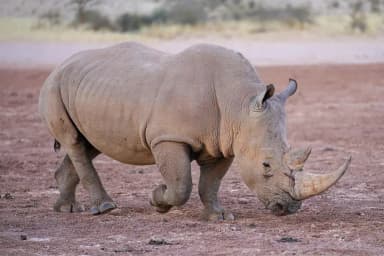
White Rhinoceros
 Dick Culbert from Gibsons, B.C., Canada · CC BY 2.0
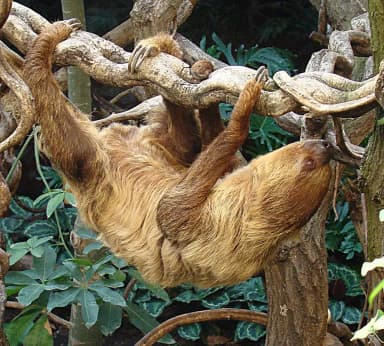
Linnaeus's Two-toed Sloth
 Relative of Brandt Luke Zorn, most likely his father. · CC BY-SA 2.0
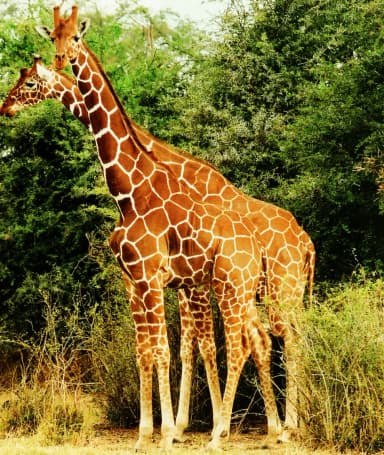
Reticulated giraffe
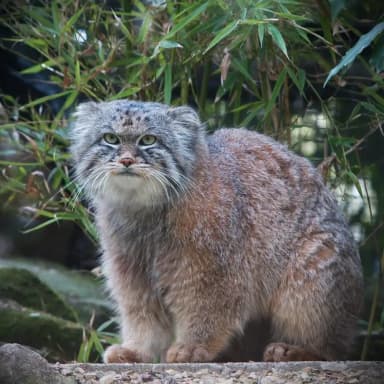 Sander van der Wel · CC BY-SA 2.0
Pallas's Cat
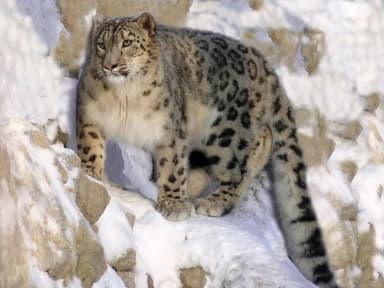 Irbis1983 · Public domain
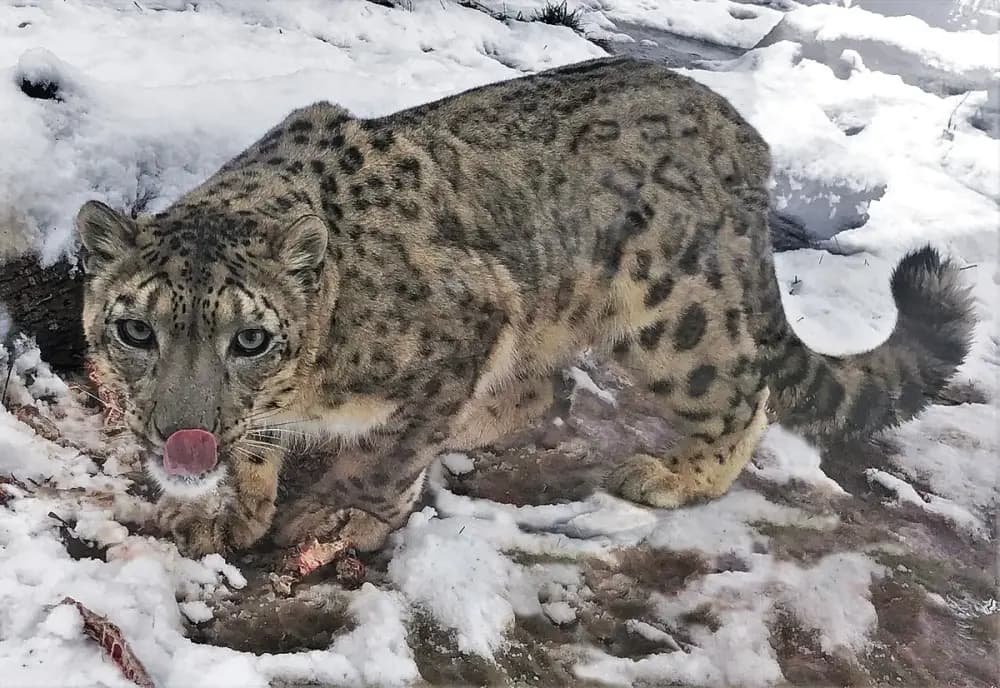
Snow Leopard
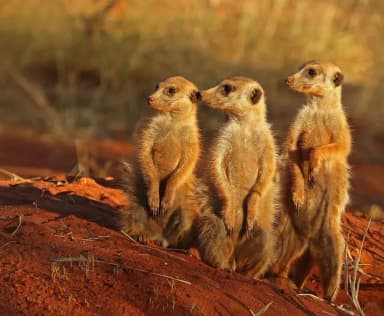 Charles J. Sharp · CC BY-SA 4.0
Meerkat
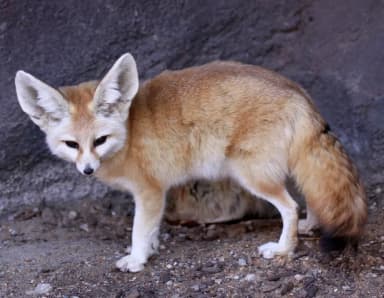 Drew Avery · CC BY 2.0
Fennec Fox
Birds8
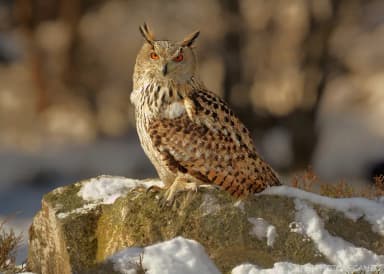 Martin Mecnarowski ( http://www.photomecan.eu/ ) · CC BY-SA 3.0
Eurasian Eagle-Owl
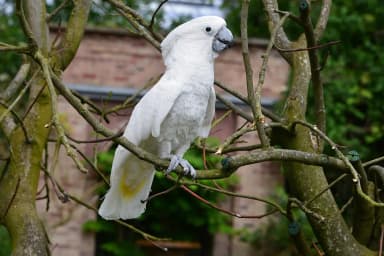 Stephane Mignon from Bruxelles, Belgique (Europe) · CC BY 2.0
Umbrella Cockatoo
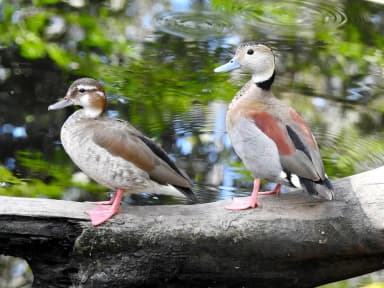 carancho · CC BY 4.0
Ringed Teal
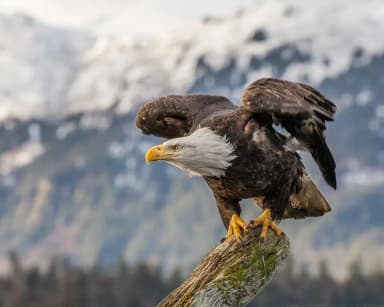 Andy Morffew from Itchen Abbas, Hampshire, UK · CC BY 2.0
Bald Eagle
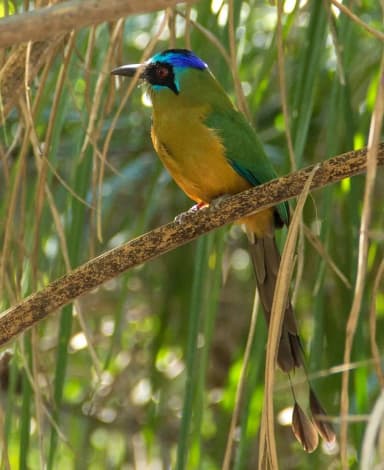 Paulo Antonio Santos · CC BY 3.0
Blue-crowned Motmot
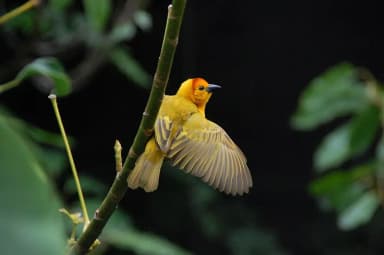 Devin Morris · CC BY-SA 4.0
Taveta Golden Weaver
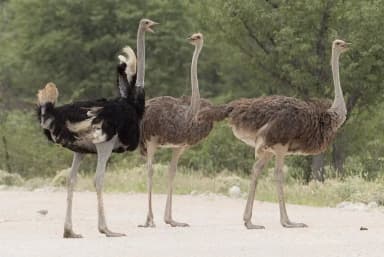 Yathin S Krishnappa · CC BY-SA 4.0
Ostrich
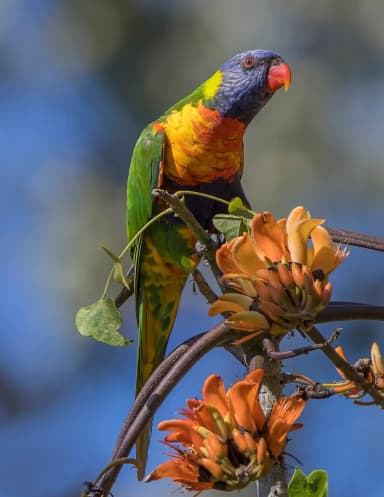 Charles J. Sharp · CC BY-SA 4.0
Rainbow Lorikeet
Reptiles9
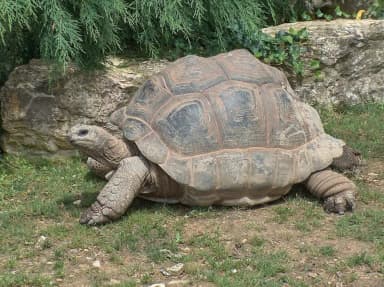 Yotcmdr · Public domain
Aldabra Tortoise
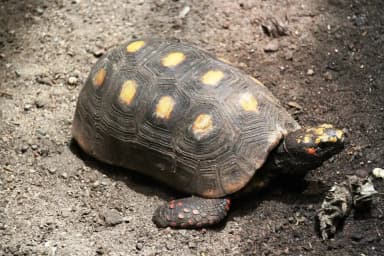 Bjoertvedt · CC BY-SA 3.0
Red-footed Tortoise
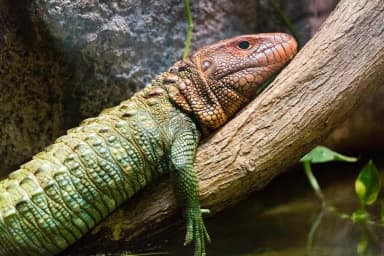 Brett Weinstein · CC BY-SA 3.0
Caiman Lizard
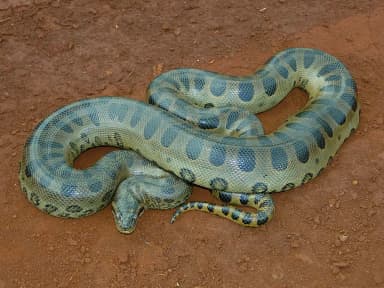 MKAMPIS · CC BY-SA 4.0
Green Anaconda
 David Rubin · CC BY 2.0
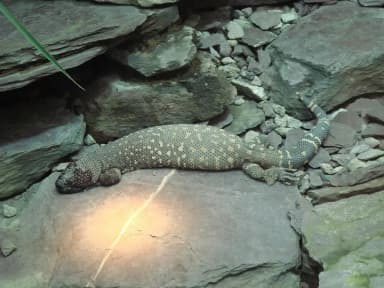
Mexican Beaded Lizard
 This photography was created by Mariluna . Other photos see here . · CC BY-SA 3.0
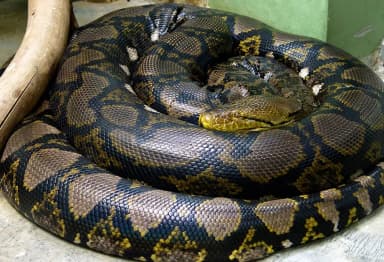
Reticulated Python
 TimVickers · Public domain
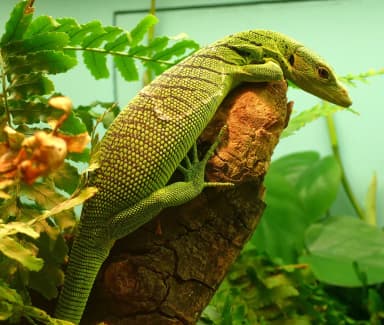
Green Tree Monitor
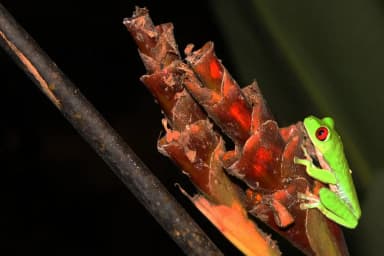

Feathers & Fangs from visitors
What people who've been to Niabi Zoo say
A Feather is something this zoo does well; a Fang is something it gets wrong. Left by people who've been, and read by us before they appear.
Loading…
About Niabi Zoo
Niabi Zoo is a public zoological park in Coal Valley, Illinois, serving the Quad Cities area. The zoo covers 40 acres inside a larger 287-acre forest preserve and is one of six facilities owned and operated by the Rock Island County Forest Preserve District, which continues to run it today. It holds more than 600 animals representing more than 160 species from around the world, and is open for general admission from April through October each year, with education and outreach programs running year-round.
The zoo's name comes from the language of the Wazhazhe, or Osage Nation, and means "the fawn spared by the hunter" — a reference to human choice and, by extension, to the choices people make about conserving species and habitats today. Niabi Zoo is funded through a mix of Rock Island County Forest Preserve District support, admission and program fees, memberships, grants, a small percentage of tax support, and donations and fundraising through the Niabi Zoo and Forest Preserves Foundation.
Exhibits are grouped into named habitat areas — Passport to Africa, White Rhino, Gibbons, Biodiversity Hall, Cats, Reptile House, Wolf Ridge, and a Domestic Animal Area — along with rides, feeding experiences, and a Discovery Center that hosts rotating exhibits near the entrance.
History
Niabi Zoo traces its roots to 1959, when local masonry contractor and animal lover Gordon V. McLain opened McLain's Wild Animal Farm to the public. The farm operated for four years until Patti S. Wiman purchased it, along with surrounding land, in 1963 and deeded it to the Rock Island County Forest Preserve District, which has operated the zoo ever since; 1963 is recognized as the zoo's official founding year.
The zoo's timeline shows steady expansion over the following decades. Its first Zoofari Ball fundraiser was held in 1972, and a petting zoo opened in 1974. The Zoo Train, originally known as the Mel McKay Express and built as a one-third replica of a Civil War-era train, opened in 1975. An Education Center was constructed in 1984, and the Bird House — now Biodiversity Hall — opened in 1985. A formal volunteer program was established in 1986 and expanded in 2002 to include teens through the Junior Zoo Keeper Program. A bald eagle exhibit opened in 2003, an animal care center for veterinary services was built in 2004, and 2005 brought a gibbon habitat with modern zoo design, an Australia walk-about, and an animal nutrition center. Niabi received AZA accreditation in 2006, followed by the Passport to Africa exhibit featuring giraffes and colobus monkeys in 2007, and an exhibit for the critically endangered red wolf in 2008. A new Zoo Discovery Center for education, administration, and admissions, along with a new entry plaza and pond, was completed in 2011.
Niabi lost its AZA accreditation in 2012. Later milestones include the Coins for Conservation donation program starting in 2015, an Oceans exhibit in the Discovery Center gallery along with renovations to Biodiversity Hall and the Reptile House in 2017, and Niabi joining the Quad Cities Earth Coalition that same year. A Conservation & Science Speaker Series launched in 2018 alongside new conservation partnerships with the Snow Leopard Trust and Painted Dog Research Trust, and Niabi helped form the regional Bi-State Conservation Action Network. In 2019, the zoo's conservation education department helped develop a field education program for the Painted Dog Research Trust in Zimbabwe and took part in whale shark tagging research with Ch'ooj Ajauil in Cancun, Mexico. Niabi received accreditation from the Zoological Association of America in 2020. A White Rhinoceros exhibit and a Spineless Wonders invertebrate exhibit both opened in the Discovery Center in 2021.
In 2018 the zoo released a six-year master plan; the White Rhino exhibit, completed in 2021, was part of that plan, along with African Painted Dogs and Prairie Dogs exhibits completed in 2023–24.
Exhibits and habitats
The Discovery Center is the first exhibit guests encounter upon entry, featuring rotating displays that have included Rainforest Trek, Oceans, and Spineless Wonders, along with a tamarin habitat. Passport to Africa centers on a giraffe habitat with a public feeding platform and giraffe house, alongside primate exhibits for black-and-white colobus monkeys, Wolf's guenons, and Allen's swamp monkeys, plus giant Aldabra tortoises. The White Rhino exhibit highlights extinction threats facing all five rhino species and the adaptations of African rhinos specifically, centered on the zoo's Southern white rhinoceros.
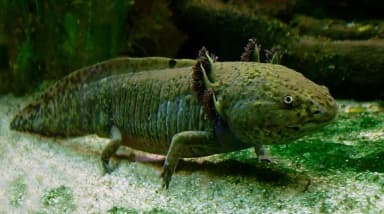
The Gibbons habitat gives yellow-cheeked gibbons a large artificial tree and water feature to swing through, while Biodiversity Hall groups a biologically diverse mix of species including Linnaeus's two-toed sloth, fennec foxes, slender-tailed meerkats, African porcupine, Seba's short-tailed bats, white cockatoos, axolotls, and a 17-foot reticulated python. The Cats exhibit houses three leopard species — snow leopards, African leopards, and the highly endangered Amur leopard — along with smaller cats such as bobcats and Pallas's cats. The Reptile House includes numerous lizards, tortoises, and snakes, including the green anaconda, plus poison dart frogs.
Wolf Ridge, located behind the Wolf's Paw concession cabin, gives the critically endangered red wolf a forested habitat. The Domestic Animal Area functions as a petting zoo for chickens, miniature zebu cattle, llamas, alpacas, sheep, miniature donkeys, and San Clemente goats. Other animals on the grounds include the Bactrian camel, ostrich, and New Guinea singing dog. Rides include the Niabi Zoo Express Train and the Endangered Species Carousel, and guests can feed giraffes, koi, domestic animals, and guinea pigs at designated stations.
Animal highlights
Niabi Zoo lists more than 600 individual animals representing more than 160 species on its website, spanning mammals, reptiles, birds, amphibians, fish, and invertebrates. Notable residents include the Southern white rhinoceros, Amur leopard, snow leopard, African leopard, critically endangered red wolf, Linnaeus's two-toed sloth, giant Aldabra tortoise, yellow-cheeked gibbon, and a 17-foot reticulated python, alongside domestic species like miniature zebu cattle and San Clemente goats in the petting area. Of its species, the zoo's animal care staff is responsible for the daily welfare of five critically endangered species, according to conservation status compiled through the IUCN Red List of Threatened Species.
Conservation and programs
Niabi Zoo participates in 20 cooperative managed breeding programs with other zoos to help sustain at-risk animal populations, and supports several outside conservation partnerships, including Painted Dog Research, whale shark research with Ch'ooj Ajauil (Blue Kingdom), biodiversity work in Paraguay, and local pollinator preservation. Every zoo admission contributes 25 cents to conservation projects through the Coins for Conservation program, with guests able to double that donation at a kiosk in the entrance plaza. The zoo also runs a Conservation & Science Speaker Series and stations Conservation Educators and Volunteer Naturalists throughout the grounds to talk with guests about animals and the threats they face in the wild. Niabi encourages visitor-level action too, suggesting steps like reducing single-use plastics, purchasing sustainable products, and supporting the zoo as a donor or member.
Planning your visit
As listed on the zoo's website, hours run 10:00 a.m. to 5:00 p.m., and the zoo is open for general admission from April through October, with education and outreach programs continuing year-round. Parking is available for a small fee in a lot on the north side of the zoo; there is no street parking, and the fee supports education and conservation initiatives. Guests may purchase admission, experience, and parking tickets either online or at the zoo's admission booths. Group discounts apply to parties of 15 or more with two weeks' advance notice, and the zoo offers free admission days on weekdays in the fall as well as a military and senior citizen discount.
The Wild Things Gift Shop, near the entrance and exit, is open daily and sells apparel, books, games, and toys, and no longer provides plastic bags, offering reusable bags for $5 instead. A concession stand near the gift shop serves hot dogs and other food under covered, shaded tables, and outside food, drinks, and coolers are permitted, though certain animal-safety restrictions apply to what can be brought in. Strollers, wheelchairs, and motorized ScooterPal rentals are available at the Wild Things Gift Shop and front entrance gate on a first-come, first-served basis; scooter drivers must be at least 16 with a valid license. Zoo walkways are level, broad, and paved throughout, with two exceptions — a narrower, moderately inclined path to the koi deck and a narrower, steeply sloped path to the red wolf exhibit. The zoo holds Sensory Inclusive™ certification and offers free sensory backpacks with noise-canceling headphones and other tools at the entrance gates, along with a sensory communication board accessible by QR code. Confirm current ticket prices, hours, and any closures on the official website before visiting.
What we haven't confirmed
Everything above came from public sources. These specifics we haven't stood behind yet:
- Current adult and child ticket prices
- Total annual attendance
- Phone number for general visitor questions
- Recommended time needed for a full visit
- Current accreditation status confirmation
Niabi Zoo compared with nearby zoos
How Niabi Zoo lines up against the closest zoos we have details for — useful if you're deciding between them for the same day out.
| Zoo | Distance | Admission | Hours | Size | AZA |
|---|---|---|---|---|---|
| Niabi ZooThis zooCoal Valley, IL | — | $11 | 10 am – 5 pm | 40 acres | No |
| Wildlife Prairie ParkHanna City, IL | 61 mi | $17 | Daily 9:00 AM – 4:30 PM (Animal Trails 9–4); Fridays Jun–Sep open until 9 PM (Wild Nights). No admittance within 90 min of closing. Closed New Year's Day, Thanksgiving, Christmas Eve, Christmas Day, New Year's Eve. | 1800 acres | No |
| Peoria ZooPeoria, IL | 67 mi | $12.50 | 10am – 5pm | — | Yes |
| Phillips Park ZooAurora, IL | 112 mi | Free | Summer hours: Thursday–Tuesday 9:00 AM – 5:00 PM, closed Wednesdays. Regular hours: 9:00 AM – 4:00 PM. | — | No |
Distances are straight-line. A dash means we haven't confirmed that detail yet, not that the zoo lacks it.
AZAThe Association of Zoos and Aquariums. Accredited members have passed an independent inspection of animal care and welfare, safety, conservation and education, repeated every five years. Many smaller facilities never apply, so “not accredited” isn't a verdict on its own. What accreditation means · How we check this
Niabi Zoo: common questions
Is Niabi Zoo AZA accredited?
It received AZA accreditation in 2006 but lost it in 2012; the zoo has since received accreditation from the Zoological Association of America in 2020.
How big is Niabi Zoo?
The zoo covers 40 acres inside a larger 287-acre forest preserve.
When did Niabi Zoo open?
It is officially dated to 1963, though its site traces back to McLain's Wild Animal Farm, opened in 1959.
How many animals can visitors see?
The zoo lists more than 600 animals representing more than 160 species on its website.
Is there parking, and does it cost extra?
Yes, parking is available for a small fee in a lot on the north side of the zoo.
Is Niabi Zoo stroller and wheelchair accessible?
Yes, strollers, wheelchairs, and motorized scooters are available to rent, and most paths are paved and level, with two narrower, inclined exceptions.
Is there food inside the zoo?
Yes, a concession stand serves food near the gift shop, and outside food, drinks, and coolers are also allowed.
Something wrong here? Tell us — we correct in place, with a dated note.