
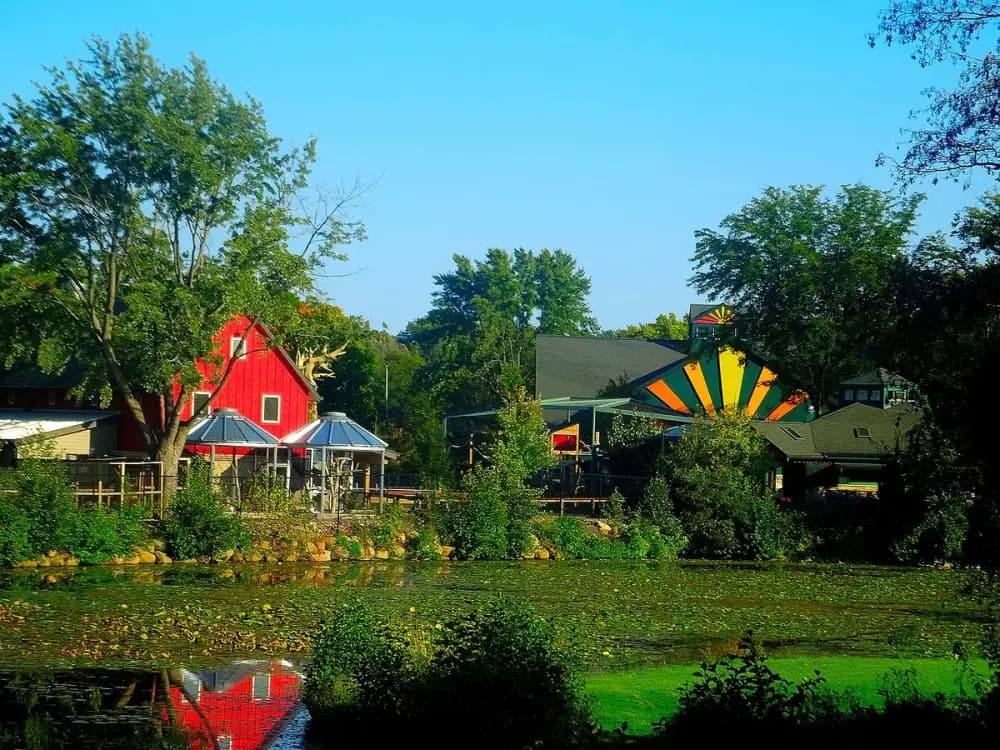
- Admission
- Free
- Size
- 28 acres
- Opened
- 1911
- Accreditation
- AZA
Association of Zoos and Aquariums
Everything below is directory information drawn from public sources and the zoo's own site.
Animals at Henry Vilas Zoo
49 confirmedMammals23
 Sunuwargr · CC BY-SA 4.0
Red panda
 Jack Dykinga · Public domain
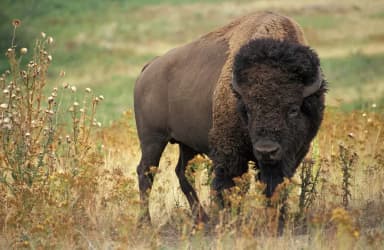
American Bison
 Tony Hisgett · CC BY 2.0
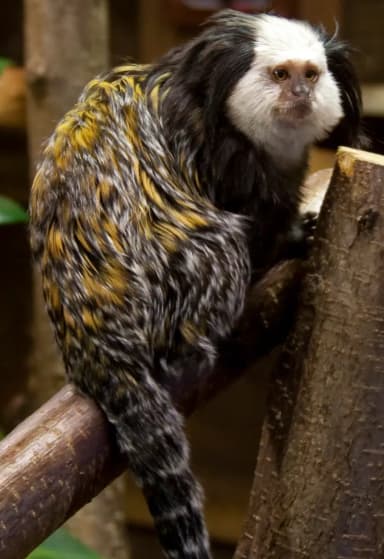
Geoffroy's Marmoset
 Christian Ursilva from Copenhagen, Denmark · CC BY-SA 4.0
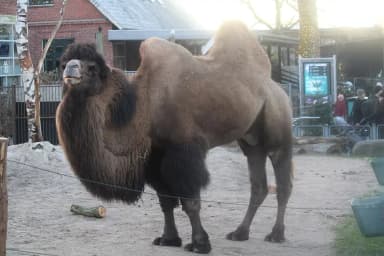
Bactrian Camel
 Desmodus · CC BY-SA 3.0
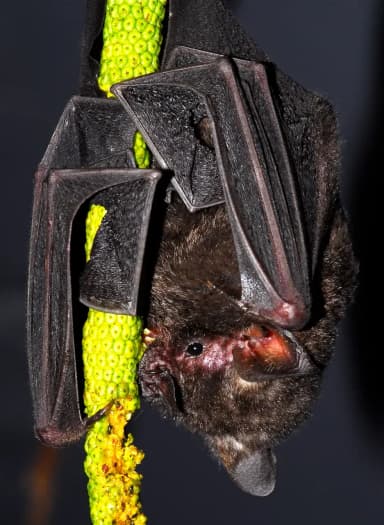
Seba's Short-tailed Bat
 Giles Laurent · CC BY-SA 4.0
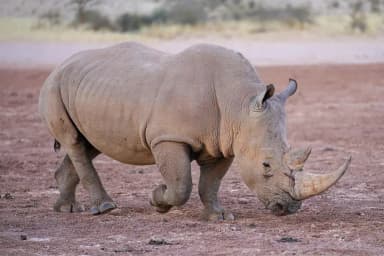
White Rhinoceros
 Ericj · CC BY-SA 3.0
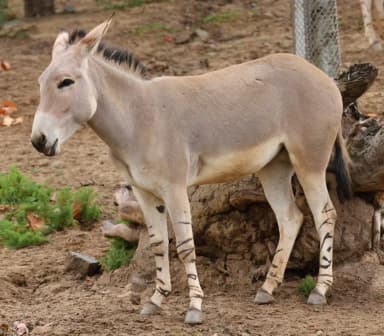
Somali Wild Ass
 Wikimedia Commons · Public domain
North American Porcupine
 Giles Laurent · CC BY-SA 4.0
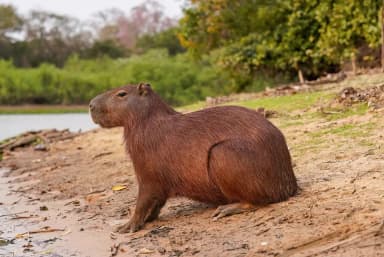
Capybara
 User:MatthiasKabel · CC BY 2.5
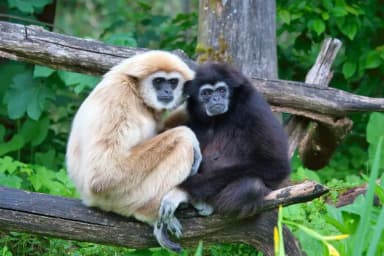
White-handed Gibbon
 Charles J. Sharp · CC BY-SA 4.0
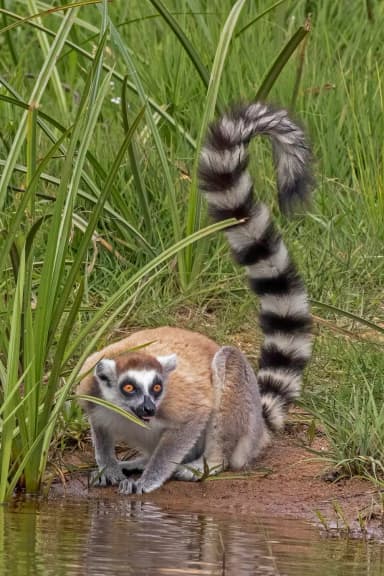
Ring-tailed Lemur
 Daderot · CC0
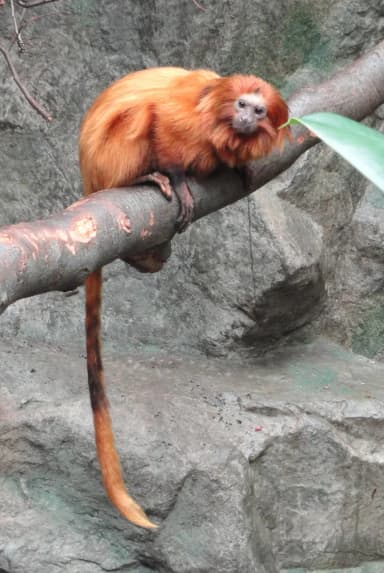
Golden Lion Tamarin
 Kelly Abram · CC BY 4.0
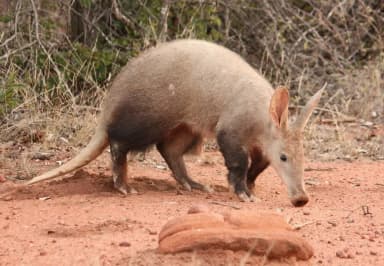
Aardvark
 Giles Laurent · CC BY-SA 4.0
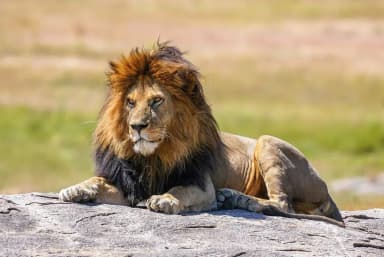
Lion
 Charles J. Sharp · CC BY-SA 4.0
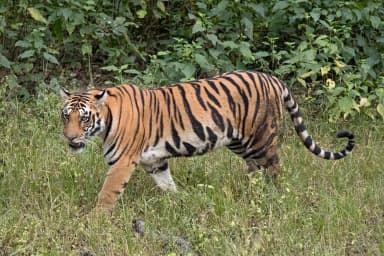
Amur tiger
 Charles J. Sharp · CC BY-SA 4.0
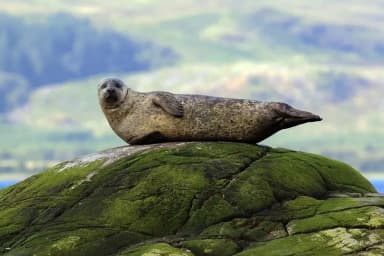
Harbor Seal
 Charles J. Sharp · CC BY-SA 4.0
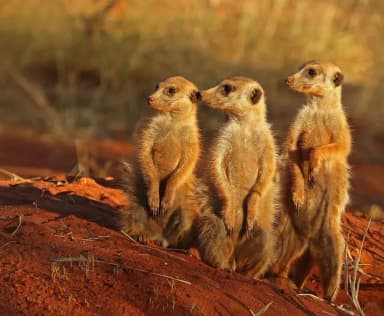
Meerkat
 Yathin S Krishnappa · CC BY-SA 3.0
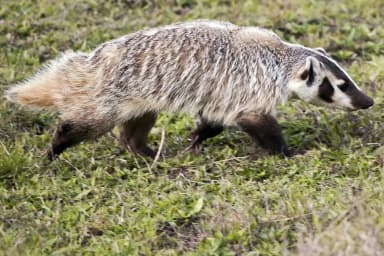
American Badger
 Yathin S Krishnappa · CC BY-SA 3.0
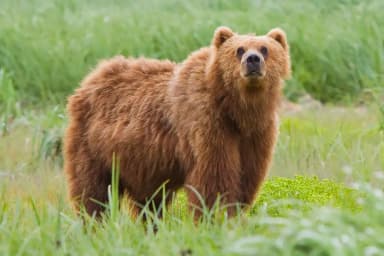
Grizzly bear
 Alan Wilson · CC BY-SA 3.0
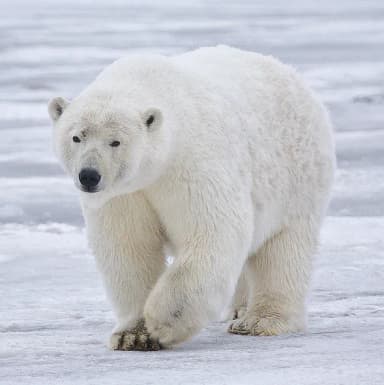
Polar Bear
 Chensiyuan · CC BY-SA 4.0
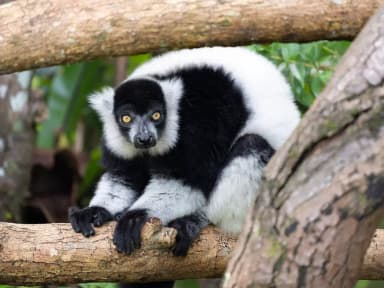
Black-and-white Ruffed Lemur
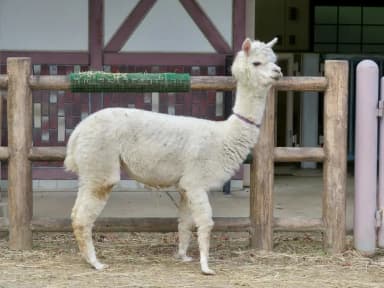 KKPCW · CC BY-SA 4.0
Alpaca
Birds7
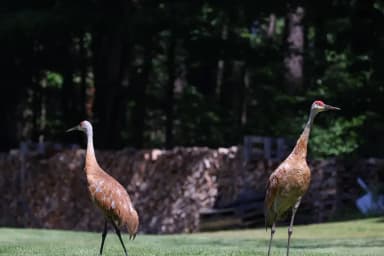
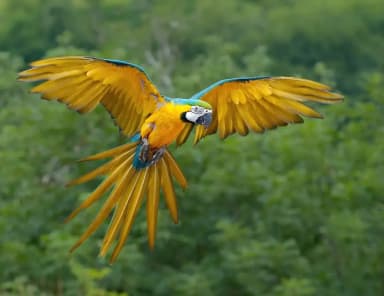
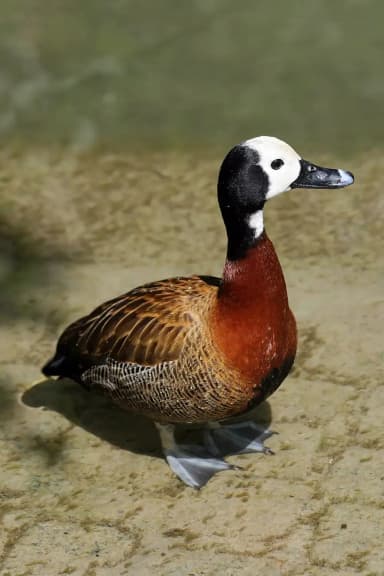
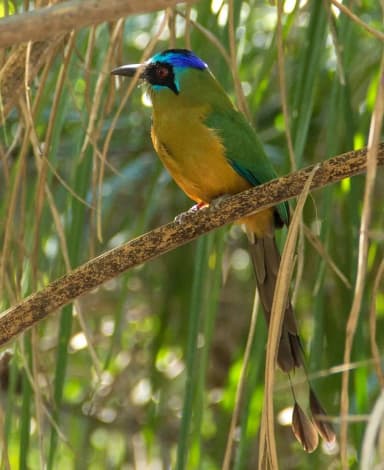
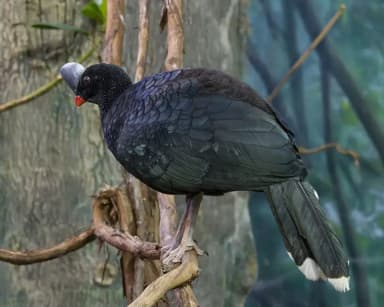
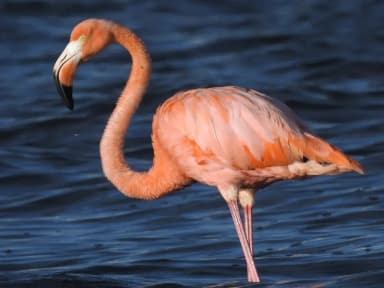
Reptiles10
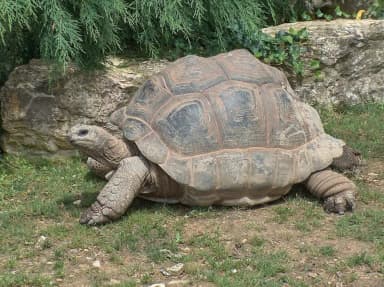 Yotcmdr · Public domain
Aldabra Tortoise
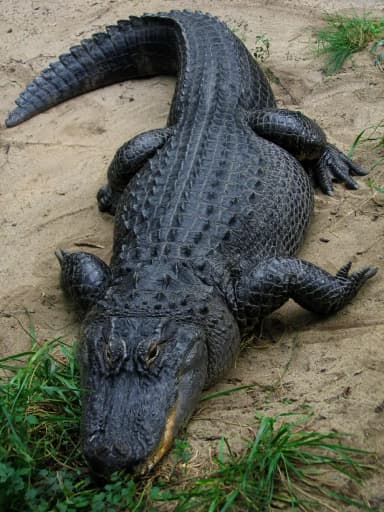 User:Postdlf · CC BY-SA 3.0
American Alligator
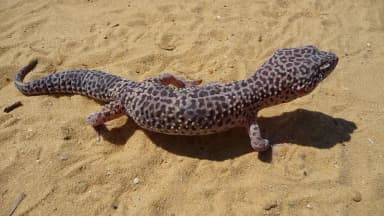 George Chernilevsky · Public domain
Leopard Gecko
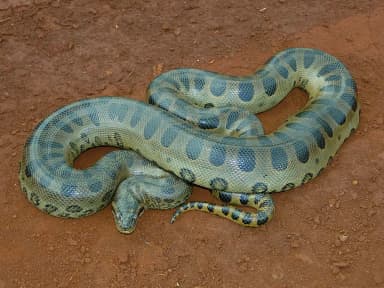 MKAMPIS · CC BY-SA 4.0
Green Anaconda
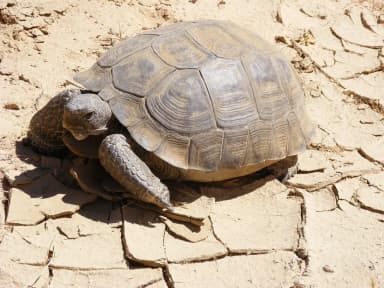 Tigerhawkvok · CC BY-SA 3.0
Desert Tortoise
 Blueag9 · CC BY-SA 3.0
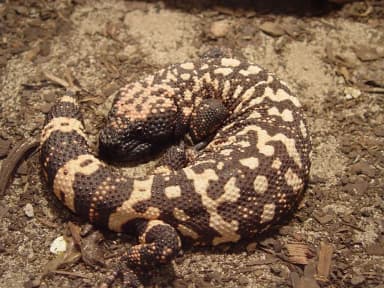
Gila Monster
 Gary M. Stolz/U.S. Fish and Wildlife Service · Public domain
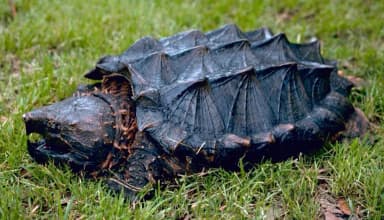
Alligator Snapping Turtle
 Benjamin Genter · CC0
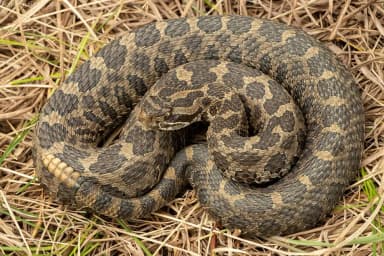
Eastern Massasauga
 Peter Paplanus · CC BY 2.0
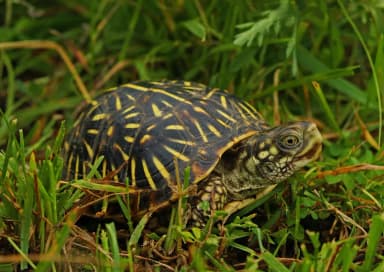
Ornate Box Turtle
Feathers & Fangs from visitors
What people who've been to Henry Vilas Zoo say
A Feather is something this zoo does well; a Fang is something it gets wrong. Left by people who've been, and read by us before they appear.
Loading…
About Henry Vilas Zoo
Henry Vilas Zoo sits on 28 acres at 702 South Randall Avenue in Madison, Wisconsin, just down the street from the University of Wisconsin's Camp Randall Stadium. It has welcomed visitors without charging admission since 1911, making it one of only a handful of free, community-supported zoos in the country. Ownership has changed hands twice in its history: the City of Madison took over the surrounding Vilas Park from the Madison Park & Pleasure Drive Association in the early 1900s, and control of the zoo itself was later transferred from the city to Dane County, a process that took a decade to complete. Henry Vilas Zoo is accredited by the Association of Zoos and Aquariums and lists 49 species on its website.
The zoo occupies part of the larger Vilas Park grounds, which also include a beach, a lagoon used for ice skating in winter, two playgrounds, and a ball diamond. Two gated entrances lead in: a main gate at the intersection of Drake Street and Randall Avenue, and a "bridge" entrance on the southeast side along Vilas Park Drive, across from the beach. Because there is no admission charge, the zoo relies on donations left at tubes around the grounds, on its Conservation Club membership program, and on revenue from its train, carousel, restaurant, and gift shop to cover operating costs.
Animals here are arranged less as a single walking loop and more as a set of themed buildings and yards, from a tropical aviary and a reptile-and-amphibian house to an Arctic-style exhibit complex and a children's barn.
History
Henry Vilas Zoo traces its origin to a gift of land: William F. and Anna M. Vilas donated a 63-acre tract for what became Vilas Park, on the condition that no admission ever be charged, in memory of their son Henry, who had died five years earlier from complications of diabetes. The zoo's first animal exhibits opened not long after, followed by the first bear exhibit, the first lion house, and the first primate house in the years that followed.
The zoo grew steadily through the twentieth century. A young pair of giraffes arrived for a then-record $10,000, and Al Malaikah, the first Arabian camel born at the zoo, arrived in the same era. The Children's Zoo opened to let visitors get close to a sea lion, a baby elephant, fawns, bear cubs, and toucans, and the zoo's bear population grew to 22 animals with the addition of two grizzlies and a polar bear.
More recent decades brought a wave of new construction: an otter exhibit, a seal exhibit, a remodeled home for the big cats replacing the original 1917 lion house, and in 1993 the Discovery Center and Herpetarium. The Primate House opened in 1995 for the zoo's orangutans, colobus monkeys, and gibbons, and 2003 brought the $4.2 million Tropical Rainforest Aviary. Two orphaned polar bear cubs, Nanuq and Norton, came to the zoo from Alaska.
The most recent major project, Arctic Passage, was completed in 2015 as the largest renovation in the zoo's history, adding large exhibits for polar bears, grizzly bears, and harbor seals along with the zoo's first indoor restaurant. The Animal Health Center, a veterinary and quarantine facility, opened two years earlier; one of its first patients was a hand-raised penguin chick named Burgess. The Wisconsin Heritage exhibit, featuring American badgers and sandhill cranes, is among the newest additions.
Exhibits and habitats
The Tropical Rainforest Aviary, open since 2003, lets visitors walk through a free-flight space filled with birds, tropical plants, and fish; just outside it, otters swim in a waterfall-fed pool next to the zoo's capybaras, the world's largest rodent. The building sits on the northeast side of the zoo, near the penguin exhibit.
In the center of the zoo, near the Primate Building, the Big Cat Exhibits house Amur tigers and African lions year-round in habitats built with heated rocks for cold-weather comfort. The Discovery Center and Herpetarium, near the Bridge Gate entrance, has held reptiles, amphibians, and fish since 1993, including a green anaconda and an Aldabra tortoise. The George Fait North American Prairie, across from Arctic Passage, gives space to the zoo's bison herd through every Wisconsin season.
Arctic Passage houses polar bears and harbor seals with underwater viewing windows, interactive exhibits, and a retired Tundra Buggy research vehicle; it was built with solar panels, rainwater harvesting, and underground water storage. The Animal Health Center sits past Arctic Passage at the zoo's east end.
The Children's Zoo, on the south side near the Discovery Center, centers on the sustainably built Red Barn, home to a herd of goats, and the Green Barn, home to red pandas and an aardvark. The electric Zoo Train and the Conservation Carousel, spinning since 2006, run through and around the Children's Zoo April through October for $3 per ride, with riders able to sit atop an okapi or a seal rather than a horse. Near the north entrance, the Primate House has held prosimians, monkeys, and apes since 1995, including Bornean orangutans. On the west side, savanna and high-plains exhibits hold Bactrian camels and alpacas, and the Wisconsin Heritage exhibit features the zoo's American badgers alongside signage on Wisconsin history.
Animal highlights
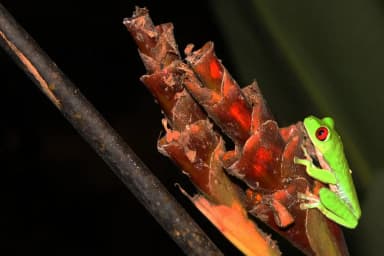
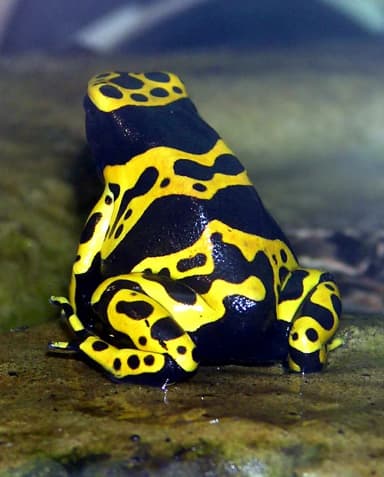
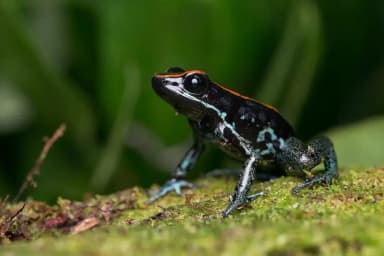
Henry Vilas Zoo lists at least 49 species on its website. Its big-name residents include Amur tigers, African lions, polar bears, grizzly bears, and a white rhinoceros, alongside a Bornean orangutan and white-handed gibbons in the Primate House. Smaller and more specialized animals round out the collection: red pandas, meerkats, ring-tailed and black-and-white ruffed lemurs, capybaras, an aardvark, and a Somali wild ass, along with reptiles and amphibians such as the green anaconda, Aldabra tortoise, Gila monster, and several species of poison dart frog.
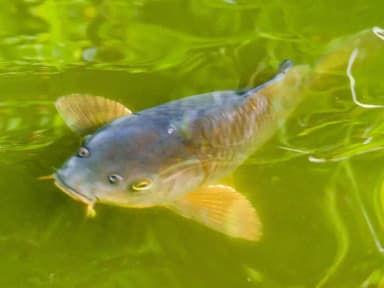
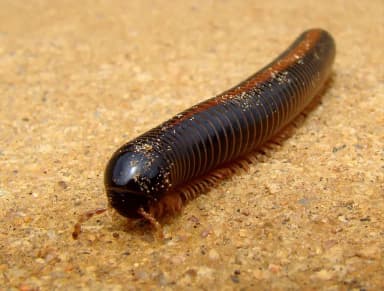
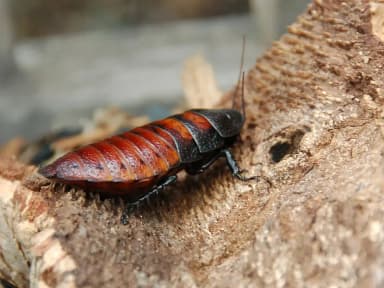
Birds named on the site include American and Chilean flamingos, sandhill cranes, and a helmeted curassow, alongside invertebrates such as the Madagascar hissing cockroach and giant African millipede in the Discovery Center and Herpetarium.
Conservation and programs
Henry Vilas Zoo treats conservation and sustainability as part of its daily operations. New buildings are designed to LEED standards and built with recycled construction material where possible, and the zoo has installed condensing natural gas boilers, geothermal heat in the Red Barn, and solar panels and solar water heaters on several buildings. Rain barrels and an underground water storage system serve the pools in the Arctic Passage exhibits, a change the zoo says has cut water use by close to seven million gallons since completion.
The zoo also runs guest-facing programs: it is a drop-off site for the electronics recycler Eco-Cell, participates in the Bicycle Benefits Madison program, and has converted half of its lawn area back to woodland. Half of every Conservation Club membership fee goes toward wildlife conservation, and visitors can book one of four Behind the Scenes tours to see areas normally reserved for keepers.
Planning your visit
The zoo is open daily, including holidays, though it closes at noon on Christmas Eve, Christmas Day, New Year's Eve, and New Year's Day. As listed on the zoo's website, grounds are open from 9:30 a.m. to 5:00 p.m., while the indoor buildings — the Herpetarium, Aviary, Discovery Center, and Primate Building — and the Children's Zoo keep shorter hours, roughly 10:00 a.m. to 4:00 p.m. The Zoo Train and Conservation Carousel run April through October, weather permitting, at $3 per ride.
Admission and parking are both free, though donations are encouraged. There are three parking lots, owned and managed by the City of Madison with a three-hour limit that is strictly enforced; spaces can be hard to find on weekends and busy summer days. Madison Metro buses stop across the street from the main entrance, and there is a Madison B-Cycle bike-share station at Mills Street and Wingra Drive.
Strollers and wheelchairs can be rented in the gift shop for $10, with a driver's license held as a deposit, though rentals are not offered in winter. The Glacier Grille, overlooking the polar bear exhibit, is open daily from 10:30 a.m. to 4:00 p.m., and the Cup and Cone kiosk serves coffee and ice cream seasonally. A nursing mothers' room is available near the central restrooms on request, and dogs and other pets are not permitted, though certified service animals are welcome. Check the zoo's official website before visiting to confirm current hours and any closures.
What we haven't confirmed
Everything above came from public sources. These specifics we haven't stood behind yet:
- Total animal count
- Annual visitor numbers
- Phone number
- Exact time needed for a full visit
Henry Vilas Zoo compared with nearby zoos
How Henry Vilas Zoo lines up against the closest zoos we have details for — useful if you're deciding between them for the same day out.
| Zoo | Distance | Admission | Hours | Size | AZA |
|---|---|---|---|---|---|
| Henry Vilas ZooThis zooMadison, WI | — | Free | 9:30am – 5:00pm | 28 acres | Yes |
| MacKenzie CenterPoynette, WI | 23 mi | Free | Grounds & trails dawn to dusk daily; wildlife exhibits open daily 10:00 AM – 4:00 PM. | — | No |
| Ochsner Park ZooBaraboo, WI | 33 mi | Free | April–October 9:00 AM – 5:30 PM; November–March 9:00 AM – 3:30 PM. | — | No |
| International Crane FoundationBaraboo, WI | 38 mi | $14.50 | 9 am – 5 pm | 250 acres | Yes |
Distances are straight-line. A dash means we haven't confirmed that detail yet, not that the zoo lacks it.
AZAThe Association of Zoos and Aquariums. Accredited members have passed an independent inspection of animal care and welfare, safety, conservation and education, repeated every five years. Many smaller facilities never apply, so “not accredited” isn't a verdict on its own. What accreditation means · How we check this
Henry Vilas Zoo: common questions
Is Henry Vilas Zoo free to visit?
Yes. Admission has been free since the zoo opened in 1911, and parking is also free, though donations are welcomed.
Is the zoo AZA accredited?
Yes, Henry Vilas Zoo is accredited by the Association of Zoos and Aquariums.
How big is the zoo?
It covers 28 acres within the larger Vilas Park.
How many species can I see?
The zoo's website lists at least 49 species, including polar bears, Amur tigers, African lions, and a Bornean orangutan.
Is the zoo open year-round?
Yes, it is open 365 days a year, though it closes early, at noon, on a handful of holidays.
Are strollers and wheelchairs available to rent?
Yes, for $10 each in the gift shop during spring, summer, and fall, with a driver's license held as a deposit; rentals pause in winter.
Is there food inside the zoo?
Yes. The Glacier Grille overlooks the polar bear exhibit, and the Cup and Cone kiosk offers coffee and ice cream seasonally.
Something wrong here? Tell us — we correct in place, with a dated note.