
Accreditation and the law
Endangered Species Act
Also called ESA, Endangered Species Act of 1973, federally listed species
Definition
The Endangered Species Act (ESA) is a U.S. law, signed in 1973, that protects plants and animals listed as endangered or threatened and aims to recover them. It is administered by the U.S. Fish and Wildlife Service and NOAA's National Marine Fisheries Service.
On this page
What the Endangered Species Act is
The Endangered Species Act (ESA) is the main U.S. law for protecting species at risk of extinction. President Richard Nixon signed it on December 28, 1973. It has two goals: prevent extinction, and recover species until they no longer need the law's protection.
It replaced two earlier, narrower laws: the Endangered Species Preservation Act of 1966 and the Endangered Species Conservation Act of 1969.
Endangered vs. threatened
The ESA has two listing levels:
- Endangered: a species in danger of extinction throughout all or a significant portion of its range.
- Threatened: a species likely to become endangered within the foreseeable future.
Almost any plant or animal can be listed, except pest insects. The law can also list subspecies and, for vertebrates, distinct population segments, so a species can be protected in one region and not another.
Who runs it
Two federal agencies share the job:
- the U.S. Fish and Wildlife Service (FWS), mainly for land and freshwater species;
- NOAA's National Marine Fisheries Service (NMFS), mainly for marine species such as whales and salmon.
They decide which species to list, design recovery plans, and enforce protections.
What protection means
Once a species is listed, the ESA:
- makes it illegal to "take" it, which includes harming, harassing, hunting, capturing or killing;
- restricts buying, selling and transporting it across state lines or national borders;
- requires federal agencies to make sure their actions don't jeopardize listed species;
- allows the protection of critical habitat.
The ESA is also how the U.S. carries out its obligations under CITES, the international wildlife trade treaty.
ESA vs. the IUCN Red List
People often mix these up. The IUCN Red List is a global scientific assessment of extinction risk. The ESA is a U.S. law with legal consequences. They are decided separately, so the labels don't always match.
The bald eagle is a good example: it was removed from the ESA list in 2007 after a strong recovery, and it is rated Least Concern on the Red List. A species can also be Endangered on the Red List without being listed under the ESA at all, especially if it lives outside the U.S.
The ESA and zoos
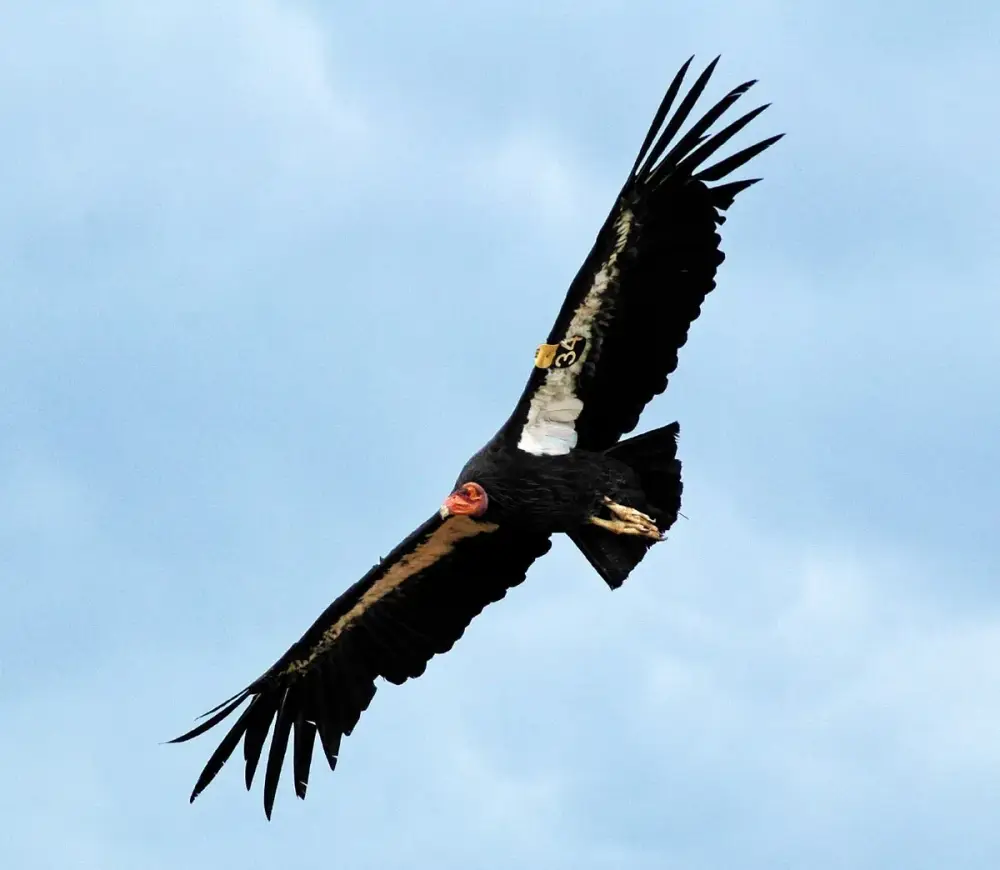
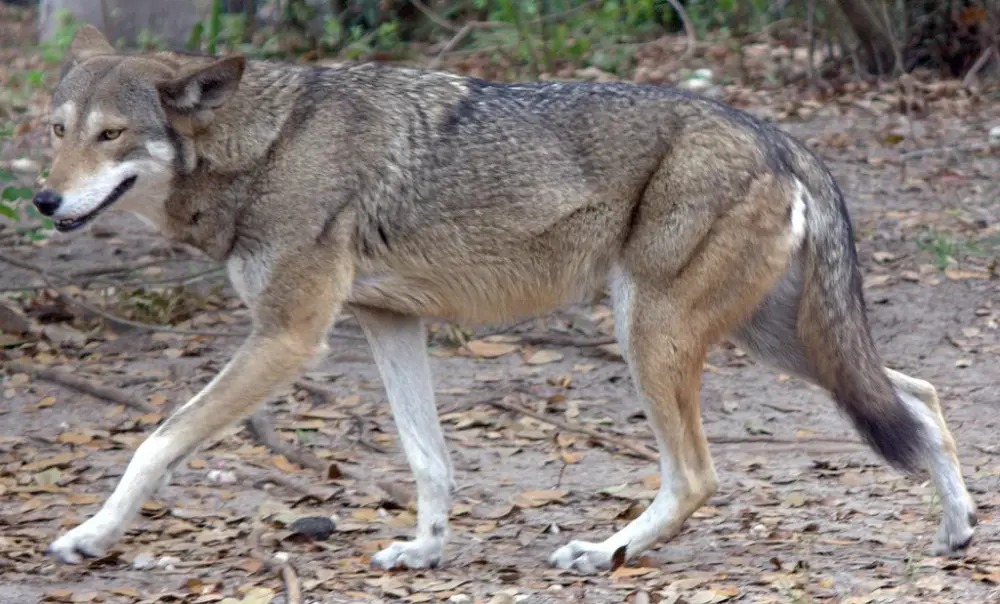
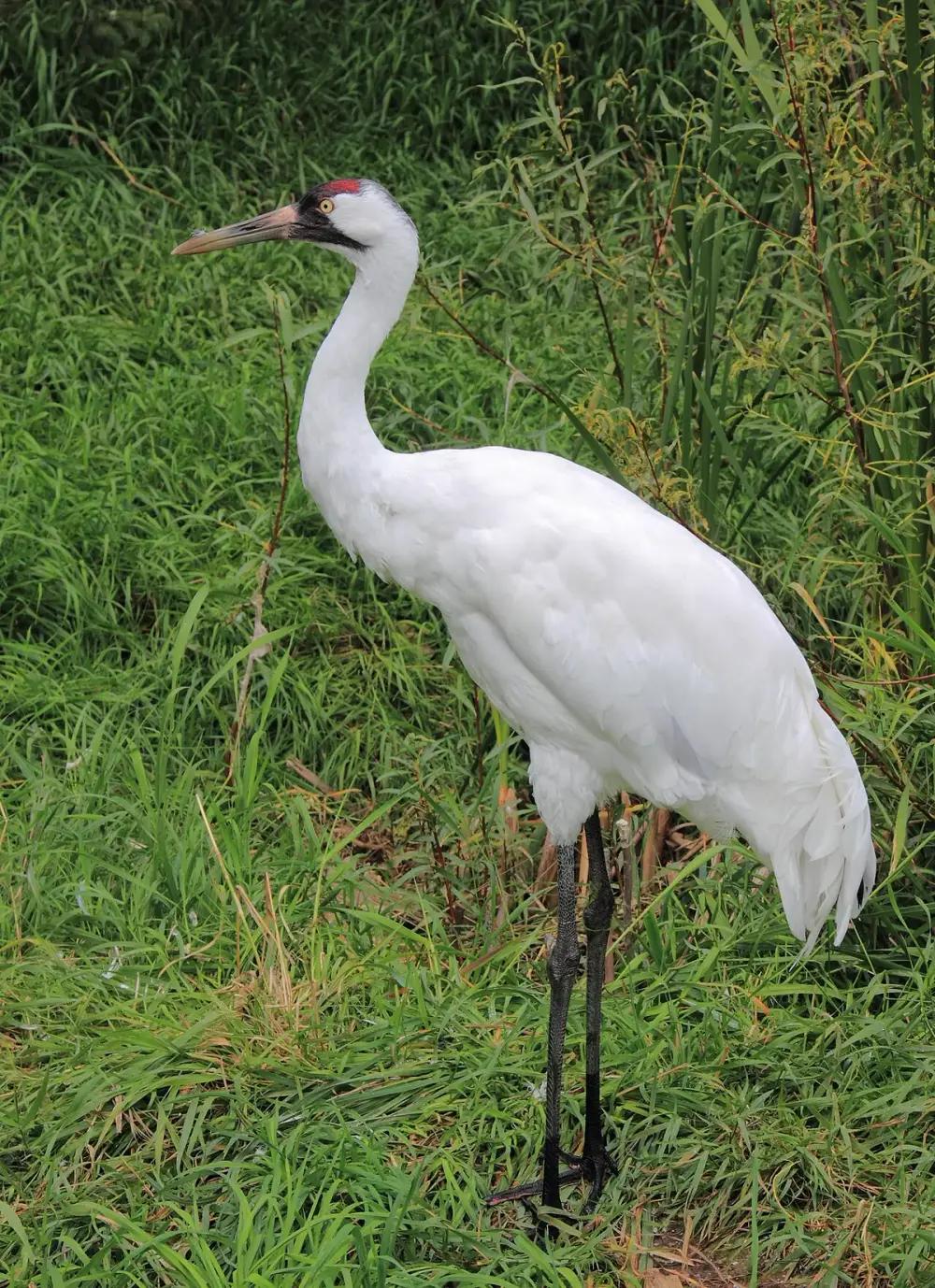
Zoos that keep ESA-listed animals need federal permits for some activities, such as importing them or selling them across state lines. Many ESA recovery plans include zoo breeding and reintroduction programs. Zoo-bred California condors, red wolves and whooping cranes have all been released to the wild as part of recovery efforts. Our article on how zoos help conservation has more examples.
Examples

Common questions
What is the difference between endangered and threatened under the ESA?
Under the Endangered Species Act, an endangered species is in danger of extinction throughout all or a significant portion of its range. A threatened species is likely to become endangered within the foreseeable future.
Who decides which species are listed under the ESA?
The U.S. Fish and Wildlife Service handles land and freshwater species, and NOAA's National Marine Fisheries Service handles most marine species, such as whales and salmon. They list species based on the best available scientific information.
Is the Endangered Species Act the same as the IUCN Red List?
No. The ESA is a U.S. law with legal protections, decided by U.S. agencies. The IUCN Red List is a global scientific assessment with no legal force of its own. A species can be listed under one and not the other, or in different categories.
When was the Endangered Species Act passed?
President Richard Nixon signed the Endangered Species Act on December 28, 1973. It replaced earlier, narrower laws from 1966 and 1969.
Related terms
- IUCN Red ListThe IUCN Red List of Threatened Species is the world's most widely used inventory of extinction risk. Run by the International Union for Conservation of Nature, it sorts assessed species into categories from Least Concern to Extinct using measurable scientific criteria.
- EndangeredEndangered (EN) is an IUCN Red List category for species facing a very high risk of extinction in the wild. It is the middle of the three 'threatened' categories, above Vulnerable and below Critically Endangered.
- CITESCITES, the Convention on International Trade in Endangered Species of Wild Fauna and Flora, is an international treaty that controls cross-border trade in wild animals and plants so it doesn't threaten their survival. Listed species fall into three Appendices with different levels of protection.
- ReintroductionReintroduction is the deliberate release of animals into part of their native range where the species has disappeared, with the goal of establishing a healthy, self-sustaining wild population. Released animals can come from zoos, breeding centers or other wild populations.
- Animal Welfare ActThe Animal Welfare Act is the main U.S. federal law setting minimum standards of care for animals that are exhibited to the public, sold as pets, used in research or transported commercially. It is enforced by the USDA, which licenses zoos and other animal exhibitors and inspects them.
Sources
- Endangered Species Program: About Us (U.S. Fish and Wildlife Service)
- Endangered Species Act of 1973 (Wikipedia)
Last reviewed
Get the Feather & Fang newsletter
Zoo news, animal features and what's new in the directory. Occasional, never spammy.