
Conservation status
Least Concern
Also called LC, IUCN Least Concern, Lower Risk/least concern
Definition
Least Concern (LC) is the IUCN Red List category for species that have been assessed and do not qualify as threatened or Near Threatened. These species are usually widespread and abundant, although some still have declining populations.
On this page
What "Least Concern" means
Least Concern is the lowest-risk category on the IUCN Red List, the global inventory of extinction risk run by the International Union for Conservation of Nature.
A species is listed as Least Concern when it has been evaluated against the Red List criteria and does not qualify for Critically Endangered, Endangered, Vulnerable or Near Threatened. In practice, these are usually widespread, abundant species.
Its official abbreviation is LC. Before 2001, it was a subcategory of "Lower Risk," and older assessments may still show the code LR/lc.
How Least Concern compares to other categories
From lowest to highest risk, the Red List runs:
- Least Concern: not close to qualifying as threatened
- Near Threatened: close to qualifying, or likely to soon
- Vulnerable, Endangered and Critically Endangered: the three "threatened" categories
Least Concern is not the same as Data Deficient or Not Evaluated. A species can only be Least Concern if there's enough information to judge its risk.
Least Concern doesn't mean "no problems"
The category describes a species across its whole global range, so it can hide local trouble:
- A species can be declining and still be Least Concern if the decline isn't fast or large enough to meet any threatened threshold.
- A population in one country or region can be rare even when the species is common worldwide.
- Status can change. Species are reassessed, and a Least Concern species can move up if new evidence shows it's at risk.
Even humans have been formally assessed: Homo sapiens was listed as Least Concern in 2008.
Least Concern vs. the Endangered Species Act
The IUCN Red List and the U.S. Endangered Species Act are separate. A globally common species can still have legal protection in the U.S.:
- The brown bear is Least Concern worldwide, while grizzly bears in the lower 48 states are listed as threatened under the ESA.
- The American alligator is Least Concern and was removed from the endangered list in 1987, but it remains listed under the ESA as "threatened due to similarity of appearance" to protect look-alike crocodilians.
Least Concern animals at the zoo
Plenty of zoo favorites are Least Concern, including the meerkat, capybara and bald eagle. These species still matter: they help zoos teach about habitats and ecosystems, and many serve as animal ambassadors for their wild relatives.
Least Concern animals you can see in U.S. zoos
 Andy Morffew from Itchen Abbas, Hampshire, UK · CC BY 2.0
Bald Eagle
Haliaeetus leucocephalus
 User:Postdlf · CC BY-SA 3.0
American Alligator
Alligator mississippiensis
 JJ Harrison ( https://www.jjharrison.com.au/ ) · CC BY-SA 4.0
Emu
Dromaius novaehollandiae
 Charles J. Sharp · CC BY-SA 4.0
American Black Bear
Ursus americanus
 Becker1999 (Paul and Cathy) · CC BY 2.0
Bobcat
Lynx rufus
 Photo by: Paulweberphoto - paulweberphoto.com · CC BY 4.0
Laughing Kookaburra
Dacelo novaeguineae
 Yathin S Krishnappa · CC BY-SA 4.0
Ostrich
Struthio camelus
 Kandukuru Nagarjun from Bangalore, India · CC BY 2.0
Peafowl
Pavo cristatus
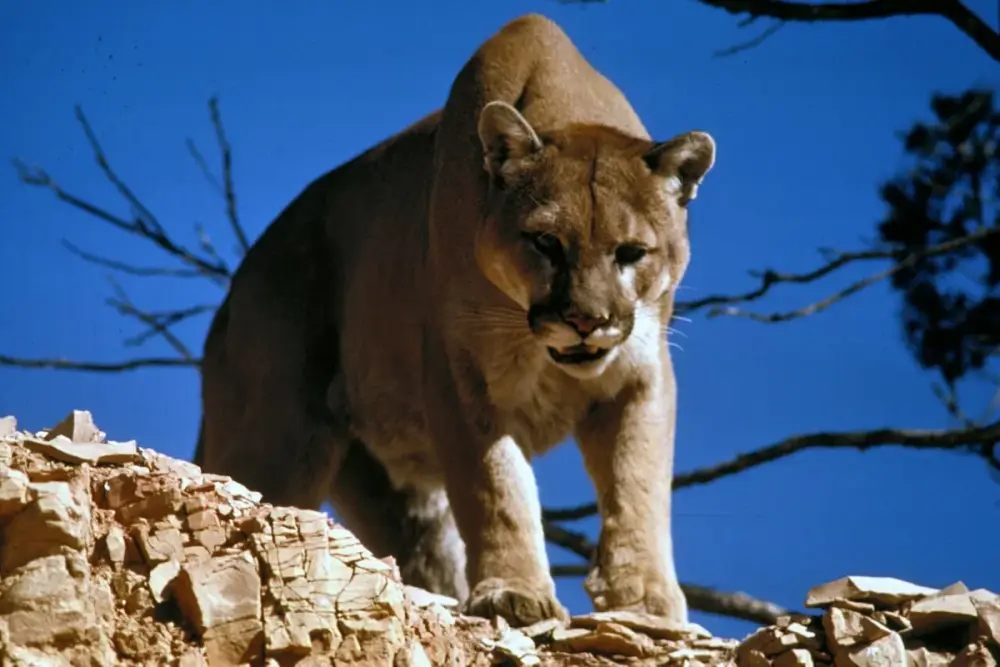 National Park Service · Public domain
Cougar
Puma concolor
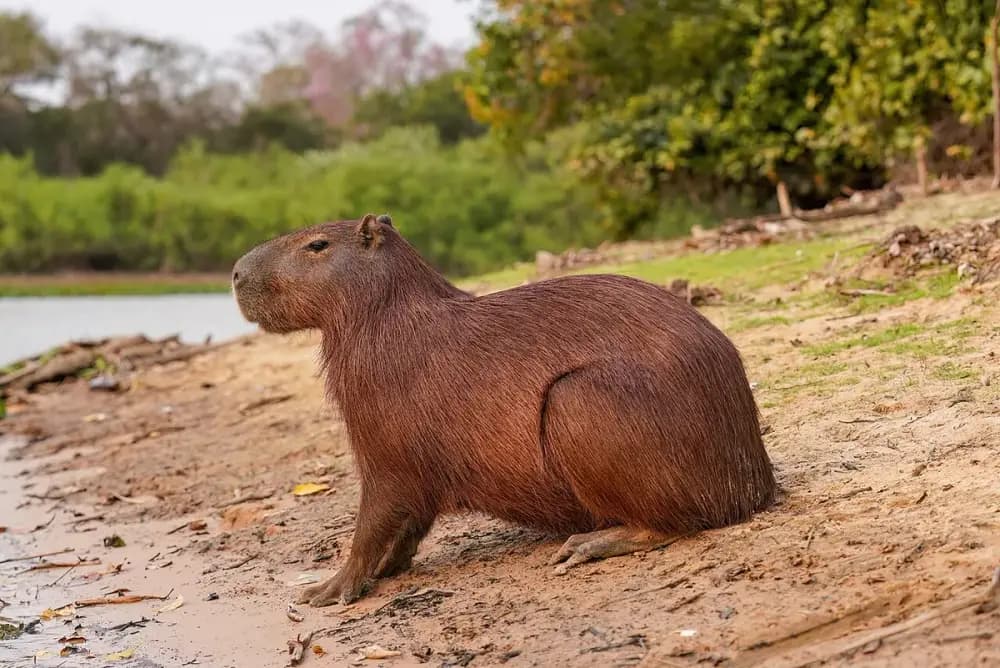 Giles Laurent · CC BY-SA 4.0
Capybara
Hydrochoerus hydrochaeris
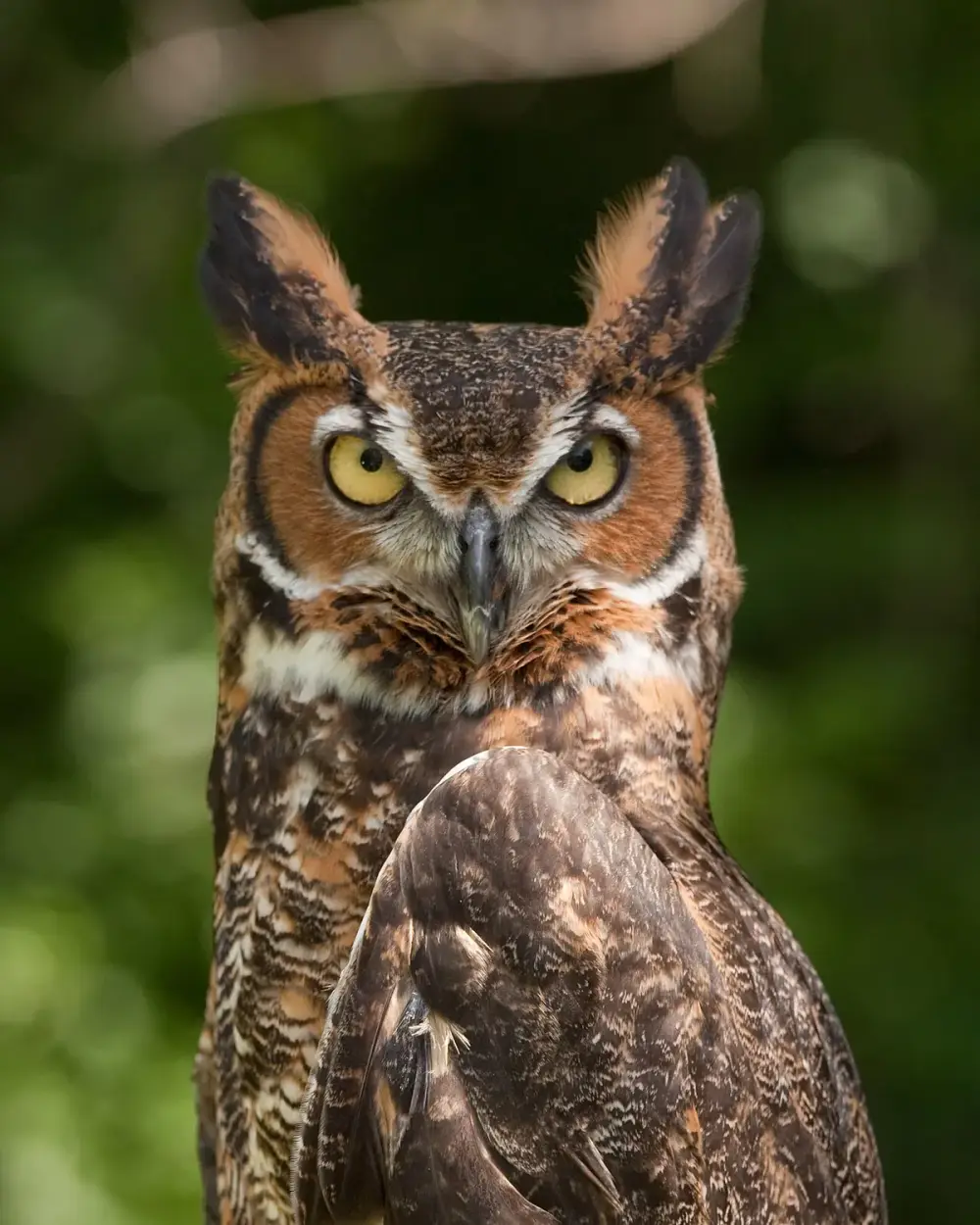 Greg Hume · CC BY-SA 3.0
Great Horned Owl
Bubo virginianus
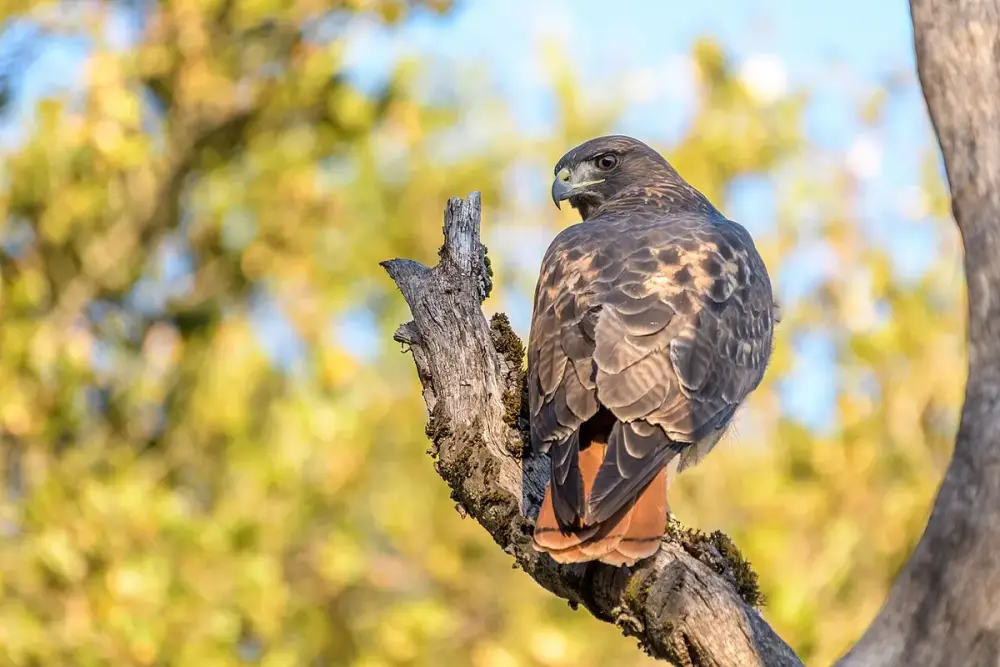 Becky Matsubara from El Sobrante, California · CC BY 2.0
Red-tailed Hawk
Buteo jamaicensis
Common questions
What does least concern mean for an animal?
It means the species has been assessed by IUCN experts and is not considered at risk of extinction in the near future. It does not qualify as Near Threatened, Vulnerable, Endangered or Critically Endangered.
Is least concern good?
Yes, it's the lowest-risk category on the IUCN Red List. But it describes the species worldwide, so some local populations can still be in trouble, and a Least Concern species can be moved up if its numbers fall.
What is the difference between least concern and not evaluated?
Least Concern means the species was actually assessed and found to be at low risk. Not Evaluated means nobody has assessed it yet, so its risk is unknown.
Can a least concern species be protected under the Endangered Species Act?
Yes. The Endangered Species Act is a separate U.S. law. For example, the brown bear is Least Concern globally, but grizzly bears in the lower 48 states are listed as threatened under the ESA.
Related terms
- IUCN Red ListThe IUCN Red List of Threatened Species is the world's most widely used inventory of extinction risk. Run by the International Union for Conservation of Nature, it sorts assessed species into categories from Least Concern to Extinct using measurable scientific criteria.
- Near ThreatenedNear Threatened (NT) is the IUCN Red List category for species that do not currently qualify as threatened but are close to qualifying, or are likely to qualify in the near future. It sits between Least Concern and Vulnerable.
- Data DeficientData Deficient (DD) is the IUCN Red List label for species where there isn't enough information on population or distribution to judge their extinction risk. It is not a threat category, and a Data Deficient species could turn out to be anywhere from Least Concern to Critically Endangered.
- Endangered Species ActThe Endangered Species Act (ESA) is a U.S. law, signed in 1973, that protects plants and animals listed as endangered or threatened and aims to recover them. It is administered by the U.S. Fish and Wildlife Service and NOAA's National Marine Fisheries Service.
Sources
- IUCN Red List of Threatened Species
- IUCN Red List Categories and Criteria, Version 3.1
- Least-concern species (Wikipedia)
Last reviewed
Get the Feather & Fang newsletter
Zoo news, animal features and what's new in the directory. Occasional, never spammy.