
The Teaching Zoo At Moorpark College
Moorpark, CA
- Admission
- $12
- Accreditation
- None listed
not accredited by the Association of Zoos and Aquariums
Everything below is directory information drawn from public sources and the zoo's own site.
Animals at The Teaching Zoo At Moorpark College
3 confirmed

Feathers & Fangs from visitors
What people who've been to The Teaching Zoo At Moorpark College say
A Feather is something this zoo does well; a Fang is something it gets wrong. Left by people who've been, and read by us before they appear.
Loading…
About The Teaching Zoo at Moorpark College
The Teaching Zoo at Moorpark College is a zoo on the Moorpark College campus at 7075 Campus Road in Moorpark, California. The zoo describes itself as the living classroom for students in the college's Animal Care and Training Program, a major that was formerly called the Exotic Animal Training and Management program, or EATM. According to the zoo, students put what they learn on paper into practice with the animals that serve as teachers there.
The zoo states its mission as "to inspire conservation action by providing engaging connections with wildlife and those who care for them." According to its master plan page, the zoo is a five-acre classroom that serves the surrounding communities as an educational resource and recreational attraction, hosting field trips, family outings and special events.
The zoo's website states that it is "proudly accredited by" the Zoological Association of America. It is not accredited by the Association of Zoos and Aquariums.
History
The zoo's master plan page says the Teaching Zoo was established at Moorpark College in 1974 and attracts students from around the world because of its hands-on component. Wikipedia's article on Moorpark College says the college started its Exotic Animal Training and Management program in 1973, and that in 2011 the college broke ground on a new center for the program to house more than 200 animals on campus.
According to the master plan page, a master plan funded by the zoo was finalized in December 2014 in coordination with a new master plan for the college. The plan is described as incorporating more naturalistic housing for the animals, more visitor experiences and more up-to-date facilities for students. Elements the page lists as still to come include a hillside expansion, a California habitat, a visitor-friendly entrance with an event lawn, a new animal care center, and a sea lion habitat and amphitheater.
Completed projects named on the page include Ira's Kingdom, completed in fall 2020, a habitat for the African lion Ira with heated concrete floors in the bedroom area and large visitor viewing areas, which the page says was completed because of donations. The Alumni Aviary, completed in 2016 in celebration of former Zoo Operations Supervisor Michlyn Hines, holds the zoo's birds of prey, parrots and other bird species, and its foundation is laid with alumni bricks; the page says additions to it are in progress.
Rajah's Retreat tiger habitat is the most recent major project described. The master plan page says tigers Neil and Karma arrived as 50-pound cubs and that groundbreaking took place in October 2021 with a planned opening in 2024. The page describes the design as large glass viewing areas, two large enclosures connected by a tiger tunnel, heated den areas and a large pool. The zoo's visit page now describes the habitat as complete and says more will be added to the retreat.
Exhibits and habitats
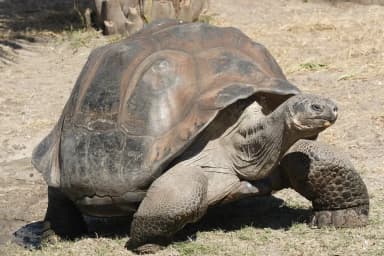
The zoo's visit page names several residents. Neil and Karma, the tigers, live in Rajah's Retreat, located across from the Reptile House. Ira the African lion lives in Ira's Kingdom, which the page places before the Primate Gardens. Clarence is a Galapagos tortoise that the page gives as 102 years old, and the page says some access near him is restricted because of current construction. The weekday field trip page names macaws, monkeys, tigers and tortoises among the animals groups see.
The master plan page names the Alumni Aviary for birds of prey and parrots, and the visit page refers to a Reptile House, Primate Gardens, Exploration Stations, a Wildlife Theater and an audio tour app available in multiple languages.
Conservation and programs
Because the zoo is a classroom, programming is run by students. The visit page lists a training demonstration at the Wildlife Theater that highlights the working relationship between students and their animals, educational presentations of about 25 minutes by students at the Wildlife Theater, feeding demonstrations, and animal meet and greets at the Exploration Stations at varying times. The visit page also states that the zoo does not offer feeding opportunities with the animals for visitors.
Weekday field trips for schools and community groups include a 30-minute wildlife presentation by students in the Wildlife Theater followed by a 45-minute tour of the zoo, on a set morning schedule on select weekdays. The zoo asks groups to exit after the scheduled programming because students move on to other classes.
The Jr. Safari summer camp is described for children entering grades 1 through 6 in fall 2026, grouped as grades 1 to 3 and 4 to 6, with designated weeks for children entering grades 7 and 8. Themes listed are Zookeeping 101, in which campers prepare diets and create enrichment, Wildlife Detectives, S.T.E.A.M. in the Zoo, and Animal Dream Jobs for the seventh- and eighth-grade weeks. The zoo's pages also list birthday parties, an International Students Program, memberships and digital gift cards.
Seasonal special events named on the zoo's site are Boo at the Zoo in October, Wild Lights in November and December, Spring Spectacular in March and an Earth Day event in April. The volunteer page says the zoo is temporarily pausing new volunteer training and is not currently accepting volunteer applications.
Planning your visit
As listed on the zoo's website, the zoo is open to the public on Saturdays and Sundays from 11:00 am to 4:30 pm, with last ticket sales at 3:45 pm. The zoo recommends advance tickets, and ticket prices and group rates are on its website; prices may vary for special events. Credit and debit cards are accepted at the front gate, with American Express not accepted. Members receive free general admission for a year, and a weekday program runs separately for school groups.
The visit page states that there is no fee for parking on weekends. The campus is smoke free, and the zoo asks that smoking and vaping not take place. No pets are allowed for the safety of the animals; service dogs are welcome, and emotional support animals are prohibited. The visit page says there are several areas to sit and eat lunch or a snack, and a small selection of snacks and beverages is sold. The zoo's phone number is 805-378-1441 and its email is zooinfo@vcccd.edu.
What we haven't confirmed
Everything above came from public sources. These specifics we haven't stood behind yet:
- Current ticket and membership prices
- Total number of animals and species
- Accessibility details
The Teaching Zoo At Moorpark College compared with nearby zoos
How The Teaching Zoo At Moorpark College lines up against the closest zoos we have details for — useful if you're deciding between them for the same day out.
| Zoo | Distance | Admission | Hours | Size | AZA |
|---|---|---|---|---|---|
| The Teaching Zoo At Moorpark CollegeThis zooMoorpark, CA | — | $12 | Open to the public weekends only: Saturday & Sunday 11:00 AM – 4:30 PM; last ticket sales 3:45 PM. | — | No |
| Wildlife Learning CenterSylmar, CA | 21 mi | $16 | Daily 10:00 AM – 5:00 PM. Closed Thanksgiving Day, Christmas Day. | — | No |
| Los Angeles ZooLos Angeles, CA | 34 mi | $27 | 10 am – 5 pm | 133 acres | Yes |
| Shambala PreserveActon, CA | 35 mi | $50 | Open to the public one weekend a month by advance reservation only: afternoon Safari (Sat & Sun at noon, ~2.5 hrs). Remaining 2026 dates: Oct 10–11, Nov 14–15, Dec 12–13, all at noon. | — | No |
Distances are straight-line. A dash means we haven't confirmed that detail yet, not that the zoo lacks it.
AZAThe Association of Zoos and Aquariums. Accredited members have passed an independent inspection of animal care and welfare, safety, conservation and education, repeated every five years. Many smaller facilities never apply, so “not accredited” isn't a verdict on its own. What accreditation means · How we check this
The Teaching Zoo At Moorpark College: common questions
What is The Teaching Zoo at Moorpark College?
It is a student-run zoo on the Moorpark College campus that serves as the living classroom for the Animal Care and Training Program.
When is it open to the public?
As listed on the zoo's website, Saturdays and Sundays from 11:00 am to 4:30 pm, with last ticket sales at 3:45 pm.
Which animals are named on the zoo's website?
The site names Neil and Karma the tigers, Ira the African lion and Clarence the Galapagos tortoise, along with birds of prey, parrots, macaws and monkeys.
Is the zoo AZA accredited?
No. The zoo is not accredited by the Association of Zoos and Aquariums. Its website says it is accredited by the Zoological Association of America.
Can visitors bring dogs?
No. Pets are not allowed, though service dogs are welcome.
Does the zoo offer weekday visits?
Weekday visits are for school and community groups by reservation, and include a student presentation and a tour.
Something wrong here? Tell us — we correct in place, with a dated note.