
Big Bear Alpine Zoo
Big Bear Lake, CA
- Admission
- $17
- Opened
- 1959
- Accreditation
- None listed
not accredited by the Association of Zoos and Aquariums
Everything below is directory information drawn from public sources and the zoo's own site.
Animals at Big Bear Alpine Zoo
31 confirmedMammals16
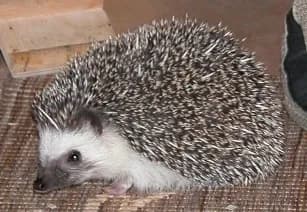 Jkasvi ( talk · contribs ) · CC BY-SA 3.0
Hedgehog
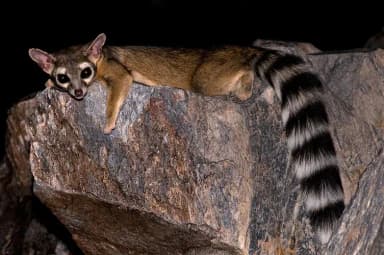 Robertbody at en.wikipedia · CC BY-SA 3.0
Ringtail
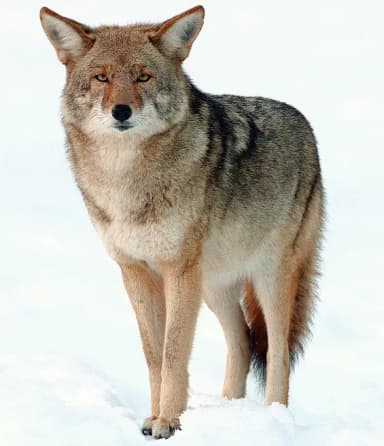 Yathin S Krishnappa · CC BY-SA 3.0
Coyote
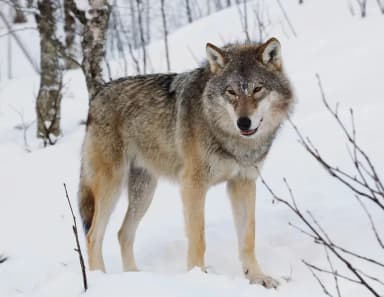 User:Mas3cf · CC BY-SA 4.0
Gray Wolf
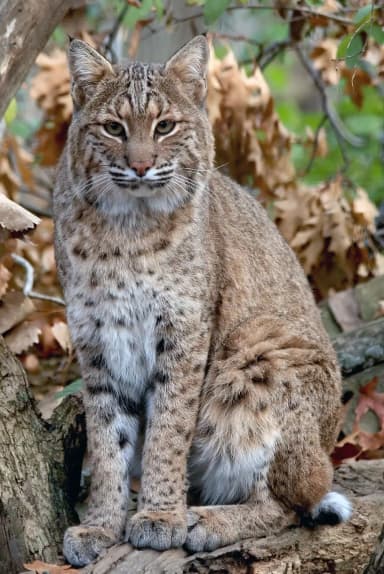 Becker1999 (Paul and Cathy) · CC BY 2.0
Bobcat
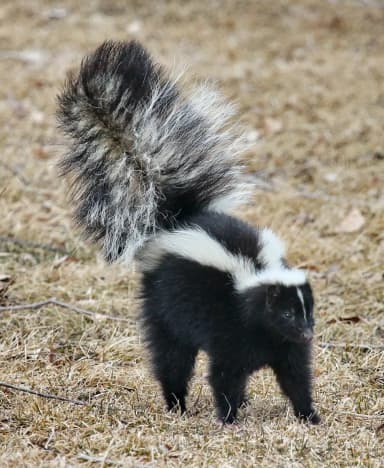 Wallace Keck · Public domain
Striped Skunk
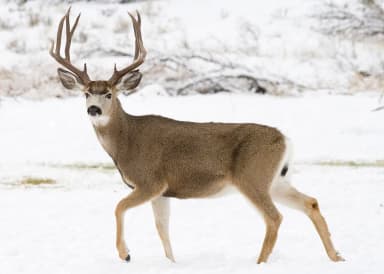 Oregon Department of Fish & Wildlife · CC BY-SA 2.0
Mule Deer
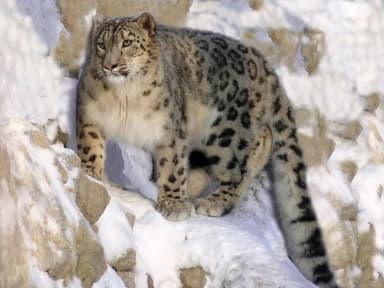 Irbis1983 · Public domain
Snow Leopard
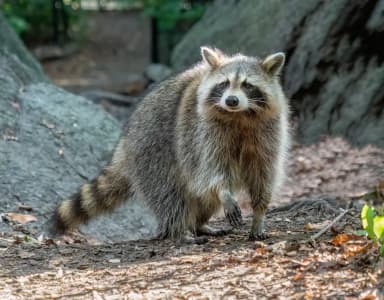 Rhododendrites · CC BY-SA 4.0
Raccoon
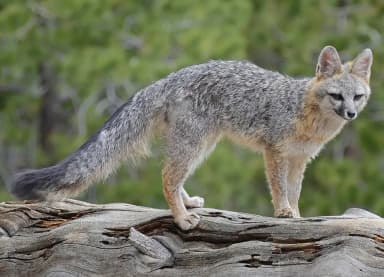 VJAnderson · CC BY-SA 4.0
Gray Fox
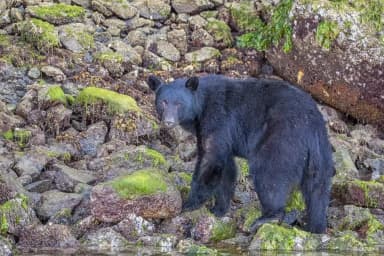 Charles J. Sharp · CC BY-SA 4.0
American Black Bear
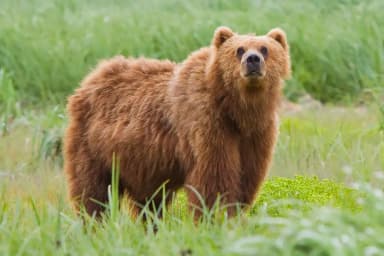 Yathin S Krishnappa · CC BY-SA 3.0
Grizzly bear
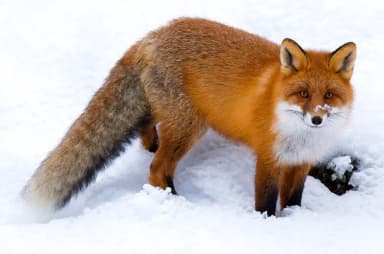 ClaudiaTen · CC BY-SA 4.0
Red Fox
Birds12
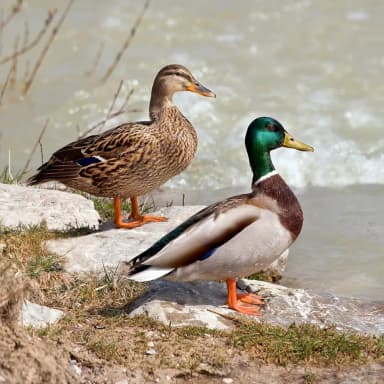 This picture was realized by Richard Bartz by using a Canon EF 70-300mm f/4-5.6 IS USM Lens · CC BY-SA 2.5
Mallard
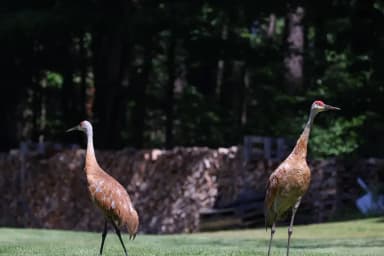 HappiestFish · CC BY 4.0
Sandhill Crane
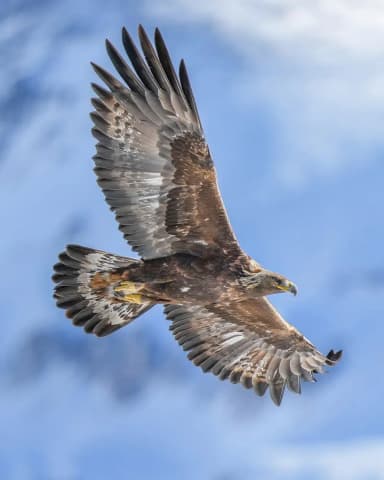 Giles Laurent · CC BY-SA 4.0
Golden Eagle
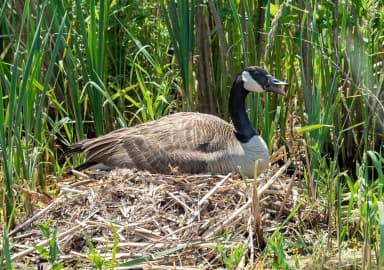 Rhododendrites · CC BY-SA 4.0
Canada Goose
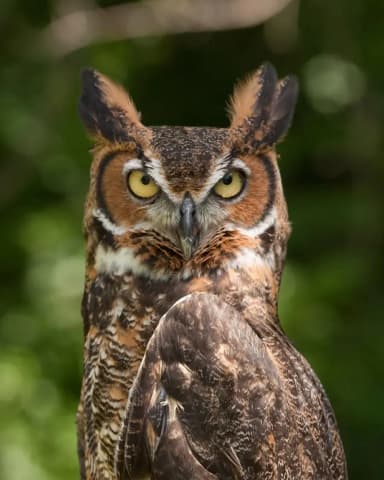 Greg Hume · CC BY-SA 3.0
Great Horned Owl
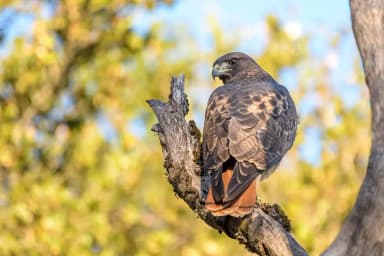 Becky Matsubara from El Sobrante, California · CC BY 2.0
Red-tailed Hawk
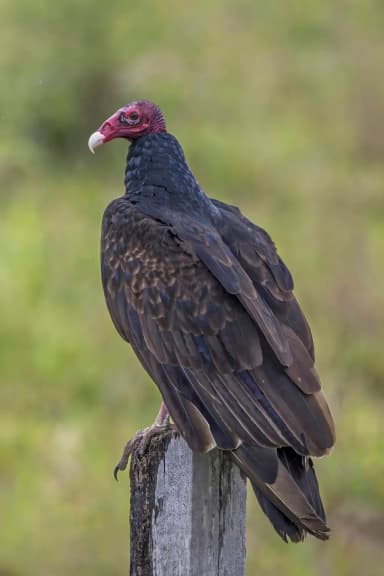 Charles J. Sharp · CC BY-SA 4.0
Turkey Vulture
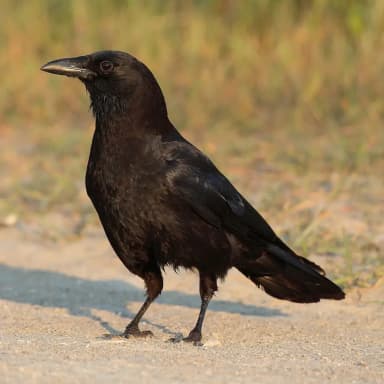 Wikimedia Commons · CC BY-SA 3.0
American Crow
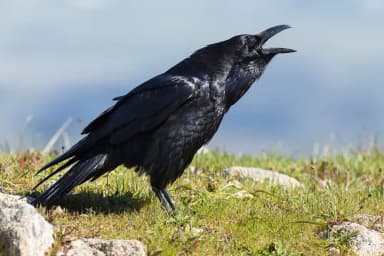 Frank Schulenburg · CC BY-SA 4.0
Common Raven
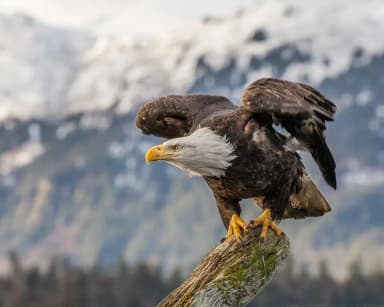 Andy Morffew from Itchen Abbas, Hampshire, UK · CC BY 2.0
Bald Eagle
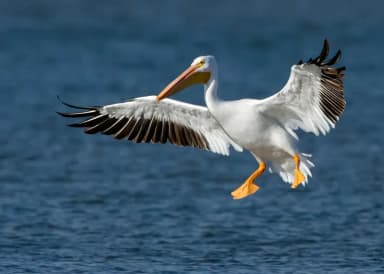 Manjith Kainickara · CC BY-SA 2.0
American White Pelican
Feathers & Fangs from visitors
What people who've been to Big Bear Alpine Zoo say
A Feather is something this zoo does well; a Fang is something it gets wrong. Left by people who've been, and read by us before they appear.
Loading…
About Big Bear Alpine Zoo
The Big Bear Alpine Zoo sits in Big Bear Lake, California, directly across the street from Bear Mountain Ski Resort, at 747 Clubview Drive. It is one of only two Alpine zoos in the United States, and it is not accredited by the Association of Zoos and Aquariums. The zoo is owned and operated by the Big Bear Valley Recreation and Park District, a special district of the County of San Bernardino, the largest county in the contiguous United States.
Unlike a typical zoo built around a static collection, the Big Bear Alpine Zoo exists first as a wildlife rehabilitation facility. It takes in injured, orphaned, and imprinted wild animals native to the alpine region and works to return them to the wild whenever possible; the zoo states that the large majority of animals brought to it for rehabilitation are successfully released back into their native environment. The animals that remain on exhibit are either too injured to survive on their own or have been imprinted by humans, making release impossible. At least 31 species are listed on the zoo's website, while the zoo's own materials describe a collection representing over 85 species at one point and, per an older count, 160 animals representing 80 species.
The zoo opened in its original form in 1959, after a wildfire displaced local wildlife, and relocated to a newly built facility in 2020. It is supported by the nonprofit Friends of the Big Bear Alpine Zoo, formed in 1989.
History
The zoo, formerly known as Moonridge Animal Park, traces its origin to 1959, when a wildfire tore through the San Bernardino National Forest and displaced local wildlife. In the aftermath, a makeshift rehabilitation area called the Wildlife Habitat was set up on the land where the zoo still sits, with the first two cages built by Loris Cady, developer of Moonridge Mountain Estates. An orphaned 30-pound baby black bear and two bobcats were the facility's first residents.
Through the following decades, the zoo grew through a mix of rescues and donations, including a black bear named Herman lassoed from a tree during a forest fire, three donated silver foxes, and a black bear named Jiggers found raiding a YMCA camp's dumpsters. In 1989, supporters formed the Friends of the Moonridge Zoo (later renamed Friends of the Big Bear Alpine Zoo), a nonprofit dedicated to education, volunteer coordination, and fundraising for the facility. The zoo also weathered a theft, when two men cut through a fence and stole a female wolf named Nakita, who was recovered unharmed four months later after one of the men was arrested.
Planning for a new, permanent facility eventually got underway, involving the County of San Bernardino, the City of Big Bear Lake, and the U.S. Forest Service. Construction on the new site began in 2016, and the original zoo closed to the public on September 20, 2020, after 61 years of operation. A grizzly bear named Harley became the first resident of the new facility on September 25, 2020, when veterinary and keeper staff, along with California Fish and Game and San Bernardino County Sheriff personnel, moved the zoo's grizzly bears, black bears, snow leopards, wolf pack, coyotes, and deer into their new homes. The rebuilt Big Bear Alpine Zoo opened to the public on November 5, 2020.
Exhibits and habitats
Because the zoo operates primarily as a rehabilitation facility, its layout centers on housing for the alpine species it treats and cares for long term rather than themed visitor exhibits. The zoo's enrichment program shapes much of what happens day to day: keepers design activities based on each animal's natural behaviors, using techniques such as varied terrain and climbing structures, keeper-directed training sessions, the introduction of natural predator or prey scents, recorded sounds, and food-based puzzles like hidden or scattered treats and puzzle feeders. Novel objects such as burlap bags, sheets, boomer balls, chew toys, and hammocks are also used, often combined with food to encourage natural foraging behavior. The zoo notes that some of its enrichment ties into research participation, citing examples such as foraging-skills research with giant pandas and cognitive research with orangutans conducted elsewhere in the field.
Animal highlights
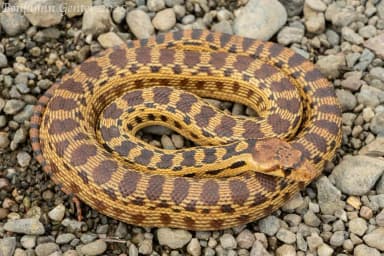
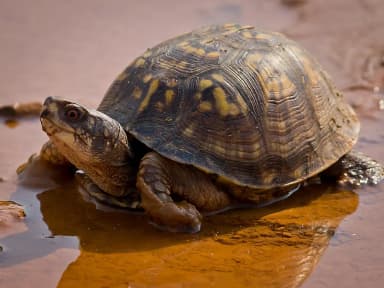
At least 31 species are listed on the zoo's website. The collection includes grizzly bears and black bears, along with a gray wolf pack, a bobcat, a coyote, red and gray foxes, and a San Joaquin kit fox. A snow leopard is also on exhibit, alongside raptors including bald eagles, golden eagles, great horned owls, and turkey vultures. Smaller residents include a ringtail cat, a flying squirrel, a fox squirrel, and an African pygmy hedgehog, plus reptiles such as a box turtle, a gopher snake, and a kingsnake.
Every animal at the zoo has come from some form of human interaction, according to the zoo, and its collection is built around species that live in the Big Bear Valley, with a handful of additions, such as grizzly bears and wolves, that respond well to the local climate. National Geographic photographer Joel Sartore visited to photograph seven of the zoo's species for his Photo Ark project: the acorn woodpecker, American crow, Bush bunny, common raven, Humboldt's flying squirrel, San Joaquin kit fox, and Steller's jay.
Conservation and programs
The zoo's core mission is wildlife rehabilitation: it accepts hundreds of orphaned and injured wild animals each year, provided it has the capacity to care for them, and the zoo states that the large majority of rehabilitated animals are successfully released back into the wild. Veterinary and food costs for this work run approximately $35,000 to $60,000 per year, funded through admission revenue and visitor donations.
The zoo also holds two snow leopard sisters, Asha and Shanti, transferred from the Woodland Park Zoo in Seattle. Both were born into that zoo's Species Survival Program with a birth defect requiring removal of their right eyes; because of the defect, they were removed from the Species Survival Program and now live out their lives at the Big Bear Alpine Zoo. The nonprofit Friends of the Big Bear Alpine Zoo, formed in 1989, supports the facility through public education about wildlife treatment, protection, and conservation, volunteer recruitment and coordination, and fundraising.
Planning your visit
As listed on the zoo's website, admission is $17.00 for adults ages 13 to 59, $12.00 for seniors 60 and up, and $12.00 for youth ages 3 to 12; children 2 and under are free. Active or retired military members with ID pay $12.00. Groups of 10 or more traveling together receive a $1.00 discount per person at the ticket counter. The zoo accepts Visa and MasterCard. Hours run on a summer schedule from Memorial Day through Labor Day and a winter schedule the rest of the year, generally opening around 10 a.m.; on snowy days, the zoo may open later or stay closed for snow removal, so calling ahead is recommended.
Parking is free in the designated lot east of the zoo, with handicapped parking available. The zoo does not offer strollers or wheelchairs for rent. Visitors may bring their own picnics, though glass, aluminum cans, and other breakable or loose plastic items are not allowed near the enclosures; smoking and alcohol are prohibited zoo-wide, and outside pets are not permitted, though trained service animals are welcome. Direct animal contact is not offered to guests, for the safety of both visitors and the wild animals in the zoo's care.
The zoo is located at 747 Clubview Drive in Big Bear Lake, at the bottom of the Bear Mountain Golf Course near the Moonridge "Y." Memberships through Friends of the Big Bear Alpine Zoo include a year of free admission, discounts on merchandise, and reciprocal benefits at partner organizations, and the zoo also runs an animal adoption program in which all proceeds go toward that animal's care. As always, confirm current hours, prices, and any weather-related closures on the zoo's official website before visiting.
What we haven't confirmed
Everything above came from public sources. These specifics we haven't stood behind yet:
- Exact acreage
- Total animal count
- Published species count
- Annual visitor total
- Exact seasonal opening and closing times
- Phone confirmation of current hours
Big Bear Alpine Zoo compared with nearby zoos
How Big Bear Alpine Zoo lines up against the closest zoos we have details for — useful if you're deciding between them for the same day out.
| Zoo | Distance | Admission | Hours | Size | AZA |
|---|---|---|---|---|---|
| Big Bear Alpine ZooThis zooBig Bear Lake, CA | — | $17 | 10am – 5pm | — | No |
| Living Desert Zoo and GardensPalm Desert, CA | 46 mi | from $44.95 | 7:00am – 1:30pm | 1200 acres | Yes |
| Orange County ZooOrange, CA | 59 mi | $2 | 10:00 am – 4:30 pm | 8 acres | No |
| Santa Ana ZooSanta Ana, CA | 66 mi | $17 | 10 am – 4 pm | 20 acres | Yes |
Distances are straight-line. A dash means we haven't confirmed that detail yet, not that the zoo lacks it.
AZAThe Association of Zoos and Aquariums. Accredited members have passed an independent inspection of animal care and welfare, safety, conservation and education, repeated every five years. Many smaller facilities never apply, so “not accredited” isn't a verdict on its own. What accreditation means · How we check this
Big Bear Alpine Zoo: common questions
Is the Big Bear Alpine Zoo AZA accredited?
No, it is not accredited by the Association of Zoos and Aquariums.
When did the Big Bear Alpine Zoo open?
The original facility opened in 1959; the current site opened on November 5, 2020, after the older location closed that September.
How many species live at the zoo?
At least 31 species are listed on the zoo's website, and the zoo's own materials have described the collection as representing over 85 species.
What animals can you see there?
Grizzly bears, black bears, a snow leopard, a gray wolf pack, coyotes, foxes, bald and golden eagles, and a range of smaller mammals, birds, and reptiles native to the alpine region.
Is parking free?
Yes, parking is free in the designated lot east of the zoo, and handicapped parking is available.
Are strollers or wheelchairs available to rent?
No, the zoo does not offer stroller or wheelchair rentals.
Can I bring outside food?
Yes, picnics are welcome, though glass, cans, and other breakable or loose plastic items are not permitted near the animal enclosures.
Something wrong here? Tell us — we correct in place, with a dated note.