
- Admission
- from $44.95
- Size
- 1200 acres
- Animals
- 500
- Opened
- 1970
- Accreditation
- AZA
set by date and demand
Association of Zoos and Aquariums
Everything below is directory information drawn from public sources and the zoo's own site.
Animals at Living Desert Zoo and Gardens
16 of the ~150 species this zoo listsThis is a partial list — we only show species we've confirmed against the zoo's own pages, and their full collection is considerably larger.
Mammals12
 AfricanConservation · CC BY-SA 4.0
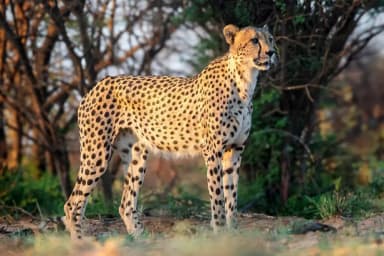
Cheetah
 Jkasvi ( talk · contribs ) · CC BY-SA 3.0
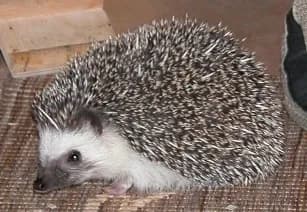
Hedgehog
 Yathin S Krishnappa · CC BY-SA 3.0
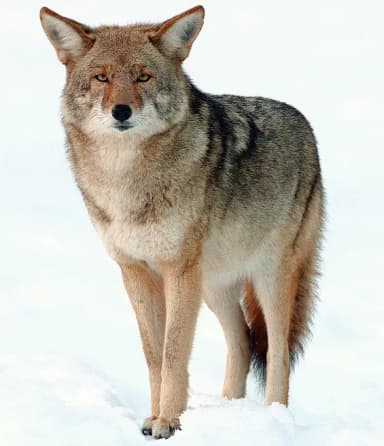
Coyote
 AfricanConservation · CC BY-SA 4.0
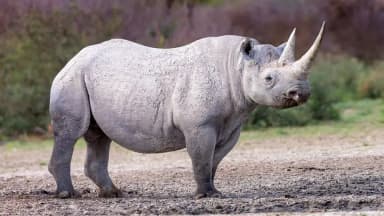
Black Rhinoceros
 Sanjay Acharya · CC BY-SA 4.0
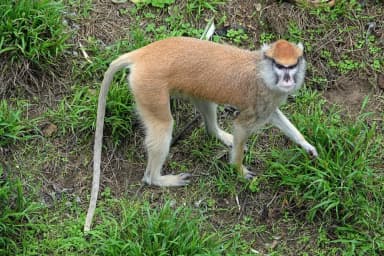
Patas Monkey
 Thomas Fuhrmann · CC BY-SA 4.0
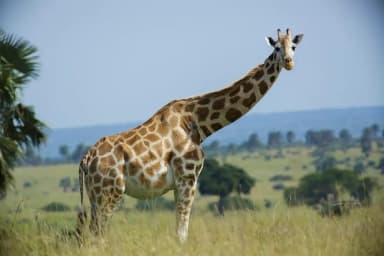
Giraffe
 AfricanConservation · CC BY-SA 4.0
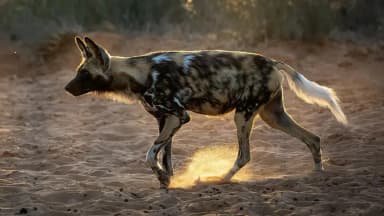
African Wild Dog
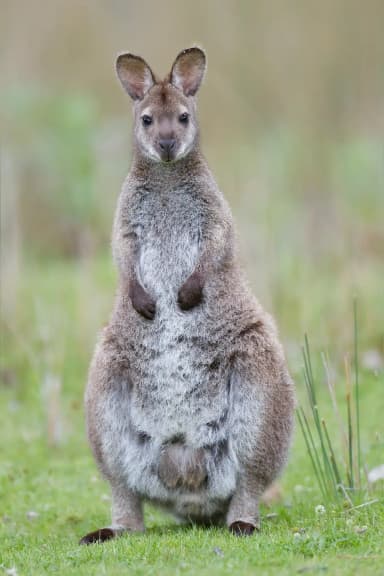 Noodle snacks ( https://www.jjharrison.com.au/)Bennett's Wallaby) · CC BY-SA 3.0
Bennett's Wallaby
Feathers & Fangs from visitors
What people who've been to Living Desert Zoo and Gardens say
A Feather is something this zoo does well; a Fang is something it gets wrong. Left by people who've been, and read by us before they appear.
Loading…
About Living Desert Zoo and Gardens
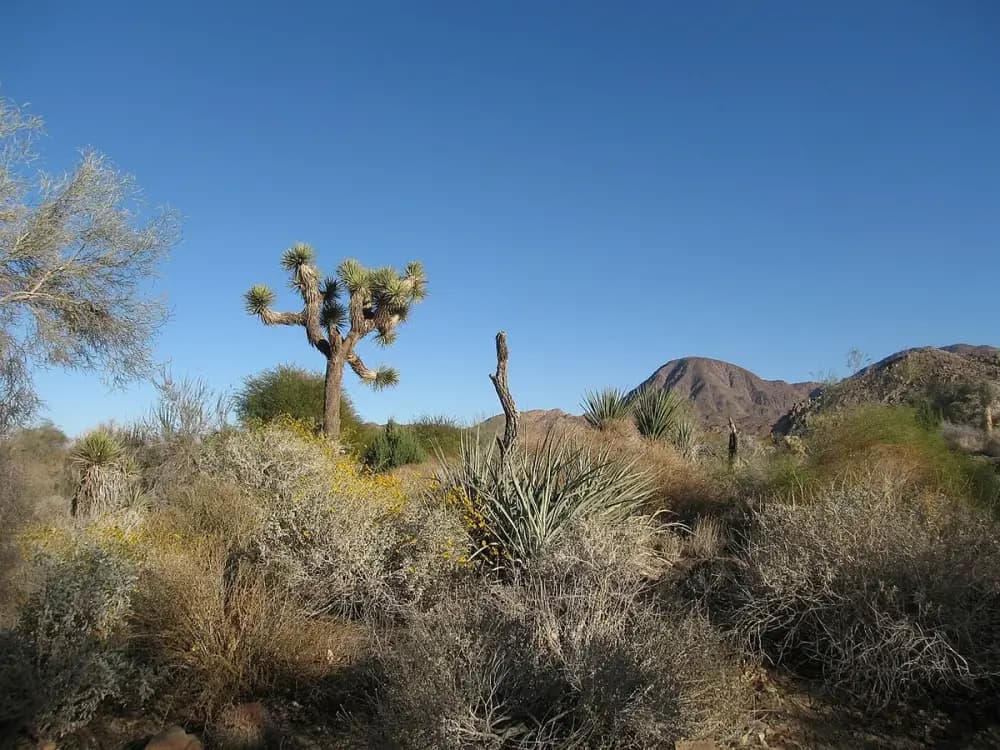
The Living Desert Zoo and Gardens, formerly known as the Living Desert Museum, is a nonprofit zoo and desert botanical garden at 47900 Portola Avenue in Palm Desert, California, in the Colorado Desert. The property covers 1,200 protected acres, with 80 acres developed as zoo and garden space, and it is home to more than 500 animals representing more than 150 species. The zoo has been an AZA-accredited member of the Association of Zoos and Aquariums since 1983 and is also a member of the World Association of Zoos and Aquariums.
The zoo divides its animal habitats by continent into three main sections — African Safari, Wilds of North America, and Australian Adventures — and pairs them with more than 50 themed gardens representing desert plant communities from around the world. The zoo's stated mission centers on desert conservation through preservation, education, and appreciation, and it describes itself as engaged in more than 80 conservation projects around the world.
History
The zoo's gardens were established in 1970 as a 360-acre wilderness preserve by trustees of the Palm Springs Desert Museum. By 1974, the property housed a kit fox, tortoises, lizards, and two bighorn sheep, and the Mojave Garden, a replica of the High Desert's Mojave Desert habitat, was completed in 1974-75. New animal introductions followed over the decades: rhim gazelles in 1981; mountain lions, bobcats, and badgers in 1993; meerkats, cheetahs, and warthogs in 1995; striped hyenas in 1998; and giraffes and ostriches in 2002.
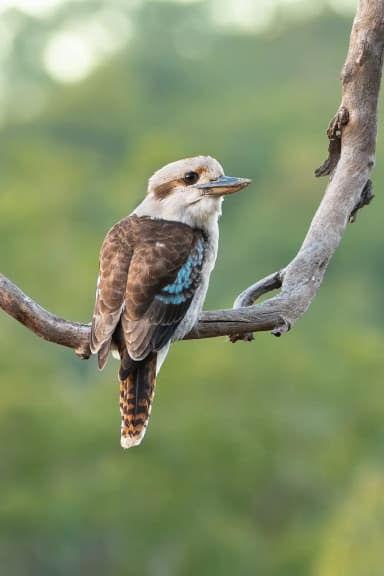
The Amphibians on the Edge exhibit, showing frogs, toads, and salamanders, opened in 2007, followed by the Endangered Species Carousel in 2009 and the Peninsular Pronghorn Exhibit in 2010. The Monarch of the Desert exhibit on the North America Trail holds jaguars. Australian Adventures opened in 2020 as a habitat for Bennett's wallaby, the yellow-footed rock wallaby, and the laughing kookaburra, among other species, and the Rhino Savanna opened in fall 2021. The zoo is one of six privately operated, AZA-accredited zoos in the United States and continues to operate as a nonprofit. In 2023, its Animal Care Department voted to unionize.
Exhibits and habitats
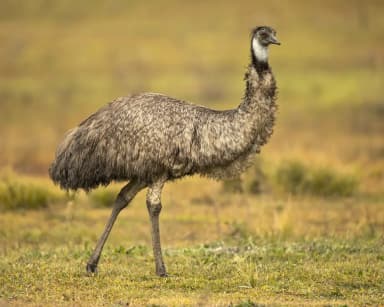
African Safari recreates the African savanna and is home to giraffes, black rhinos, cheetahs, zebras, and other African wildlife; the Rhino Savanna section, opened in 2021, lets black rhino, waterbuck, and springbok share space, while giraffes graze nearby alongside greater kudu and ostrich. Wilds of North America covers the desert ecosystems of North America, with species ranging from foxes and coyotes to both large and small native cats, and the Monarch of the Desert habitat within it holds jaguars. Australian Adventures is a walk-through habitat with an aviary of parakeets, reptiles, and wallabies, where Bennett's wallabies and yellow-footed rock wallabies move alongside visitors and laughing kookaburras and emus round out the collection.
The zoo's more than 50 gardens display roughly 1,200 plant species across recreated ecosystems of the Mojave, Chihuahuan, Sonoran, and Colorado deserts, plus focused collections including the Agave Garden, with more than 100 species of the genus Agave; the Aloe Garden of African and Middle Eastern species; the East African Garden; the Euphorbia Garden of African and Indian succulents; the Aviary Oasis, a recreated Coachella Valley palm oasis with a walk-in aviary; the Palm Garden, with several hundred palm trees from more than 50 species; and the McDonald Butterfly and Wildflower Garden, planted to attract migrating butterflies. Additional visitor features include the Miriam U. Hoover Discovery Center, an indoor space on the geology of the Coachella Valley desert; the Tennity Wildlife Hospital & Conservation Center, where visitors can view the zoo's animal hospital in operation; the Goat Kraal in Village WaTuTu; a G-Scale model train; and the Endangered Species Carousel. Hiking trails include the easy Discovery Loop, the Adventure Loop with views of the San Andreas Fault, and the more difficult Wilderness Loop.
Animal highlights
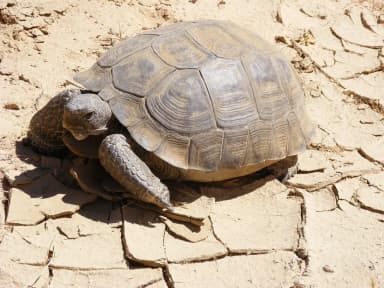
The zoo's website lists at least 16 species, part of a broader collection described as more than 500 animals representing over 150 species. Named residents include the African wild dog, black rhinoceros, cheetah, giraffe, Mexican gray wolf, and desert bighorn sheep, alongside Australian species such as Bennett's wallaby, the yellow-footed rock wallaby, the laughing kookaburra, the short-beaked echidna, and the emu. Smaller and native desert species on the list include the desert tortoise, calico hedgehog, patas monkey, coyote, and red bird-of-paradise.
Conservation and programs
The Living Desert describes itself as involved in more than 80 conservation initiatives worldwide and has launched what it calls the nation's first Center for Species Survival: Behavior Change, in partnership with the International Union for Conservation of Nature Species Survival Commission. Its Desert Tortoise Headstarting Program, run with the San Diego Zoo Wildlife Alliance, Edwards Air Force Base, and the U.S. Geological Survey, raises critically endangered desert tortoise hatchlings on an accelerated growth diet to improve their odds of reaching adulthood in the wild.
The zoo is also involved in the recovery of two pronghorn subspecies once native to Southern California, working with the Peninsular Pronghorn Recovery Program in Mexico and federal, state, and nonprofit partners to assess habitat and support reintroduction. Internationally, the zoo supports South Africa's Black Mambas Anti-Poaching Unit and its associated Bush Babies Environmental Education Program, and it runs Building Community Conservation Success workshops that have trained conservationists in social science skills across 11 countries. In Mongolia's Gobi Desert steppe, the zoo partners with the Mongolian Conservation Initiative on ecosystem restoration and biodiversity research in the Ikh Nart Nature Reserve. On-site, conservation work includes headstarting desert tortoises, rearing endangered desert pupfish at Sonoran Pond, composting, and growing plants at the Desert Plant Conservation Center for regional habitat restoration.
Planning your visit
As listed on the zoo's website, hours run from 7 a.m. to 1:30 p.m., and admission is listed starting at $10 for adults and $5 for children ages 3 to 17; ticket prices can vary by date and require advance purchase. Children under 3 are free, and all guests under 18 must be accompanied by an adult 18 or older. The zoo has transitioned to a cashless facility, though its third-party-operated retail outlets still accept cash; guests who prefer cash can use complimentary reverse ATMs on-site to load a prepaid debit card for a $1 fee. Parking is free.
The zoo is a Certified Autism Center and complies with the Americans with Disabilities Act and California access laws. Sensory resources, including fidget tools, noise-canceling headphones, and weighted lap pads, are available for checkout at Admissions or the Guest Services Office at no cost with an ID, and Sensory Maps highlight loud, crowded, or quieter areas of the park. Monoculars are available for sight-impaired guests, and an Assistive Listening Device is offered for guests who are hearing-impaired; in both cases, an accompanying aide can receive a complimentary admission ticket. The zoo features wide, paved pathways for strollers and wheelchairs, with rentals — including child strollers, wheelchairs, and electric scooters at $30 plus tax — available at the entrance on a first-come, first-served basis. Only trained service animals are permitted, and some areas of the zoo are restricted to them. Reduced admission is available for SNAP EBT cardholders, with each adult able to purchase up to four discounted child tickets.
Dining options include the Bighorn Café, with views of the bighorn sheep habitat and a menu of salads, bowls, pizza, and sundaes, plus a snack and drinks stand and the Thorn Tree Grill for burgers, sandwiches, and hot dogs. The Suzan and Bill Appel Gift Shop is open daily. Check the official website for current hours, ticket prices, and program schedules before your visit.
What we haven't confirmed
Everything above came from public sources. These specifics we haven't stood behind yet:
- Total published species count (the zoo's site references figures from 16 listed to over 150 described)
- Annual visitor numbers
- Typical time needed for a full visit
- Current hours, which appear to reflect a limited seasonal schedule
- Phone number for general inquiries
Living Desert Zoo and Gardens compared with nearby zoos
How Living Desert Zoo and Gardens lines up against the closest zoos we have details for — useful if you're deciding between them for the same day out.
| Zoo | Distance | Admission | Hours | Size | AZA |
|---|---|---|---|---|---|
| Living Desert Zoo and GardensThis zooPalm Desert, CA | — | from $44.95 | 7:00am – 1:30pm | 1200 acres | Yes |
| California Wolf CenterJulian, CA | 45 mi | — | Reservation-only guided tours at the conservation center: public tours Fri 12:40 & 2:40 PM; Sat–Sun 9:40 AM, 12:40 & 2:40 PM; Mon 12:40 PM. Private tours on select weekdays. (Julian visitor center/nature store at 2775 B St: Mon, Tue, Fri–Sun 10 AM – 5 PM, closed Wed–Thu.). | — | No |
| Big Bear Alpine ZooBig Bear Lake, CA | 46 mi | $17 | 10am – 5pm | — | No |
| Lions Tigers & BearsAlpine, CA | 63 mi | $55 | All visits by reservation only (guided 'Member for a Day' visit), Tuesday–Saturday; book online. Visit times not listed. | — | No |
Distances are straight-line. A dash means we haven't confirmed that detail yet, not that the zoo lacks it.
AZAThe Association of Zoos and Aquariums. Accredited members have passed an independent inspection of animal care and welfare, safety, conservation and education, repeated every five years. Many smaller facilities never apply, so “not accredited” isn't a verdict on its own. What accreditation means · How we check this
Living Desert Zoo and Gardens: common questions
Is Living Desert Zoo and Gardens AZA accredited?
Yes, it has been an AZA-accredited member since 1983 and is also a member of the World Association of Zoos and Aquariums.
How big is the zoo, and how many animals live there?
The property covers 1,200 protected acres, with 80 developed as zoo and garden space, and is home to more than 500 animals representing over 150 species.
When did the zoo open?
Its gardens were established in 1970 as a 360-acre wilderness preserve.
How much does it cost to visit?
As listed on the zoo's website, admission starts at $10 for adults and $5 for children ages 3 to 17, with prices varying by date.
Is there parking?
Yes, parking is free.
Is the zoo stroller and wheelchair accessible?
Yes, with wide paved pathways throughout and stroller, wheelchair, and electric scooter rentals available at the entrance.
What animals can you see there?
Highlights include African wild dogs, black rhinos, cheetahs, giraffes, Bennett's wallabies, and the short-beaked echidna, among many others.
Something wrong here? Tell us — we correct in place, with a dated note.