
Vulnerable animals in U.S. zoos
Vulnerable (VU) is the IUCN Red List category for species facing a high risk of extinction in the wild. It is the lowest of the three threatened categories, one step above Near Threatened, and covers species such as those that have declined by 30% or more or number fewer than 10,000 mature adults and keep declining.
Most widely held
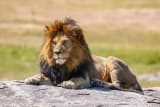 LionPanthera leoAt 92 zoos
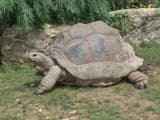 Aldabra TortoiseAldabrachelys giganteaAt 51 zoos
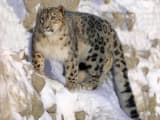 Snow LeopardPanthera unciaAt 45 zoos
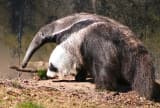 Giant AnteaterMyrmecophaga tridactylaAt 40 zoos
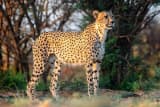 CheetahAcinonyx jubatusAt 38 zoos
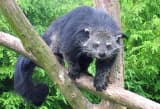 BinturongArctictis binturongAt 32 zoos
- Asian Small-clawed OtterAonyx cinereusAt 28 zoos
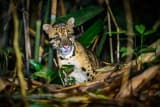 Clouded LeopardNeofelis nebulosaAt 25 zoos
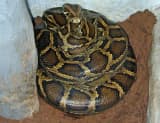 Burmese PythonPython bivittatusAt 21 zoos
 Southern Ground HornbillBucorvus leadbeateriAt 18 zoos
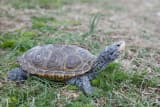 Diamondback TerrapinMalaclemys terrapinAt 17 zoos
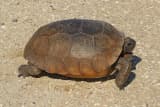 Gopher TortoiseGopherus polyphemusAt 17 zoos
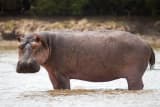 HippopotamusHippopotamus amphibiusAt 17 zoos
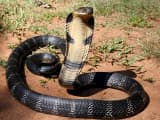 King CobraOphiophagus hannahAt 17 zoos
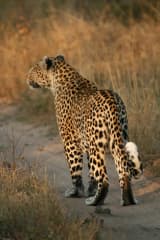 LeopardPanthera pardusAt 17 zoos
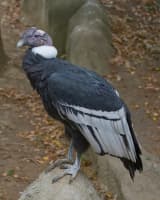 Andean CondorVultur gryphusAt 16 zoos
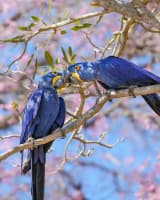 Hyacinth MacawAnodorhynchus hyacinthinusAt 16 zoos
 Greater One-horned RhinocerosRhinoceros unicornisAt 15 zoos
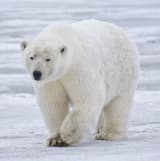 Polar BearUrsus maritimusAt 15 zoos
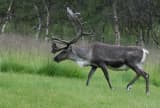 ReindeerRangifer tarandusAt 15 zoos
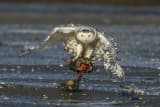 Snowy OwlBubo scandiacusAt 15 zoos
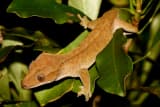 Crested GeckoCorrelophus ciliatusAt 14 zoos
 Mexican Red-knee TarantulaBrachypelma hamoriiAt 14 zoos
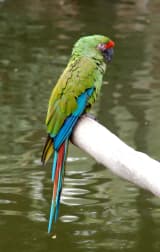 Military MacawAra militarisAt 14 zoos
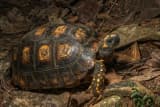 Yellow-footed TortoiseChelonoidis denticulatusAt 14 zoos
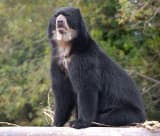 Andean BearTremarctos ornatusAt 13 zoos
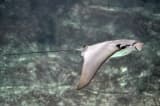 Cownose RayRhinoptera bonasusAt 13 zoos
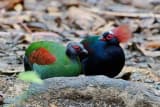 Crested Wood PartridgeRollulus rouloulAt 13 zoos
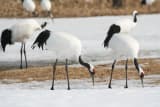 Red-crowned CraneGrus japonensisAt 13 zoos
- AoudadAmmotragus lerviaAt 12 zoos
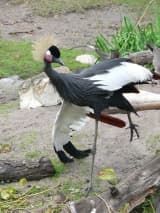 Black Crowned CraneBalearica pavoninaAt 12 zoos
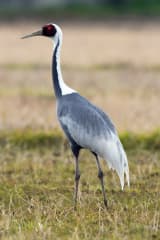 White-naped CraneAntigone vipioAt 12 zoos
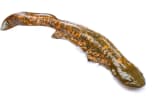 Eastern HellbenderCryptobranchus alleganiensis alleganiensisAt 11 zoos
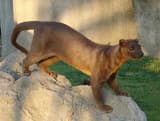 FossaCryptoprocta feroxAt 11 zoos
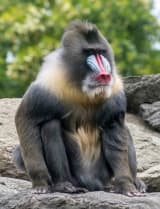 MandrillMandrillus sphinxAt 11 zoos
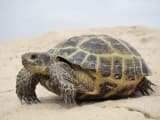 Russian TortoiseAgrionemys horsfieldiiAt 11 zoos
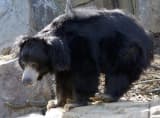 Sloth BearMelursus ursinusAt 11 zoos
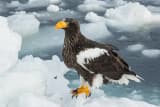 Steller's Sea EagleHaliaeetus pelagicusAt 11 zoos
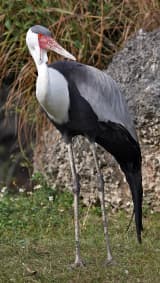 Wattled CraneBugeranus carunculatusAt 11 zoos
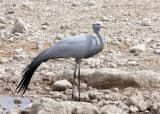 Blue CraneGrus paradiseaAt 10 zoos
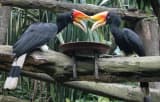 Rhinoceros HornbillBuceros rhinocerosAt 10 zoos
 BabirusaBabyrousa babyrussaAt 9 zoos
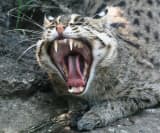 Fishing CatPrionailurus viverrinusAt 9 zoos
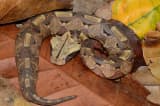 Gaboon ViperBitis gabonicaAt 8 zoos
 Henkel's Leaf-tailed GeckoUroplatus henkeliAt 8 zoos
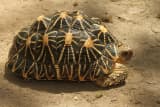 Indian Star TortoiseGeochelone elegansAt 8 zoos
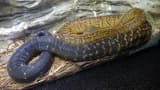 Jamaican BoaChilabothrus subflavusAt 8 zoos
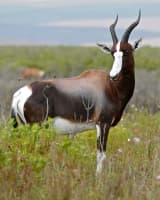 BontebokDamaliscus pygargus pygargusAt 7 zoos
More animals in this collection, A–Z
- Asiatic Black BearUrsus thibetanus
- Brown LemurEulemur fulvus
- Cabot's TragopanTragopan caboti
- HellbenderCryptobranchus alleganiensis
- KoalaPhascolarctos cinereus
- Lined SeahorseHippocampus erectus
- Palawan Peacock-PheasantPolyplectron napoleonis
- Red-breasted GooseBranta ruficollis
- Sarus CraneAntigone antigone
- Sun BearHelarctos malayanus
- TakinBudorcas taxicolor
- West African Dwarf CrocodileOsteolaemus tetraspis
- Yellow-spotted Amazon River TurtlePodocnemis unifilis
What Vulnerable means
Vulnerable is the entry point to the threatened part of the IUCN Red List. A Vulnerable species is not yet Endangered or Critically Endangered, but it faces a high risk of extinction in the wild in the medium term if the pressures on it don't ease.
As with the other threatened categories, one criterion is enough. In simple terms: a population decline of 30% or more over 10 years or three generations; a range under 20,000 km² (about 7,700 sq mi) that is fragmented or shrinking; fewer than 10,000 mature individuals and still declining; fewer than 1,000 mature individuals, or a range so small that a single event could wipe it out; or modeling that gives at least a 10% chance of extinction within 100 years.
The category is about the wild, not about how familiar an animal is. Some Vulnerable species are common in captivity, and others are still abundant in parts of their range.
Familiar animals, real declines
Several familiar zoo animals are Vulnerable. The lion has been on the list since 1996, after African populations fell by roughly 43% since the early 1990s. The cheetah had an estimated 6,517 mature individuals in 2021, and its unusually low genetic diversity leaves it prone to disease. The hippopotamus is hunted for meat and for the ivory in its canine teeth.
Even widespread species can qualify through a steep decline. The reindeer remains numerous, but it was assessed as Vulnerable in 2016 after a 40% drop over about 25 years. The giant anteater had declined by more than 30% over three generations by 2014.
What threatens Vulnerable species
Habitat loss is the main cause of vulnerability, and it runs through many of these animals' stories. The koala is losing eucalyptus woodland to urban growth and farm clearing, on top of disease, bushfires and deaths caused by cars and dogs. The eastern hellbender declines when the forest along its streams is cleared and water quality drops, and nearly 80% of its populations are shrinking or gone.
Climate change is the leading threat for some cold-climate animals. Shrinking sea ice cuts the polar bear off from the seals it hunts, and warming appears central to the decline of the snowy owl. In the ocean, overfishing drove the cownose ray onto the list in 2019, and because it matures late and breeds slowly, its numbers are slow to recover.
Why the category matters
Vulnerable species are monitored because they can become increasingly threatened if their circumstances don't improve. Between 1998 and 2012, the number of animals classified as Vulnerable rose from 2,815 to 5,196.
Accredited zoos manage many Vulnerable species through Species Survival Plans, cooperative breeding programs that keep a genetically healthy population in human care. Those populations act as a backup, while the long-term outcome for each species depends on protecting its habitat in the wild.
Common questions
What does vulnerable mean for an animal?
It means the IUCN Red List has found the species faces a high risk of extinction in the wild unless the circumstances threatening its survival and reproduction improve. It is the lowest of the three threatened categories.
Is a vulnerable species endangered?
Not in the IUCN sense. Vulnerable is one step below Endangered, with looser thresholds, such as fewer than 10,000 mature individuals instead of fewer than 2,500. Both count as threatened.
Are lions endangered?
Lions are listed as Vulnerable, not Endangered, and have been since 1996. African lion numbers have fallen by roughly 43% since the early 1990s, mainly because of habitat loss and conflict with people.
Are polar bears endangered?
The polar bear is listed as Vulnerable, with an estimated 22,000 to 31,000 animals. Climate change is among its biggest threats, along with pollution and energy development, because shrinking sea ice cuts bears off from their prey.
What causes a species to become vulnerable?
Habitat loss or destruction is the main cause. Poaching, disease, climate change and overfishing also threaten many Vulnerable species.
Can a vulnerable species be common in zoos?
Yes. The category describes a species' status in the wild, so some Vulnerable species, such as the military macaw, are common in captivity.
Sources
Last reviewed