- Where to see one
- 9 U.S. zoos in our directory hold fox, confirmed against each zoo's own animal list.
- Native range
- Worldwide across deserts, mountains, plains, and the Arctic
- Size
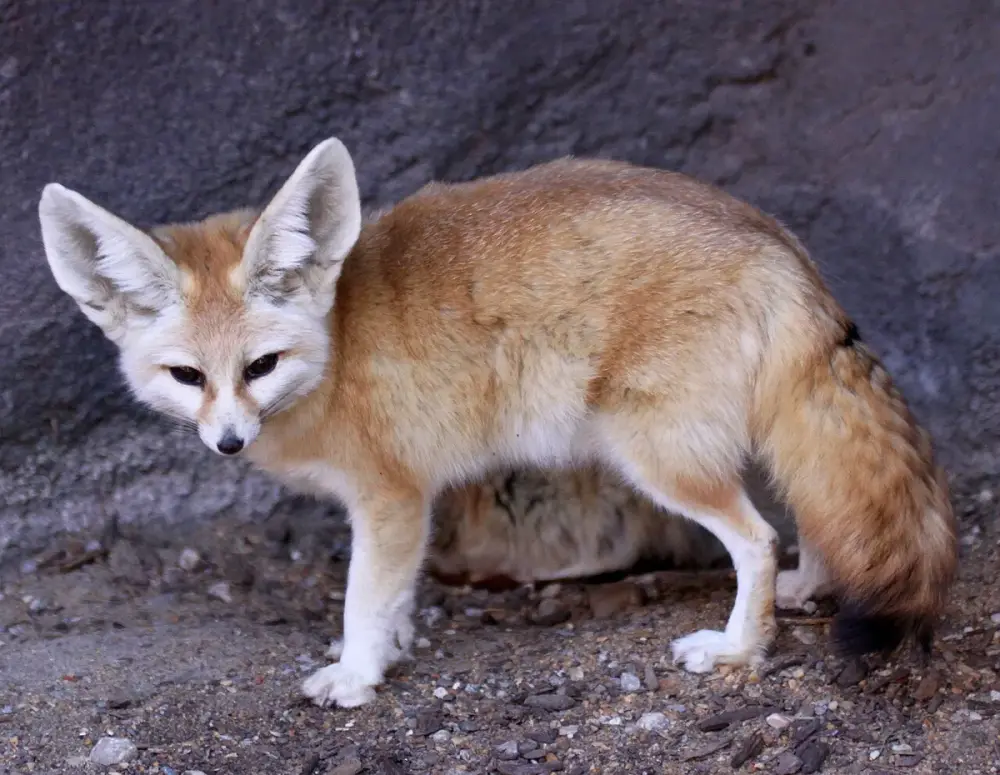
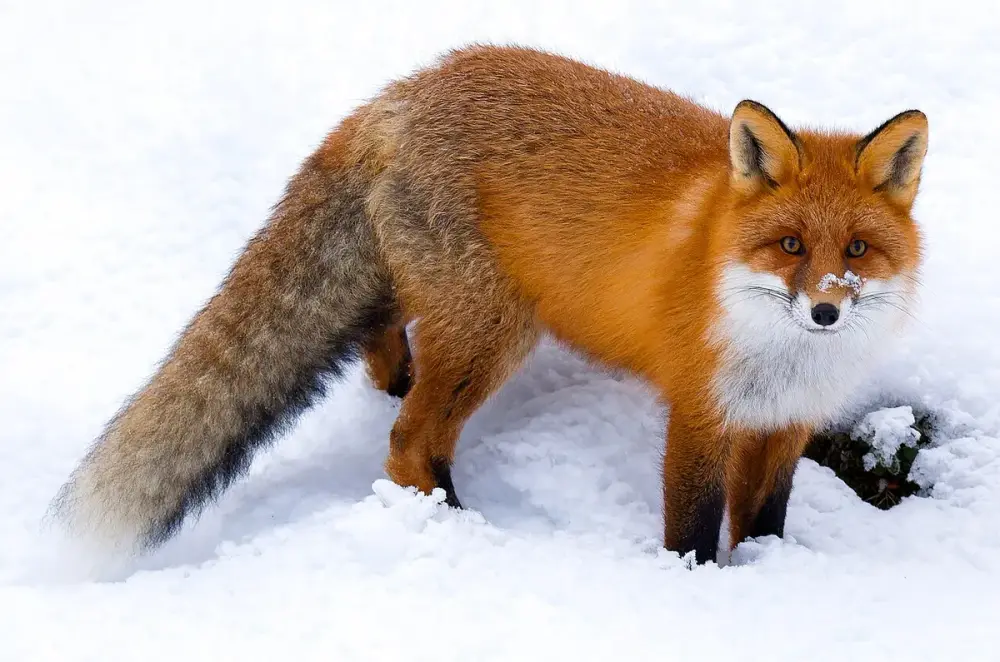
- Members of the genus generally weigh 5–11 kg (11–24 lb); the largest species, the red fox, averages 4.1–8.7 kg (9–19 lb), while the smallest, the fennec fox, weighs just 0.7–1.6 kg (1.5–3.5 lb)
- Lifespan
- Typically two to four years, occasionally up to a decade
Conservation status
Not Evaluated
This species has not been assessed for the IUCN Red List, so it sits outside the threat scale entirely.
Varies by species within the genus
About the fox
Vulpes is the genus of the "true foxes," a proper clade within the subfamily Caninae that includes 12 living species. True foxes are set apart from genus Canis — the group that contains domestic dogs, wolves, jackals, and coyotes — by their smaller size, longer and bushier tails, and flatter skulls. Most species carry black, triangular markings between the eyes and nose, and the tip of the tail is often a different color from the rest of the coat. Body size across the genus runs from 5 to 11 kg (11 to 24 lb), with the red fox as the largest species, averaging 4.1 to 8.7 kg (9 to 19 lb), and the fennec fox as the smallest, at just 0.7 to 1.6 kg (1.5 to 3.5 lb).
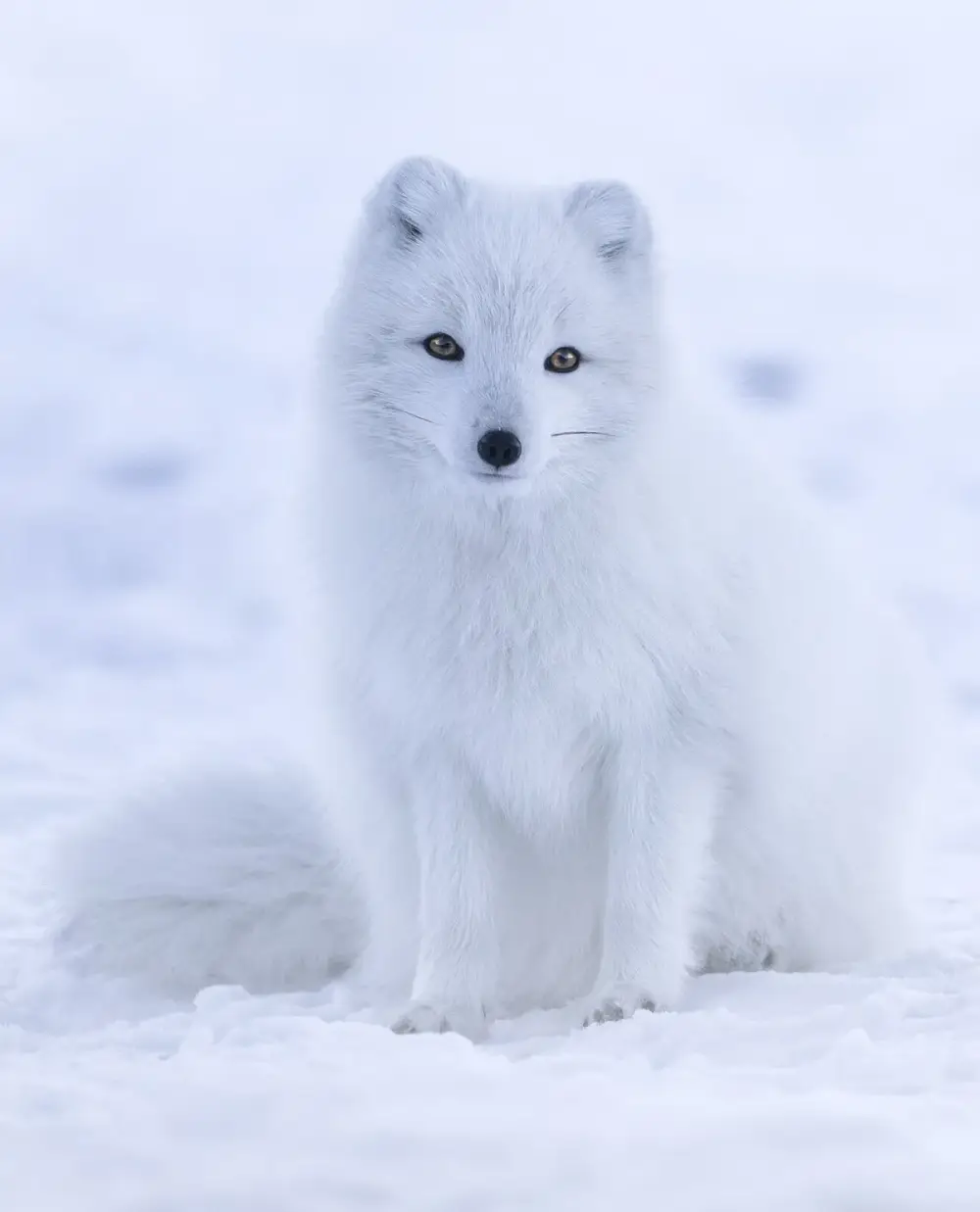
True foxes have long, dense fur and a bushy, rounded tail that is at least half, and sometimes fully, as long as the head and body combined. The body is elongated with relatively short limbs, a long narrow muzzle, and large pointed ears; the forelimbs carry five toes while the hind legs have only four. Their skulls are light, slender, and elongated, and their pupils are vertical slits that appear elliptical in bright light, much like a cat's. Coat traits track habitat closely: fennec foxes and other desert species have oversized ears and short coats to shed heat, while the Arctic fox has small ears and a thick, insulating coat built for cold. Some species also carry a scent gland near the base of the tail that produces a distinctly "foxy" odor.
The oldest known fossil in the genus, Vulpes riffautae, comes from the late Miocene of Chad, around 7 million years old, potentially making it among the earliest canids known from the Old World. Fossils show Vulpes had a wide distribution across North America during the Pleistocene, with eight species recorded there; three living species — the red fox, kit fox, and swift fox — still occur in North America today, while other lineages moved into Africa over time.
Behavior and diet
Diet
Omnivorous and opportunistic — invertebrates, small vertebrates, grasses, and some plants; roughly 1 kg (2.2 lb) of food per day
Most true foxes are nocturnal, though they will hunt or scavenge during the morning, at dusk, and occasionally in daylight during winter. Many species live largely solitary or nomadic lives, pairing up with a mate only during breeding season, while others form small family groups or more gregarious social units. Social structure tends to track population density: as density rises, so does the tendency to form groups of up to ten adults, typically a dominant breeding pair along with related subordinate adults. Within a group, dominance is established at the den and settled through fighting when disputes arise, with the loser sometimes driven out; Cape foxes in particular are thought to have a matriarchal social structure.
The genus is omnivorous and prone to scavenging, eating invertebrates, a range of small vertebrates, grasses, and some flowering plants, with a typical daily intake of about 1 kg (2.2 lb). True foxes commonly cache surplus food, hoarding it out of sight from other animals for later. Adult foxes have relatively few natural predators — mainly coyotes, bears, and wolves depending on location — though juveniles face a much wider range of threats from smaller carnivores and large birds of prey such as eagles.
Most Vulpes species are monogamous, though polyandrous and polygynous pairings occur in some populations. Breeding season varies by species and habitat but generally falls between late December and late March, and most foxes dig dens to raise their young underground. Kits are born deaf and blind and depend entirely on their mother's milk and care for the first four to five weeks, after which weaning begins gradually; once fully weaned, they start hunting insects on their own, with parents supplementing the diet with small mammals and birds. By early to mid-July, kits are typically able to hunt independently and soon disperse from their parents.
Range and habitat
Habitat
Highly adaptable — deserts, forests, plains, mountains, and suburban and urban areas
The genus Vulpes has an exceptionally wide range, occupying deserts, the Arctic, high mountain elevations, and open plains alike. True foxes are opportunistic generalists that thrive wherever they can find food and shelter, including suburban and urban areas where they take advantage of human food sources, though they tend to avoid heavily industrial land. In many agricultural landscapes, forests, and patchy woodlands, foxes often do better in areas with a human presence nearby than in areas without one.
Conservation status
True foxes have no single conservation status, because the IUCN Red List assesses each of the 12 living Vulpes species separately. Their habitats run from the Sahara to the Arctic tundra. The red fox, the Arctic fox and the fennec fox are all listed as Least Concern.
Where to see fox in the U.S.
9 zoos across 9 states
Find the closest one
Rank the 6 zoos holding fox by how far they are from you. Your location is used in your browser to sort this list and is never sent to us.
3 more zoos hold fox but have no coordinates on file yet, so they aren't ranked here. They're in the full list below.
Alaska· 1
Arkansas· 1
Florida· 1
Minnesota· 1
New Jersey· 1
Texas· 1
Virginia· 1
Washington· 1
Wisconsin· 1
AZAThe Association of Zoos and Aquariums. Accredited members have passed an independent inspection of animal care and welfare, safety, conservation and education, repeated every five years. Many smaller facilities never apply, so “not accredited” isn't a verdict on its own. What accreditation means · How we check this
Built from each zoo's own published animal list.
Fox: common questions
Are foxes endangered?
It depends on the species. The IUCN assesses each of the 12 living true foxes separately, and widespread species such as the red fox, Arctic fox and fennec fox are Least Concern.
How big does a fox get?
Species in the genus generally weigh 5–11 kg (11–24 lb). The red fox, the largest species, averages 4.1–8.7 kg (9–19 lb), while the fennec fox, the smallest, weighs just 0.7–1.6 kg (1.5–3.5 lb).
What does a fox eat?
True foxes are omnivorous and opportunistic, eating invertebrates, small vertebrates, grasses, and some plants, and taking in roughly 1 kg (2.2 lb) of food a day.
How long do foxes live?
Typically two to four years, though individuals can live up to a decade.
Where do foxes live in the wild?
Vulpes species range worldwide, from Saharan desert to Arctic tundra, and across mountains, plains, and suburban and urban areas.
Which U.S. zoos have foxes?
Five U.S. zoos list foxes, including the Alaska Wildlife Conservation Center, the Little Rock Zoo in Arkansas, and Cat Tales Zoological Park in Washington.