
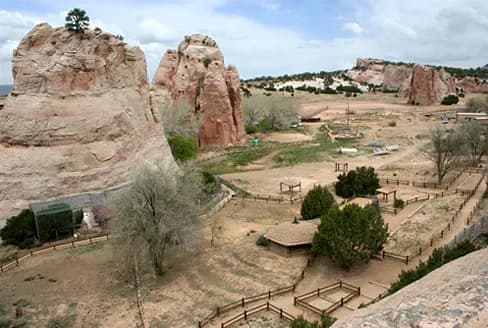
Navajo Nation Zoological and Botanical Park
Window Rock, AZ
Taken by Staff of the Navajo Nation Zoo · Public domain
- Admission
- Free
- Opened
- 1963
- Accreditation
- None listed
not accredited by the Association of Zoos and Aquariums
Everything below is directory information drawn from public sources and the zoo's own site.
Animals at Navajo Nation Zoological and Botanical Park
31 confirmedMammals11
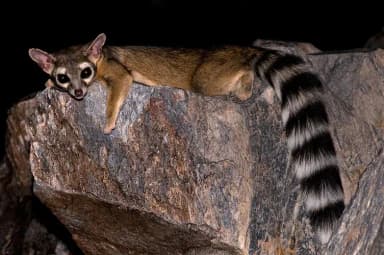 Robertbody at en.wikipedia · CC BY-SA 3.0
Ringtail
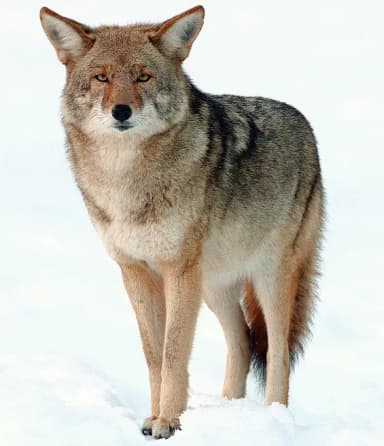 Yathin S Krishnappa · CC BY-SA 3.0
Coyote
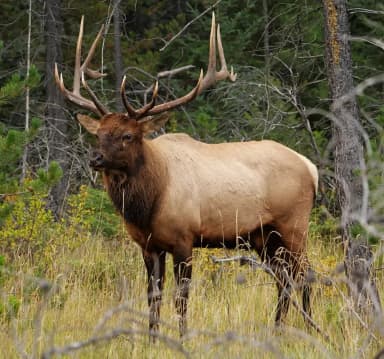 Membeth · CC0
Elk
 Becker1999 (Paul and Cathy) · CC BY 2.0
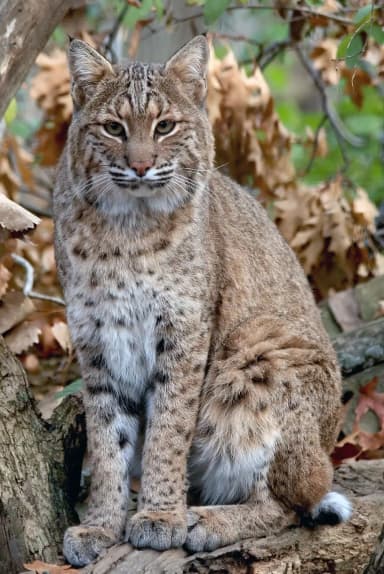
Bobcat
 USFWS Mountain Prairie · Public domain
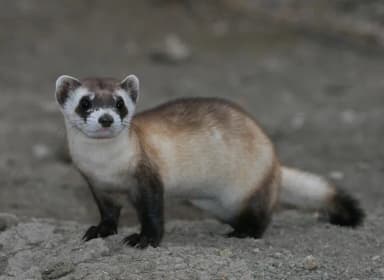
Black-footed Ferret
 Oregon Department of Fish & Wildlife · CC BY-SA 2.0
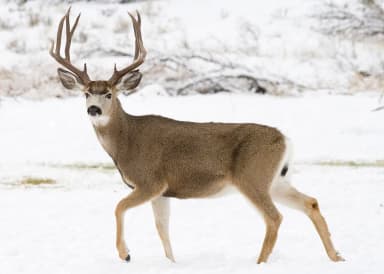
Mule Deer
 Rhododendrites · CC BY-SA 4.0
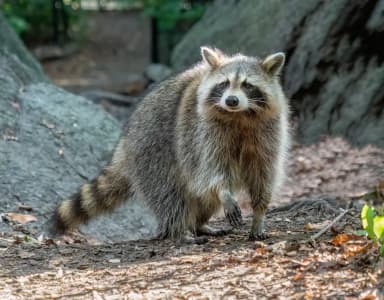
Raccoon
 National Park Service · Public domain
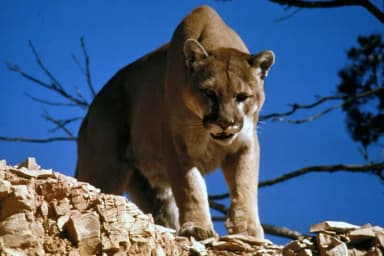
Cougar
 VJAnderson · CC BY-SA 4.0
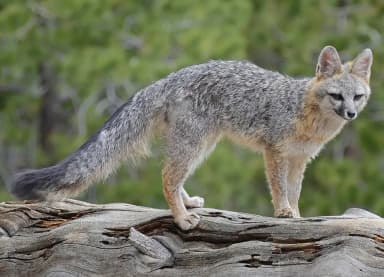
Gray Fox
 Charles J. Sharp · CC BY-SA 4.0
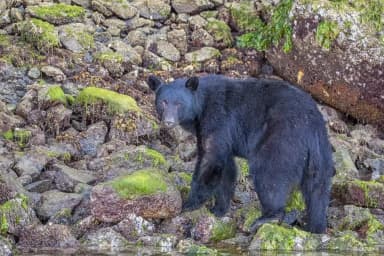
American Black Bear
 ClaudiaTen · CC BY-SA 4.0
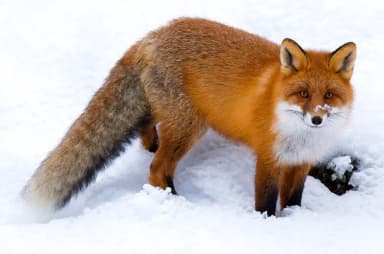
Red Fox
Birds8
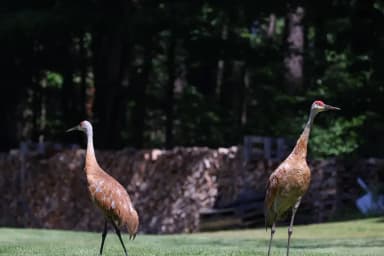 HappiestFish · CC BY 4.0
Sandhill Crane
 Giles Laurent · CC BY-SA 4.0
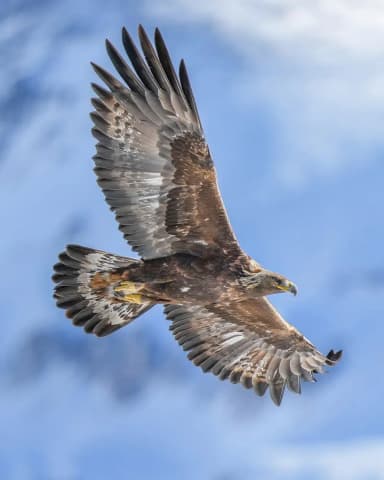
Golden Eagle
 Rhododendrites · CC BY-SA 4.0
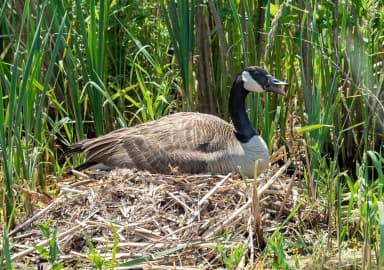
Canada Goose
 Greg Hume · CC BY-SA 3.0
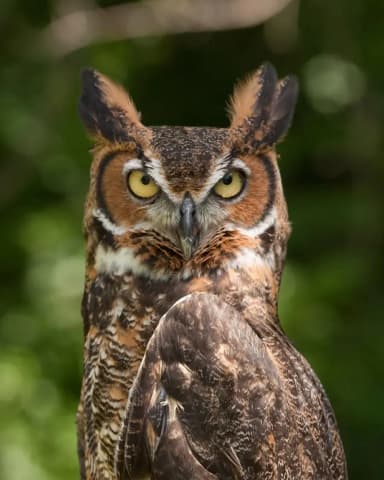
Great Horned Owl
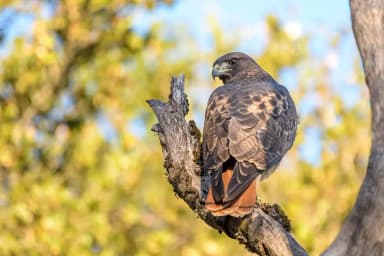 Becky Matsubara from El Sobrante, California · CC BY 2.0
Red-tailed Hawk
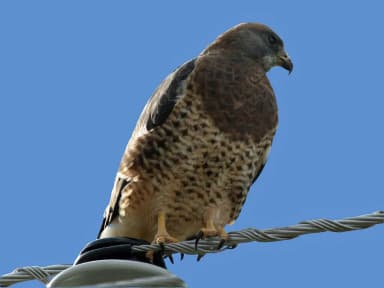 Dick Daniels · CC BY-SA 3.0
Swainson's Hawk
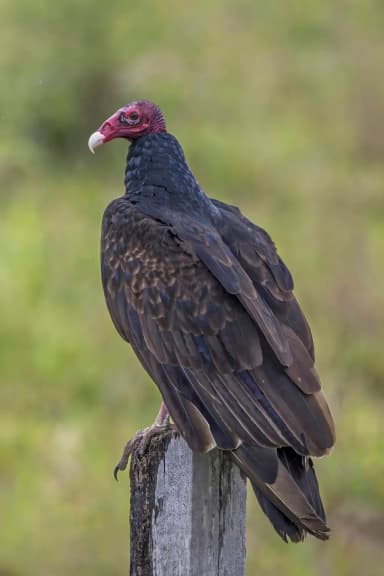 Charles J. Sharp · CC BY-SA 4.0
Turkey Vulture
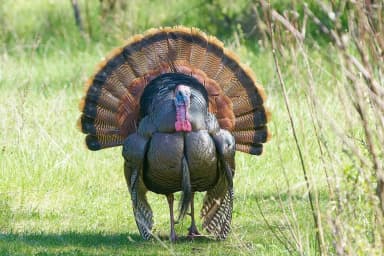 Paul Danese · CC BY-SA 4.0
Wild Turkey
Reptiles3
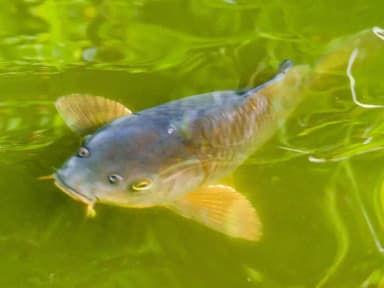
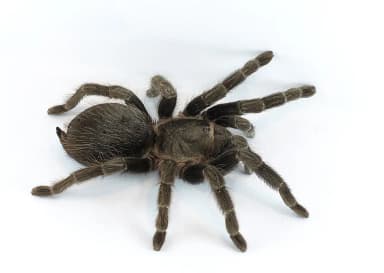
Feathers & Fangs from visitors
What people who've been to Navajo Nation Zoological and Botanical Park say
A Feather is something this zoo does well; a Fang is something it gets wrong. Left by people who've been, and read by us before they appear.
Loading…
About Navajo Nation Zoological and Botanical Park
The Navajo Nation Zoological and Botanical Park sits in Window Rock, Arizona, the capital of the Navajo Nation, near the Navajo Nation Museum. It is the only tribally owned zoological park in the United States and is notable for labeling its exhibits in the Navajo language. The zoo opened in 1963 and covers 14.7 acres, housing about 100 animals representing more than 50 species, and sees an estimated 45,000 visitors a year. It has operated under the Navajo Nation Department of Fish and Wildlife since September 2006, having previously been run by the Navajo Nation Parks and Recreation Department since its founding in the early 1960s.
The zoo's mission centers on preserving fauna and flora significant to Navajo culture and tradition, describing itself as "a Sanctuary for Nature and the Spirit." It houses primarily injured and orphaned native animals, runs cultural and educational programs with area schools, and regularly hosts ceremonies and offerings in keeping with Navajo tradition. Admission is free, and the facility is funded mainly by the Navajo Nation government on an annual budget of under $500,000, supplemented by donations, project sponsorships, and an animal adoption program.
History
The zoo's first specimen was a bear left behind after the 1963 Navajo Nation Fair by a state organization; it was named "Yogi the Bear" after the cartoon character of the era. In 1976, the zoo — then called the "Navajo Tribal Zoo" — relocated to its current site and became part of the Navajo Tribal Parks and Recreation system. It was reorganized under the Navajo Nation Department of Fish and Wildlife in September 2006. David Mikesic, a biologist who served the Navajo Nation as an endangered species field zoologist from 1994 to 2010, is the zoo's current director and curator; his predecessor, Matthew Holdgate, served as the first director under the Department of Fish and Wildlife from 2007 to 2010 and set the zoo on a course of modernization.
Beginning in 2008, the zoo's 30-year-old Discovery Center was renovated and redesigned to modern zoo standards, and now displays most of the park's invertebrates alongside a display of traditional Navajo stories about the animals. Other improvements in recent years include incorporating behavioral enrichment into daily activities, building permanent animal shades, enlarging the coyote and elk enclosures, adding wire mesh to exhibit renovations, constructing a quarantine and veterinary station, more exhibit signage, a paved parking lot, concrete sidewalks, additional seating, a covered event stage, and a 40-person octagonal pavilion for parties.
In January 1999, outgoing Navajo Nation president Milton Bluehouse ordered the zoo closed after two women from Rock Ridge said they had been visited by Diyin Dine'é, traditional Navajo deities, who warned that keeping caged bears, snakes, and eagles — considered sacred — went against Navajo tradition. His successor, Kelsey A. Begaye, received more public complaints and letters protesting the closure than about any other issue during his early days in office, and temporarily reversed the decision before convening the Navajo Nation's Hataałii Advisory Council to weigh in. The council postponed its advice, and opponents of the shutdown argued that most of the animals could not survive release into the wild and that the zoo offered younger generations a rare chance to encounter the sacred creatures central to traditional stories. On March 12, Begaye announced his decision to keep the zoo open without expanding it, allowing its remaining animals to live out their lives on the grounds.
Exhibits and habitats
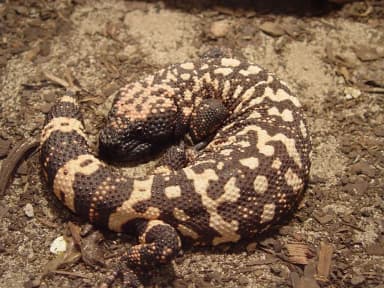
The zoo's Discovery Center, redesigned starting in 2008, displays the majority of the park's invertebrates alongside exhibits on traditional Navajo stories connected to the animals on view. Its wild-animal exhibits include black bear, bobcat, Mexican wolves, mule deer, elk, Gila monsters, coyotes, cougars, and red foxes, along with birds including wild turkey, cranes, golden eagles, red-tailed hawks, and great horned owls. The zoo has exhibited the federally endangered Mexican wolf since the early 1980s and is one of more than 20 facilities in the U.S. housing the federally endangered black-footed ferret. In keeping with Navajo tradition, none of the zoo's birds were captured specifically for exhibition; nearly all were rescued after injuries from vehicles or power lines left them unable to fly, and most other animals in the collection are similarly non-releasable due to being orphaned or confiscated as illegal pets.
The zoo's largest recent construction project is the Golden Eagle Sanctuary, built after years of lobbying for funding and a federal permit. Under the Bald and Golden Eagle Protection Act, feathers from eagles that die are normally collected by the federal government and distributed to tribal members only after a lengthy application process through a central repository in Colorado; a tribally operated eagle sanctuary is an exception to that process, allowing more direct distribution and reinforcing Navajo cultural sovereignty. In 2012, with support from the U.S. Fish and Wildlife Service, the Navajo Nation received permission to release naturally molted feathers from its four exhibited Golden Eagles to enrolled tribal members. Funding for a larger sanctuary came together in 2015 through the Navajo Nation Council, the Navajo Nation Department of Tourism, the U.S. Fish and Wildlife Service's Tribal Wildlife Grant Program, and nine other tribal and nongovernmental partners. The Navajo Nation Golden Eagle Sanctuary officially opened on July 1, 2016, with five non-releasable Golden Eagles; by 2018 it housed 10 eagles. The facility measures 80 feet by 50 feet with multiple perching areas and is permitted to house up to 25 Golden Eagles, serving as a permanent home for non-releasable birds, an exhibit for visitors, a site for eagle conservation education, and a legal source of molted feathers for Navajo and other Native American communities.
Animal highlights
The zoo lists at least 50 species on its website, comprising roughly 100 animals native to the Navajo Nation region. Its collection includes black bear, bobcat, Mexican wolves, mule deer, elk, Gila monsters, coyotes, cougars, red foxes, wild turkey, cranes, golden eagles, red-tailed hawks, and great horned owls, along with invertebrates displayed in the Discovery Center. In 2015, the zoo rehomed its three exhibit snakes for cultural reasons, and it does not exhibit species that hold no significance to Navajo culture or tradition, focusing instead on animals native to Navajoland.
Conservation and programs
The zoo's Golden Eagle Sanctuary functions as both an animal welfare project and a conservation education site, hosting non-releasable eagles while also serving as a lawful source of ceremonial feathers for Navajo people, reducing dependence on the slower federal feather-distribution process. The zoo has also exhibited the endangered Mexican wolf since the early 1980s and participates as one of more than 20 U.S. facilities housing the endangered black-footed ferret. Its animal adoption program lets the public sponsor individual animals for a fee, receiving a certificate and, for previously unadopted animals, the chance to give them a name — a practice that has produced names such as "Hunter" for the park's mountain lion, "Boomer" for the elk, and "Thor" for one of the golden eagles.
Planning your visit
Current hours and a phone number for the zoo were not available in the sources used for this page, but admission is free. The zoo covers a compact 14.7 acres near the Navajo Nation Museum in Window Rock, Arizona, making it a short visit compared to larger zoological parks. Visitor improvements noted in the sources include a paved parking lot, concrete sidewalks, and additional seating installed as part of the zoo's modernization since 2008. Because specific hours, ticket information, and accessibility details are not included in the available sources, check the official website before visiting to confirm current information.
What we haven't confirmed
Everything above came from public sources. These specifics we haven't stood behind yet:
- Current hours
- Parking details
- Phone number
- Accessibility information
- Time needed for a visit
- Annual visitor count beyond the historical estimate of about 45,000
Navajo Nation Zoological and Botanical Park compared with nearby zoos
How Navajo Nation Zoological and Botanical Park lines up against the closest zoos we have details for — useful if you're deciding between them for the same day out.
| Zoo | Distance | Admission | Hours | Size | AZA |
|---|---|---|---|---|---|
| Navajo Nation Zoological and Botanical ParkThis zooWindow Rock, AZ | — | Free | Mon–Sat 10:00 AM – 4:30 PM, and most major holidays. | — | No |
| ABQ BioPark ZooAlbuquerque, NM | 140 mi | $19.50 | Daily 9:00 AM – 5:00 PM; last entry 30 minutes before closing. Closed Jan 1, Thanksgiving, Dec 25. | 64 acres | Yes |
| Wildlife West Nature ParkEdgewood, NM | 165 mi | $12 | Summer hours (March 9 – November 1): 10:00 AM – 6:00 PM. Winter hours (November 2 – March 7): 12:00 PM – 4:00 PM. | 122 acres | No |
| BearizonaWilliams, AZ | 177 mi | $30 | Daily 9:00 AM; last car admitted 4:00 PM; closes 5:30 PM. | — | No |
Distances are straight-line. A dash means we haven't confirmed that detail yet, not that the zoo lacks it.
AZAThe Association of Zoos and Aquariums. Accredited members have passed an independent inspection of animal care and welfare, safety, conservation and education, repeated every five years. Many smaller facilities never apply, so “not accredited” isn't a verdict on its own. What accreditation means · How we check this
Navajo Nation Zoological and Botanical Park: common questions
Is the Navajo Nation Zoo the only tribally owned zoo in the U.S.?
Yes, it is described as the only tribally owned zoological park in the country.
How big is the zoo, and how many animals does it have?
It covers 14.7 acres and houses about 100 animals representing more than 50 species.
When did the zoo open?
It traces its start to 1963, when its first animal, a bear named Yogi, arrived after the Navajo Nation Fair.
Is admission free?
Yes, admission to the zoo is free.
What makes this zoo different from other zoos?
It labels its exhibits in the Navajo language and focuses specifically on animals significant to Navajo culture, most of them non-releasable due to injury or having been orphaned.
Something wrong here? Tell us — we correct in place, with a dated note.