
- Admission
- $18
- Opened
- 1991
- Accreditation
- None listed
not accredited by the Association of Zoos and Aquariums
Everything below is directory information drawn from public sources and the zoo's own site.
Animals at Cat Tales Zoological Park
13 confirmedMammals13
 Yathin S Krishnappa · CC BY-SA 3.0
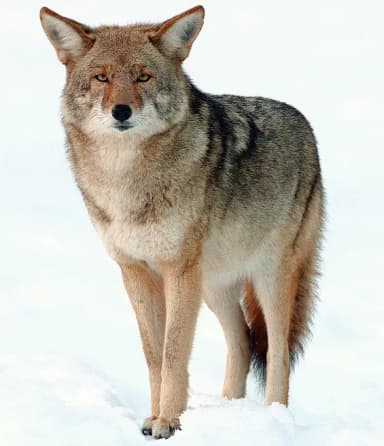
Coyote
 Diego Delso · CC BY-SA 4.0
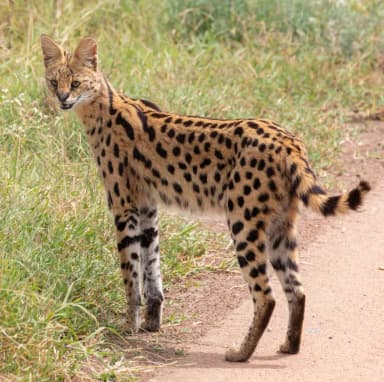
Serval
 Michael Zahra · CC BY-SA 3.0
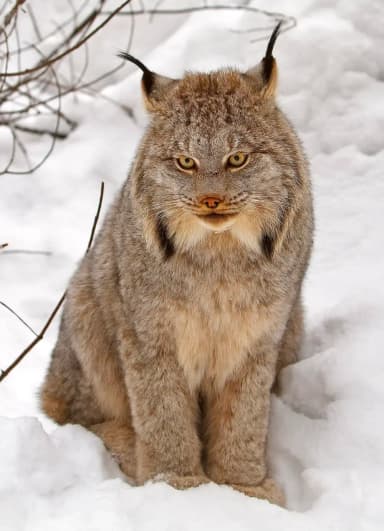
Canada Lynx
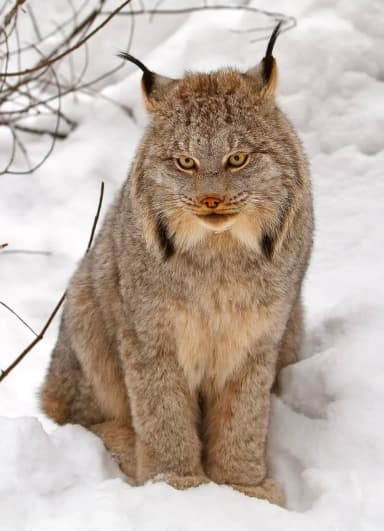 Michael Zahra · CC BY-SA 3.0
Lynx
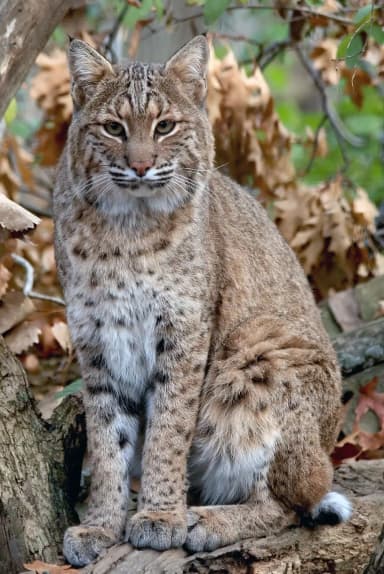 Becker1999 (Paul and Cathy) · CC BY 2.0
Bobcat
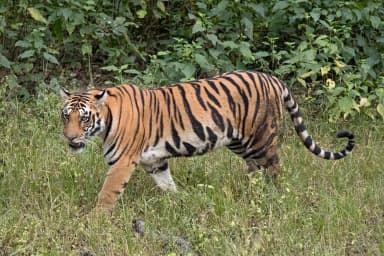 Charles J. Sharp · CC BY-SA 4.0
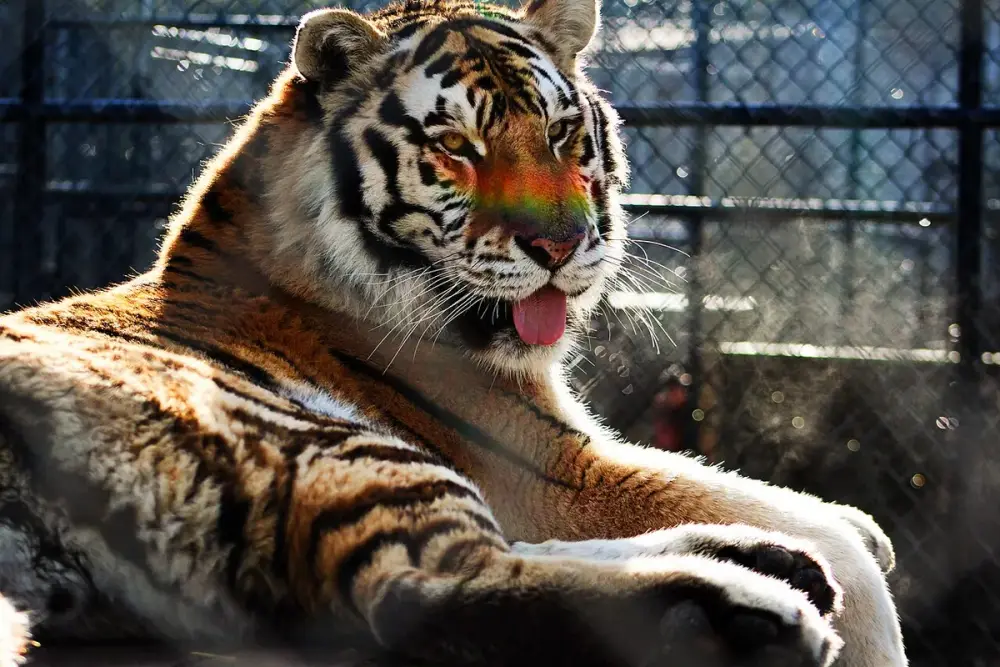
Amur tiger
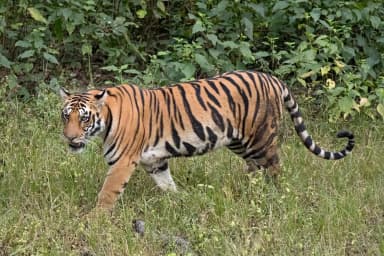 Charles J. Sharp · CC BY-SA 4.0
Tiger
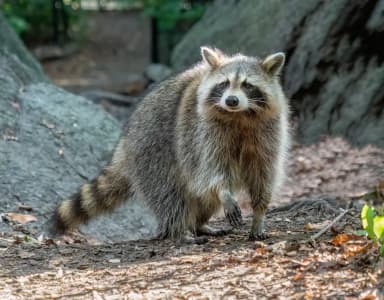 Rhododendrites · CC BY-SA 4.0
Raccoon
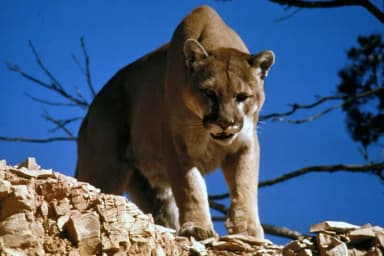 National Park Service · Public domain
Cougar
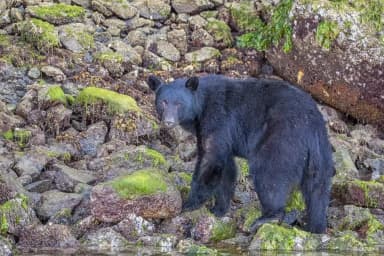 Charles J. Sharp · CC BY-SA 4.0
American Black Bear
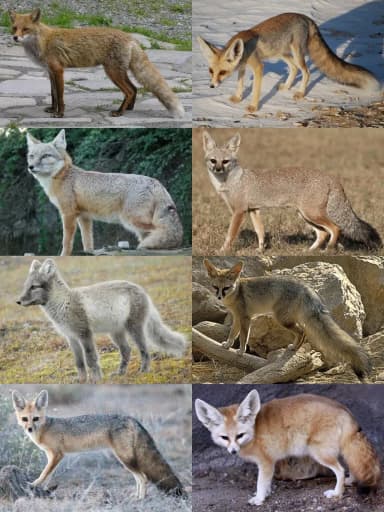 菅野温泉(かんのおんせん)玄関のキタキツネP6270365.jpg : Snake Head 1995 Rüppell's_fox.jpg : HelmutBoehm Vulpes corsac 2010.JPG : 4028mdk09 A · CC BY 2.0
Fox
Feathers & Fangs from visitors
What people who've been to Cat Tales Zoological Park say
A Feather is something this zoo does well; a Fang is something it gets wrong. Left by people who've been, and read by us before they appear.
Loading…
About Cat Tales Zoological Park
Cat Tales Zoological Park, now also known as Cat Tales Wildlife Center, is a privately owned facility in Mead, Washington, just north of Spokane. It began in October 1990 when Mike Wyche, then a graphic designer, and his wife Debbie, a zookeeper and wildlife photographer, decided to convert the backyard of their Colbert, Washington home into a home for four big cats. They spent about $10,000 installing cages and additional buildings, and the zoo officially opened to the public in the summer of 1991, with visitors signing waivers before being invited into the house itself. Weekend public tours started that November.
The zoo is not accredited by the Association of Zoos and Aquariums. It is funded through admissions, donations, and its zookeeper-training program, and has received support over the years from tennis player Jan-Michael Gambill. More than 30 animals currently live on site, according to the zoo, and at least 13 species are listed on its website, a floor rather than a full accounting.
In recent years, Cat Tales has shifted its public identity from "zoo" toward "sanctuary," emphasizing that its animals arrive through private surrenders rather than breeding or capture from the wild. Many residents are former pets, entertainment animals, or orphans that cannot be released, and the zoo says each is treated as an individual with its own history and needs rather than as an exhibit. The facility is organized around close, protected-contact wildlife viewing, a teaching zoo curriculum for students, and public education about the risks of keeping exotic animals as pets.
History
Cat Tales' name is an acronym the founders chose for "Care About Them, Tell About the Lord's Endangered Species." The first summer of operation was modest: tours started and ended inside the Wyches' house, the gift shop occupied half of their living room, and visitors parked in what had been the front yard. By the end of the summer of 1992 the collection had grown to two tigers, five pumas, a serval, two bobcats, and two lynx. By spring 1993 it included three leopards, a clouded leopard, three tigers, four pumas, a serval, two lions, two bobcats, two lynx, two kinkajous, an agouti, and three prairie dogs, though the non-feline animals were later placed in other facilities.
Attendance and staffing grew through the 1990s. During the 1998-99 school year, the zoo's outreach programs and on-site tours hosted thousands of students from kindergarten through adulthood, and the facility became a popular field-trip stop as the older Walk in the Wild zoo in the area declined. By spring 2005, Cat Tales was feeding roughly 14,000 pounds of food a month to 42 big cats, two bears, parrots, reptiles, and a petting zoo of rescued domestic animals. By 2016 the park's collection stood at 36 big cats, including lions, tigers, leopards, pumas, and bobcats, along with two black bears.
The zoo's early years also brought legal trouble: Mike Wyche pleaded guilty in 1994 to a federal charge connected to keeping a cougar in violation of a state Department of Fish and Wildlife order and to making false statements about where the zoo's cats had come from. In 2004, a South Korean actress sued the zoo, saying she had been bitten and scratched by a tiger named Zeus in 2003; the zoo said she had signed a waiver and provoked the animal, and the lawsuit was withdrawn later that year. Mike Wyche died in August 2019 after a long illness; Debbie Wyche said afterward that she hoped to see the zoo continue for another 30 years, and their daughter Lisa and her family have carried the operation forward.
Exhibits and habitats
Cat Tales is built around close-range, protected-contact viewing rather than large mixed-species landscapes. Some habitats allow guests to observe animals from as near as roughly 15 feet away. Consistent with its shift toward describing itself as a sanctuary, the zoo says animals can choose whether to be visible to guests or retreat to private spaces designed for their own sense of safety.
The Cat Tales Wildlife Academy runs alongside the public zoo as a licensed training program. Its certification track pairs students with staff for hands-on work in animal care, protected-contact safety, enrichment, and habitat maintenance. The zoo also offers internships for students in biology, zoology, wildlife management, and veterinary-related fields, along with volunteer roles supporting animal care and guest experiences.
For general visitors, the zoo offers a self-guided audio tour, available in both English and Spanish, that covers individual animal stories and the sanctuary's mission. Daily feeding presentations and seasonal enrichment activities are part of the standard visit, and the zoo periodically runs more personalized animal encounters and experiences, availability of which depends on the season, staffing, weather, and each animal's willingness to participate.
Animal highlights
At least 13 species are listed on Cat Tales' website, a floor rather than a complete count, and the zoo says more than 30 individual animals live on site. The collection centers on big cats, including Amur and Bengal tigers, pumas, servals, bobcats, and Canada lynx, alongside black bears, coyotes, foxes, raccoons, and a wolfdog. According to the zoo, nearly all of its animals arrived through private surrenders: former pets, retired performers, or orphaned wildlife unable to return to the wild.
The zoo introduces some individual residents by name in its materials, including two pumas, Hope and Jackson, each turning 7 this September, according to the zoo, and a rescued black bear that the zoo presents as a reminder of the balance between people and native wildlife. Animal participation in feeding or encounter programs is described as voluntary and dependent on each individual's mood, the weather, and the season.
Conservation and programs
Cat Tales does not describe participation in AZA Species Survival Plans, but it runs several education-focused programs of its own. The Wildlife Academy offers a certification track in zookeeping and wildlife management, and the zoo hosts school field trips, guided tours, workshops, and continuing-education sessions for working professionals, in partnership with schools and colleges. It also publishes material cautioning the public against buying, adopting, or rescuing wild animals to keep as pets, pointing out that videos of raccoons, foxes, or bobcats can make wild animals appear more suitable as pets than they are.
According to the zoo, it has provided lifelong homes to more than 200 rescued and non-releasable animals since its founding and has trained hundreds of aspiring wildlife professionals. In 2025, Cat Tales also took part in a wildfire-preparedness program.
Planning your visit
As listed on the zoo's website, Cat Tales is open Tuesday through Sunday, 10 a.m. to 5 p.m. Hours and pricing can change, so confirm them on the official site before visiting.
- Admission as listed on the site: adults $18, students ages 13-22 with ID $15, children ages 5-12 $12, with children under 5 and seniors 65 and older admitted free; discounts are also offered for military and first responders.
- Tickets can be bought at the entrance booth or online, though online purchases carry an added fee. An annual pass is available for unlimited visits.
- Free on-site parking is available.
- Pathways are gravel and hard-packed; the zoo says many areas accommodate strollers and mobility devices, though uneven terrain and seasonal weather can affect ease of travel in some spots.
- Pets are not permitted, but trained service animals are welcome under ADA guidelines; because of the facility's close-viewing layout and narrow, looping pathways, the zoo asks guests bringing a service animal to contact staff beforehand.
- Outside food and drinks are allowed in designated guest areas, and a gift shop and refreshments are on site. Smoking, vaping, and outside alcohol are not permitted anywhere on the grounds.
- The zoo recommends arriving at least 30 minutes before closing and notes that animals tend to be most active in summer at opening and again in the late afternoon.
Confirm current hours, ticket prices, and any seasonal changes on Cat Tales' official website before your visit.
What we haven't confirmed
Everything above came from public sources. These specifics we haven't stood behind yet:
- Total acreage of the property
- Exact number of species beyond the published floor of 13
- Current adult, student, and group ticket prices
- Time needed for a typical visit
- Phone number for tickets and group reservations
Cat Tales Zoological Park compared with nearby zoos
How Cat Tales Zoological Park lines up against the closest zoos we have details for — useful if you're deciding between them for the same day out.
| Zoo | Distance | Admission | Hours | Size | AZA |
|---|---|---|---|---|---|
| Cat Tales Zoological ParkThis zooSpokane, WA | — | $18 | 10:00 AM – 5:00 PM | — | No |
| Cougar Mountain ZooIssaquah, WA | 221 mi | $18 | 9:30AM – 5:00PM | 11 acres | No |
| Woodland Park ZooSeattle, WA | 233 mi | — | Daily 9:30 AM – 4:00 PM (Sep 8, 2026 – Apr 30, 2027). Closed Christmas Day; closed Sat Oct 3, 2026 for OktoBEARfest (21+ event). | — | Yes |
| Northwest TrekEatonville, WA | 238 mi | $25–$32 | — | 723 acres | Yes |
Distances are straight-line. A dash means we haven't confirmed that detail yet, not that the zoo lacks it.
AZAThe Association of Zoos and Aquariums. Accredited members have passed an independent inspection of animal care and welfare, safety, conservation and education, repeated every five years. Many smaller facilities never apply, so “not accredited” isn't a verdict on its own. What accreditation means · How we check this
Cat Tales Zoological Park: common questions
Is Cat Tales accredited by the AZA?
No. It is not accredited by the Association of Zoos and Aquariums; it operates as a privately owned, nonprofit wildlife sanctuary and teaching zoo.
When did Cat Tales open?
It began in the founders' backyard in 1990 and opened for public tours in the summer of 1991.
How many species can visitors see?
At least 13 species are listed on the zoo's website, with more than 30 individual animals on site, according to Cat Tales.
Is there parking?
Yes. Free on-site parking is available for all guests.
Is Cat Tales stroller and wheelchair accessible?
Many areas are accessible to strollers and mobility devices over gravel and hard-packed pathways, though the zoo notes that uneven terrain and weather can affect travel in some locations.
Is food available on site?
Outside food and drinks are welcome in designated guest areas, and there is a gift shop with refreshments.
Can visitors get close to the animals?
Yes. Some habitats allow viewing from about 15 feet away, and the zoo offers feeding and educational encounters depending on the day, season, and each animal's willingness to participate.
Something wrong here? Tell us — we correct in place, with a dated note.