
- Admission
- $12.95
- Size
- 33 acres
- Animals
- 400
- Opened
- 1926
- Accreditation
- AZA
Association of Zoos and Aquariums
Everything below is directory information drawn from public sources and the zoo's own site.
Animals at Little Rock Zoo
23 of the ~200 species this zoo listsThis is a partial list — we only show species we've confirmed against the zoo's own pages, and their full collection is considerably larger.
Mammals18
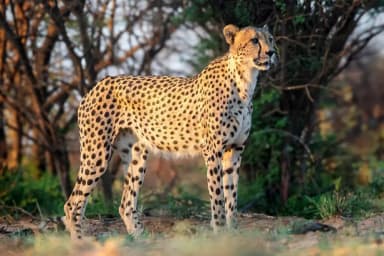 AfricanConservation · CC BY-SA 4.0
Cheetah
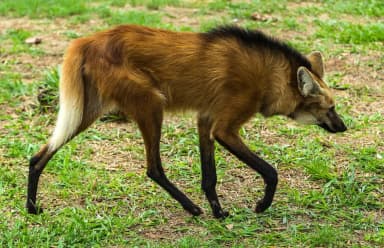 Jonathan Wilkins · CC BY-SA 3.0
Maned Wolf
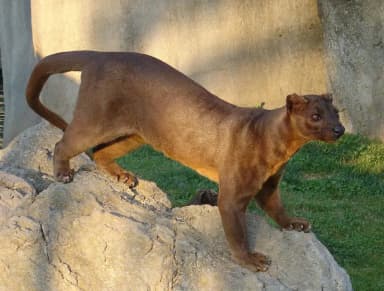 Ran Kirlian · CC BY-SA 4.0
Fossa
 AfricanConservation · CC BY-SA 4.0
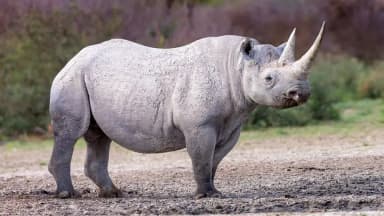
Black Rhinoceros
 Yathin S Krishnappa · CC BY-SA 3.0
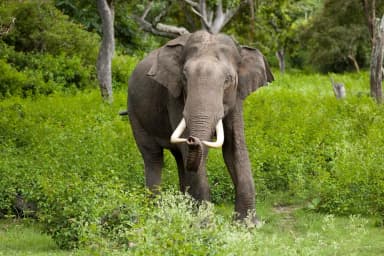
Asian Elephant
 Daniella Maraschiello · CC BY-SA 4.0
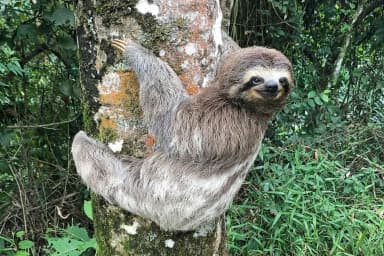
Sloth
 JJ Harrison ( jjharrison89@facebook.com ) · CC BY 3.0
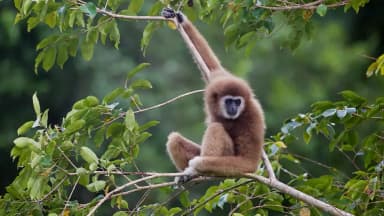
Gibbon
 Charles J. Sharp · CC BY-SA 4.0
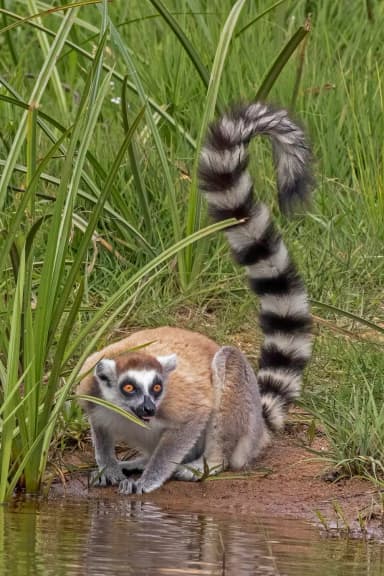
Ring-tailed Lemur
 Bernard Landgraf · CC BY-SA 3.0
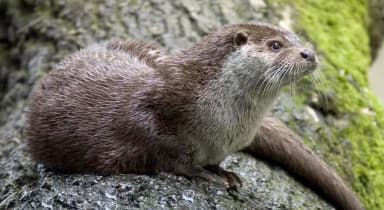
Otter
 Malene Thyssen · CC BY-SA 3.0
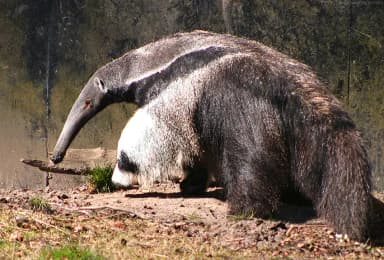
Giant Anteater
 Karelj · CC BY-SA 3.0
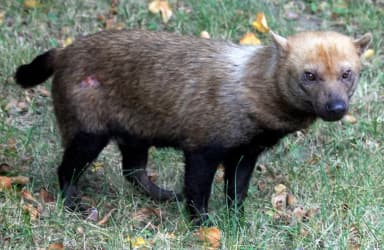
Bush Dog
 KKPCW · CC BY-SA 4.0
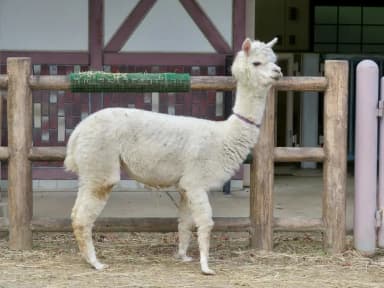
Alpaca
 菅野温泉(かんのおんせん)玄関のキタキツネP6270365.jpg : Snake Head 1995 Rüppell's_fox.jpg : HelmutBoehm Vulpes corsac 2010.JPG : 4028mdk09 A · CC BY 2.0
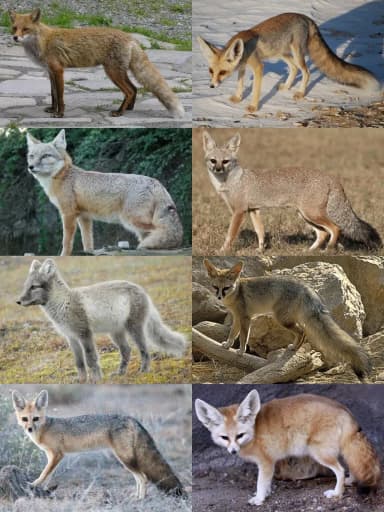
Fox
Feathers & Fangs from visitors
What people who've been to Little Rock Zoo say
A Feather is something this zoo does well; a Fang is something it gets wrong. Left by people who've been, and read by us before they appear.
Loading…
About Little Rock Zoo
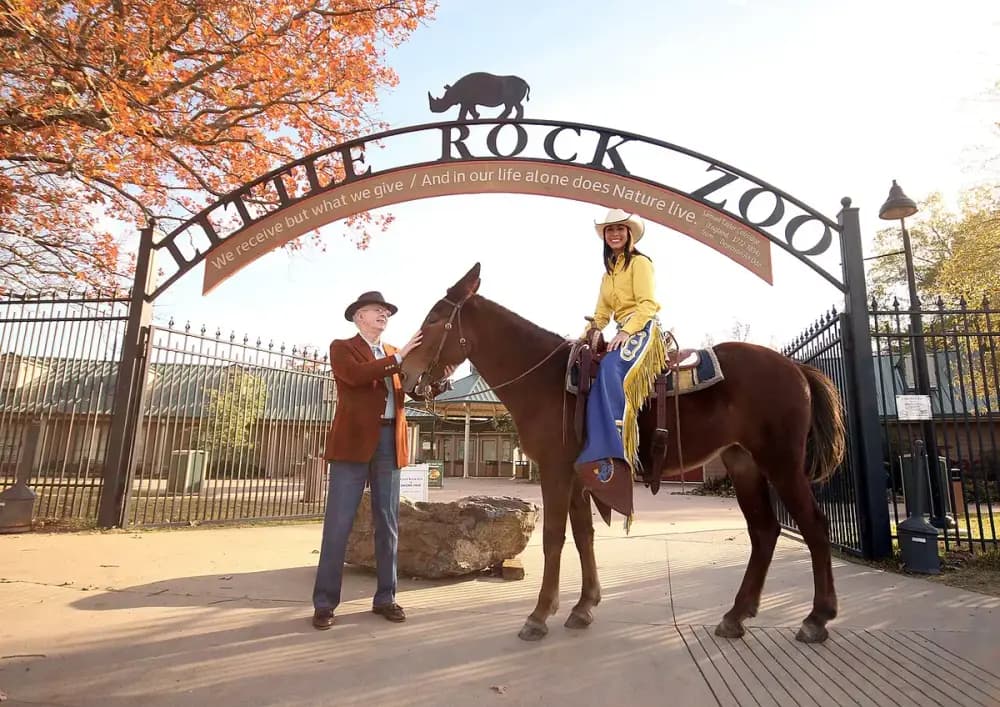
Little Rock Zoo sits on 33 acres at 1 Zoo Drive in Little Rock, Arkansas. According to the zoo's own history page, wildlife first came to Arkansas through the zoo in 1924, though the zoo's founding is dated to 1926. It is Arkansas's only zoo accredited by the Association of Zoos and Aquariums, and it is home to over 400 animals representing more than 100 species, spanning mammals, birds, reptiles, fish, and invertebrates.
The zoo's stated mission is "to inspire people to value and conserve our natural world," and its published Master Plan sets out a vision for the zoo's future growth. Several of the zoo's historic buildings date to the 1930s, when they were constructed under Works Progress Administration contracts, and the zoo has continued to add and renovate exhibits in the decades since, including a current entry plaza construction project.
History
Little Rock Zoo dates its origins to 1924, when it first brought wildlife to Arkansas; the zoo itself was established in 1926. Several of its most distinctive buildings were constructed in the 1930s through the Works Progress Administration, including the original Cat House — now Café Africa — the Elephant House, which originally served as a concession stand, and the Reptile & Tropical Bird House, which originally housed primates. These structures were built in a Mixed Masonry style using native Arkansas stone, the work of Silas Owens Sr., an African American stonemason, carpenter, and farmer from Faulkner County who played a central role in constructing several of the zoo's landmark 1930s buildings.
The former Cat House, which held lions, tigers, and jaguars for decades, was later converted into Café Africa; visitors dining there today can still see remnants of the original big cat enclosures on the patio, along with a mural of K.C., one of the last lions to live in the building. In recent years the zoo has undertaken a construction project around its entry plaza as part of what it describes as an ongoing effort to build "the future of your Little Rock Zoo."
Exhibits and habitats
The zoo's great ape habitats include enclosures for orangutans, chimpanzees, and gorillas, reachable through an entrance next to the orangutan habitat even during construction periods. The zoo's Lemur habitat has been temporarily relocated during an exhibit update; the lemurs are kept separate from the zoo's Colobus Monkeys but may be visible near them, particularly in the afternoons.
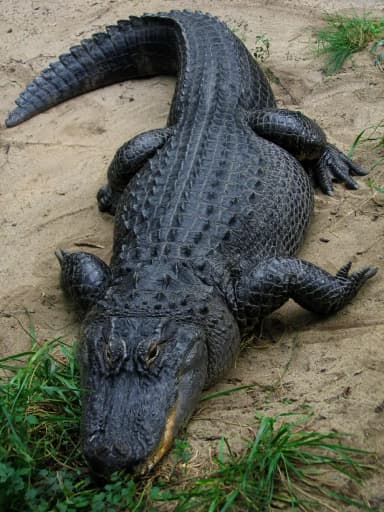
Café Africa, in the former Cat House, gives diners a view of the elephant yard while they eat, and the building itself functions as a small historical exhibit thanks to its WPA-era construction and surviving enclosure features. The Arkansas Diamond Express Train and the Reptile & Tropical Bird House are also part of the zoo's on-site attractions. The zoo's broader collection includes big cats such as the cheetah, hoofstock including Grant's zebra and various antelope, an Asian elephant, and a black rhinoceros, along with primates, small carnivores such as the maned wolf, bush dog, and fossa, and reptiles including alligators and the eastern collared lizard.
Animal highlights
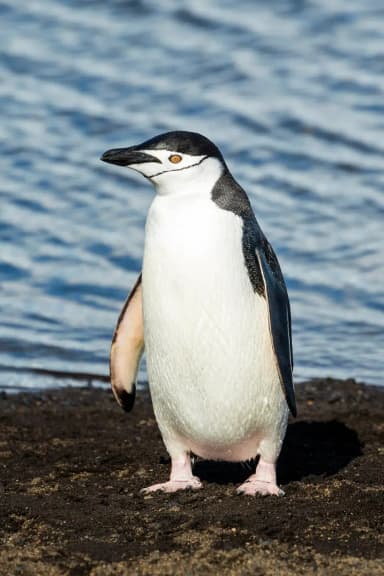
The zoo lists at least 23 species on its website, part of a broader collection it describes as more than 400 animals representing over 100 species. Featured animals include the Asian elephant, black rhinoceros, cheetah, Grant's zebra, and a range of primates such as gibbons and lemurs, alongside South American species like the maned wolf, bush dog, and fossa. Smaller residents include penguins, otters, sloths, and several reptile species, including alligators and the eastern collared lizard, an Arkansas native the zoo has bred successfully as part of a habitat restoration partnership.
Conservation and programs
As Arkansas's only AZA-accredited zoo, Little Rock Zoo describes conservation as central to its mission, organized around five priorities: protecting wild places and species within Arkansas, partnering globally with field conservation organizations and AZA SAFE programs, communicating its conservation work clearly, engaging the local community in conservation actions, and modeling resource conservation through its own sustainability practices.
The zoo maintains long-term partnerships focused on Asian elephant conservation in line with AZA standards, and it leads the AZA Saving Animals From Extinction (SAFE) Sloth Bear program while supporting other SAFE initiatives. It participates in Species Survival Plans including those for tigers and jaguars, and reviews Taxon Advisory Group Regional Collection Plans to identify further conservation opportunities. Tiered funding partnerships support groups such as the International Rhino Foundation, the International Elephant Foundation, Turpentine Creek Wildlife Refuge, and a Giant Anteater Conservation Program, among others. Locally, the zoo runs an Eastern Collared Lizard Conservation program built on habitat restoration and captive breeding, and it hosts quarterly recycling events, including a program that accepts old cell phones.
Planning your visit
As listed on the zoo's website, Little Rock Zoo grounds close at 4 p.m., with gates closing at 3:30 p.m.; the zoo is open daily, rain or shine, except on Thanksgiving, Christmas, and New Year's Day. Most families spend about two to three hours at the zoo, though some visitors take a quicker 90-minute walk and others stay several hours.
Parking is located directly across from the zoo and costs $3 per vehicle, with proceeds supporting conservation efforts; zoo members park free. Admission discounts include a reduced rate of $10.95 for seniors 60 and older and military members with valid ID, and up to six people can receive reduced admission through a group rate; SNAP/EBT cardholders can also receive a discount, limited to six tickets per card with a matching state ID. Tickets can be purchased online up to a month in advance, with a $3 online processing fee, or at the gate; online purchases are non-refundable and rain checks are not offered.
Café Africa serves food daily from 10 a.m. to 3 p.m., and additional carts and a gift shop are located around the grounds. The zoo offers wheelchair-accessible paths throughout, though some areas are steep, and wheelchairs and electric scooters are available to rent at the Safari Trader Gift Shop on a first-come, first-served basis; devices must be returned by 4 p.m. The zoo is a KultureCity-certified Sensory Inclusive facility and offers sensory bags with noise-canceling headphones, fidget tools, and verbal cue cards, available for borrowing at the ticket booth. Outside food, drinks, balloons, and ice chests are not permitted inside the zoo, and pets are not allowed, though trained service animals as defined by the ADA are welcome, with some restricted areas such as the Cheetah Outpost viewing decks and windows for lions, orangutans, and gorillas.
Note that entry plaza construction is currently underway, so some areas may look different than expected; the zoo says it remains fully open with plenty to see. Check the official website for current hours, admission prices, and any construction-related changes before you visit.
What we haven't confirmed
Everything above came from public sources. These specifics we haven't stood behind yet:
- Standard adult and child admission prices
- Total published species count (the zoo's figures range from 23 listed to over 100 described)
- Annual visitor numbers
- Current status of construction-affected areas
- Phone number for general inquiries beyond guest services
Little Rock Zoo compared with nearby zoos
How Little Rock Zoo lines up against the closest zoos we have details for — useful if you're deciding between them for the same day out.
| Zoo | Distance | Admission | Hours | Size | AZA |
|---|---|---|---|---|---|
| Little Rock ZooThis zooLittle Rock, AR | — | $12.95 | 9:00 AM – 4:00 PM | 33 acres | Yes |
| Arkansas Alligator Farm and Petting ZooHot Springs, AR | 45 mi | $14 | Daily 10:00 AM – 5:00 PM (Spring/Summer 2026 hours). | — | No |
| Memphis ZooMemphis, TN | 135 mi | $20.95–$30.95 | 9:00 AM – 5:00 PM (last admission 4:00 PM). On public Lantern Festival nights the zoo closes at 4:00 PM (last entry 3:00 PM). | 76 acres | Yes |
| Branson's Wild WorldBranson, MO | 141 mi | $24.95 | Open 10:00 AM – 5:00 PM (last ticket sold 4:00 PM). Closed Christmas Day. | — | No |
Distances are straight-line. A dash means we haven't confirmed that detail yet, not that the zoo lacks it.
AZAThe Association of Zoos and Aquariums. Accredited members have passed an independent inspection of animal care and welfare, safety, conservation and education, repeated every five years. Many smaller facilities never apply, so “not accredited” isn't a verdict on its own. What accreditation means · How we check this
Little Rock Zoo: common questions
Is Little Rock Zoo AZA accredited?
Yes, it is Arkansas's only zoo accredited by the Association of Zoos and Aquariums.
When did the zoo open?
Wildlife first came to Arkansas through the zoo in 1924, and the zoo itself is dated to 1926.
How big is the zoo, and how many animals live there?
The zoo covers 33 acres and is home to more than 400 animals representing over 100 species.
How long does it take to visit?
Most families spend about two to three hours, though visits can run from about 90 minutes to several hours.
Where is parking, and what does it cost?
Parking is located directly across from the zoo and costs $3 per vehicle; zoo members park free.
Is the zoo wheelchair and stroller accessible?
Yes, with wheelchair-accessible paths throughout, though some areas are steep; wheelchairs and electric scooters can be rented at the Safari Trader Gift Shop.
Is there food inside the zoo?
Yes, Café Africa is open daily from 10 a.m. to 3 p.m., with additional carts and a gift shop around the grounds.
Something wrong here? Tell us — we correct in place, with a dated note.