
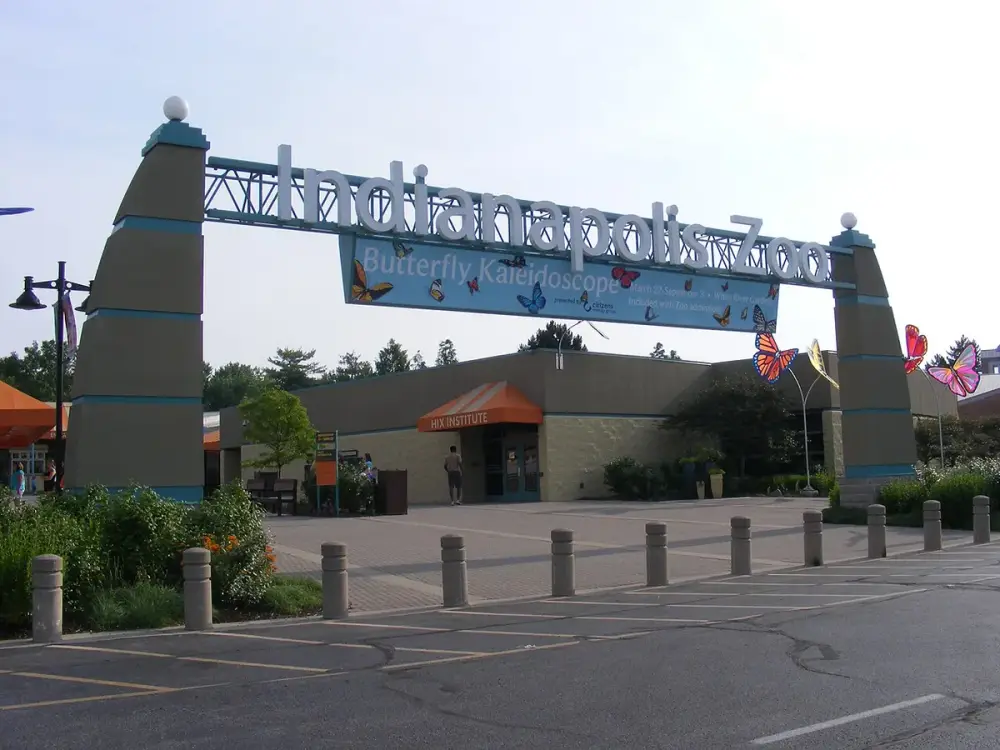
- Admission
- $25.75–$35.75
- Size
- 93 acres
- Animals
- 1,400
- Opened
- 1964
- Accreditation
- AZA
set by date and demand
Association of Zoos and Aquariums
Everything below is directory information drawn from public sources and the zoo's own site.
Animals at Indianapolis Zoo
72 of the ~235 species this zoo listsThis is a partial list — we only show species we've confirmed against the zoo's own pages, and their full collection is considerably larger.
Mammals28
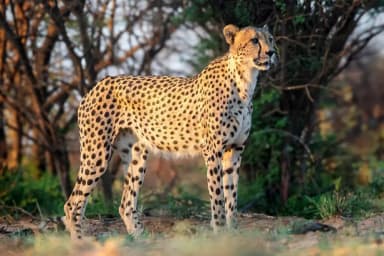 AfricanConservation · CC BY-SA 4.0
Cheetah
 Sunuwargr · CC BY-SA 4.0
Red panda
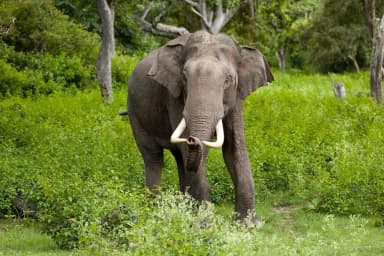 Yathin S Krishnappa · CC BY-SA 3.0
Elephant
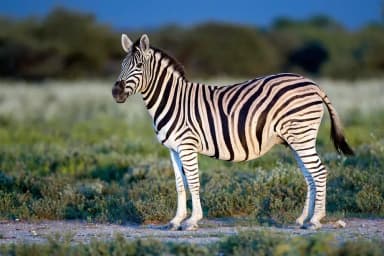 Yathin S Krishnappa · CC BY-SA 3.0
Zebra
 Payman sazesh · CC BY-SA 3.0
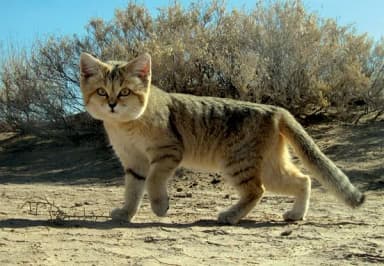
Sand Cat
 Thomas Fuhrmann · CC BY-SA 4.0
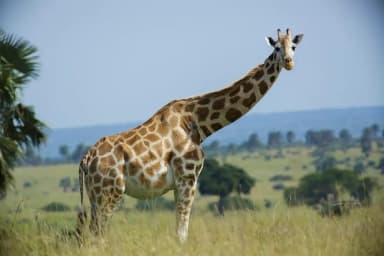
Giraffe
 Giles Laurent · CC BY-SA 4.0
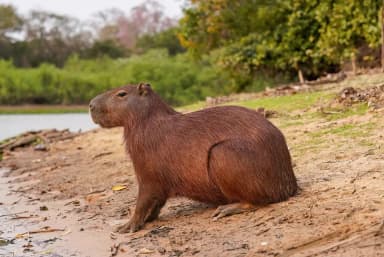
Capybara
 JJ Harrison ( jjharrison89@facebook.com ) · CC BY 3.0
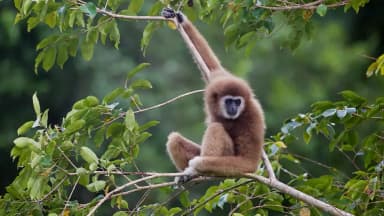
Gibbon
 Liné1 · CC BY-SA 3.0
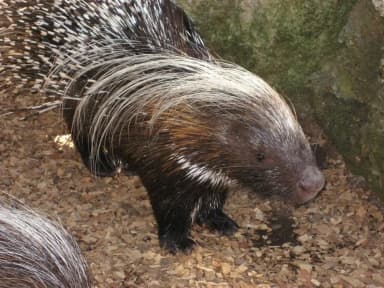
Porcupine
 John Torcasio · CC BY-SA 4.0
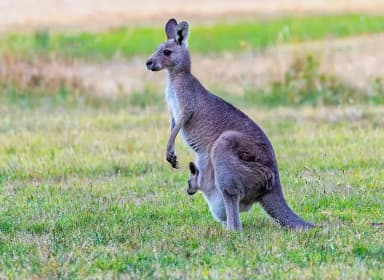
Kangaroo
 User Bmh ca on en.wikipedia · CC BY-SA 3.0
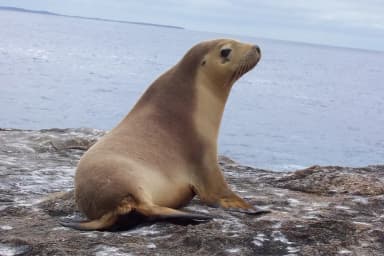
Sea Lion
 Giles Laurent · CC BY-SA 4.0
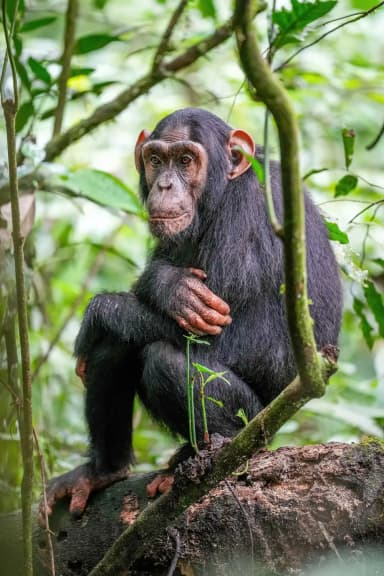
Chimpanzee
 Giles Laurent · CC BY-SA 4.0
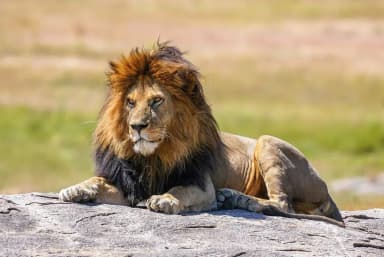
Lion
 Charles J. Sharp · CC BY-SA 4.0
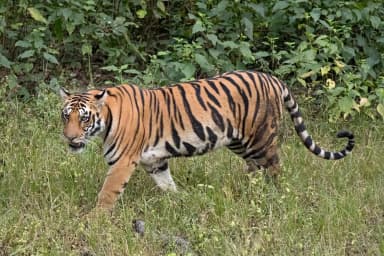
Tiger
 Charles J. Sharp · CC BY-SA 4.0
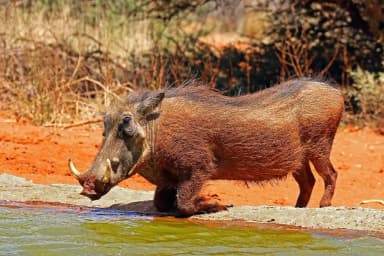
Warthog
 Nanosanchez · CC BY-SA 4.0
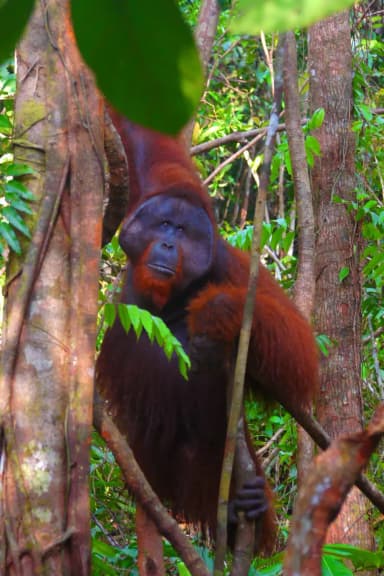
Orangutan
 Giles Laurent · CC BY-SA 4.0
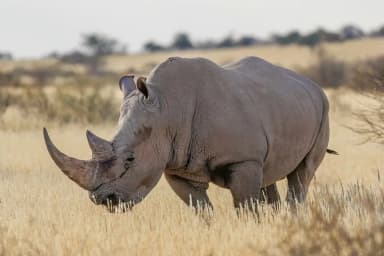
Rhinoceros
 Charles J. Sharp · CC BY-SA 4.0
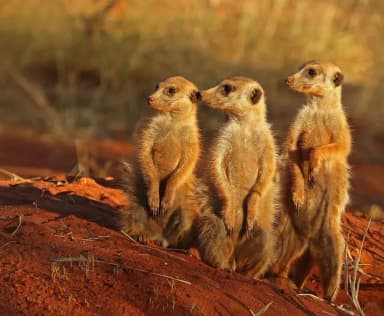
Meerkat
 Yathin S Krishnappa · CC BY-SA 3.0
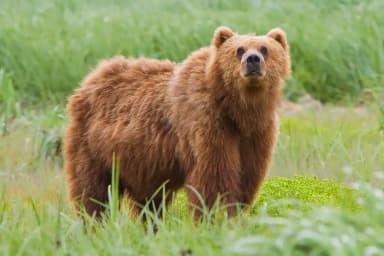
Brown Bear
 Jonatan Pie ( unsplash.com/@r3dmax ) · CC0
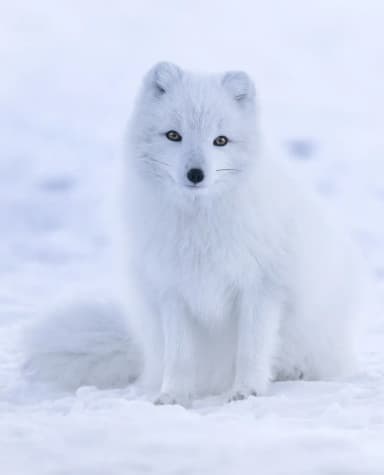
Arctic Fox
Birds17
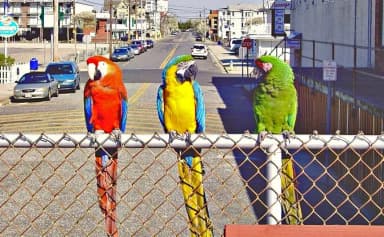 LancerEvolution ; from New Jersey, United States (USA) · CC BY 2.0
Macaw
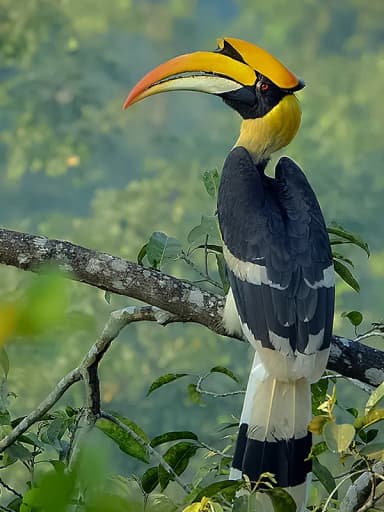 Shantanu Kuveskar · CC BY-SA 4.0
Hornbill
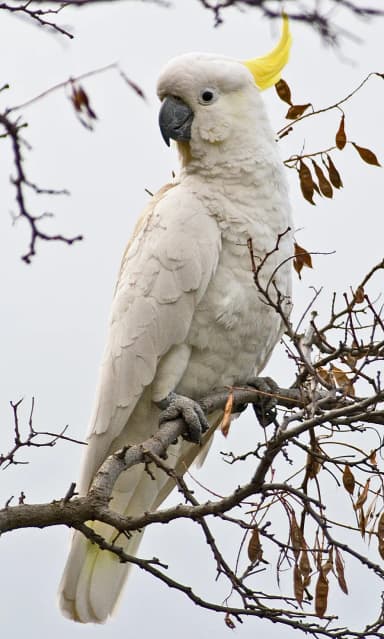 JJ Harrison · CC BY-SA 3.0
Cockatoo
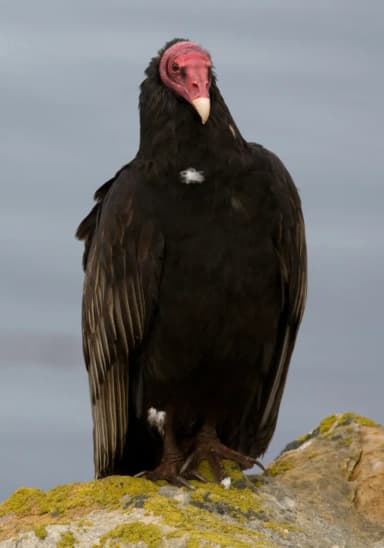 This illustration was made by Samuel Blanc . If you plan on using it, an email to samuel @ sblanc.com would be greatly a · CC BY-SA 3.0
Vulture
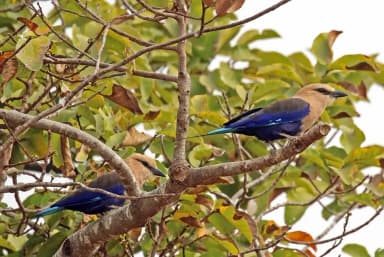 Charles J. Sharp · CC BY-SA 4.0
Blue-bellied Roller
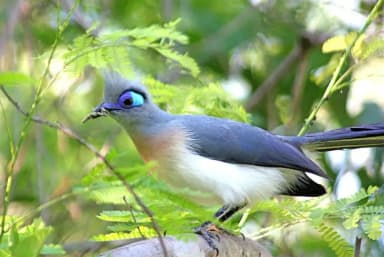 Charles J. Sharp · CC BY-SA 3.0
Crested Coua
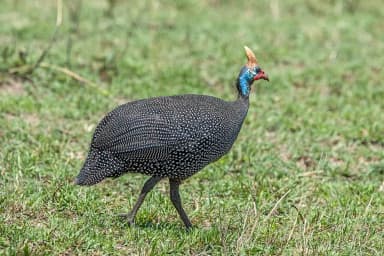 Charles J. Sharp · CC BY-SA 4.0
Helmeted Guineafowl
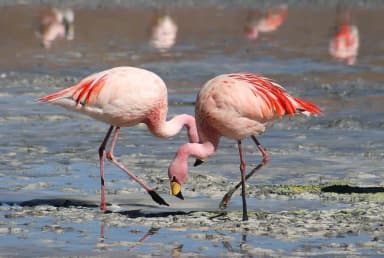 Valdiney Pimenta · CC BY 2.0
Flamingo
 Devin Morris · CC BY-SA 4.0
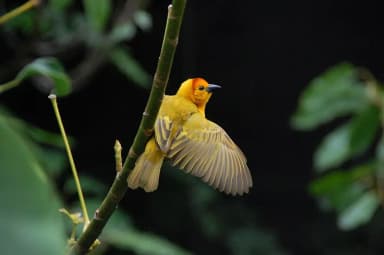
Taveta Golden Weaver
 Godot13 · CC BY-SA 4.0
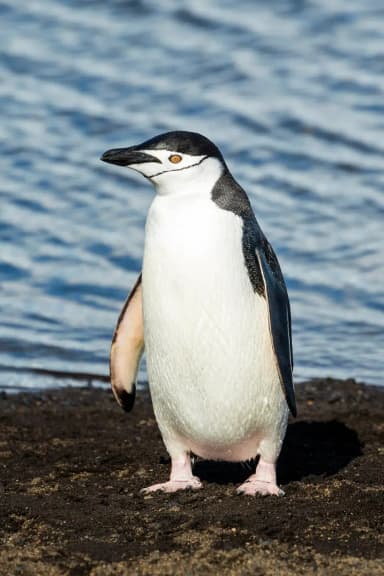
Penguin
 Yathin S Krishnappa · CC BY-SA 4.0
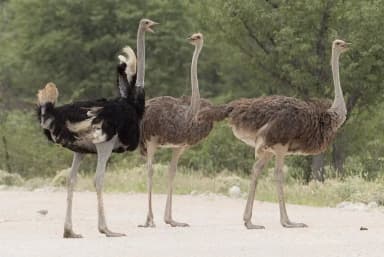
Ostrich
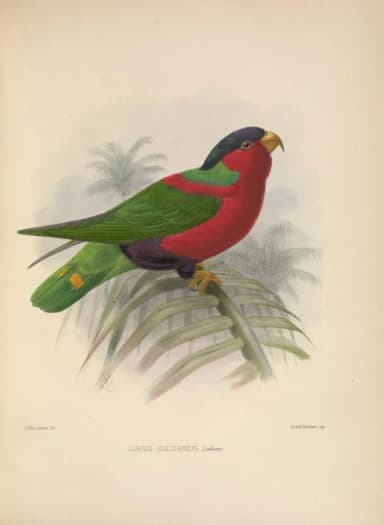 Allen, Edgar W.; Erxleben, J.; Hanhart, Michael; Hanhart, N; Keulemans, J. G.; Mintern Bros.; Rowley, George Dawson; Smi · Public domain
Lorikeet
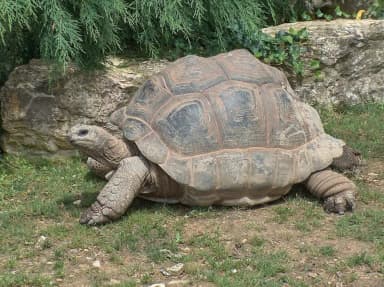
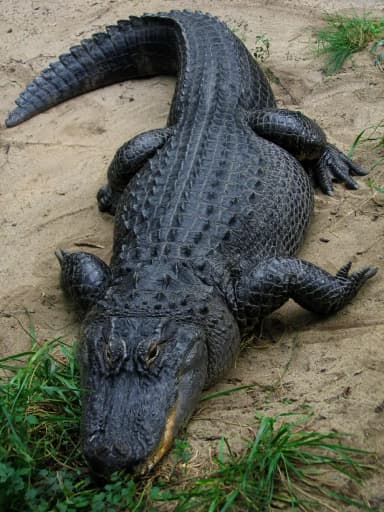
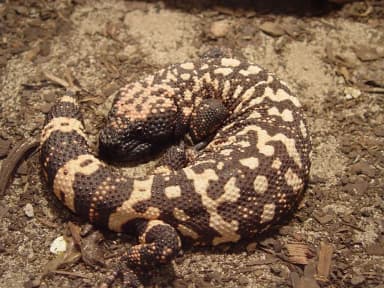
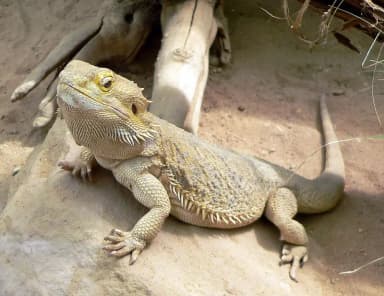
Reptiles13
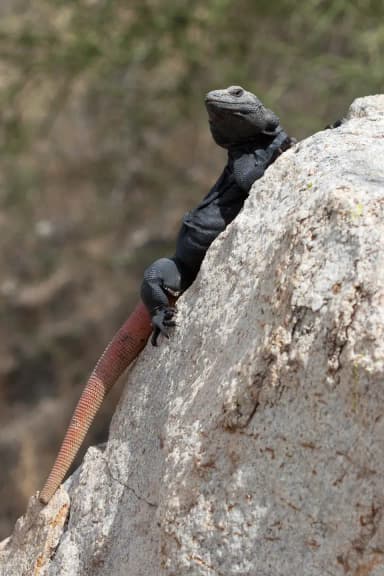
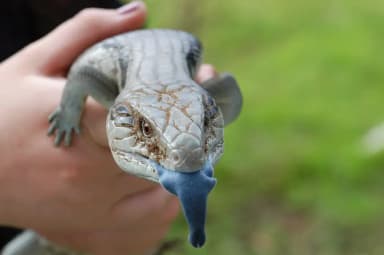
Amphibians1
Fish9
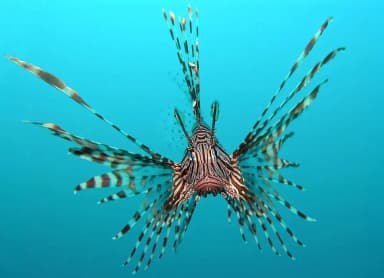
Invertebrates4
Feathers & Fangs from visitors
What people who've been to Indianapolis Zoo say
A Feather is something this zoo does well; a Fang is something it gets wrong. Left by people who've been, and read by us before they appear.
Loading…
About Indianapolis Zoo
The Indianapolis Zoo is a 93-acre nonprofit zoo, public aquarium, and botanical garden in Indianapolis, Indiana, run by the Indianapolis Zoological Society, which was incorporated in 1944. The zoo itself didn't open until 20 years later, and the site guests visit today is not its original location. The current zoo opened on June 11, 1988, at White River State Park near downtown Indianapolis, about a mile west of Monument Circle, with the White River forming its northern and eastern boundary. It is among the largest privately funded zoos in the country, relying on donors, admissions, memberships, and in-park sales rather than government support.
As of 2020, the zoo housed more than 1,400 animals across 235 species, while the adjoining White River Gardens held more than 50,000 plants across over 5,000 species. The zoo is accredited by the Association of Zoos and Aquariums and the American Alliance of Museums, and it holds membership in the World Association of Zoos and Aquariums. In 1996, it became the first institution in the country to earn triple accreditation as a zoo, aquarium, and botanical garden simultaneously. The zoo also hosts the Global Center for Species Survival, a partnership with the International Union for Conservation of Nature, and organizes the biennial Indianapolis Prize, a conservation award. In 2021, the zoo employed 700 people and welcomed 1.2 million guests, and it describes itself as a significant contributor to the city's economy.
The zoo organizes its animal collection around biomes — regions of the planet grouped by climate, plants, and animals — rather than by continent or taxonomic group alone. Its named biomes include Deserts, Flights of Fancy, Forests, Oceans, and Plains, along with the separately developed White River Gardens. Animals recognized as part of the Species Survival Plan, the AZA's coordinated breeding program, are marked within these groupings.
History
Before the current zoo existed, Indianapolis kept small, scattered animal exhibits in city parks: birds at Brookside Park, a bear and monkeys at Garfield Park, and a pair of sea lions at Riverside Park. The city consolidated these into a single site at Riverside in 1906, but that zoological garden closed in 1917 amid wartime conservation efforts, and the animals were sold off starting the year before.
The push for a new zoo began in earnest in 1944, when Indianapolis Times (and later Indianapolis Star) columnist Lowell Nussbaum began advocating for one in his column "Inside Indianapolis." That advocacy led to the incorporation of the Indianapolis Zoological Society that October, though it took another 20 years to open. The Indianapolis Zoo debuted as the Washington Park Children's Zoo on April 18, 1964, at Washington Park on East 30th Street, drawing more than 270,000 visitors in its first year. Its original animal collection included an Asian elephant, penguins, kangaroos, foxes, raccoons, camels, bison, deer, and more. By 1965, it had become one of the few zoos in the country with a full-time education staff, and by its 20th anniversary, its collection had doubled, prompting the search for a larger site.
That search led to White River State Park. International zoo and wildlife authorities gathered in 1982 to help set goals for the new facility, agreeing the zoo should function as both a place to see animals and an institution of conservation and education. Groundbreaking came in September 1985, the old zoo closed in 1987, and the new 64-acre zoo opened on June 11, 1988. Jeffrey Bonner became president and CEO in January 1993, and during his tenure the zoo added the Waters building and Dolphin Pavilion, earning aquarium accreditation and, in 1996, the triple accreditation as zoo, aquarium, and botanical garden. The world's first successful artificial insemination of an African elephant took place at the zoo in 2000.
Michael Crowther led the zoo from 2002 to 2019, a period that saw a nearly 240 percent increase in annual revenue and a 34 percent rise in attendance. Capital projects during his tenure included a $10 million renovation of the Dolphin Pavilion in 2005, a $400,000 renovation of the Deserts Dome the following season, and a nearly $10 million redesign of the Oceans building in 2007. The Indianapolis Prize was also established under his leadership. In 2012, the zoo broke ground on the $21.5 million Simon Skjodt International Orangutan Center, which opened Memorial Day weekend 2014 with nine orangutans, a 90-foot viewing atrium, and the Myrta Pulliam Hutan Trail, a system of cableways and platforms letting the orangutans travel across the zoo grounds.
Dr. Robert Shumaker became president in 2016 and added the CEO title in January 2020. Since then, the zoo has opened three new exhibitions — Elephant Tembo Camp (2020), Alligators & Crocodiles: The Fight to Survive (2021), and Kangaroo Crossing (2022) — representing a combined investment of nearly $4.8 million. In December 2022, the zoo announced a $53 million fundraising campaign, its largest ever, intended to fund a new entry plaza and welcome center and a home for the Global Center for Species Survival, along with a planned International Chimpanzee Complex.
Exhibits and habitats
The zoo's biome system groups animals by shared climate and habitat rather than by geography alone. The Deserts biome includes a "Size, Speed & Venom: Extreme Snakes" exhibit among its desert-adapted species. Flights of Fancy, Forests, Oceans, and Plains round out the remaining biomes, each holding species suited to that environment.
Within Oceans, the Firestone Gallery houses the nation's largest shark touch pool, where a school of smooth dogfish sharks gives visitors a hands-on encounter. Seasonal ray feeds also take place in the Oceans exhibit and are the only animal feeding offered during cold-weather months.
White River Gardens, adjoining the zoo, opened to the public on June 13, 1999, after breaking ground in October 1997 as the first major development the Indianapolis Zoological Society undertook since the 1988 move. It was run as a separate attraction until 2006, when it became formally part of the zoo. The Gardens hold more than 16,000 plants, including native and rare or historically significant exotic specimens, spread across a glass-enclosed conservatory, outdoor design gardens, a water garden, fountains, a wedding garden, and 1.5 miles of paths. Within the Gardens, the DeHaan Tiergarten focuses on gardening ideas and plant information, the Hilbert Conservatory offers a year-round tropical setting, and the Family Nature Center covers Indiana wildlife and habitats.
Visitors can also ride the White River Junction Train and the Endangered Species Carousel, both running seasonally from March through December, weather permitting.
Animal highlights
The zoo lists at least 72 species on its website, a floor rather than a full count, while its published figures put the total collection at 1,400 animals across 235 species as of 2020. The listed species span an unusually wide range of habitats and taxonomic groups: African plains animals like giraffes, zebras, cheetahs, lions, and warthogs; primates including chimpanzees, orangutans, gibbons, macaques, and tamarins; marine and aquatic species such as dolphins, sea lions, walruses, seals, sharks, rays, and an assortment of reef fish and invertebrates like coral, sea stars, and sea urchins; reptiles ranging from Aldabra tortoises and Gila monsters to pythons and vipers; and birds including flamingos, cranes, storks, hornbills, macaws, and cockatoos. Notable individual species called out in the source material include red pandas, Arctic foxes, sand cats, and capybaras. The Hellbender, a large aquatic salamander, is specifically noted within the White River Gardens portion of the collection.
Conservation and programs
The Indianapolis Zoo positions conservation as central to its mission, most visibly through its role as home to the Global Center for Species Survival, developed in partnership with the International Union for Conservation of Nature. The zoo also created and awards the Indianapolis Prize, a biennial conservation honor. Within its own collection, animals in the AZA's Species Survival Plan — the coordinated breeding programs meant to maintain genetically diverse, sustainable populations of threatened species in accredited zoos — are specifically marked in the zoo's biome listings. The zoo's own materials describe itself as "a leader in animal conservation and research."
Planning your visit
As listed on the zoo's website, hours run 9 a.m. to 4 p.m., though this is subject to change and should be confirmed before a visit. Reservations are not required, but the zoo encourages buying tickets online in advance for a discount. Parking is free for members and $10 for non-members, accessed from West Washington Street on the zoo's southern boundary. Visitors arriving without a car can use the White River Trail, which runs alongside the river between downtown and the zoo, or take IndyGo's Route 8 bus.
For food, the zoo offers a variety of menu options built around seasonal, local ingredients, including partnerships with Indiana suppliers, and has moved to recyclable aluminum cans and bottles to cut down on single-use plastic. On accessibility, the zoo says it welcomes advance contact from visitors with sensory or physical needs so staff can help prepare for the visit, and it has expanded sensory-inclusive hours to its major seasonal events, including xZooberance, Zoo Boo, and Christmas at the Zoo, plus a calming room near the Oceans exhibit on those days. The zoo is certified as a Sensory Inclusive organization and offers KultureCity sensory bags and lap pads to borrow at no charge.
As with all details here, treat prices, hours, and program specifics as a snapshot rather than a permanent schedule, and check the zoo's official website before visiting.
What we haven't confirmed
Everything above came from public sources. These specifics we haven't stood behind yet:
- Ticket prices
- Time typically needed for a visit
- Phone number
- Stroller availability
- Current annual attendance figures
Indianapolis Zoo compared with nearby zoos
How Indianapolis Zoo lines up against the closest zoos we have details for — useful if you're deciding between them for the same day out.
| Zoo | Distance | Admission | Hours | Size | AZA |
|---|---|---|---|---|---|
| Indianapolis ZooThis zooIndianapolis, IN | — | $25.75–$35.75 | 9am – 4pm | 93 acres | Yes |
| Columbian Park ZooLafayette, IN | 58 mi | $3 | 10:00 am – 4:30 pm | — | No |
| Wolf ParkBattle Ground, IN | 63 mi | $5 | Visitor center: Sunday–Friday 9:30 AM – 2:30 PM ET; Saturday 9:30 AM – 9:00 PM ET. | — | No |
| Cincinnati Zoo and Botanical GardenCincinnati, OH | 99 mi | $16–$27 | 10:00am – 5:00pm | 64.5 acres | Yes |
Distances are straight-line. A dash means we haven't confirmed that detail yet, not that the zoo lacks it.
AZAThe Association of Zoos and Aquariums. Accredited members have passed an independent inspection of animal care and welfare, safety, conservation and education, repeated every five years. Many smaller facilities never apply, so “not accredited” isn't a verdict on its own. What accreditation means · How we check this
Indianapolis Zoo: common questions
Is the Indianapolis Zoo AZA accredited?
Yes. It's accredited by the Association of Zoos and Aquariums, and in 1996 became the first institution in the country to hold triple accreditation as a zoo, aquarium, and botanical garden.
How big is the Indianapolis Zoo?
The zoo covers 93 acres at its White River State Park location.
When did the Indianapolis Zoo open?
Its predecessor, Washington Park Children's Zoo, opened in 1964. The current White River State Park location opened on June 11, 1988.
How many animals and species does the zoo have?
As of 2020, the zoo listed more than 1,400 animals across 235 species; its website lists at least 72 species by name.
Is there parking at the zoo?
Yes, parking is free for members and $10 for non-members, as listed on the zoo's website — confirm current rates before visiting.
Is the zoo accessible for visitors with disabilities?
The zoo says it works to accommodate visitors with sensory or physical needs and offers sensory-inclusive hours at major events, plus a certified Sensory Inclusive designation.
Is there food available inside the zoo?
Yes, the zoo offers a range of dining options focused on seasonal, local ingredients.
Something wrong here? Tell us — we correct in place, with a dated note.