
Columbian Park Zoo
Lafayette, IN
- Admission
- $3
- Animals
- 190
- Accreditation
- None listed
not accredited by the Association of Zoos and Aquariums
Everything below is directory information drawn from public sources and the zoo's own site.
Animals at Columbian Park Zoo
14 of the ~90 species this zoo listsThis is a partial list — we only show species we've confirmed against the zoo's own pages, and their full collection is considerably larger.
Mammals9
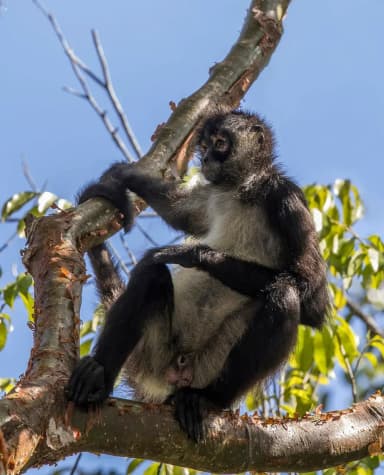 Charles J. Sharp · CC BY-SA 4.0
Black-handed Spider Monkey
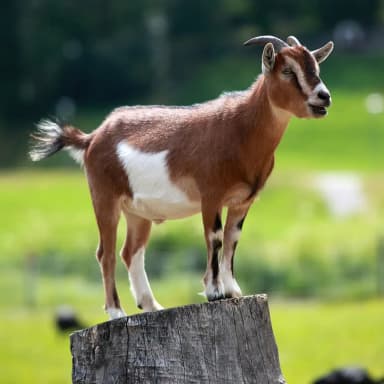 Kuebi = Armin Kübelbeck · CC BY-SA 3.0
Nigerian Dwarf Goat
 Christian Ursilva from København, Danmark · CC BY-SA 4.0
Black-tailed Prairie Dog
 Nokota_Horses.jpg : François Marchal derivative work: Dana boomer ( talk ) · CC BY-SA 3.0
Miniature Horse
 Wikimedia Commons · Public domain
North American Porcupine
 User:MatthiasKabel · CC BY 2.5
White-handed Gibbon
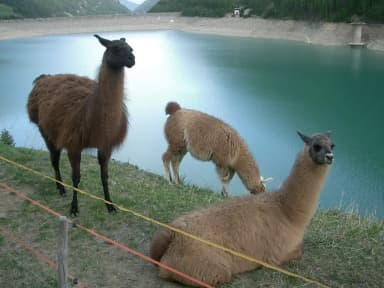 Andrija12345678 · CC BY-SA 4.0
Llama
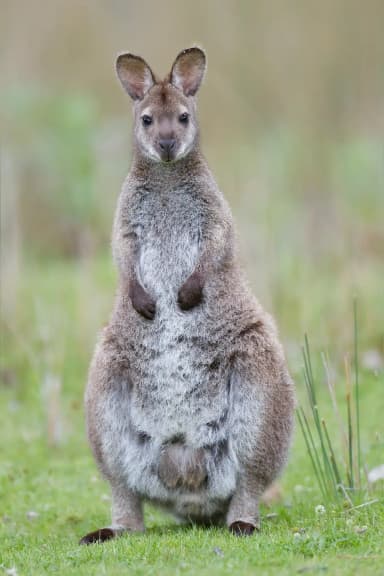 Noodle snacks ( https://www.jjharrison.com.au/)Bennett's Wallaby) · CC BY-SA 3.0
Bennett's Wallaby
 Animalculum · CC BY 4.0
Pot-bellied Pig
Birds4

Feathers & Fangs from visitors
What people who've been to Columbian Park Zoo say
A Feather is something this zoo does well; a Fang is something it gets wrong. Left by people who've been, and read by us before they appear.
Loading…
About Columbian Park Zoo
Columbian Park Zoo sits inside Columbian Park in Lafayette, Indiana, sharing the grounds with playgrounds, picnic areas, a walking trail, and Loeb Stadium, a baseball park. The zoo is a seasonal operation run through the city's parks system, and it is not accredited by the Association of Zoos and Aquariums. According to the zoo's own materials, it holds more than 190 animals from over 90 species, a mix of farm animals, native wildlife, and a smaller set of species from farther afield.
The zoo describes its purpose as encouraging appreciation of the world's wildlife, supporting the preservation and conservation of biodiversity, and inspiring educational discovery in a family-oriented setting for residents of the Greater Lafayette area. That mission shows up most clearly in the zoo's calendar of education programs, which run from toddler story times through college internships, and in the funding structure that keeps a small municipal zoo operating: a nonprofit foundation, brick paver sales, and animal sponsorships and memberships.
Because Columbian Park Zoo is seasonal, it does not operate year-round the way many larger zoos do. It opens in spring and closes again in fall, a rhythm tied to Indiana's climate and to the zoo's history as a park attraction built up gradually rather than planned from scratch as a single institution.
History
The zoo traces back to 1908, when it began with a modest collection of foxes, skunks, pelicans, deer, lynx, prairie dogs, and a wolf. Growth came in stages rather than all at once. In 1928, the zoo constructed its main animal house and purchased an elephant, with funds raised in part by local schoolchildren, a detail that points to how central community involvement was to the zoo's early expansion.
During the 1930s, Columbian Park Zoo began breeding animals specifically to share with other small zoos, an early sign of the cooperative relationships that would later become standard practice across the profession. In 1943, the collection grew further with the addition of lions, monkeys, elk, zebras, bears, and alligators, a considerable jump in the range of species on display for a city park zoo.
The most significant recent change came in 2004, when Lafayette Parks & Recreation developed a master plan for the zoo calling for more naturalized exhibits, a discovery center, and the return of the Columbian Park Carousel. That plan came to fruition when the zoo reopened on June 30, 2007, with the improvements it outlined in place.
Exhibits and habitats
Columbian Park Zoo's exhibits are woven into the wider park rather than sealed off as a separate campus, and several of its notable features are shared attractions rather than traditional animal enclosures. The Butterfly Garden Party Exhibit opens seasonally, weather permitting, from Memorial Day weekend through Labor Day, giving visitors a stretch of the warmer months to see it in operation.
Two moving attractions round out the grounds: the Columbian Park Zoo Express train and the Columbian Park pedal boats, both of which run daily during regular zoo hours, weather permitting, with their final rides taking place 30 minutes before the zoo closes. The Columbian Park Carousel operates on a similar daily schedule, with its last ride 15 minutes before closing.
The zoo's animal house, built in 1928, remains part of the core physical layout established in the zoo's early expansion, while the naturalized exhibit approach adopted in the 2004 master plan shaped the more recent look of the grounds following the 2007 reopening.
Animal highlights
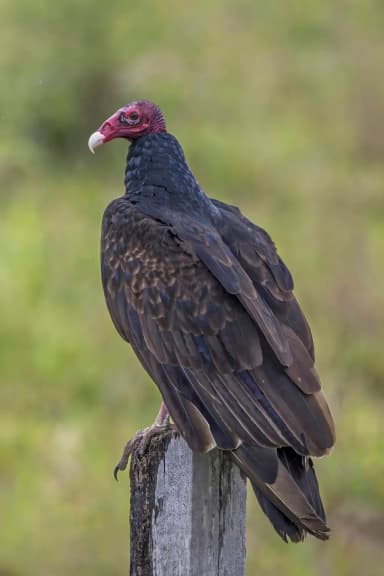
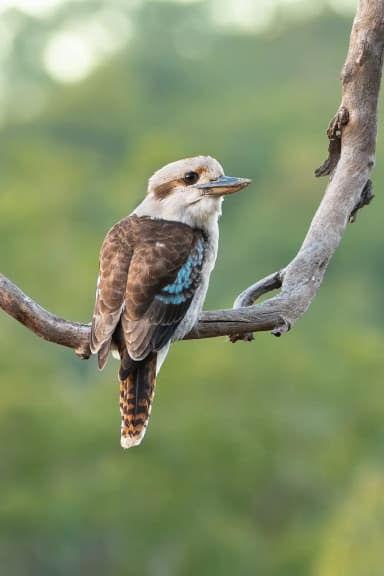
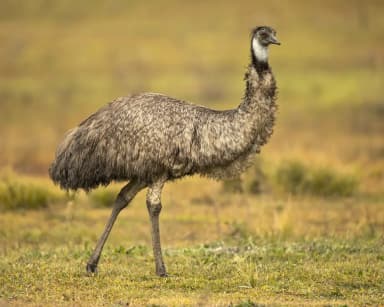
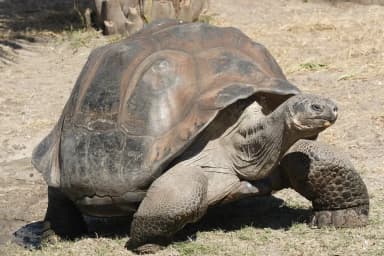
The zoo's own materials describe a collection of more than 190 animals from over 90 species, spanning both farm-style animals and wildlife from other parts of the world. Among the species named by the zoo are the American Miniature Horse, Bald Eagle, Bennett's Wallaby, Black-handed Spider Monkey, Black-tailed Prairie Dog, Emu, Galapagos Tortoise, Laughing Kookaburra, Llama, Nigerian Dwarf Goat, North American Porcupine, Pot-bellied Pig, Turkey Vulture, and White-handed Gibbon.
That range, from domestic farm breeds like the Nigerian Dwarf Goat and Pot-bellied Pig to primates like the White-handed Gibbon and Black-handed Spider Monkey, reflects the zoo's mixed identity as part petting-farm-style attraction and part conventional zoo. The Black-Handed Spider Monkey is specifically called out elsewhere in the park's own materials as a notable resident.
Conservation and programs
Columbian Park Zoo describes itself as a small zoo dedicated to making a difference in wildlife conservation, and it puts on events throughout the year designed to raise awareness and community involvement around particular conservation topics, though the zoo's public materials do not detail specific field programs or breeding partnerships.
Education is where the zoo's programming is most developed. For the youngest visitors, the Zoo Pajama Party runs once a month for children ages one to five, combining 45 minutes of bedtime story readings, activities, and an animal encounter, while Zoo Sprouts is aimed at three- and four-year-olds and includes supervised animal touch experiences. School-aged children have access to weekend classes, workshops, and summer camps, and the zoo also runs field trips through its education department.
Teenagers ages fourteen to seventeen can join the Zoo Teen program, a volunteer track that requires training sessions followed by scheduled shifts through the summer. College students and recent graduates can apply for internships across animal care, marketing, animal enrichment, education, and horticulture. The zoo also partners with Purdue University's EPICS project, through which student teams design, build, and maintain engineering projects for the zoo. Funding for all of this comes from the Lafayette Parks Foundation, brick paver sales used throughout the grounds, and revenue from animal sponsorships and memberships.
Planning your visit
Columbian Park Zoo runs on a seasonal schedule, open daily from mid-April to mid-October each year, including holidays, with exhibits closing 15 minutes before the zoo itself closes. Off-peak hours apply from April 11 through May 22 and again from August 10 through October 3, with a peak season running May 23 through August 9; the zoo is closed from October 4 through mid-April of the following year, aside from occasional ticketed winter events. Admission is $3.00 for guests age three and up, and free for children two and under.
The zoo entrance sits in the middle of Columbian Park itself, and there is no direct car access to the entrance. Visitors coming from the west take South Street (SR 26) to Park Avenue, while those coming from the east take South Street to Main Street and then Wallace Avenue; street parking is available along Park Avenue and Wallace Avenue, with additional parking in the lot on Scott Street. For GPS purposes, the zoo's materials suggest entering 2404 Wallace Avenue, Lafayette, IN as the destination.
As with any seasonal attraction, hours, admission prices, and exhibit closures can shift year to year, so it is worth confirming current details on the zoo's official website before visiting.
What we haven't confirmed
Everything above came from public sources. These specifics we haven't stood behind yet:
- Acreage of the zoo
- Annual visitor count
- Accessibility features for strollers and wheelchairs
- Typical time needed for a visit
- Zoo-specific phone number
- Food and dining options inside the zoo
Columbian Park Zoo compared with nearby zoos
How Columbian Park Zoo lines up against the closest zoos we have details for — useful if you're deciding between them for the same day out.
| Zoo | Distance | Admission | Hours | Size | AZA |
|---|---|---|---|---|---|
| Columbian Park ZooThis zooLafayette, IN | — | $3 | 10:00 am – 4:30 pm | — | No |
| Wolf ParkBattle Ground, IN | 9 mi | $5 | Visitor center: Sunday–Friday 9:30 AM – 2:30 PM ET; Saturday 9:30 AM – 9:00 PM ET. | — | No |
| Indianapolis ZooIndianapolis, IN | 58 mi | $25.75–$35.75 | 9am – 4pm | 93 acres | Yes |
| Washington Park ZooMichigan City, IN | 91 mi | $12 | 10 am – 4 pm | 15 acres | No |
Distances are straight-line. A dash means we haven't confirmed that detail yet, not that the zoo lacks it.
AZAThe Association of Zoos and Aquariums. Accredited members have passed an independent inspection of animal care and welfare, safety, conservation and education, repeated every five years. Many smaller facilities never apply, so “not accredited” isn't a verdict on its own. What accreditation means · How we check this
Columbian Park Zoo: common questions
Is Columbian Park Zoo accredited by the Association of Zoos and Aquariums?
No. According to available records, the zoo is not AZA accredited.
When did the zoo open?
It was founded in 1908, starting with a small collection of foxes, deer, and other native species.
How many animals and species does the zoo have?
The zoo's own materials describe more than 190 animals from over 90 species.
What are the zoo's hours?
It operates seasonally, daily from mid-April to mid-October, with exhibits closing 15 minutes before the zoo does; specific hours vary between off-peak and peak season.
How much does admission cost?
As listed on the zoo's website, admission is $3.00 for ages three and up, and free for children two and under.
Is there parking near the zoo?
Street parking is available along Park Avenue and Wallace Avenue, plus a lot on Scott Street; the zoo entrance itself has no direct car access.
Does the zoo offer education programs?
Yes, including toddler and preschool programs, youth classes, a teen volunteer program, and college internships across several departments.
Something wrong here? Tell us — we correct in place, with a dated note.