
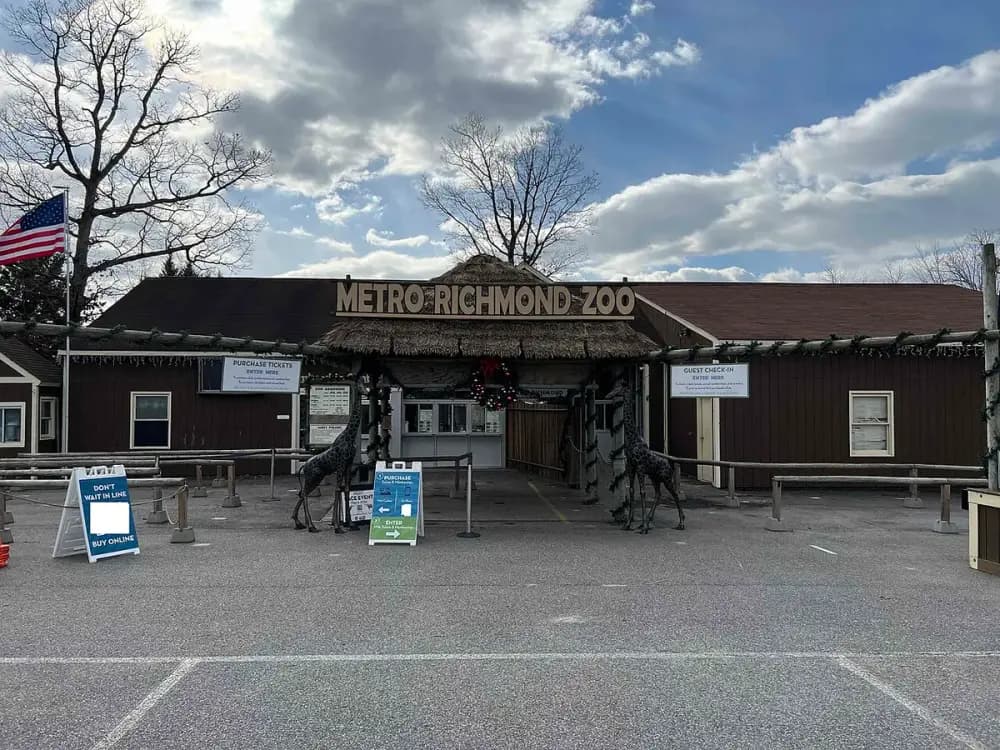
- Admission
- $27.95
- Size
- 70 acres
- Animals
- 2,000
- Opened
- 1995
- Accreditation
- None listed
not accredited by the Association of Zoos and Aquariums
Everything below is directory information drawn from public sources and the zoo's own site.
Animals at Metro Richmond Zoo
42 of the ~190 species this zoo listsThis is a partial list — we only show species we've confirmed against the zoo's own pages, and their full collection is considerably larger.
Mammals29
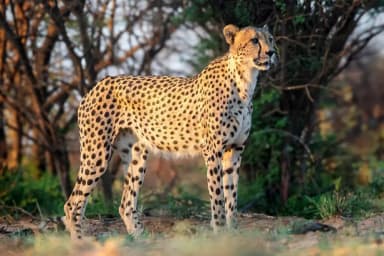 AfricanConservation · CC BY-SA 4.0
Cheetah
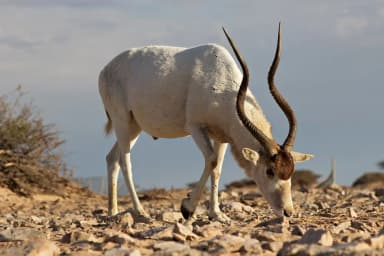 HaytemBouchri93 · CC BY-SA 4.0
Addax
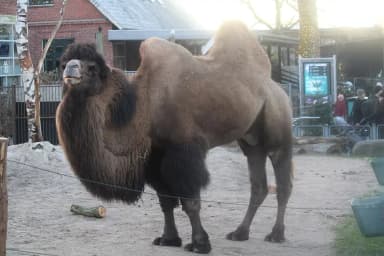 Christian Ursilva from Copenhagen, Denmark · CC BY-SA 4.0
Bactrian Camel
 User:Mas3cf · CC BY-SA 4.0
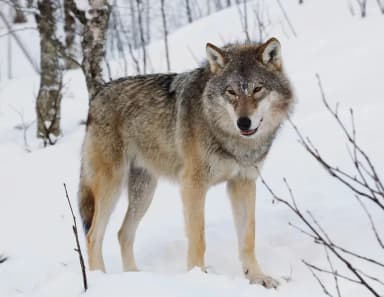
Gray Wolf
 Giles Laurent · CC BY-SA 4.0
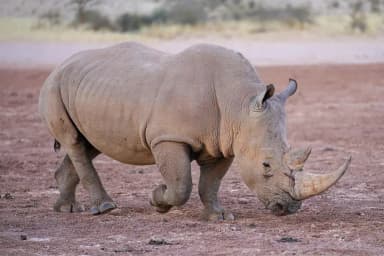
White Rhinoceros
 Bardrock · CC BY-SA 3.0
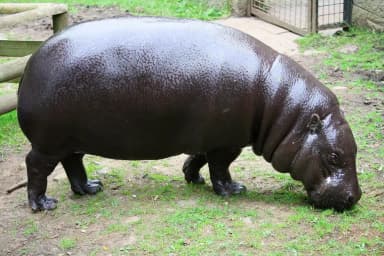
Pygmy Hippopotamus
 Dick Culbert from Gibsons, B.C., Canada · CC BY 2.0
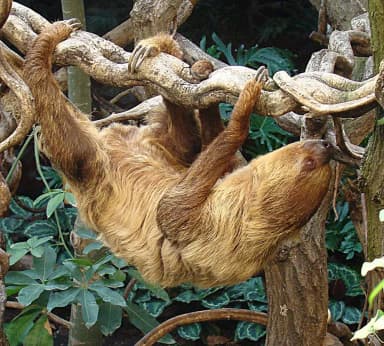
Two-toed Sloth
 Tuxyso · CC BY-SA 3.0
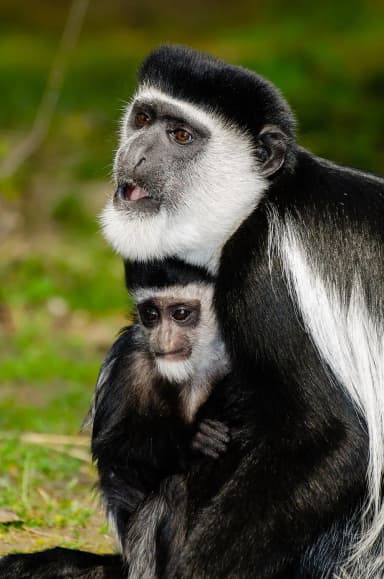
Black-and-white Colobus
 Charles J. Sharp · CC BY-SA 4.0
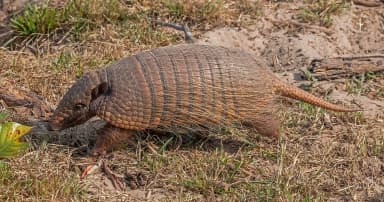
Six-banded Armadillo
 Relative of Brandt Luke Zorn, most likely his father. · CC BY-SA 2.0
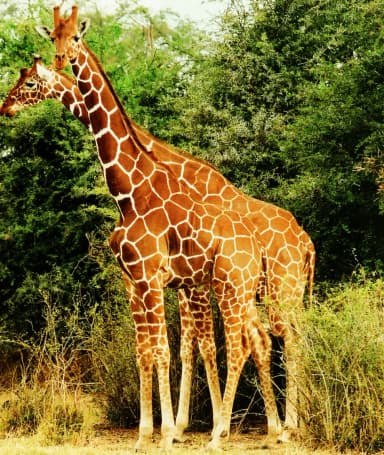
Reticulated giraffe
 Giles Laurent · CC BY-SA 4.0
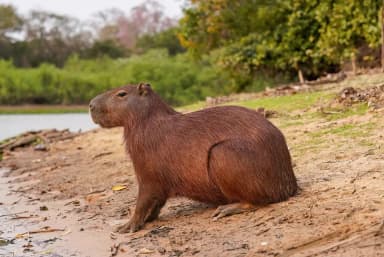
Capybara
 User:MatthiasKabel · CC BY 2.5
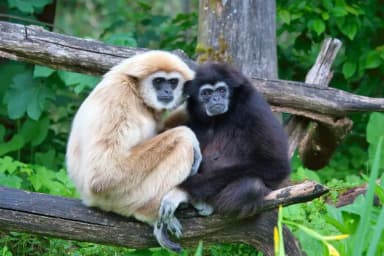
White-handed Gibbon
 Charles J. Sharp · CC BY-SA 4.0
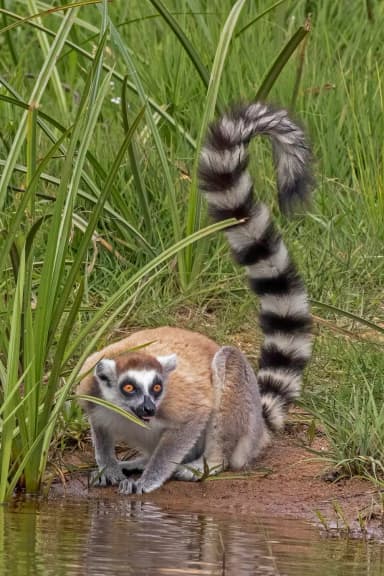
Ring-tailed Lemur
 Diego Delso · CC BY-SA 4.0
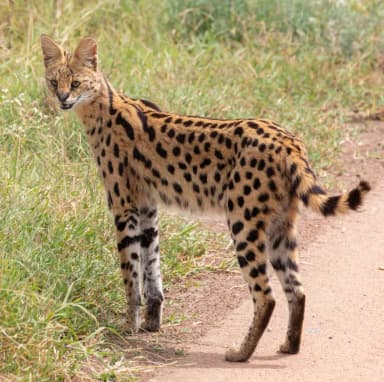
Serval
 Malene Thyssen · CC BY-SA 3.0
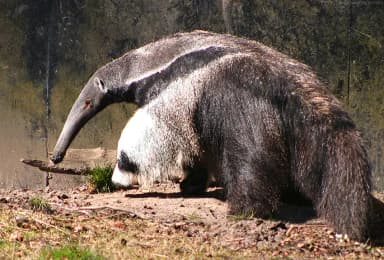
Giant Anteater
 Albinfo · CC BY-SA 3.0
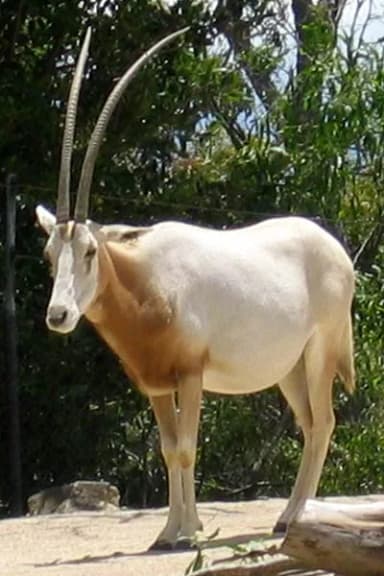
Scimitar-horned Oryx
 Giles Laurent · CC BY-SA 4.0
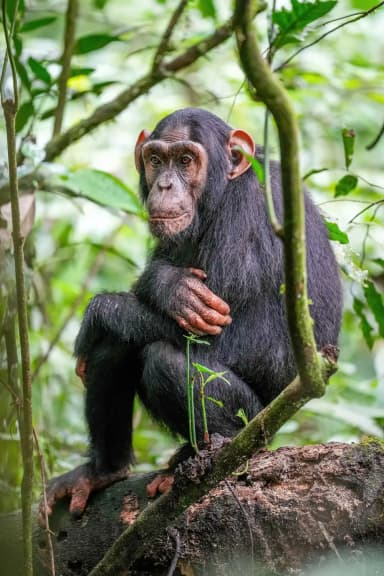
Chimpanzee
 Giles Laurent · CC BY-SA 4.0
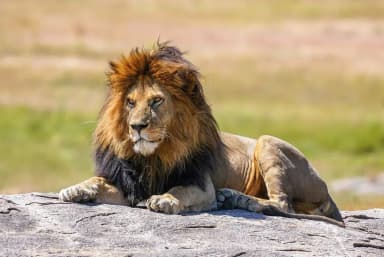
Lion
 Irbis1983 · Public domain
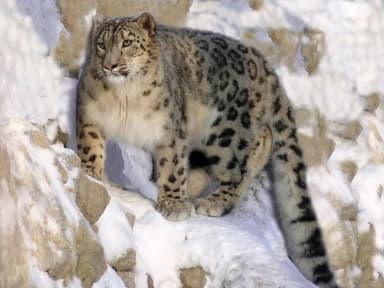
Snow Leopard
 Nanosanchez · CC BY-SA 4.0
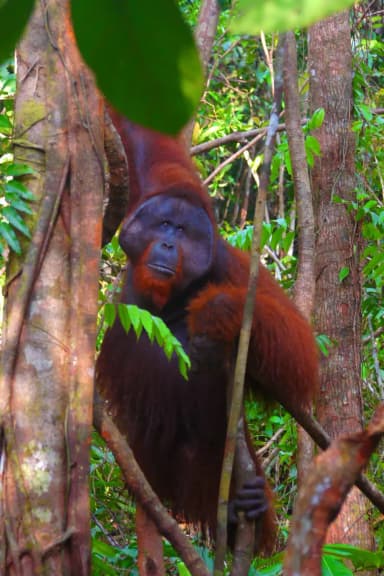
Orangutan
 Charles J. Sharp · CC BY-SA 4.0
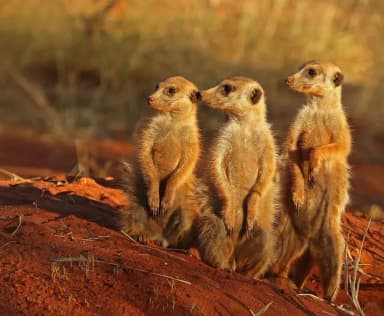
Meerkat
 Rufus46 · CC BY-SA 3.0
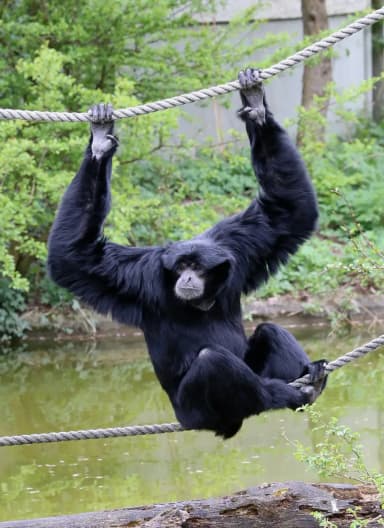
Siamang
 Charles Miller from Basingstoke, United Kingdom · CC BY 2.0
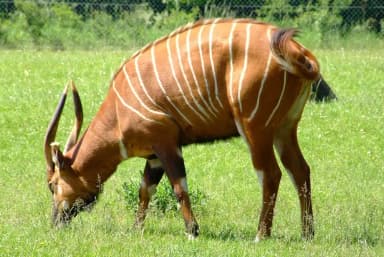
Bongo
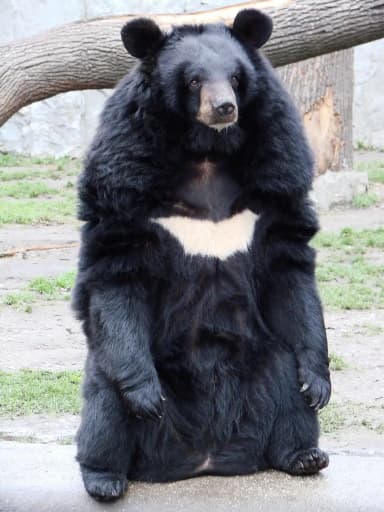 Guérin Nicolas ( messages ) · CC BY-SA 3.0
Asiatic Black Bear
Birds9
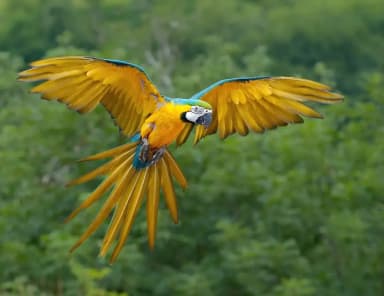 Luc Viatour · CC BY 2.0
Blue-and-gold Macaw
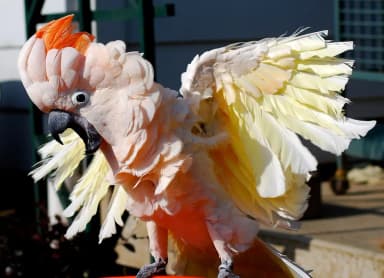 Len Charnoff from Sherwood, Oregon, US · CC BY 2.0
Moluccan Cockatoo
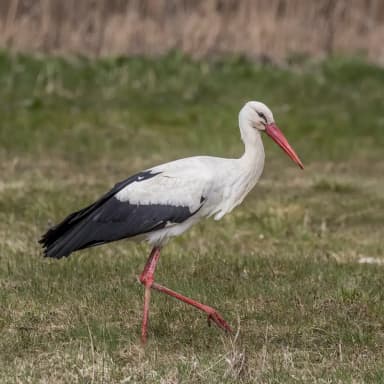 Charles J. Sharp · CC BY-SA 4.0
White Stork
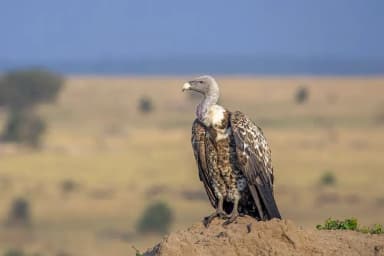 Charles J. Sharp · CC BY-SA 4.0
Ruppell's Griffon Vulture
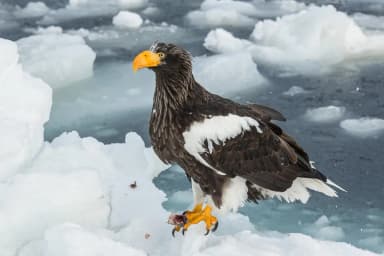 Michael Pinczolits · CC BY 2.0
Steller's Sea Eagle
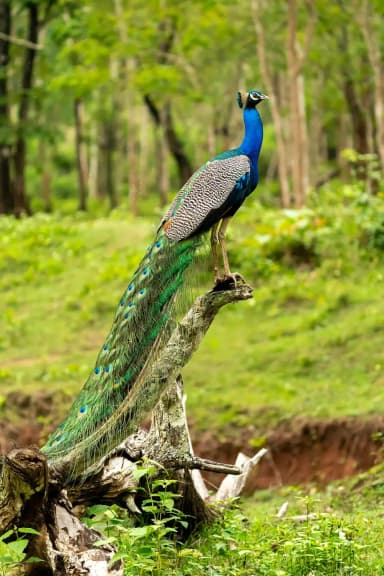 Kandukuru Nagarjun from Bangalore, India · CC BY 2.0
Peafowl
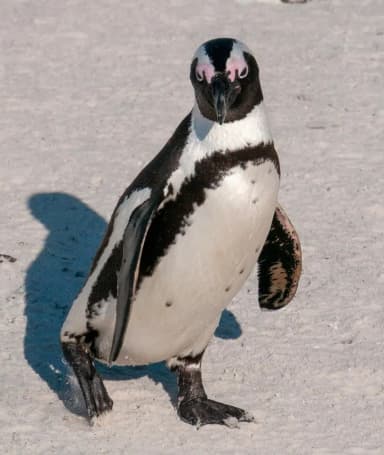 Matti Blume · CC BY-SA 4.0
African penguin
 Yathin S Krishnappa · CC BY-SA 4.0
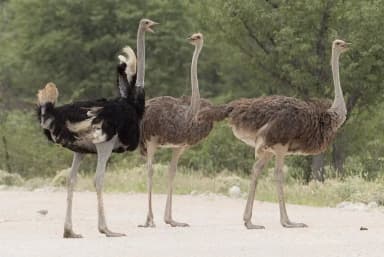
Ostrich
Reptiles3
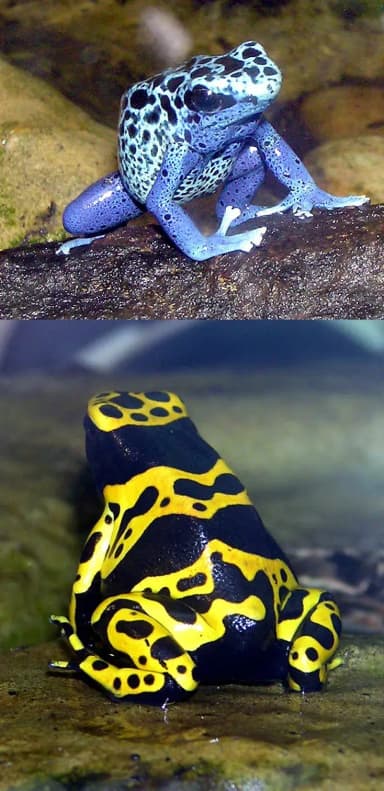
Amphibians1
Feathers & Fangs from visitors
What people who've been to Metro Richmond Zoo say
A Feather is something this zoo does well; a Fang is something it gets wrong. Left by people who've been, and read by us before they appear.
Loading…
About Metro Richmond Zoo
Metro Richmond Zoo is a privately owned, for-profit zoo in Chesterfield County, Virginia, off U.S. Route 360 (Hull Street Road) about 20 miles southwest of the city of Richmond. The zoo occupies roughly 70 acres and houses around 2,000 animals representing more than 190 species, including reticulated giraffe, white rhinoceros, snow leopard, cheetah, and Grant's zebra. It is accredited by the Zoological Association of America (ZAA) rather than the Association of Zoos and Aquariums, and it describes itself as Virginia's largest zoological park.
The zoo opened to the public on April 22, 1995, with 167 animals of 15 species, and has expanded steadily since. Today it is organized around a mix of walk-through exhibits, a safari-style train ride through open-range enclosures, and a cluster of amusement rides near the entrance, including a sky ride, carousel, and a zipline adventure course outside the main gate.
The zoo is particularly known for its giraffe herd and for giraffe-feeding opportunities, which visitors can pay for at the exhibit. It also holds one of the larger primate collections in the United States, with more than 200 individuals across roughly 30 species. Much of the property is arranged so that guests can view free-ranging or semi-open enclosures either on foot or from the safari train, which passes through an 8-acre animal enclosure added in a 2008 expansion.
History
The zoo's early growth came quickly after its 1995 opening. In 2003, it added a safari sky ride offering an elevated view of the grounds, and the North American area of the zoo opened the same year. A Jungle Carousel and kiddie rides followed in 2006. In 2008, a $250,000 expansion added a safari-style ride through a new 8-acre enclosure, with visitors touring by two-car train. Treetop Zoofari, a zipline and adventure park outside the main entrance, opened in fall 2013, and a drop tower ride debuted in 2019.
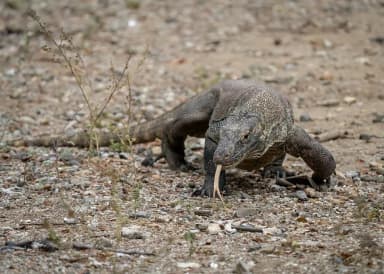
Exhibit construction continued through the 2010s: a meerkat enclosure and the start of a reptile and small mammal building opened in early 2013, and phase one of the Reptile Building, including a Komodo dragon exhibit, opened in 2015. In August 2016, a serval exhibit opened next to the bat exhibit, and the reptile house was expanded with 13 additional exhibits for 15 new species, including rhino iguanas and emerald tree boas.
More recent additions include a pair of pygmy hippopotamuses in summer 2018, Steller's sea eagles in January 2019, the Cape clawless otter exhibit "Otter Cove" in June 2020, and gray wolves in October 2020. In 2023, a pair of Eurasian eagle owls joined the sea eagle exhibit, and new lemur exhibits for red ruffed, black-and-white ruffed, and ring-tailed lemurs opened the following year. During the COVID-19 pandemic, the zoo briefly operated as a drive-through experience in 2020 and again from December 2020 to February 2021.
Exhibits and habitats
The safari ride enclosure holds gemsbok, waterbuck, greater kudu, eland, lowland nyala, Thomson's gazelle, scimitar-horned oryx, Baird's tapir, and ostrich, viewable from the train and a small viewing deck that overlooks a wooded valley home to blackbuck, Himalayan tahr, takin, and markhor. The zoo is one of relatively few in the country to display takin, an animal treated as a national treasure in China.
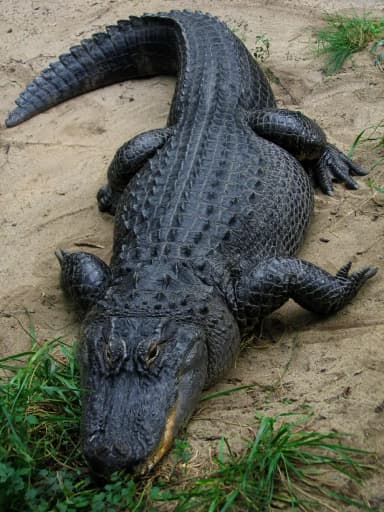
The North American area holds elk, bison, gray wolves, Steller's sea eagles, skunks, mouflon, fallow deer, and alligators. Nearby enclosures house raccoons, binturongs, and Indian crested porcupines, along with an exhibit for red kangaroos, emus, and common wallaroos. A walk-through aviary near the entrance, opened in 2004, contains roseate spoonbill, demoiselle crane, sacred ibis, and several waterfowl species, plus golden, Lady Amherst's, and Swinhoe's pheasants; a flock of Chilean flamingos sits nearby, along with prairie dogs and fennec foxes.
Near the train station is an African penguin exhibit with a twice-daily feeding program, and a South American exhibit featuring Brazilian tapir, greater rhea, giant anteater, capybara, llama, alpaca, king vulture, and toucans. A bat house next to the king vulture enclosure holds Indian flying fox, straw-colored fruit bat, two-toed sloth, and prehensile-tailed porcupine. Another aviary contains blue-and-yellow macaws, salmon-crested cockatoos, red-crowned amazons, crested screamers, and about 400 budgerigars, which visitors can hand-feed with purchased treats. The giraffe yard sits across from the children's farm, where visitors can feed deer, goats, sheep, donkeys, and young antelope, and larger animals such as dromedaries, Bactrian camels, elk, American bison, and warthog can be fed through tube feeders.
Animal highlights
At least 190 species are listed on the zoo's website, spanning roughly 2,000 individual animals. The primate collection is a particular focus, with more than 200 individuals across about 30 species, including chimpanzee, orangutan, Diana monkey, siamang, white-handed gibbon, ring-tailed lemur, and red ruffed and black-and-white ruffed lemurs. Two juvenile orangutans, Farley and Zoe, arrived in 2012 and had a son, Taavi, in 2021.
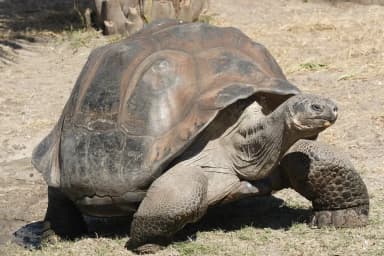
Large mammals on view include reticulated giraffe, white rhinoceros, Bengal tiger, lion, snow leopard, cheetah, and Grant's zebra, alongside Asiatic black bear, pygmy hippopotamus, and Galapagos tortoise. Reptile holdings include the Komodo dragon and a range of species added during the reptile house's 2016 expansion. The zoo also keeps the oldest recorded African penguin, ET, who lived at the zoo from 1995 until her death in 2023 at age 43.
Conservation and programs
Metro Richmond Zoo participates in several research and conservation projects and supports conservation organizations in more than 10 countries, including Cheetah Conservation Botswana, the Giraffe Conservation Foundation, the International Rhino Foundation, and the International Elephant Foundation. The zoo built a dedicated Cheetah Conservation Center on 52 acres purchased in 2011; the center, not open to the public, contains 19 habitats and around 40 cheetahs and has produced 167 cheetah cubs since 2013, work for which the zoo has been recognized by the Zoological Association of America.
The zoo also runs breeding programs for African penguins, with hatchings recorded since 1996, and for Diana monkeys, part of the Association of Zoos and Aquariums' species survival plan, with births recorded since 1997. Since 2000, the zoo has recorded giraffe births, and since 2020, pygmy hippo births; both programs have been tied to fundraising events, including 5K races benefiting outside conservation groups. The zoo also plays a role in addax and eastern bongo conservation, with addax born at the zoo released to the wild.
Planning your visit
The zoo is open Monday through Saturday from 9:30 a.m. to 5:00 p.m., as listed on the zoo's website; admission ends 45 minutes before closing, and some animals move off exhibit 30 minutes before the park closes. Guests should call ahead to check hours during snowy or icy conditions, since animals such as giraffes and rhinos are kept off habitat when temperatures fall below 45 degrees.
As listed on the zoo's website, admission was $27.95 for ages 12–59, $26.95 for ages 60 and up, and $20.95 for children ages 2–11, with children under 1 admitted free. Discounts are offered for military personnel and for groups of 10 or more purchasing tickets in a single transaction, and separate rates apply for schools, scouts, and corporate groups. Rides, including the safari train, sky ride, carousel, and drop tower, are priced separately, though they are free for certain membership tiers.
The zoo offers private animal ambassador encounters with a penguin, parrot, armadillo, or snake, along with daily keeper talks and animal feedings. Because prices, hours, and available experiences can change, visitors should confirm current details on the zoo's official website before visiting.
What we haven't confirmed
Everything above came from public sources. These specifics we haven't stood behind yet:
- Exact current acreage (facts list 70 acres; the zoo's own visit page cites 150 acres for the property)
- Total annual visitor count
- Parking cost and location details
- Full accessibility and stroller/wheelchair rental policies
Metro Richmond Zoo compared with nearby zoos
How Metro Richmond Zoo lines up against the closest zoos we have details for — useful if you're deciding between them for the same day out.
| Zoo | Distance | Admission | Hours | Size | AZA |
|---|---|---|---|---|---|
| Metro Richmond ZooThis zooRichmond, VA | — | $27.95 | 9:30 AM – 5:00 PM | 70 acres | No |
| MaymontRichmond, VA | 19 mi | Free | Grounds, Maymont Farm and Virginia Wildlife Trail open daily; current hours 10:00 AM – 7:00 PM. Oct 12 – Nov 8: 10 AM – 4 PM. From Nov 9: 10 AM – 5 PM until spring. Robins Nature Center Thu–Sun 10 AM–5 PM; Mansion Thu–Sun 11 AM–5 PM. | 100 acres | No |
| Busch Gardens WilliamsburgWilliamsburg, VA | 63 mi | $61.99–$121.99 | — | 422 acres | No |
| Virginia Living MuseumNewport News, VA | 74 mi | $18–$21.95 | 9am – 5pm | — | Yes |
Distances are straight-line. A dash means we haven't confirmed that detail yet, not that the zoo lacks it.
AZAThe Association of Zoos and Aquariums. Accredited members have passed an independent inspection of animal care and welfare, safety, conservation and education, repeated every five years. Many smaller facilities never apply, so “not accredited” isn't a verdict on its own. What accreditation means · How we check this
Metro Richmond Zoo: common questions
Is Metro Richmond Zoo accredited?
Yes, it is accredited by the Zoological Association of America (ZAA), not the Association of Zoos and Aquariums.
How big is the zoo and how many animals does it have?
The zoo covers about 70 acres and is home to roughly 2,000 animals representing more than 190 species.
When did Metro Richmond Zoo open?
It opened to the public on April 22, 1995.
What animals can visitors see?
Highlights include reticulated giraffe, white rhinoceros, snow leopard, cheetah, Bengal tiger, orangutan, chimpanzee, and a large collection of lemurs and other primates.
Can visitors feed the animals?
Yes. Purchased treats can be used to feed giraffes, camels, budgerigars, and farm animals in designated areas.
Is there a train or ride through the exhibits?
Yes, a safari train ride passes through several open-range enclosures, and the zoo also has a sky ride, carousel, drop tower, and a separate zipline adventure course.
Something wrong here? Tell us — we correct in place, with a dated note.