
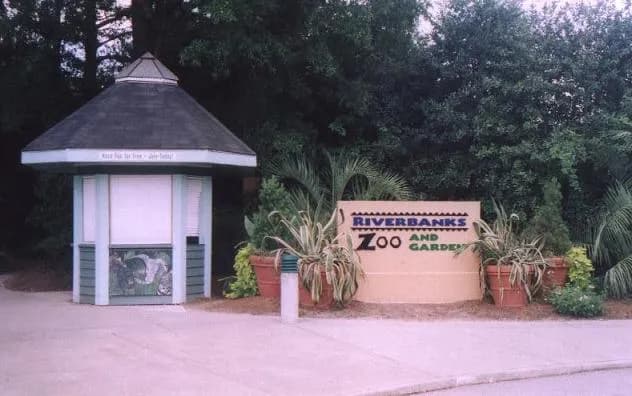
- Admission
- $27.95–$30.95
- Size
- 170 acres
- Opened
- 1974
- Accreditation
- AZA
set by date and demand
Association of Zoos and Aquariums
Everything below is directory information drawn from public sources and the zoo's own site.
Animals at Riverbanks Zoo
36 confirmedMammals22
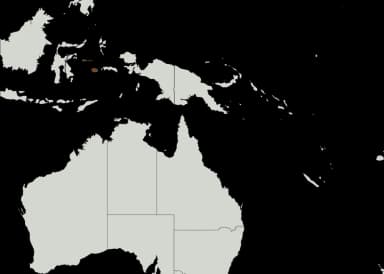 Cephas · CC BY-SA 3.0
Babirusa
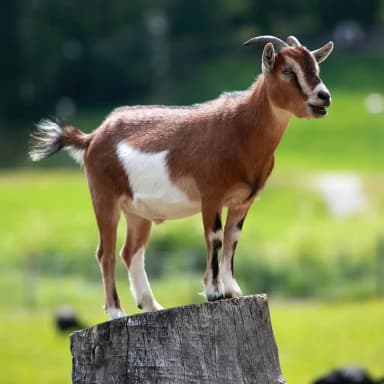 Kuebi = Armin Kübelbeck · CC BY-SA 3.0
Nubian Goat
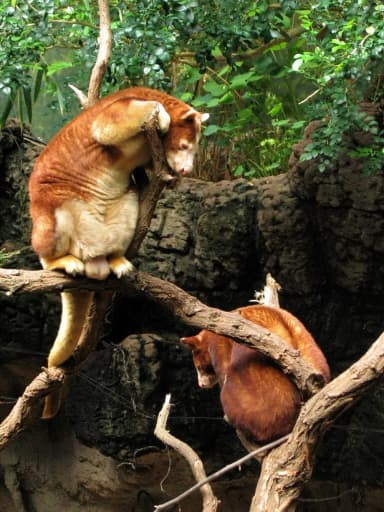 Postdlf · CC BY-SA 3.0
Matschie's Tree Kangaroo
 Thomas Fuhrmann · CC BY-SA 4.0
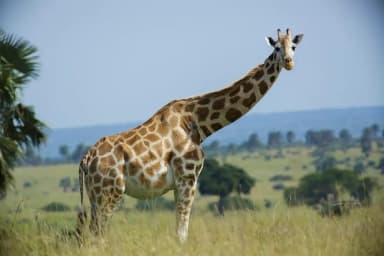
Giraffe
 Charles J. Sharp · CC BY-SA 4.0
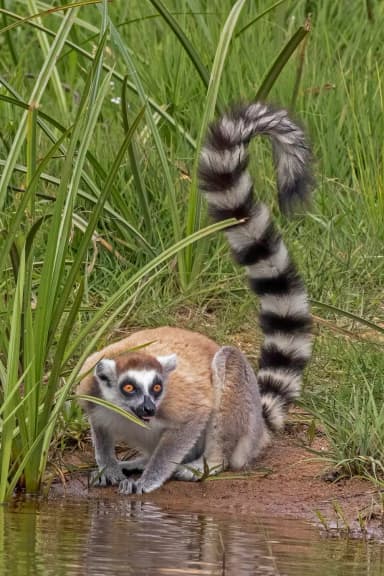
Ring-tailed Lemur
 Daderot · CC0
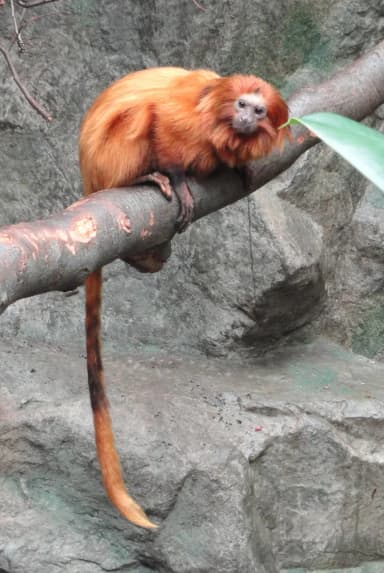
Golden Lion Tamarin
 Noodle snacks ( https://www.jjharrison.com.au/)Bennett's Wallaby) · CC BY-SA 3.0
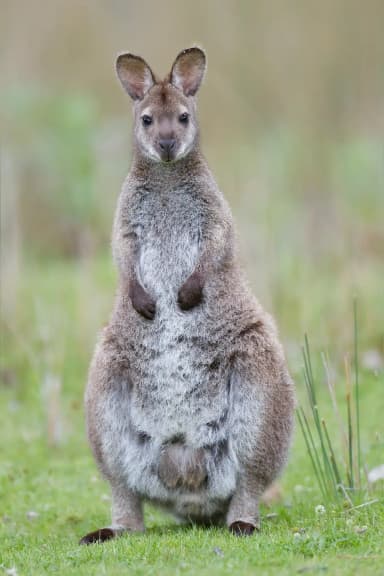
Bennett's Wallaby
 Giles Laurent · CC BY-SA 4.0
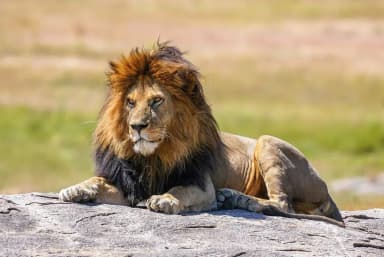
Lion
 Charles J. Sharp · CC BY-SA 4.0
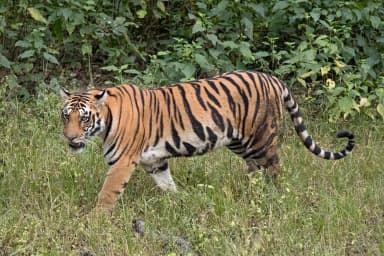
Amur tiger
 Manuel González Olaechea y Franco · CC BY 3.0
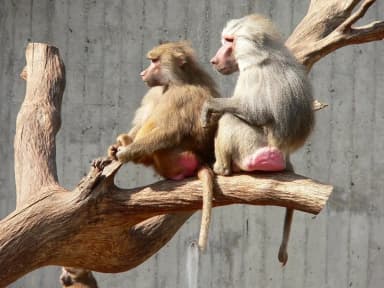
Hamadryas Baboon
 Diliff · CC BY-SA 3.0
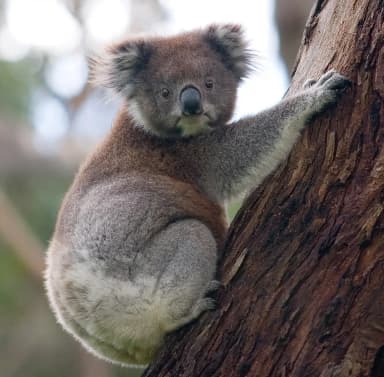
Koala
 Charles J. Sharp · CC BY-SA 4.0
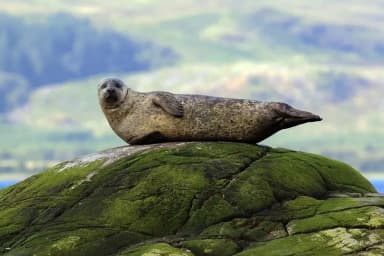
Harbor Seal
 Charles J. Sharp · CC BY-SA 4.0
Meerkat
 Rufus46 · CC BY-SA 3.0
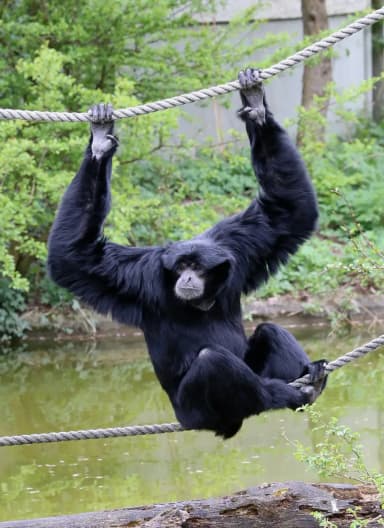
Siamang
 Rufus46 · CC BY-SA 3.0
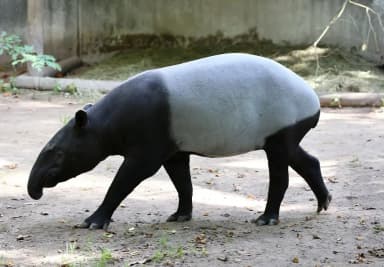
Malayan Tapir
 Yathin S Krishnappa · CC BY-SA 3.0
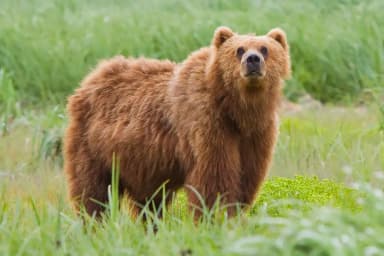
Grizzly bear
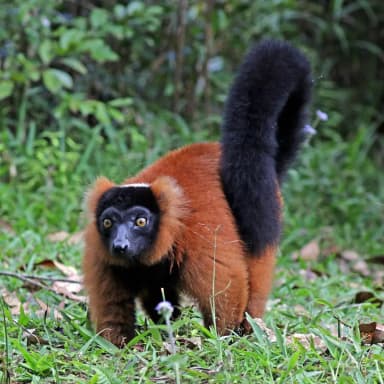 Charles J. Sharp · CC BY-SA 4.0
Red Ruffed Lemur
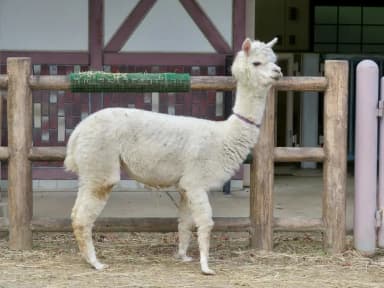 KKPCW · CC BY-SA 4.0
Alpaca
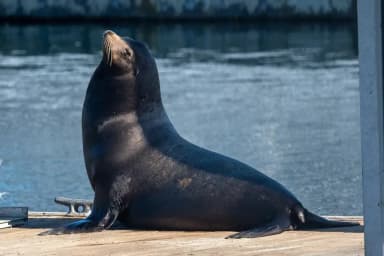 (c) Jonathan Eisen, some rights reserved (CC BY) · CC BY 4.0
California Sea Lion
Birds7
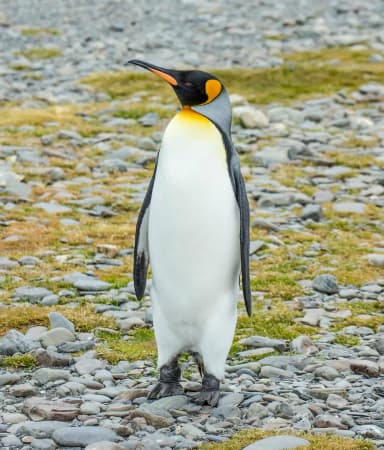
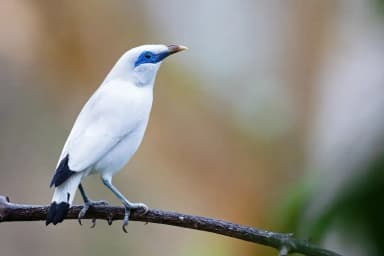
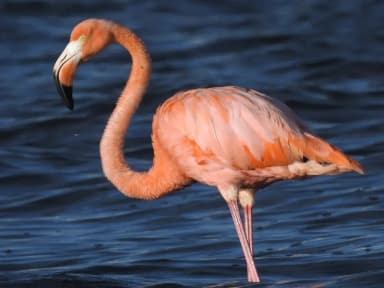
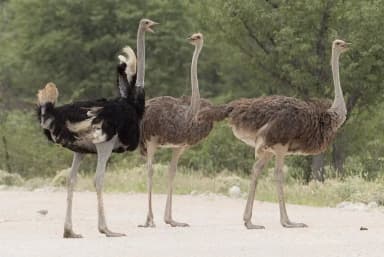
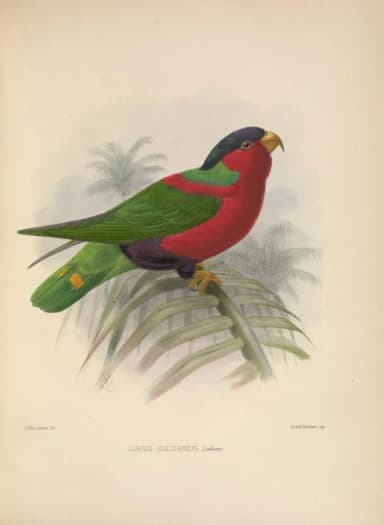
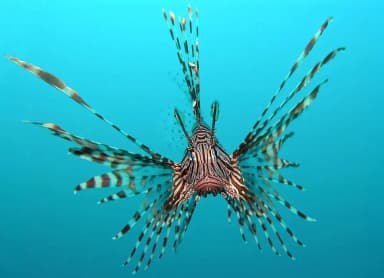
Feathers & Fangs from visitors
What people who've been to Riverbanks Zoo say
A Feather is something this zoo does well; a Fang is something it gets wrong. Left by people who've been, and read by us before they appear.
Loading…
About Riverbanks Zoo
Riverbanks Zoo and Garden is a 170-acre zoo, aquarium, and botanical garden along the Saluda River in Columbia, South Carolina, with a small portion extending into neighboring West Columbia. It is operated by the Rich-Lex Riverbanks Park Special Purpose District, a partnership of the city of Columbia and Richland and Lexington counties, overseen by a Riverbanks Park Commission made up of two members each from those three governments plus one at-large member. The Zoo is an accredited member of the Association of Zoos and Aquariums.
Columbia-area businessmen first conceived of a zoo for the state capital in the early 1960s, but the idea did not move beyond planning until 1969, when the state created the Rich-Lex Riverbanks Park Special Purpose District to run it. After five years of planning — made more complex by four archeological sites on the property — the Zoo opened on April 25, 1974. Within two years it became clear the Zoo would not be self-supporting, so the Riverbanks Zoological Society was created to help raise funds, with Palmer "Satch" Krantz appointed executive director around the same time. The original design featured mountainous, moated exhibits for big cats and bears. Today Riverbanks is South Carolina's largest gated attraction, averaging more than one million visitors a year, a large number relative to the roughly 800,000 people who live in the Columbia metropolitan area.
History
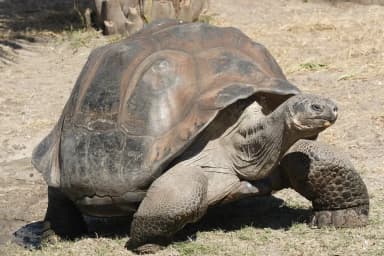
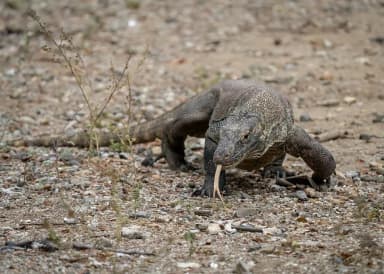
Riverbanks has expanded repeatedly since its 1974 opening. Riverbanks Farm, which lets guests feed the Zoo's goats and alpacas, opened in 1988, and the Aquarium Reptile Complex followed in 1989 as part of the Zoo's "Zoo II" plan — a 20,000-square-foot building with a 50,000-gallon tank for Pacific coral reef species alongside exhibits for Galapagos tortoises, false gharials, and Komodo dragons. The Education Center opened in 1983 for Zoo Camp, and the 70-acre botanical garden opened on June 10, 1995 at a cost of $6 million.
The Zoo's "Zoo 2002" plan, costing $15 million, brought major new exhibits: African elephants, gorillas, and koalas arrived in 2002, the same year Ndoki Forest opened to house the African elephant and western lowland gorilla alongside slender-tailed meerkats and other species. The Birdhouse at Riverbanks, opened in 2001, won a Significant Achievement Award from the AZA as one of the best new zoo exhibits in the country. A Malayan tapir arrived in 2013 and a breeding pair of North Sulawesi babirusas in 2012.
In June 2016, a new sea lion and harbor seal exhibit modeled after San Francisco's Pier 39 opened, along with a renovated entrance, otter exhibit, and grizzly bear exhibit, as part of a $36 million "Destination Riverbanks" plan; a children's garden with a dinosaur digging area also opened that year, the largest addition to the grounds since the 1995 botanical garden. Riverbanks announced a further expansion, "Bridge to the Wild," in May 2022, aimed at extending the Zoo into the gardens with a new restaurant and new species including orangutans, gibbons, red wolves, American black bears, and golden eagles; the plan's second phase was approved in December 2023 with roughly $80 million invested by Richland and Lexington counties.
Exhibits and habitats
African Plains is a 2-acre pair of exhibits featuring giraffes — including a paid feeding station — alongside Grant's zebra and ostrich. Ndoki Forest, opened in 2002, was built for larger African species and now includes a Southern white rhino exhibit that opened in 2020 after the Zoo's last elephant was transferred to the Milwaukee County Zoo in November 2019.
The Aquarium Reptile Complex holds Pacific coral reef fish alongside Galapagos tortoises, false gharials, and Komodo dragons, with a Galapagos tortoise sculpture outside; it closed for a year of major revisions starting in September 2021. Kangaroo Walkabout lets visitors walk a path into the exhibit to view wallabies and red kangaroos without a barrier, though guests must stay on the path. Conservation Outpost features threatened species including golden lion tamarins and fishing cats. Separate exhibits house Hamadryas baboons, lions, a Siberian tiger, meerkats, alligators, and siamangs. Waterfall Junction, opened in April 2016, is a children's play area with a splash pad, playground, and playhouses.
Animal highlights
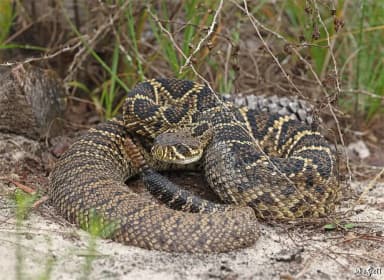
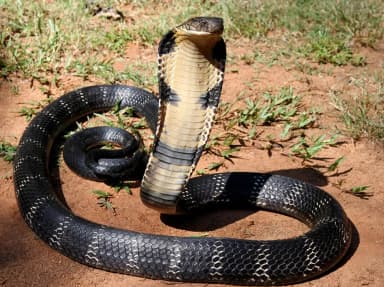
Riverbanks is home to more than 2,000 animals across mammal, bird, reptile, and fish collections, with at least 36 species listed on the zoo's website. Named species include the Amur tiger, western lowland gorilla, giraffe, Komodo dragon, king and gentoo and rockhopper penguins, koala, Grizzly bear, Malayan tapir, Matschie's tree kangaroo, golden lion tamarin, and California sea lion, alongside reptiles such as the green mamba, king cobra, and eastern diamondback rattlesnake. The botanical garden side of the property adds more than 4,200 species of native and exotic plants across its 70 acres.
The Zoo's last original animal, a female Caribbean flamingo present since the 1974 opening, died in March 2014. More recently, the resident lionesses Lindelani and Thabisa were transferred to Wildlife Safari in early November 2025, and two male African lions, Pesho and Sidai, arrived from Lincoln Park Zoo a month later.
Conservation and programs
Riverbanks describes conservation as central to its mission, working to address threats to biodiversity locally and globally in partnership with other AZA-accredited institutions. Its programs include the AZA Florida Reef Tract Rescue Project, which supports the genetic diversity of coral affected by stony coral tissue loss disease, and hospital work treating injured raptors and endangered species. The Satch Krantz Conservation Fund, named for the Zoo's longtime executive director, supports a range of regional, national, and international conservation projects.
Planning your visit
As listed on the Zoo's website, hours run from 9 a.m. to 5 p.m. Riverbanks offers discounted admission for military families and seniors over 62, both at $28.95 plus tax, and hosts Free Fridays in January and February for Lexington and Richland county residents with proof of residency. During the summer, a "Toucan Tuesdays" promotion lets two guests enter for the price of one in exchange for two canned or non-perishable food items, applied to general admission only.
Non-motorized wheelchairs rent for $10 plus tax, and single and double strollers rent for $10 to $13 plus tax; neither requires advance reservation. Zoo rides and attractions, including the Endangered Species Carousel and a giraffe feeding station, require a reloadable Explore More Card rather than cash, purchased at the ticket booth or at locations around the Zoo. Membership includes unlimited daytime visits for a year, free guest passes, a subscription to Riverbanks magazine, gift shop discounts, and education programs; a same-day paid admission receipt can be applied toward membership if purchased before leaving.
Confirm current hours, admission prices, and ride pricing on the Zoo's official website before your visit.
What we haven't confirmed
Everything above came from public sources. These specifics we haven't stood behind yet:
- Current ticket prices for general admission
- Exact current animal count and full species count
- Parking availability and cost
- Average time needed for a visit
- Phone number for general inquiries
Riverbanks Zoo compared with nearby zoos
How Riverbanks Zoo lines up against the closest zoos we have details for — useful if you're deciding between them for the same day out.
| Zoo | Distance | Admission | Hours | Size | AZA |
|---|---|---|---|---|---|
| Riverbanks ZooThis zooColumbia, SC | — | $27.95–$30.95 | 9:00 am – 5:00 pm | 170 acres | Yes |
| Greenville ZooGreenville, SC | 95 mi | $15 | Spring/Summer (Mar 7 – Nov 2): daily 9:00 AM – 5:00 PM. Fall/Winter (Nov 3 – Mar 6): daily 10:00 AM – 5:00 PM. Last admission 4:00 PM. Closed Thanksgiving, Christmas Eve, Christmas Day, New Year's Day; annual maintenance closure Feb 2 – Feb 13. | — | Yes |
| Charles Towne LandingCharleston, SC | 104 mi | $12 | 9 am – 4 pm | 664 acres | No |
| Brookgreen GardensMurrells Inlet, SC | 118 mi | $25 | Daily 9:30 AM – 5:00 PM; gates close 30 min before closing. Site also mentions extended hours Wed & Sat until 8:00 PM (season not specified). | 9100 acres | Yes |
Distances are straight-line. A dash means we haven't confirmed that detail yet, not that the zoo lacks it.
AZAThe Association of Zoos and Aquariums. Accredited members have passed an independent inspection of animal care and welfare, safety, conservation and education, repeated every five years. Many smaller facilities never apply, so “not accredited” isn't a verdict on its own. What accreditation means · How we check this
Riverbanks Zoo: common questions
Is Riverbanks Zoo AZA accredited?
Yes, it is an accredited member of the Association of Zoos and Aquariums.
How big is Riverbanks Zoo?
The zoo and garden together cover 170 acres along the Saluda River, including a 70-acre botanical garden.
When did Riverbanks Zoo open?
It opened on April 25, 1974, after five years of planning.
How many animals can visitors see?
More than 2,000 animals across mammal, bird, reptile, and fish collections, with at least 36 species listed on the zoo's website.
Are wheelchairs and strollers available?
Yes. Non-motorized wheelchairs rent for $10 plus tax, and strollers rent for $10 to $13 plus tax; neither requires a reservation.
Is there a botanical garden on site?
Yes, a 70-acre botanical garden with more than 4,200 species of native and exotic plants, opened in 1995.
How many visitors does the Zoo get each year?
Riverbanks averages more than one million visitors annually, making it South Carolina's largest gated attraction.
Something wrong here? Tell us — we correct in place, with a dated note.