
Micke Grove Zoo
Lodi, CA
- Admission
- $5
- Size
- 5 acres
- Opened
- 1957
- Accreditation
- None listed
not accredited by the Association of Zoos and Aquariums
Everything below is directory information drawn from public sources and the zoo's own site.
Animals at Micke Grove Zoo
20 confirmedMammals8
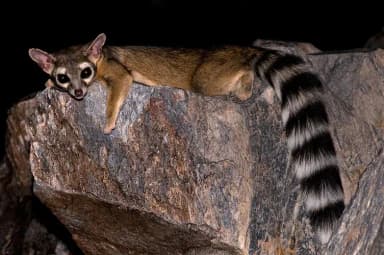 Robertbody at en.wikipedia · CC BY-SA 3.0
Ringtail
 David J. Stang · CC BY-SA 4.0
Prevost's Squirrel
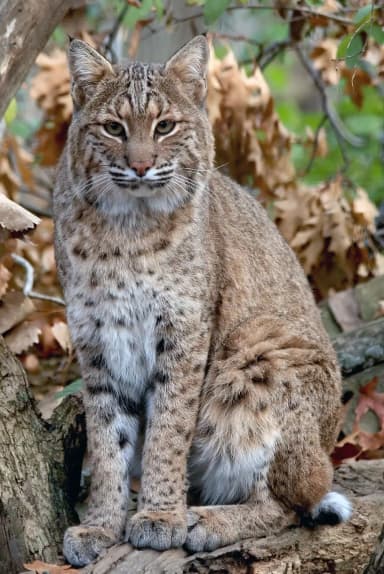 Becker1999 (Paul and Cathy) · CC BY 2.0
Bobcat
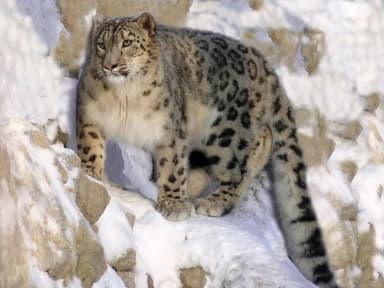 Irbis1983 · Public domain
Snow Leopard
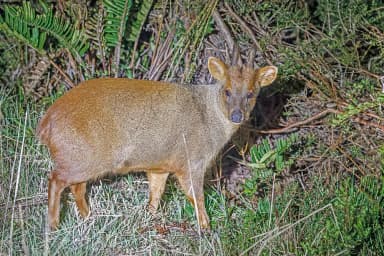 Charles J. Sharp · CC BY-SA 4.0
Southern Pudu
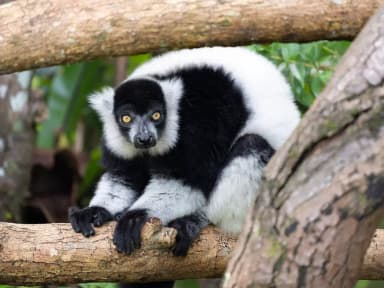 Chensiyuan · CC BY-SA 4.0
Black-and-white Ruffed Lemur
 ClaudiaTen · CC BY-SA 4.0
Red Fox
Birds6


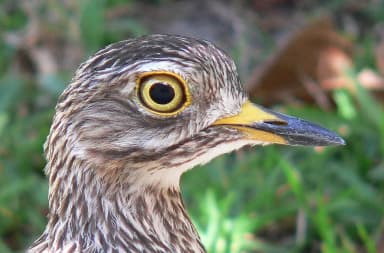
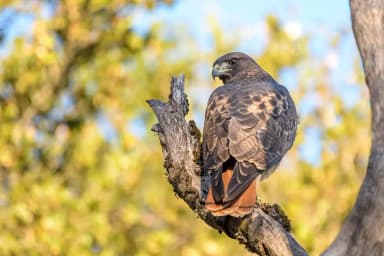
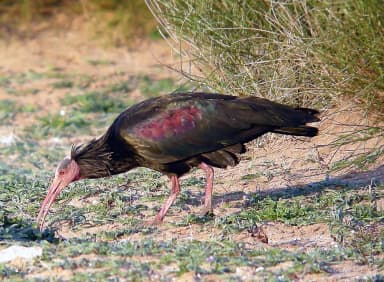

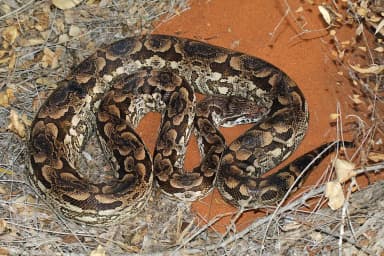
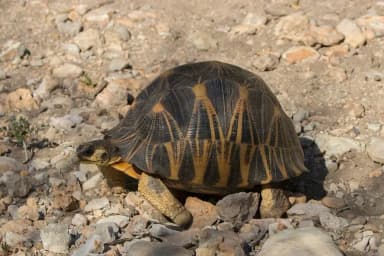
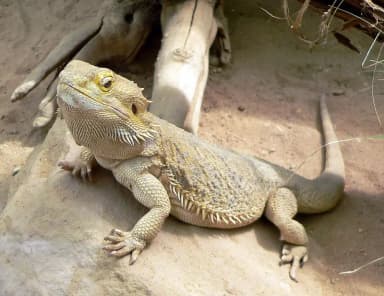
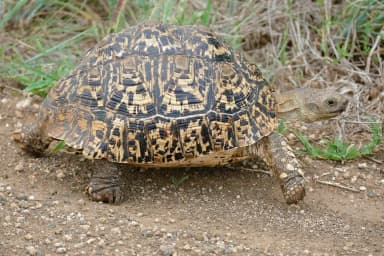
Feathers & Fangs from visitors
What people who've been to Micke Grove Zoo say
A Feather is something this zoo does well; a Fang is something it gets wrong. Left by people who've been, and read by us before they appear.
Loading…
About Micke Grove Zoo
Micke Grove Zoo is a small, 5-acre zoo in Lodi, California, that opened in 1957. It sits inside Micke Grove Regional Park, a larger county park that also includes a Japanese Garden, the San Joaquin County Historical Society and Museum, an amusement park, picnic shelters, and disc golf. The zoo has at times been counted as the smallest zoo accredited by the Association of Zoos and Aquariums, though it currently does not hold that accreditation.
The zoo's collection today centers on native animals and exotic species, some of which are endangered, including non-releasable raptors, tortoises, and several species of lemur. It also holds endangered primates and birds, among them parrots and tortoises originally from Madagascar.
History
The land that became Micke Grove Regional Park was donated to San Joaquin County in 1938 by the Micke family, who gave the county a 258-acre oak tree park. The zoo opened in 1957 under its first curator, Ronald Theodore Reuther, and was dedicated to the wife of the Micke family, who died in 1952. Much of the early zoo was built by William C. Hoegerman, and in 1958 the Micke family added 24 cages to house African lions, a Bengal tiger, Malayan sun bears, California bears, chimpanzees, a baboon, a mandrill, and various birds, along with a large aviary.
By 1981, the zoo's accreditation from the American Association of Zoological Parks and Aquariums had been cancelled because of outdated, cramped facilities, prompting the county Board of Supervisors to consider admission charges and public contributions to fund improvements. In 1985, the zoo drew 400,000 visitors. It renovated its Monkey Island in 1986 and added a family of ruffed lemurs, followed by a more naturalistic lemur habitat begun in 1989. A 1997 remodel emphasized conservation, and the zoo took part in the Species Survival Plan, but it lost its AZA accreditation again in April 2006 due to aging exhibits and cramped veterinary space.
The zoo closed briefly in 2016 during a strike by Service Employees International Union Local 1021, and lost its accreditation again in 2018. A 2019 civil grand jury found that San Joaquin County had relied too heavily on trust funds to support the zoo's budget, and recommended the county work with the Zoological Society on a revised operating agreement and pursue "affordable accreditation." The Zoological Society sued the county in 2020 after its members were locked out of the zoo during negotiations over that agreement. The zoo closed for the COVID-19 pandemic and reopened in February 2021.
Exhibits and habitats
Much of the zoo's physical layout dates to its earliest years, when William C. Hoegerman built most of the original enclosures, including 24 cages added in 1958 for lions, a Bengal tiger, sun bears, chimpanzees, and other animals, along with a large sixteen-cage aviary. Monkey Island, one of the zoo's longer-running exhibits, was renovated in 1986 to add a family of ruffed lemurs, and a more naturalistic lemur habitat began construction in 1989. A further remodel in 1997 shifted the zoo's exhibits toward a conservation-focused design.
Today the zoo's habitats center on lemurs, tortoises, and non-releasable raptors, with the snow leopard added to the collection in 2014. A planned expansion of the snow leopard habitat and a new home for Oriental small-clawed otters began construction around 2010 but was halted partway through and has not resumed pending further funding.
Animal highlights
The zoo's collection includes a variety of non-releasable raptors, tortoises, and several species of lemur, along with endangered primates and birds such as parrots and tortoises from Madagascar. A snow leopard was added to the collection in 2014. An expansion planned in 2010 was meant to add Oriental small-clawed otters and a larger snow leopard habitat, but construction stalled partway through and has been postponed pending additional funding.
The zoo participates in an international Species Survival Plan to support wildlife that is endangered or critically endangered in the wild, and has made contributions to that program through captive breeding of golden lion tamarin, Chilean pudu, and Waldrapp ibis.
Conservation and programs
Micke Grove Zoo's educational programs are funded with support from the Micke Grove Zoological Society. School-based offerings include six weeks of private zoo camp for San Joaquin County students, five weeks of public zoo camp, Animal Discovery Tours, and off-site Zoo Mobile programs. Its more popular public programs and events include Zoo After Dark, Zoo Tots, Toys for Critters, and HalloWILD.
Planning your visit
Current hours, admission prices, and parking details were not available in the sources used for this page. Visitors should check the zoo's official website before planning a trip.
What we haven't confirmed
Everything above came from public sources. These specifics we haven't stood behind yet:
- Current hours
- Ticket prices
- Parking details
- Total animal and species counts
- Accessibility and stroller/wheelchair information
Micke Grove Zoo compared with nearby zoos
How Micke Grove Zoo lines up against the closest zoos we have details for — useful if you're deciding between them for the same day out.
| Zoo | Distance | Admission | Hours | Size | AZA |
|---|---|---|---|---|---|
| Micke Grove ZooThis zooLodi, CA | — | $5 | Wednesday – Sunday 10:00 AM – 5:00 PM (last entrance 4:30 PM); closed Monday & Tuesday. | 5 acres | No |
| Sacramento ZooSacramento, CA | 34 mi | $17.25–$28 | 9 am – 4 pm | 4.2 acres | Yes |
| Six Flags Discovery KingdomVallejo, CA | 52 mi | from $39 | Operating days and hours vary by date — see park calendar. | 135 acres | No |
| Oakland ZooOakland, CA | 53 mi | $17–$28 | 9:30am – 2:00pm | — | Yes |
Distances are straight-line. A dash means we haven't confirmed that detail yet, not that the zoo lacks it.
AZAThe Association of Zoos and Aquariums. Accredited members have passed an independent inspection of animal care and welfare, safety, conservation and education, repeated every five years. Many smaller facilities never apply, so “not accredited” isn't a verdict on its own. What accreditation means · How we check this
Micke Grove Zoo: common questions
Is Micke Grove Zoo AZA accredited?
No. It has lost its Association of Zoos and Aquariums accreditation more than once, most recently in 2018, and does not currently hold it.
How big is Micke Grove Zoo?
It covers about 5 acres within the larger Micke Grove Regional Park.
When did Micke Grove Zoo open?
It opened in 1957.
What animals can visitors see?
The current collection includes non-releasable raptors, tortoises, and several lemur species, plus endangered primates and birds such as parrots and tortoises from Madagascar, and a snow leopard.
Does the zoo run education programs?
Yes, including zoo camps for San Joaquin County students, Animal Discovery Tours, and off-site Zoo Mobile programs, all funded through the Micke Grove Zoological Society.
Something wrong here? Tell us — we correct in place, with a dated note.