
Animal care
Animal ambassador
Also called Ambassador animal, Program animal, Education animal, Animal ambassador program
Definition
An animal ambassador, or ambassador animal, is a zoo or aquarium animal that takes part in education programs, such as keeper talks, classroom visits and up-close encounters. Many are rescued animals that cannot be released to the wild.
On this page
What an animal ambassador is
An animal ambassador, more often called an ambassador animal, is an animal whose job at a zoo or aquarium includes meeting people up close to help them learn about wildlife.
You'll meet ambassador animals at keeper talks, bird shows, classroom programs, birthday parties and outreach visits to schools and libraries. The Association of Zoos and Aquariums (AZA) used to call them program animals and changed its wording to "ambassador animals" in 2015.
Common ambassador animals
Ambassadors tend to be animals that are calm around people and safe to handle or present. Common examples include:
- Birds of prey, such as owls, hawks and falcons
- Small mammals, like armadillos, opossums, porcupines and hedgehogs
- Reptiles, such as ball pythons, tortoises and lizards
- Other birds, including kookaburras, parrots and penguins
- Invertebrates, like cockroaches, millipedes and tarantulas
Where ambassador animals come from
Many ambassadors are non-releasable wildlife: animals that came through wildlife rehabilitation but can't survive on their own. A great horned owl with a permanent wing injury, or a young animal that became too used to people, may find a second career as an educator.
Others are born in zoos and raised from a young age to be comfortable with handlers, travel and crowds.
Why zoos use ambassador animals
AZA's Conservation Education Committee calls ambassador animals "an important and powerful educational tool." Research it cites found that visitors watched animals three to four times longer during presentations with an educator than on exhibit, and asked many more questions.
Seeing an animal up close, and hearing its story from the person who cares for it, can make a lasting impression, especially for kids.
How ambassadors are cared for
Good programs put the animal's welfare first. Ambassadors are trained with positive reinforcement, given choice about taking part, rotated so they get rest days, and provided with enrichment like any other zoo animal. AZA publishes guidelines and runs an Ambassador Animal Scientific Advisory Group to support good practice.
If you meet one, follow the handler's lead, keep your voice low and only touch when invited. Our zoo etiquette guide has more tips.
Examples
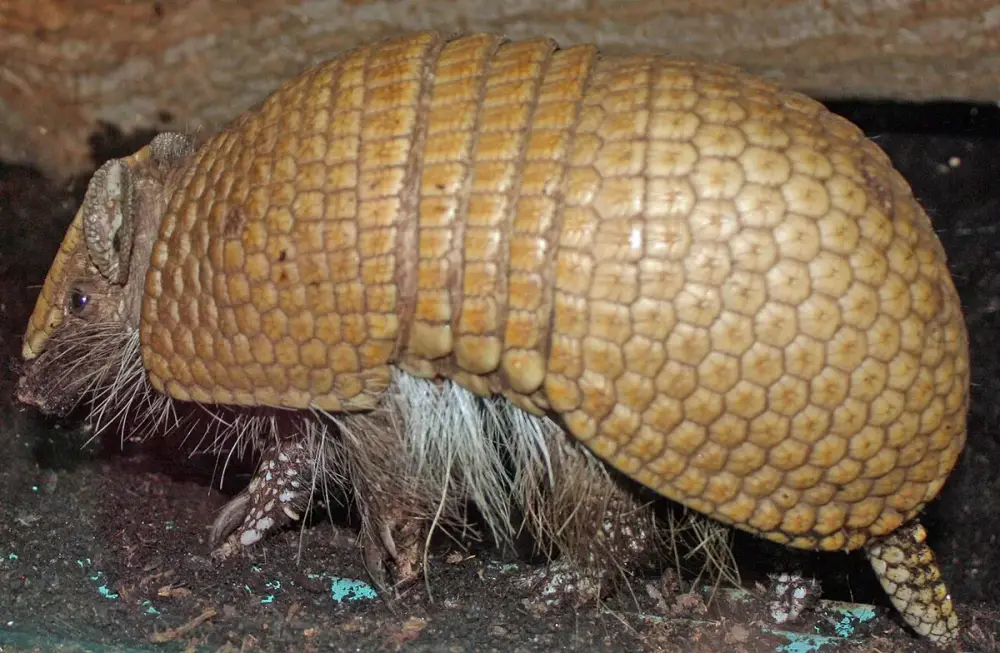 SouthernThreeBandedArmadillo065.jpg : Ltshears derivative work: WolfmanSF ( talk ) · CC BY-SA 3.0
Three-banded Armadillo
Tolypeutes matacus
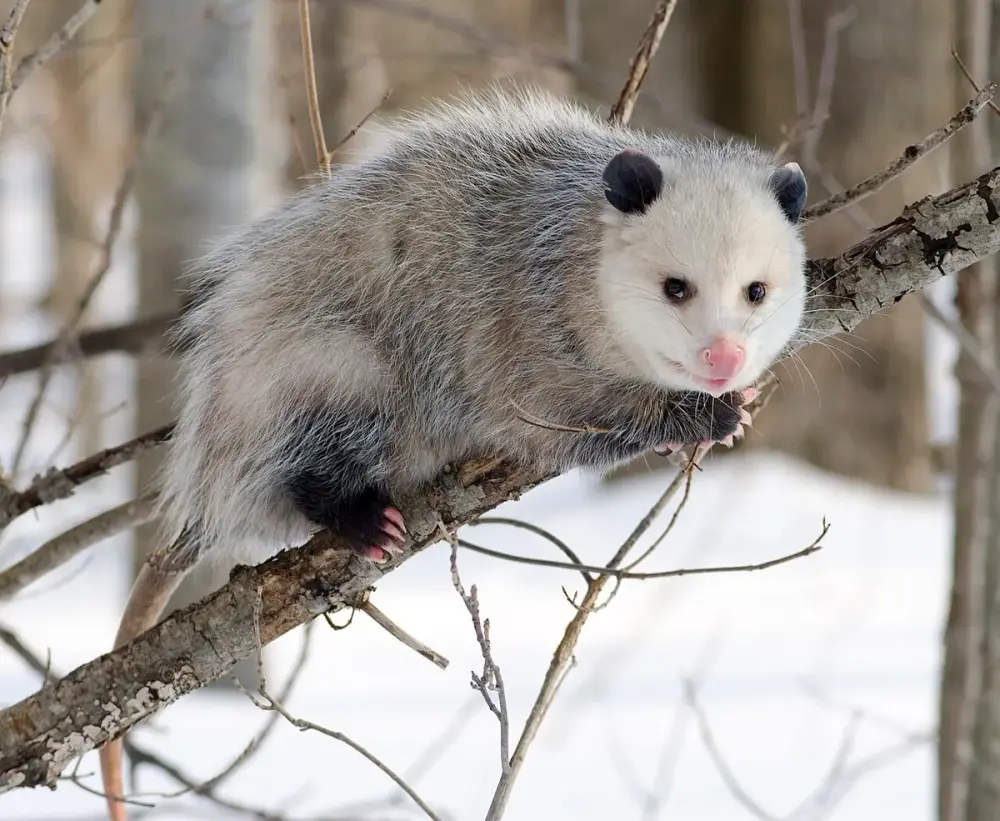 Cody Pope · CC BY-SA 2.5
Virginia Opossum
Didelphis virginiana
 Photo by: Paulweberphoto - paulweberphoto.com · CC BY 4.0
Laughing Kookaburra
Dacelo novaeguineae
 HCA ( talk ) · CC BY-SA 3.0
Ball Python
Python regius
 Wikimedia Commons · Public domain
North American Porcupine
Erethizon dorsatum
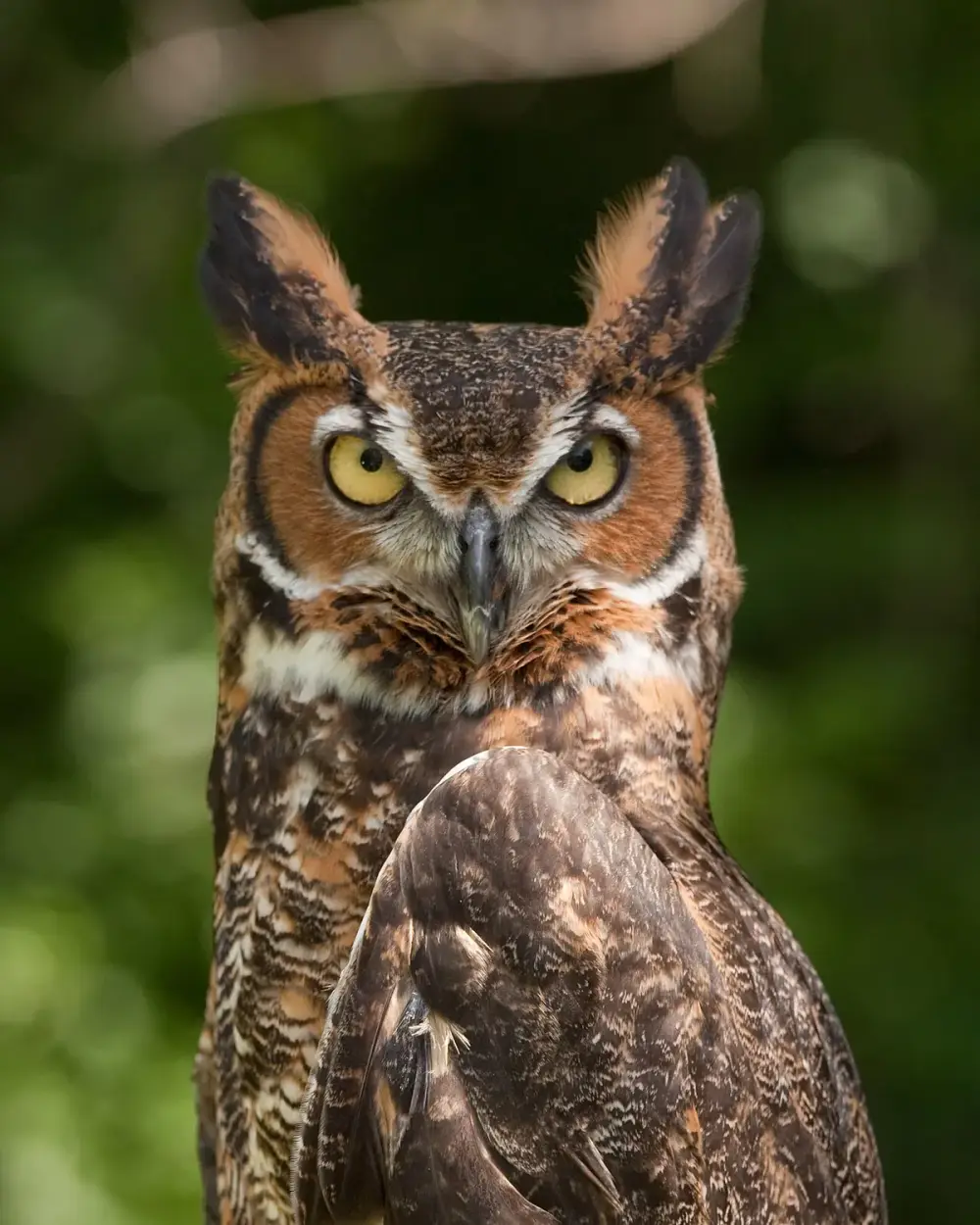 Greg Hume · CC BY-SA 3.0
Great Horned Owl
Bubo virginianus
Common questions
What is an ambassador animal?
An ambassador animal is a zoo or aquarium animal that helps teach people about wildlife, usually by appearing up close in keeper talks, shows, school programs or outreach visits.
Where do zoo ambassador animals come from?
Many are rescues that can't survive in the wild, such as birds with wing injuries or animals that became too used to people. Others are born in zoos and raised to be comfortable around people and handling.
Is it OK to touch an ambassador animal?
Only if the handler invites you to, and only in the way they show you, often with two fingers along the back. Always follow the staff's instructions, since the animal's comfort comes first.
Why were program animals renamed ambassador animals?
AZA updated its terminology in 2015, changing 'program animal' to 'ambassador animal' in its education position statement. Both terms describe the same role.
Related terms
- Animal husbandryIn zoos, animal husbandry is the day-to-day care and management of animals: feeding and nutrition, cleaning and habitat upkeep, health monitoring, record keeping and training. It covers everything keepers and veterinarians do to keep each animal healthy.
- Animal enrichmentAnimal enrichment is anything zookeepers add to an animal's surroundings or routine to encourage natural behaviors, such as foraging, exploring and problem-solving. It includes puzzle feeders, new scents, toys, habitat changes and social time, and it is a core part of good animal welfare.
- Wildlife rehabilitationWildlife rehabilitation is the care of injured, sick or orphaned wild animals by trained, permitted rehabilitators, with the goal of releasing them back into the wild. Animals that recover but can't survive on their own sometimes become educational animal ambassadors.
- AZA accreditationAZA accreditation is a voluntary, independent review by the Association of Zoos and Aquariums that confirms a zoo or aquarium meets professional standards for animal welfare, veterinary care, conservation, education and safety. Accredited facilities are re-inspected every five years.
Sources
- Ambassador Animal Position Statement, AZA Conservation Education Committee
- Ambassador Animals (Association of Zoos and Aquariums)
- AASAG and AZA Position Statements, Ambassador Animal Scientific Advisory Group
Last reviewed
Get the Feather & Fang newsletter
Zoo news, animal features and what's new in the directory. Occasional, never spammy.