
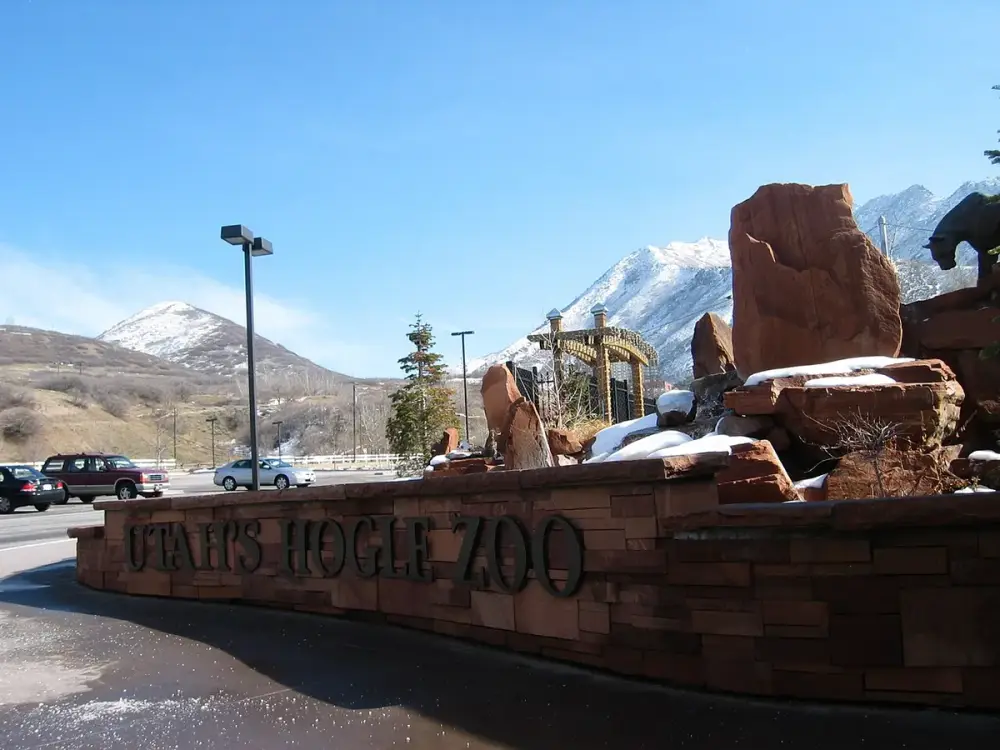
- Admission
- $22.95–$26.95
- Size
- 42 acres
- Animals
- 800
- Opened
- 1931
- Accreditation
- AZA
varies by season
Association of Zoos and Aquariums
Everything below is directory information drawn from public sources and the zoo's own site.
Animals at Utah's Hogle Zoo
37 of the ~139 species this zoo listsThis is a partial list — we only show species we've confirmed against the zoo's own pages, and their full collection is considerably larger.
Mammals30
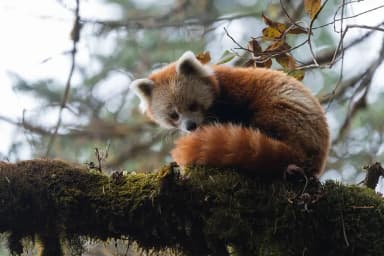 Sunuwargr · CC BY-SA 4.0
Red panda
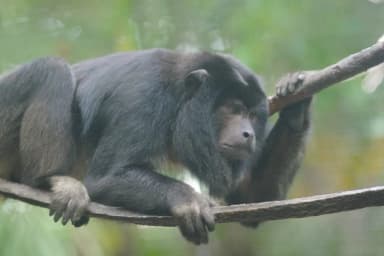 Ryan E. Poplin · CC BY-SA 2.0
Black Howler Monkey
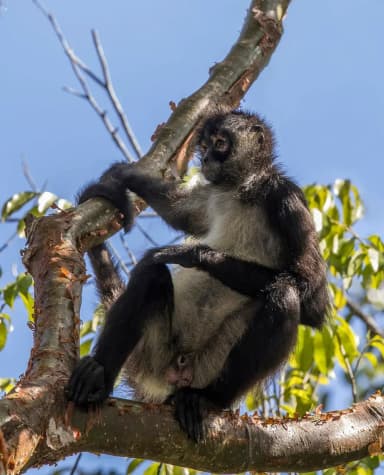 Charles J. Sharp · CC BY-SA 4.0
Black-handed Spider Monkey
 Christian Ursilva from Copenhagen, Denmark · CC BY-SA 4.0
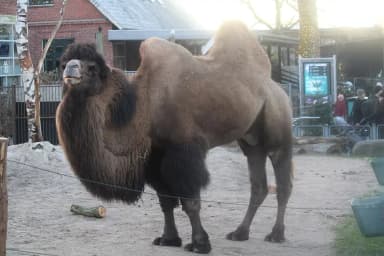
Bactrian Camel
 Giles Laurent · CC BY-SA 4.0
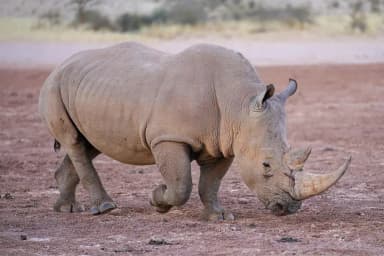
White Rhinoceros
 Tuxyso · CC BY-SA 3.0
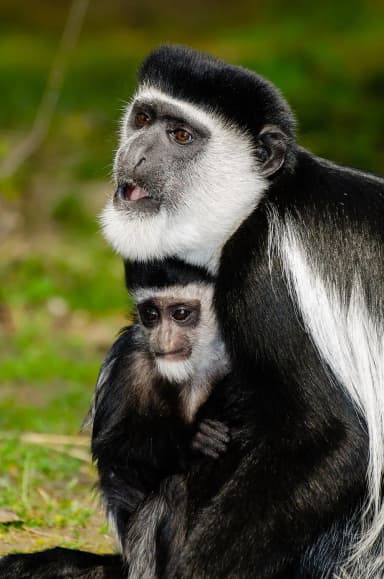
Black-and-white Colobus
 Claudia Feh · CC BY-SA 4.0
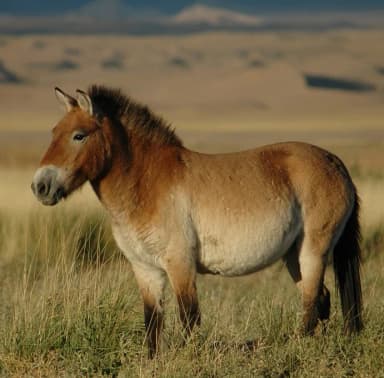
Przewalski's Horse
 Wikimedia Commons · Public domain
North American Porcupine
 Thomas Fuhrmann · CC BY-SA 4.0
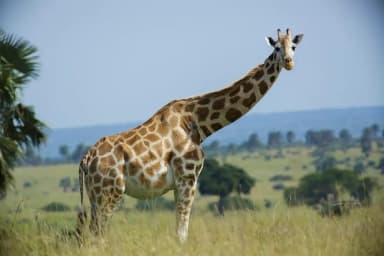
Giraffe
 Brocken Inaglory · CC BY-SA 3.0
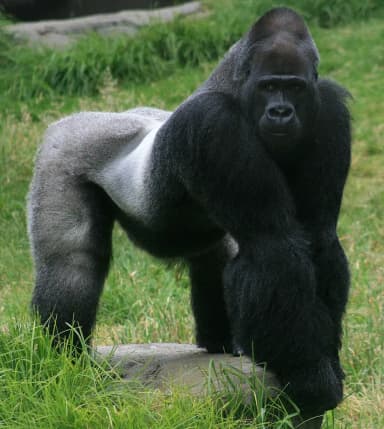
Gorilla
 USFWS Mountain-Prairie · Public domain
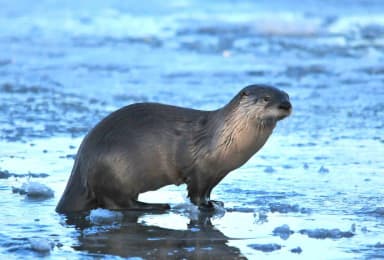
North American River Otter
 Becker1999 (Paul and Cathy) · CC BY 2.0
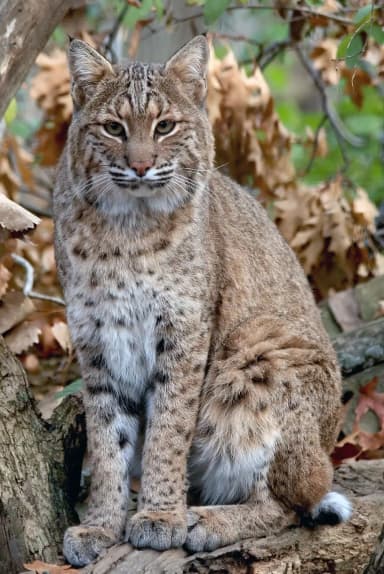
Bobcat
 Sander van der Wel · CC BY-SA 2.0
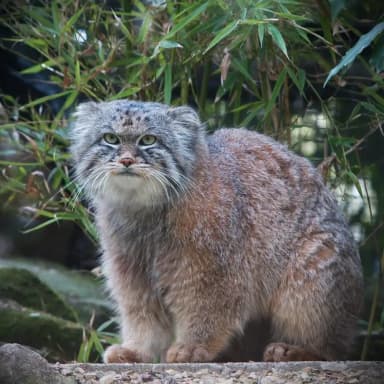
Pallas's Cat
 Jwanamaker · CC BY-SA 3.0
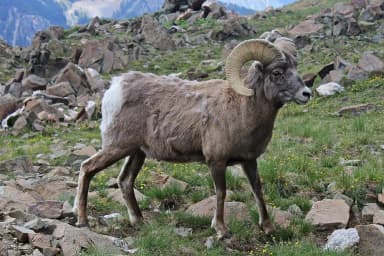
Bighorn Sheep
 Giles Laurent · CC BY-SA 4.0
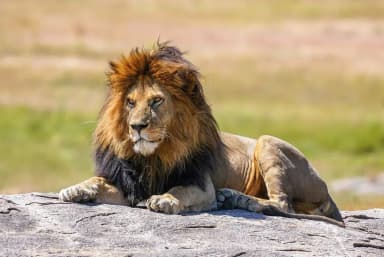
Lion
 Profberger · CC BY-SA 3.0
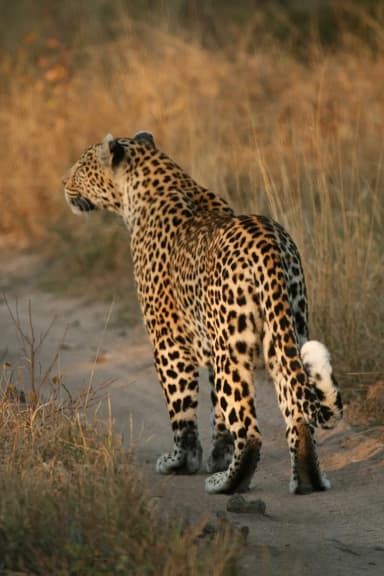
Leopard
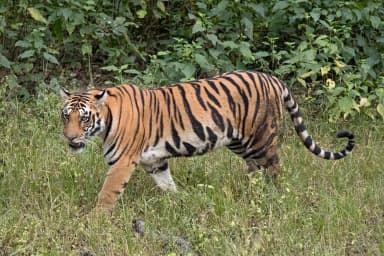 Charles J. Sharp · CC BY-SA 4.0
Amur tiger
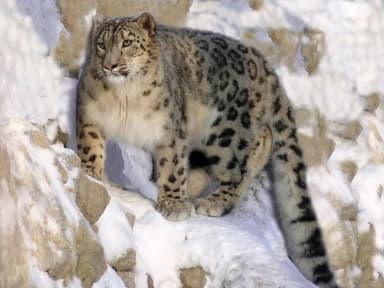 Irbis1983 · Public domain
Snow Leopard
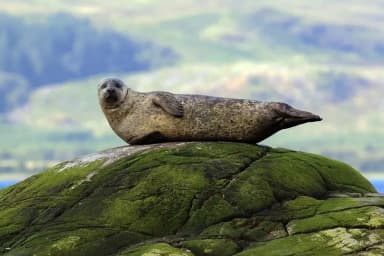 Charles J. Sharp · CC BY-SA 4.0
Harbor Seal
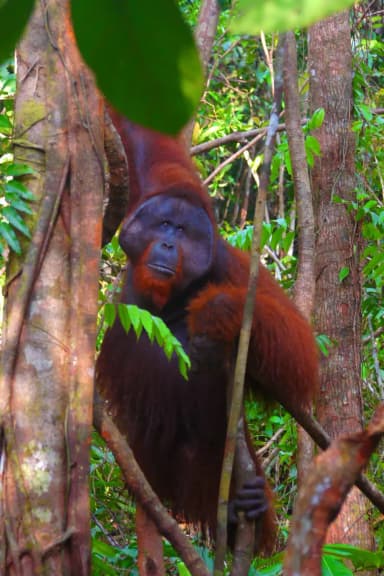 Nanosanchez · CC BY-SA 4.0
Orangutan
 National Park Service · Public domain
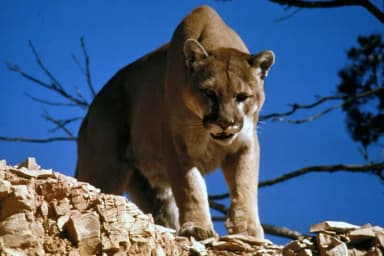
Cougar
 Charles J. Sharp · CC BY-SA 4.0
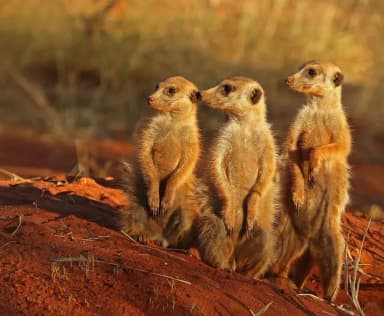
Meerkat
 Yathin S Krishnappa · CC BY-SA 3.0
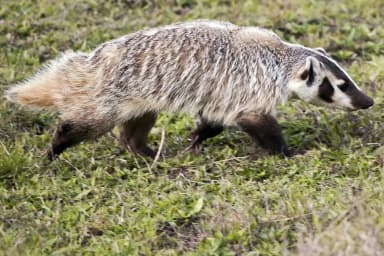
American Badger
 VJAnderson · CC BY-SA 4.0
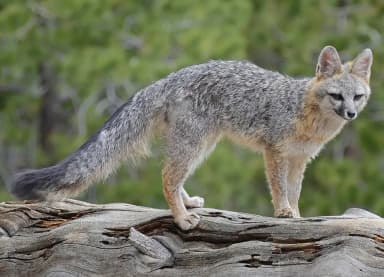
Gray Fox
 Yathin S Krishnappa · CC BY-SA 3.0
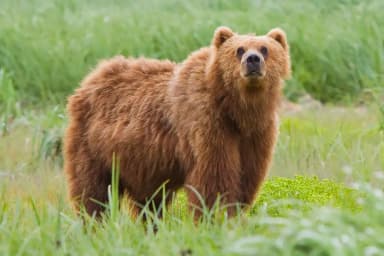
Grizzly bear
 Alan Wilson · CC BY-SA 3.0
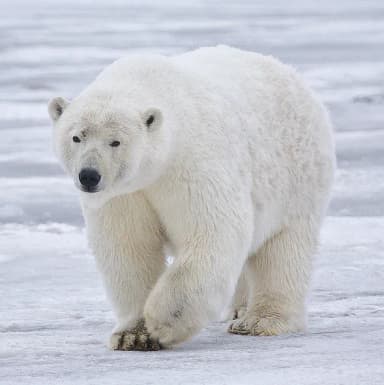
Polar Bear
 (c) Jonathan Eisen, some rights reserved (CC BY) · CC BY 4.0
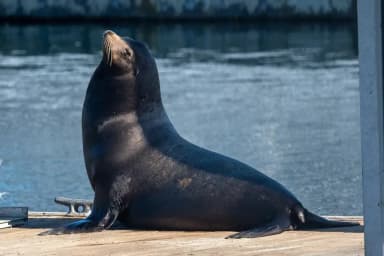
California Sea Lion
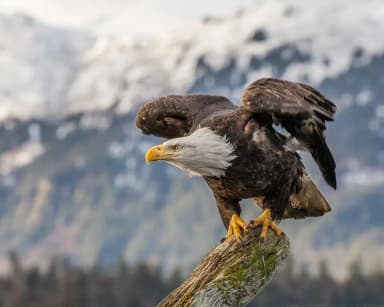
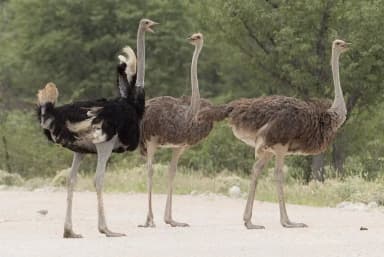
Birds3
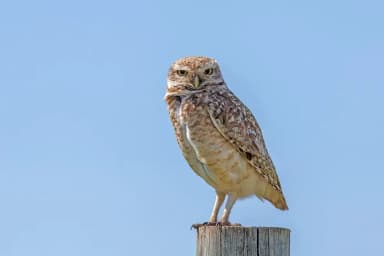
Reptiles3
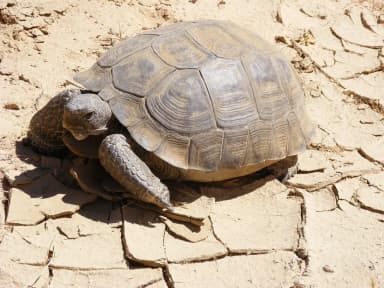
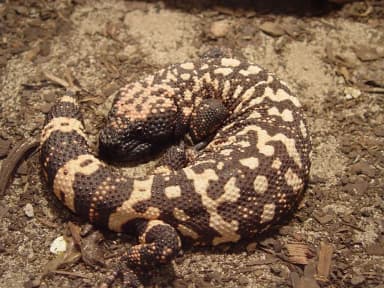
Amphibians1
Feathers & Fangs from visitors
What people who've been to Utah's Hogle Zoo say
A Feather is something this zoo does well; a Fang is something it gets wrong. Left by people who've been, and read by us before they appear.
Loading…
About Utah's Hogle Zoo
Utah's Hogle Zoo sits on 42 acres of hillside terrain at the mouth of Salt Lake City's Emigration Canyon, land donated by Mr. and Mrs. James A. Hogle when the zoo relocated there in 1931 from its original site in Liberty Park. It is a non-profit organization supported by Salt Lake County's Zoo, Arts and Parks tax along with private donations raised through the Utah Zoological Society. The zoo has been accredited by the Association of Zoos and Aquariums since 1979 and by the World Association of Zoos and Aquariums as well — a distinction held by fewer than 10 percent of the nation's licensed wildlife exhibitors — and is described in its own materials as one of the largest zoos in the Intermountain West. As of September 2025, its AZA accreditation runs through September 2030.
Hogle Zoo describes its collection as more than 800 animals representing 139 species, more than 60 of which are considered threatened or endangered. Most of the collection takes part in AZA Species Survival Plans, coordinated breeding programs designed to maintain genetic diversity among captive populations, while some residents — including animals in the Rocky Shores habitat — arrived as rescues from the wild rather than through breeding programs.
History
The zoo's current site was donated by James A. Hogle and his wife in 1931; before that, it operated in Salt Lake City's Liberty Park. Its earliest chapter goes back to 1916, when the zoo purchased an elephant named Princess Alice from a traveling circus; she later gave birth to Prince Utah, the first elephant born in Utah, who died after eleven months.
Since relocating to Emigration Canyon, the zoo has built out its collection through a series of major exhibits: the Small Animal Building, its oldest exhibit today, opened in 1971, and the Great Apes exhibit followed in 1983, with the Primate Forest's first phase opening in 1996. A wave of larger renovations began in the 2000s — Elephant Encounter opened in 2005 and Asian Highlands in 2006 — followed by Rocky Shores, a modernized coastal habitat and aquarium, in 2012, and a 4.5-acre African Savanna in 2014. Creekside, a children's learning area, opened in 2016, and most recently Wild Utah opened in 2024 on three acres of the zoo's east side that had previously been visible only from the train.
The zoo ended its elephant program in 2023, relocating its two remaining African elephants, Christie and Zuri, to the Kansas City Zoo & Aquarium after a comprehensive evaluation concluded that a larger, multigenerational herd offered them a better chance to breed. The former Elephant Encounter exhibit was rethemed as High Desert Oasis, now home to species from extreme environments including Przewalski's horse, Hartmann's mountain zebra, southern white rhinoceros, and Bactrian camel.
Exhibits and habitats
Great Apes, opened in 1983, gives its resident gorillas and orangutans four indoor habitats for Utah's winters plus two outdoor yards; the zoo's breeding programs there have produced recent births including gorilla Addo in 2024 and orangutan Weila in 2025. The adjoining Primate Forest, opened in 1996, holds a guereza group along with black howler monkeys and spider monkeys.
Asian Highlands, opened in 2006 in a renovated former feline building, is home to highland species including Siberian tigers, Amur leopards, snow leopards, and Pallas's cats, joined a decade later by markhors and Chinese red pandas. Rocky Shores, a 2012 coastal habitat and aquarium, houses a breeding pair of polar bears, grizzly bear siblings, harbor seals, California sea lions, North American river otters, and bald eagles.
The African Savanna, built out to 4.5 acres in 2014, is split between a habitat for African lions and a larger shared space for reticulated giraffes, Hartmann's mountain zebras, common ostriches, common warthogs, and helmeted guineafowl; a third habitat, Meerkat Manor, opened in 2019, and guests can feed giraffes from the Twiga Terrace viewing platform. High Desert Oasis, the renamed former elephant habitat, now rotates four species — Przewalski's horse, Hartmann's mountain zebra, southern white rhinoceros, and Bactrian camel — through its guest-facing yards.
Wild Utah, opened in 2024, is built around native Utah wildlife, including pollinators, burrowing owls, desert tortoises, mountain lions, boreal toads, desert bighorn sheep, an American badger, American porcupines, gray foxes, a bobcat, and yellow-bellied marmots. The Small Animal Building, the zoo's oldest exhibit, holds a mix of smaller mammals, birds, reptiles, amphibians, arthropods, and fish, with a hillside habitat nearby for two sibling pairs of red foxes.
Attractions on the grounds include Oasis Plaza, a central hub anchored by the Conservation Carousel, and Creekside, a children's area completed in 2016 with a playground, a boardwalk over Emigration Creek, and a Discovery Theater used for animal ambassador programs.
Animal highlights
Hogle Zoo's own materials describe a collection of more than 800 animals representing 139 species, at least 65 of which are threatened or endangered. Notable residents include western lowland gorillas and Bornean orangutans in Great Apes; Siberian tigers, Amur leopards, snow leopards, and Pallas's cats in Asian Highlands; a breeding pair of polar bears along with grizzly bears, harbor seals, and California sea lions in Rocky Shores; and reticulated giraffes, African lions, and common warthogs in the African Savanna. Two of the zoo's most notable individual animals were both record-holders: Dari, once the oldest living African elephant in the world at 55, and Daphne, once the oldest living giraffe in the world, who arrived from the San Diego Zoo Safari Park in 1985 and had nine calves before her death at 31 — roughly double the average giraffe lifespan.
Conservation and programs
Most of Hogle Zoo's collection is enrolled in AZA Species Survival Plans, which coordinate breeding across accredited zoos to preserve genetic diversity, and the zoo runs a Big Six program that partners with organizations working to protect the African lion, Bornean orangutan, polar bear, African elephant, radiated tortoise, and boreal toad. The zoo has taken part in several wildlife reintroduction efforts, including releasing bald eagle chicks bred on-site in the late 1980s and early 1990s back into Arkansas and Georgia, sending a golden lion tamarin to Brazil's Poço das Antas Biological Reserve in 1994, and flying two zoo-born black-and-white ruffed lemurs to Madagascar's Betampona Reserve in 1998 after training at the Duke Lemur Center. The zoo's Boreal Toad Conservation Center, opened in 2015, raises toad eggs collected from the wild to adulthood for breeding, and released 21 boreal toads onto Utah's Paunsaugunt Plateau in 2021. Conservation efforts closer to home have earned recognition too: the zoo received the Recycling Coalition of Utah's Thomas A. Martin Utah Recycler of the Year award in 2005, and it took in 150 to 200 oiled birds for cleaning after a 2010 pipeline spill in Red Butte Creek.
Planning your visit
Hogle Zoo lists its hours as 9:00 a.m. to 6:00 p.m., as posted on the zoo's website, and prices tickets at $22.95 for adults and $18.95 for children as of when this was checked; the zoo also offers a $2 per-ticket discount for buying online. Because both hours and prices are subject to change, confirm current figures on the official site before visiting.
An annual membership is available and, according to the zoo, tends to pay for itself after about three visits through free general admission and discounts on food, events, and the gift shop. Group discounts apply for parties of 20 or more paying together, and the zoo does not offer refunds for inclement weather. Manual and electric wheelchairs, strollers, and wagons are available to rent on a first-come, first-served basis and cannot be reserved ahead of time.
The zoo notes an elevation change of up to 50 feet between its highest point at the front entrance and its lowest point at Rocky Shores — equivalent to a four-story building — so paths vary in how accessible they are depending on the route taken. Food options include the Beastro near Lion Hill, Oasis Plaza's Oasis Café, the Shoreline Grill by Rocky Shores, and the Cat Wok Café near the big cats. Outside food and non-alcoholic drinks are permitted, though alcohol and glass containers are not. The zoo can be reached at (801) 584-1700. Confirm current hours, prices, and any closures on the zoo's official website before your visit.
What we haven't confirmed
Everything above came from public sources. These specifics we haven't stood behind yet:
- Exact parking location and fees
- Annual attendance figures
- Time needed for a full visit
Utah's Hogle Zoo compared with nearby zoos
How Utah's Hogle Zoo lines up against the closest zoos we have details for — useful if you're deciding between them for the same day out.
| Zoo | Distance | Admission | Hours | Size | AZA |
|---|---|---|---|---|---|
| Utah's Hogle ZooThis zooSalt Lake City, UT | — | $22.95–$26.95 | 9 AM – 6 PM | 42 acres | Yes |
| ZootahLogan, UT | 67 mi | $9 | October: Thu–Sat 11:00 AM – 5:00 PM; Sun 12:00 – 5:00 PM; closed Mon–Wed. Closed the week of Thanksgiving. | — | No |
| Zoo IdahoPocatello, ID | 148 mi | $7 | 10AM – 4PM | 25 acres | No |
| Idaho Falls Zoo at Tautphaus ParkIdaho Falls, ID | 188 mi | $12.50 | Regular season ended Sept 27. Open Oct 2–4 and Oct 9–11 (Fri–Sun) 9:30 AM – 5:00 PM, last admission 4:30 PM, weather permitting. | — | Yes |
Distances are straight-line. A dash means we haven't confirmed that detail yet, not that the zoo lacks it.
AZAThe Association of Zoos and Aquariums. Accredited members have passed an independent inspection of animal care and welfare, safety, conservation and education, repeated every five years. Many smaller facilities never apply, so “not accredited” isn't a verdict on its own. What accreditation means · How we check this
Utah's Hogle Zoo: common questions
Is Utah's Hogle Zoo AZA accredited?
Yes, it has held AZA accreditation since 1979 and is also accredited by the World Association of Zoos and Aquariums.
How big is the zoo?
It covers 42 acres at the mouth of Emigration Canyon.
When did it open at its current site?
The zoo moved to its present location in 1931, having previously operated in Salt Lake City's Liberty Park.
What animals can you see?
More than 800 animals representing 139 species, including gorillas, orangutans, polar bears, snow leopards, and reticulated giraffes.
What does admission cost?
As listed on the zoo's website, adult tickets are $22.95 and children's tickets are $18.95, with a discount for buying online — check current pricing before you go.
Are wheelchairs and strollers available?
Yes, manual and electric wheelchairs along with strollers and wagons can be rented on a first-come, first-served basis.
How long does a visit take?
The material available here does not give an official estimate; plan extra time given the zoo's hillside terrain and elevation change.
Something wrong here? Tell us — we correct in place, with a dated note.