
Zoo Idaho
Pocatello, ID
- Admission
- $7
- Size
- 25 acres
- Animals
- 100
- Opened
- 1932
- Accreditation
- None listed
not accredited by the Association of Zoos and Aquariums
Everything below is directory information drawn from public sources and the zoo's own site.
Animals at Zoo Idaho
23 of the ~40 species this zoo listsMammals16
 www.naturespicsonline.com · CC BY-SA 3.0
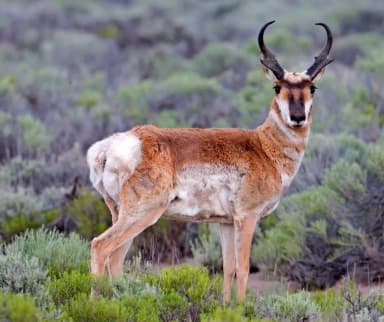
Pronghorn
 Jack Dykinga · Public domain
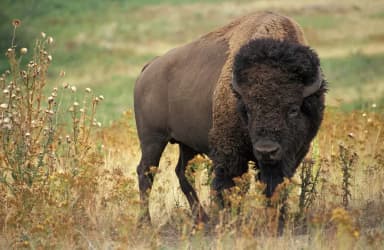
American Bison
 Smaack · CC BY-SA 4.0
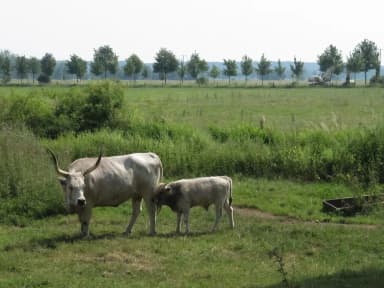
Cow
 Yathin S Krishnappa · CC BY-SA 3.0
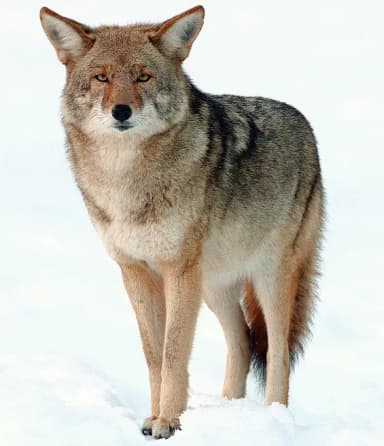
Coyote
 Wikimedia Commons · Public domain
North American Porcupine
 AfricanConservation · CC BY-SA 4.0
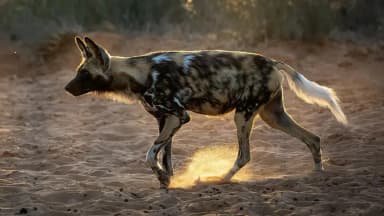
African Wild Dog
 Becker1999 (Paul and Cathy) · CC BY 2.0
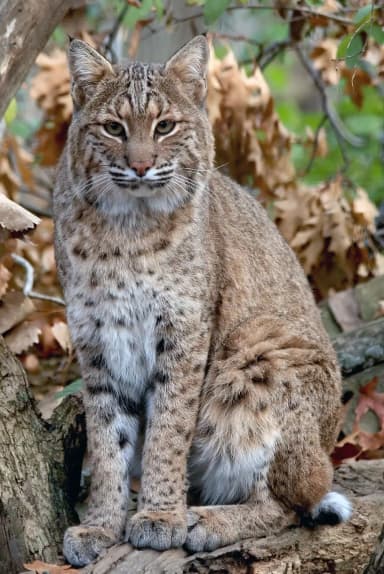
Bobcat
 Oregon Department of Fish & Wildlife · CC BY-SA 2.0
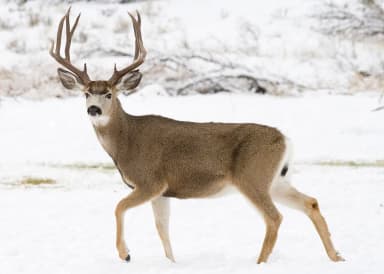
Mule Deer
 Jwanamaker · CC BY-SA 3.0
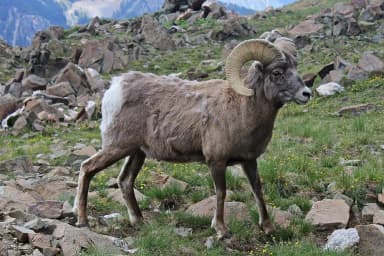
Bighorn Sheep
 Rhododendrites · CC BY-SA 4.0
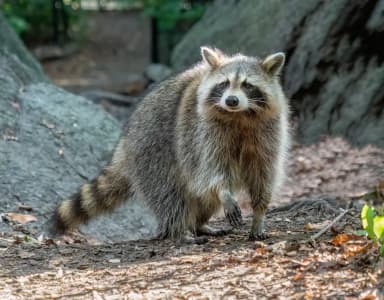
Raccoon
 National Park Service · Public domain
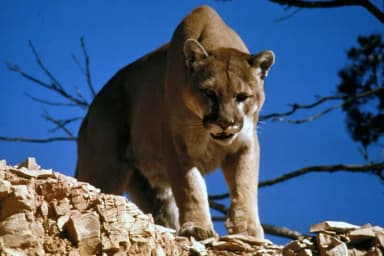
Cougar
 Yathin S Krishnappa · CC BY-SA 3.0
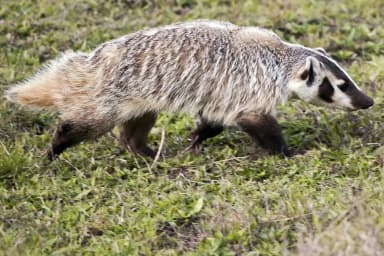
American Badger
 Charles J. Sharp · CC BY-SA 4.0
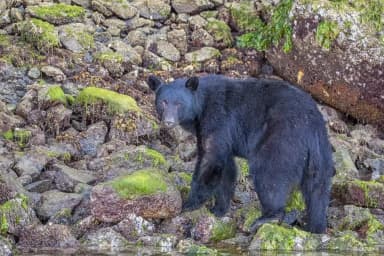
American Black Bear
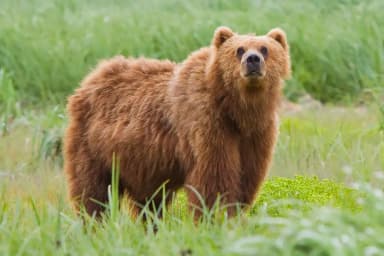 Yathin S Krishnappa · CC BY-SA 3.0
Grizzly bear
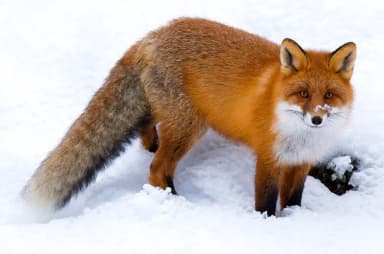 ClaudiaTen · CC BY-SA 4.0
Red Fox
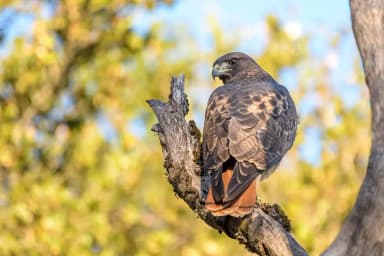
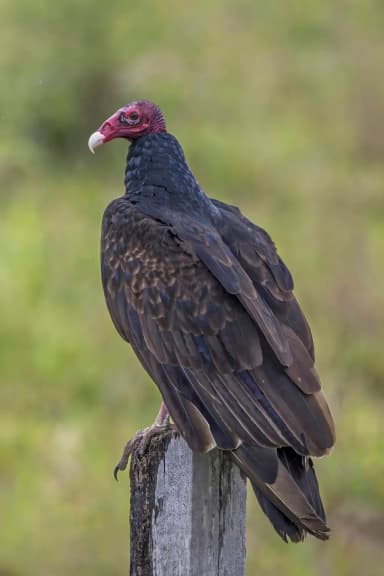
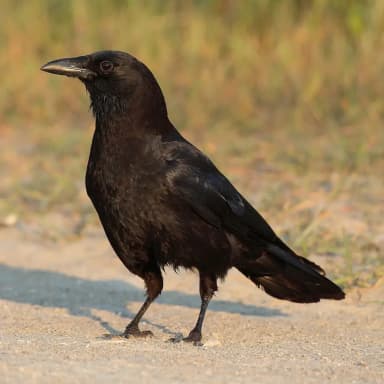
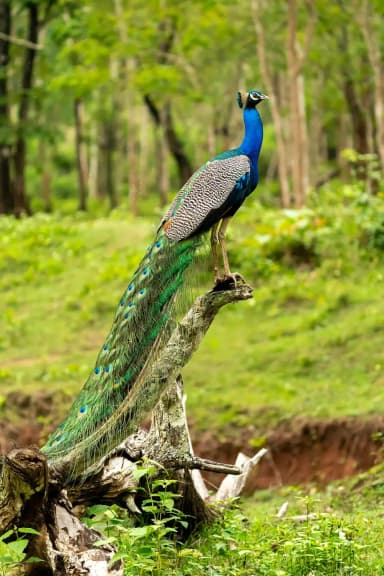
Birds7
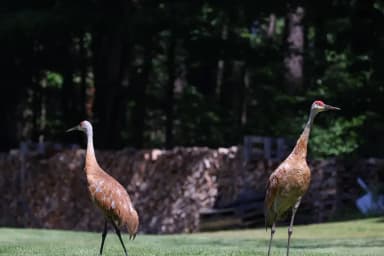
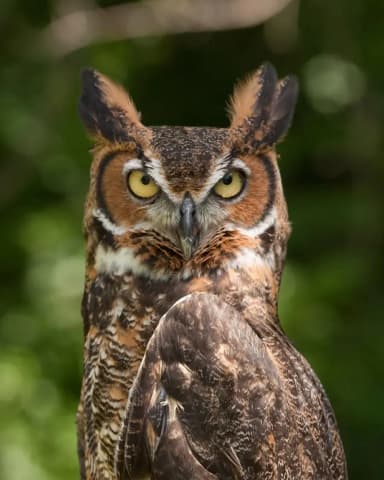
Feathers & Fangs from visitors
What people who've been to Zoo Idaho say
A Feather is something this zoo does well; a Fang is something it gets wrong. Left by people who've been, and read by us before they appear.
Loading…
About Zoo Idaho
Zoo Idaho occupies 25 acres inside Ross Park in Pocatello, Idaho, and has been open since 1932. It is run under the city's Parks and Recreation department, with support from the nonprofit Zoo Idaho Society, and it is not accredited by the Association of Zoos and Aquariums. The zoo houses more than 100 animals representing about 40 species, all native to the Intermountain West, which the zoo describes as one of only two zoos in the country to specialize in that region's wildlife. A 40-foot lava cliff runs through the property and serves as a natural backdrop for many of the exhibits; the cliff also physically divides the grounds into two levels, known as Upper and Lower Ross Park.
What distinguishes Zoo Idaho from most municipal zoos is both its regional focus and its cultural framing: it is the only zoo in the country built around incorporating Shoshone-Bannock tribal culture into its programming and design. The site also includes a 900-square-foot tree house, a 30-foot-high teepee, and a petting zoo area of barnyard animals. Much of the zoo's collection consists of animals that could not survive if released back into the wild, a theme that runs through its history from its very first pens.
History
Zoo Idaho opened in 1932 in an unlikely setting: a local trailer park, with just two animals on display in wire pens, a female rhesus monkey named Josephine and a raccoon named Pete. Twelve-year-old John Marshall had caught the raccoon under the Portneuf River bridge and donated him to the fledgling zoo. Twice a month each spring and summer, John and his grandfather William Raymond, then superintendent of the Park Department, took Pete on a collar to catch crawdads, snails, and pollywogs along the river; in winter, the monkey lived in John's garage, warmed by three 300-watt bulbs and an electric heater.
Around the same time, Governor C. Ben Ross, a former Pocatello mayor, appropriated funds for the city to buy land for a new park. Raymond and the City Council chose a site in South Pocatello marked by natural lava rock and sagebrush, which became Ross Park, named for the governor, and the home of the growing zoo. Raymond served as Park Superintendent and Meat Inspector until his death in 1943; over the eleven years between the zoo's opening and his death, he and his grandson built numerous pens at Ross Park and trapped many of the zoo's earliest animals themselves, starting with a monkey house, then pens for bobcat, badger, coyote, and raccoon, followed by a bear pit built into a natural volcanic cave.
That bear pit's first resident was Jigs, a cub orphaned at three months old near Mac's Inn in Yellowstone, whom John cared for on his family's back porch before the bear was transferred to the zoo. A pair of deer named Tommy and Adah came next, kept briefly in John's garage alongside three bobcat cubs and four coyote cubs, and John and his grandfather went on to catch a silver-tipped badger near Pocatello Creek and dig up a coyote den along the American Falls Reservoir.
The zoo's best-known era began in 1978, when it welcomed Charlie, a three-year-old orphaned grizzly bear from Alaska. Charlie became a well-known town fixture and lived to 34, delighting generations of visitors until his death on September 1, 2009, after developing arthritis and a declining appetite. In 1991, a two-year-old female grizzly named Stripes, born in captivity at a zoo in Columbus, Ohio, joined Charlie; the two bears were companions for 18 years until his death, after which Stripes began pacing her enclosure and struggling with the separation. In 2014, Zoo Idaho brought in a two-year-old grizzly named Shoni, trapped near the Pahaska Tepee Resort outside Cody, Wyoming, after she began hanging around horse trails and stealing snacks from tourists. Staff held a public naming contest, narrowing hundreds of submissions to three finalists, Stars, Shoni, and Weda, with the winning name announced at the annual Zoo Boo event.
In 2016, the zoo, previously known as the Pocatello Zoo or Ross Park Zoo, officially took the name Zoo Idaho, reflecting its identity as a zoo dedicated to the state's own native species, including many orphaned or injured animals from the region that would not have survived in the wild.
Exhibits and habitats
The Sara W. Ifft Grizzly Bear Exhibit, which opened to the public on July 3, 2012, is the zoo's centerpiece. The half-acre natural habitat includes a recirculating stream and pond stocked with live trout and bass, a covered beach, mature trees, and a backdrop view of Scout Mountain. A glass viewing gallery brings visitors within inches of the bears and includes a training alcove used for keeper chats. Charlie's ashes are interred within the exhibit that now bears his legacy, and the space is described by the zoo as the cornerstone for its future development.
The zoo's 40-foot lava cliff, a defining natural feature of the site, divides the grounds into Upper and Lower Ross Park and provides a striking backdrop for several exhibits. Beyond the grizzly habitat, the property includes a 900-square-foot tree house, a 30-foot-high teepee reflecting the site's Shoshone-Bannock programming, and a petting zoo area with barnyard animals. Educational programming also runs through the Tall Tales Tent, an outdoor classroom used for spring and summer camps.
The zoo has laid out a 15-year expansion plan estimated to cost $15 to $20 million. The plan's first phase alone is projected at $2.5 million, with at least $1.9 million earmarked for a project called Charlie's Place, and the remainder going toward new walkways, an entrance, restrooms, a gift shop, a patio, and a snack bar, whose proceeds are intended to help cover future maintenance costs. A newer lynx exhibit has been funded separately through community donations.
Animal highlights
Zoo Idaho lists at least 23 species on its website, drawn from a collection the zoo describes as more than 100 animals representing about 40 species overall, all native to the Intermountain West. Listed species include American bison, grizzly bear, American black bear, cougar, bobcat, coyote, red fox, bighorn sheep, pronghorn, mule deer, American badger, North American porcupine, raccoon, sandhill crane, great horned owl, red-tailed hawk, and turkey vulture, alongside domestic petting-zoo animals like cattle, fowl, and peafowl. The zoo's grizzly bears, currently Stripes and Shoni, remain its signature draw, housed in the Sara W. Ifft Grizzly Bear Exhibit and visible from the glass viewing gallery. Many of the zoo's animals, including its bears, arrived as orphaned or injured wildlife unable to survive release back into the wild, which the zoo frames as central to its identity as an indigenous-species zoo.
Conservation and programs
Zoo Idaho describes its mission as preserving Intermountain West wildlife and habitat through conservation and education, carried out in part through a partnership with Idaho Fish and Game that aligns the zoo's work with state wildlife management efforts. A significant share of that mission involves rehabilitating non-releasable wildlife, giving animals that would otherwise struggle to survive in the wild a permanent home rather than euthanizing them. During the school year, the Zoo Outreach Program brings zoo staff and a "piece of the zoo" directly into classrooms, reaching about 3,000 school children annually, while an additional 3,000 students visit the zoo on field trips each April and May.
Planning your visit
Zoo Idaho is listed as open from 10 a.m. to 4 p.m., with admission ending at 3:30 p.m., as posted on the zoo's website; confirm current hours before visiting since they can change seasonally. The zoo offers facility rentals both during and after regular hours for groups of 30 or more, with pricing that includes admission, use of the educational building, and use of a picnic area.
General admission programs, including mobile interpretive talks, keeper chats, live feeding presentations, and a story time for ages 4 to 8, run free with admission and are posted on the zoo's Daily Programs Board in the Main Admissions Building. Families can also check out a free Backpack Scavenger Hunt at the gift shop, which includes a wildlife-themed activity book and art supplies. As with any listed hours or program schedule, check Zoo Idaho's official website for the most current information before you go.
What we haven't confirmed
Everything above came from public sources. These specifics we haven't stood behind yet:
- Current ticket prices
- Parking details
- Wheelchair and stroller accessibility specifics
- Phone number
- Typical time needed for a visit
Zoo Idaho compared with nearby zoos
How Zoo Idaho lines up against the closest zoos we have details for — useful if you're deciding between them for the same day out.
| Zoo | Distance | Admission | Hours | Size | AZA |
|---|---|---|---|---|---|
| Zoo IdahoThis zooPocatello, ID | — | $7 | 10AM – 4PM | 25 acres | No |
| Idaho Falls Zoo at Tautphaus ParkIdaho Falls, ID | 48 mi | $12.50 | Regular season ended Sept 27. Open Oct 2–4 and Oct 9–11 (Fri–Sun) 9:30 AM – 5:00 PM, last admission 4:30 PM, weather permitting. | — | Yes |
| Yellowstone Bear WorldRexburg, ID | 68 mi | $27.95 | Open 7 days a week; gates open 9:00 AM, gates close 5:00 PM. Last day of the 2026 season is October 18. Drive-thru wildlife park. Closed for the season after October 18, 2026. | — | No |
| ZootahLogan, UT | 83 mi | $9 | October: Thu–Sat 11:00 AM – 5:00 PM; Sun 12:00 – 5:00 PM; closed Mon–Wed. Closed the week of Thanksgiving. | — | No |
Distances are straight-line. A dash means we haven't confirmed that detail yet, not that the zoo lacks it.
AZAThe Association of Zoos and Aquariums. Accredited members have passed an independent inspection of animal care and welfare, safety, conservation and education, repeated every five years. Many smaller facilities never apply, so “not accredited” isn't a verdict on its own. What accreditation means · How we check this
Zoo Idaho: common questions
Is Zoo Idaho AZA accredited?
No, Zoo Idaho is not accredited by the Association of Zoos and Aquariums.
When did Zoo Idaho open?
The zoo opened in 1932, originally with just two animals at a local trailer park.
How big is Zoo Idaho?
The zoo covers 25 acres inside Ross Park in Pocatello.
How many animals and species does the zoo have?
The zoo houses more than 100 animals representing about 40 species, with at least 23 species listed on its website.
What is Zoo Idaho known for?
It specializes in animals native to the Intermountain West and is the only zoo to incorporate Shoshone-Bannock tribal culture into its design and programming; its grizzly bear exhibit is a signature attraction.
Is there a petting zoo?
Yes, the zoo includes a petting zoo area with barnyard animals.
What are the zoo's hours?
Hours are listed as 10 a.m. to 4 p.m., with admission ending at 3:30 p.m.; check the official site to confirm before visiting.
Something wrong here? Tell us — we correct in place, with a dated note.