
Animal care
Wildlife rehabilitation
Also called wildlife rehab, wildlife rehabilitator, wildlife rescue, rehab center
Definition
Wildlife rehabilitation is the care of injured, sick or orphaned wild animals by trained, permitted rehabilitators, with the goal of releasing them back into the wild. Animals that recover but can't survive on their own sometimes become educational animal ambassadors.
On this page
What wildlife rehabilitation is
Wildlife rehabilitation is the care of injured, sick, orphaned or displaced wild animals with one main goal: returning them to the wild. It's often summed up as treat and release.
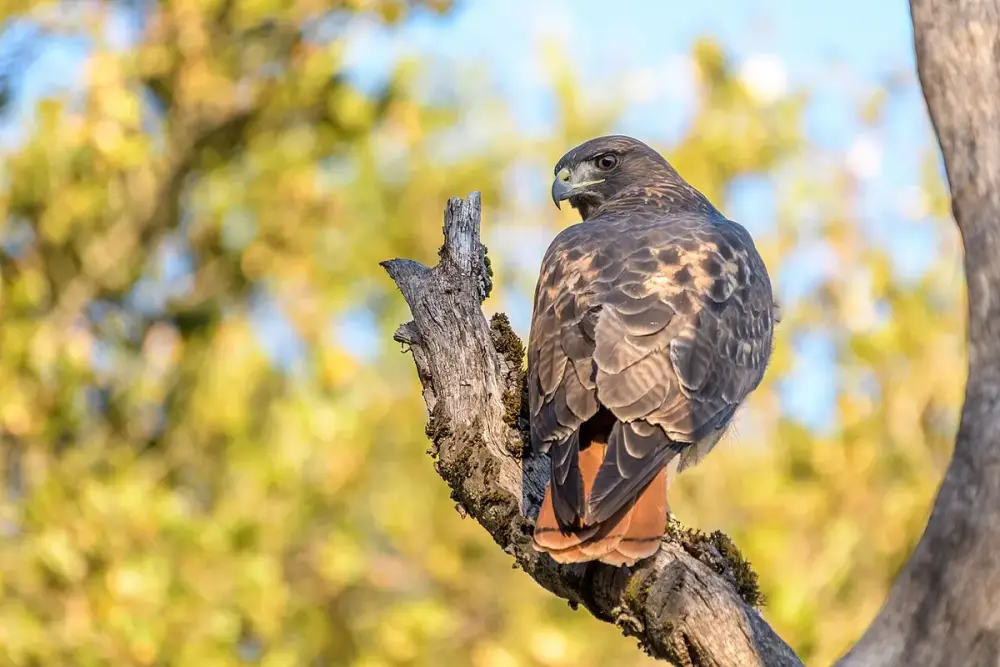
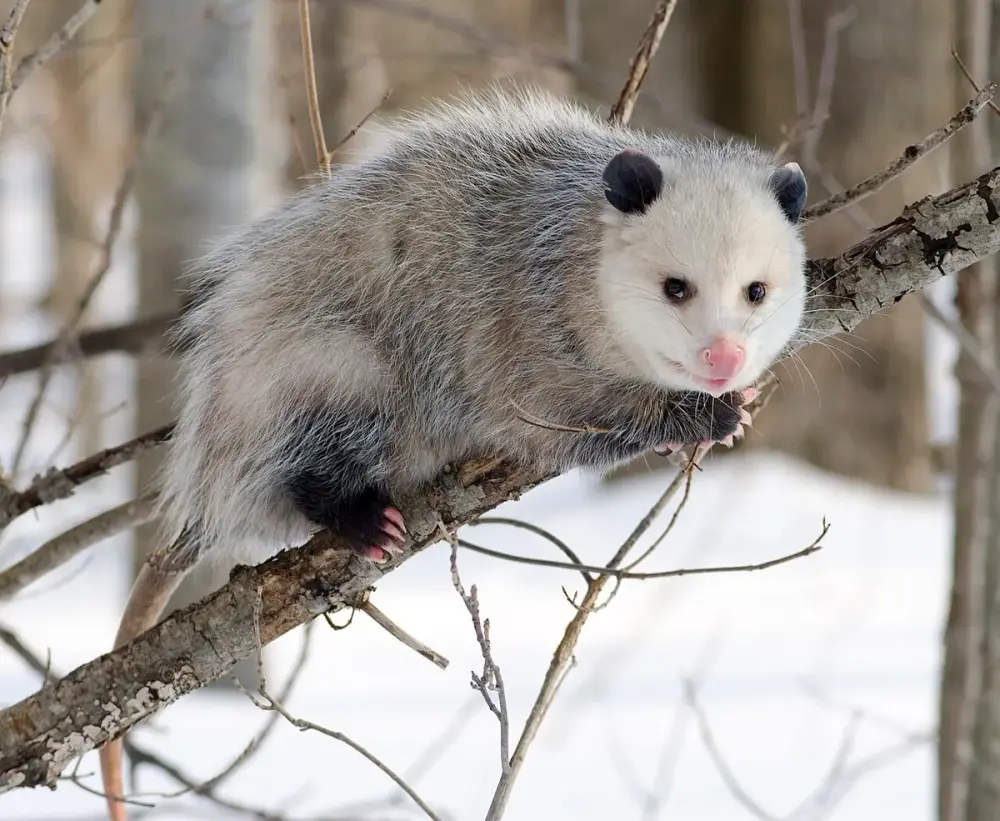
Rehabilitators mostly work with native wildlife, the hawks, owls, songbirds, turtles, opossums, foxes and other animals hurt by cars, windows, pets, storms or habitat loss. They provide medical care, a safe place to recover and, for young animals, the skills they need to survive on their own.
How rehabilitation works
Most cases follow the same steps:
- Rescue: someone finds an animal in trouble and contacts a rehabilitator.
- Assessment and treatment: the animal is examined and treated, often working with a licensed veterinarian.
- Recovery and conditioning: the animal regains its strength. Birds may practice flying in large flight cages before release.
- Release: healthy animals go back to suitable habitat, ideally near where they were found.
Who can do it: permits
Caring for wild animals isn't a do-it-yourself job, and in most cases it's regulated by law:
- State permits. Most states require a permit or license to rehabilitate wildlife. The rules vary by state and species.
- Federal permits for migratory birds. Most native birds are protected under the federal Migratory Bird Treaty Act, so rehabilitating them also requires a federal migratory bird rehabilitation permit from the U.S. Fish and Wildlife Service. Applicants need hands-on experience, and the federal permit is only valid if the rehabilitator also meets state requirements.
Under a federal Good Samaritan provision, anyone who finds a sick, injured or orphaned migratory bird may take it directly to a permitted rehabilitator. Keeping it is a different matter.
When animals can't go back
Some animals recover but can't survive in the wild, such as a red-tailed hawk with a damaged wing or a great horned owl with poor eyesight. With the right permits, some of them become animal ambassadors at nature centers, raptor centers and zoos, where they help teach visitors about wildlife. That's why you can often see a bald eagle or Virginia opossum up close at a local nature center.
What to do if you find injured wildlife
- Keep your distance. Wild animals can bite, scratch or carry disease, and handling stresses them.
- Keep pets and children away.
- Don't give food or water. The wrong food can make an injured animal sicker.
- Call a licensed wildlife rehabilitator or your state wildlife agency and follow their advice.
- Don't assume a baby is orphaned. Many parents leave their young alone for hours.
Rehabilitation vs. sanctuary
A rehabilitation center aims to release animals. An animal sanctuary gives animals that can never return to the wild a permanent home. Some rehabilitation centers are accredited by the Global Federation of Animal Sanctuaries. Our guide to zoos, sanctuaries and wildlife parks compares them.
Examples


Common questions
What should I do if I find an injured wild animal?
Keep your distance, keep pets and children away, and contact a licensed wildlife rehabilitator or your state wildlife agency for advice. Don't feed it or give it water, and don't try to treat or raise it yourself.
Is it legal to keep a wild animal to nurse it back to health?
Usually not. Most states require a permit to care for wildlife, and native migratory birds also need a federal permit. A federal Good Samaritan rule lets you take a sick or injured migratory bird straight to a permitted rehabilitator, but not keep it.
What happens to animals that can't be released?
If an animal recovers but can't survive in the wild, for example a hawk that can't fly well, it may be placed with a nature center, zoo or education program as an animal ambassador, with the required permits. Animals that can't recover are sometimes humanely euthanized.
Is a baby animal alone always orphaned?
No. Many young animals, such as fawns and fledgling birds, are left alone for long periods while their parents look for food. A wildlife rehabilitator can help you decide whether the animal really needs help.
Related terms
- Animal ambassadorAn animal ambassador, or ambassador animal, is a zoo or aquarium animal that takes part in education programs, such as keeper talks, classroom visits and up-close encounters. Many are rescued animals that cannot be released to the wild.
- Animal sanctuaryAn animal sanctuary is a facility that gives rescued, retired or surrendered animals humane care, usually for the rest of their lives, without breeding, selling or trading them or using them for entertainment. True sanctuaries don't allow public contact with wild animals.
- GFAS accreditationGFAS accreditation is a certification from the Global Federation of Animal Sanctuaries, a nonprofit founded in 2007, showing that a sanctuary or rescue center meets its standards for humane care, with no breeding, no commercial trade and no public contact with wildlife.
- ReintroductionReintroduction is the deliberate release of animals into part of their native range where the species has disappeared, with the goal of establishing a healthy, self-sustaining wild population. Released animals can come from zoos, breeding centers or other wild populations.
Sources
- 3-200-10b: Migratory Bird Rehabilitation Permit (U.S. Fish and Wildlife Service)
- Wildlife rehabilitation (Wikipedia)
Last reviewed
Get the Feather & Fang newsletter
Zoo news, animal features and what's new in the directory. Occasional, never spammy.