
Animal care
Mixed-species exhibit
Also called Mixed-species habitat, Multi-species exhibit, Mixed exhibit, Mixed-species enclosure
Definition
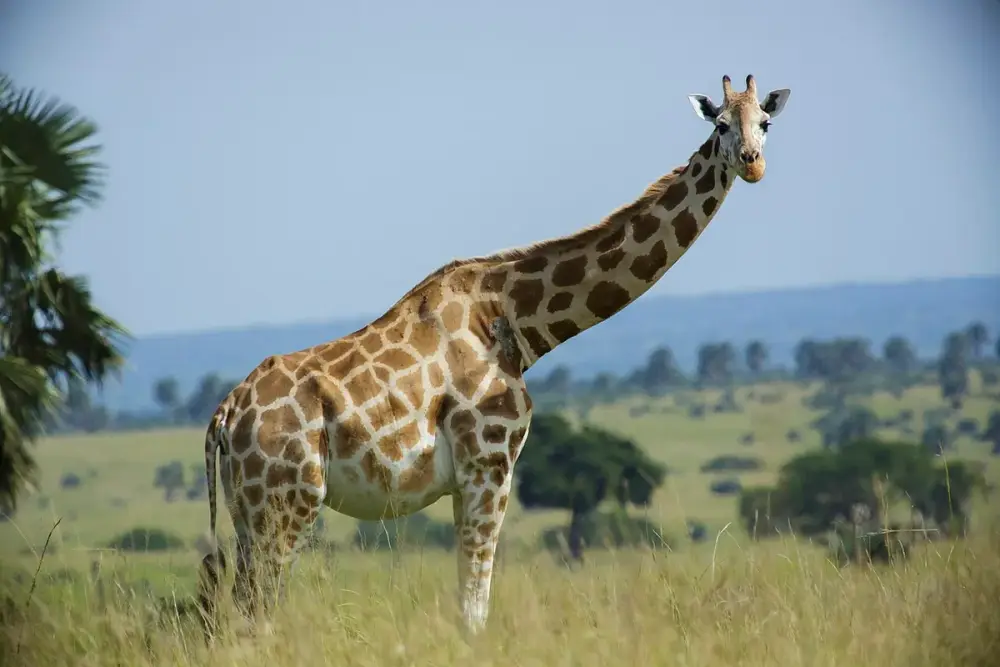
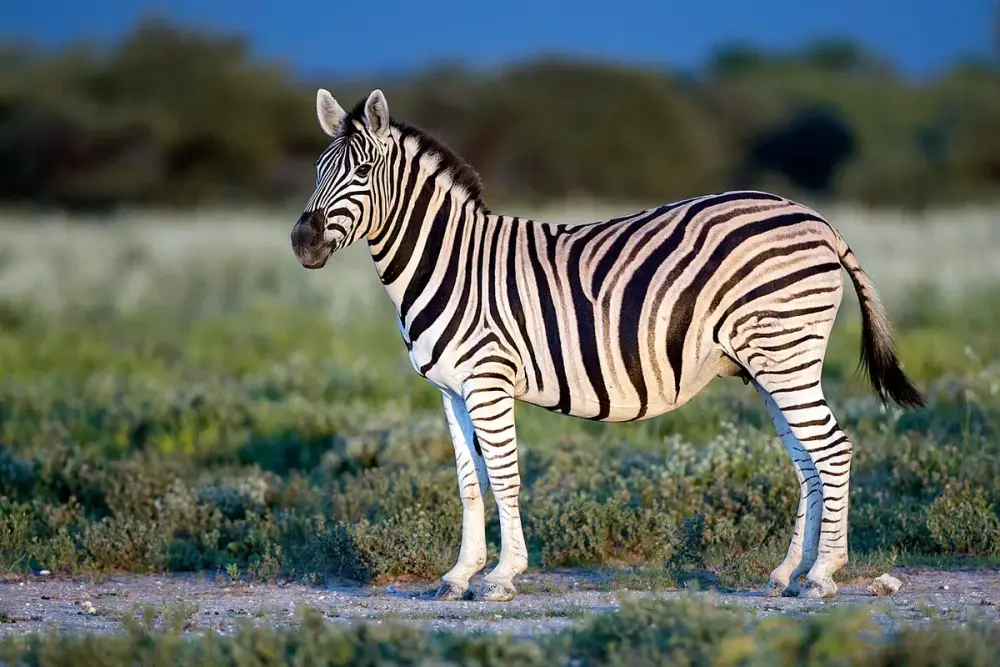
A mixed-species exhibit is a zoo habitat where two or more species live together, such as giraffes, zebras and antelope on an African savanna, or many bird species in one aviary. Done well, it creates a larger, more natural and more stimulating home for the animals.
On this page
What a mixed-species exhibit is
A mixed-species exhibit is a zoo habitat shared by two or more species. Instead of seeing each animal on its own, visitors see a small community, much as they might in the wild.
The idea is not new. When Carl Hagenbeck opened his zoo in Hamburg, Germany, in 1907, he used open, moated habitats instead of cages and set up mixed-species exhibits arranged by geography rather than by animal group.
Common examples
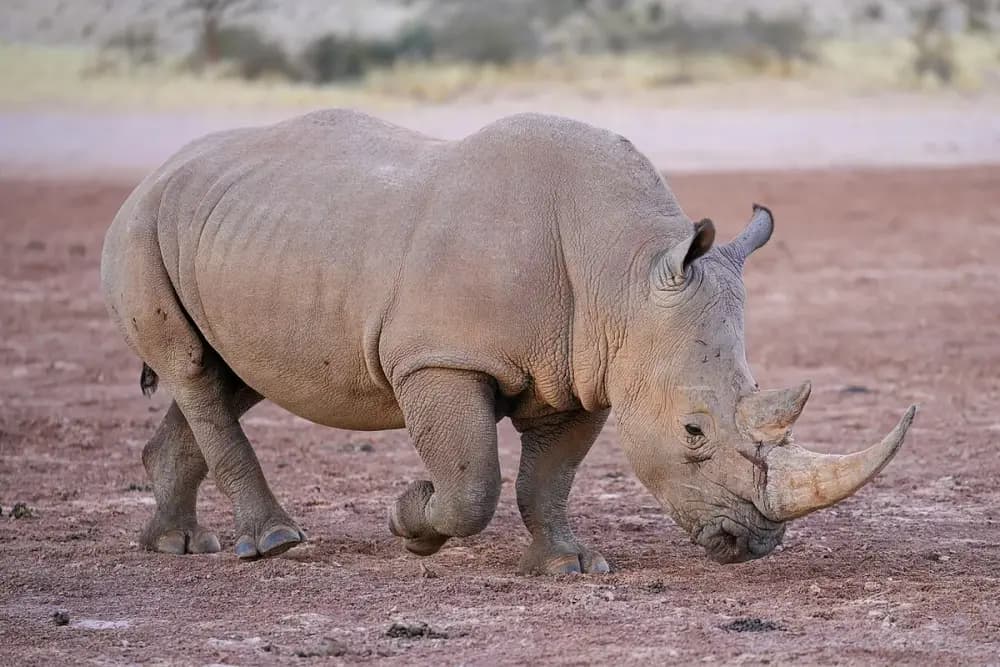
- African savanna habitats with giraffes, zebras, antelope, ostriches and sometimes rhinos
- Walk-through aviaries with many bird species sharing one space
- Rainforest buildings with birds, small primates, sloths and reptiles
- Large aquarium tanks holding dozens of fish species, sharks and rays
- Primate habitats where, for example, ring-tailed lemurs share space with other lemur species
Why zoos mix species
Done well, a shared habitat can benefit the animals:
- More space, since several species share one large area instead of several small ones
- Social enrichment, with new sights, sounds and interactions every day
- More natural behavior, as animals react to each other the way they might in the wild
- Better education, since visitors see how species fit together in an ecosystem
A 2023 study comparing African hoofed animals in the wild with those in a large mixed-species habitat at the San Diego Zoo Safari Park found that animals in both settings spent about half their time in mixed-species groups.
The challenges
Mixing species takes careful planning. Researchers and zoo staff point to risks such as:
- Aggression between species, or between individuals
- Competition for food, which can leave shy animals underfed
- Chronic stress if an animal can't get away from another
- Disease passing between species
- Unwanted breeding between closely related species
Zoos manage these risks by choosing species that naturally live together, providing separate feeding stations and escape routes, introducing animals gradually, and monitoring behavior closely. Many animals are also brought into separate night quarters where each species gets its own diet and care. That daily routine is part of good animal husbandry.
What to look for on your visit
In a mixed habitat, watch how the species use the space. You may see antelope keeping their distance from rhinos, birds perching on larger animals, or several species gathering at the same feeding spot. For more ideas, read our tips for a family day at the zoo.
Examples


Common questions
What animals can live together in a zoo?
The most successful mixes are usually species that share habitat in the wild, such as giraffes, zebras, antelope and ostriches on an African savanna, or many bird species in a tropical aviary. Zoos still check each individual animal's temperament before mixing.
Why do zoos put different animals together?
Sharing a habitat gives animals more space, more variety and more natural social interactions. It also shows visitors how species live alongside each other in the wild.
Do animals in mixed-species exhibits fight?
They can. Aggression, competition for food and stress are known risks, so zoos plan carefully, give animals places to get away from each other, and watch closely, especially when new animals are introduced.
Related terms
- Animal enrichmentAnimal enrichment is anything zookeepers add to an animal's surroundings or routine to encourage natural behaviors, such as foraging, exploring and problem-solving. It includes puzzle feeders, new scents, toys, habitat changes and social time, and it is a core part of good animal welfare.
- Animal husbandryIn zoos, animal husbandry is the day-to-day care and management of animals: feeding and nutrition, cleaning and habitat upkeep, health monitoring, record keeping and training. It covers everything keepers and veterinarians do to keep each animal healthy.
- AZA accreditationAZA accreditation is a voluntary, independent review by the Association of Zoos and Aquariums that confirms a zoo or aquarium meets professional standards for animal welfare, veterinary care, conservation, education and safety. Accredited facilities are re-inspected every five years.
Sources
- Two's company, three species is a crowd? Behavioural effects of mixed-species groupings in the wild and in the zoo (PLOS ONE, 2023)
- Zoo (Wikipedia)
- Behavioral enrichment (Wikipedia)
Last reviewed
Get the Feather & Fang newsletter
Zoo news, animal features and what's new in the directory. Occasional, never spammy.