
Animal care
Animal enrichment
Also called Environmental enrichment, Behavioral enrichment, Zoo enrichment, Enrichment items
Definition
Animal enrichment is anything zookeepers add to an animal's surroundings or routine to encourage natural behaviors, such as foraging, exploring and problem-solving. It includes puzzle feeders, new scents, toys, habitat changes and social time, and it is a core part of good animal welfare.
On this page
What animal enrichment is
Animal enrichment, also called environmental or behavioral enrichment, is the practice of giving animals in human care things to do that bring out their natural behaviors.
In the wild, animals spend much of their day finding food, avoiding danger, exploring and interacting with others. In a zoo, food is delivered and life is predictable. Enrichment puts some of that challenge and variety back.
Types of enrichment
Most zoos group enrichment into a few categories:
- Food-based: Hiding food, scatter feeding, puzzle feeders, frozen treats, whole prey for some carnivores, or browse branches for leaf-eaters. The animal has to work for its meal, as it would in the wild.
- Sensory: New smells (spices, herbs, other animals' scents), sounds or textures. Big cats, for example, often react strongly to new scents.
- Cognitive: Puzzles, problem-solving tasks and training sessions that make an animal think.
- Social: Time with members of its own species, or sometimes other species, in a mixed-species exhibit.
- Physical habitat: New climbing structures, logs, pools, sand or mulch to dig in, or rotating animals between different spaces.
Good programs rotate items and schedules so enrichment stays new and unpredictable.
Why enrichment matters
Enrichment is a core part of animal welfare. It aims to:
- Increase natural behaviors like foraging, climbing, digging and play
- Keep animals fit, mentally and physically
- Reduce abnormal repetitive behaviors, called stereotypies, such as pacing or head-swaying
- Give animals choices and some control over their surroundings
Keepers watch how animals respond and adjust. AZA has developed tools to help zoos evaluate whether their enrichment is actually working.
What to look for on your visit
Enrichment is easy to spot once you know what to look for:
- Cardboard boxes, paper bags or balls in a habitat
- Hanging feeders or food wedged into logs and rock crevices
- Ice blocks with fruit or fish frozen inside, especially on hot days
- Fresh branches for apes, elephants or giraffes
- Keeper talks on the daily schedule, which often include enrichment
Watching an elephant work out a puzzle feeder or a tiger investigate a new scent is one of the best parts of a zoo day. For more tips, see our guide to a family day at the zoo.
Examples
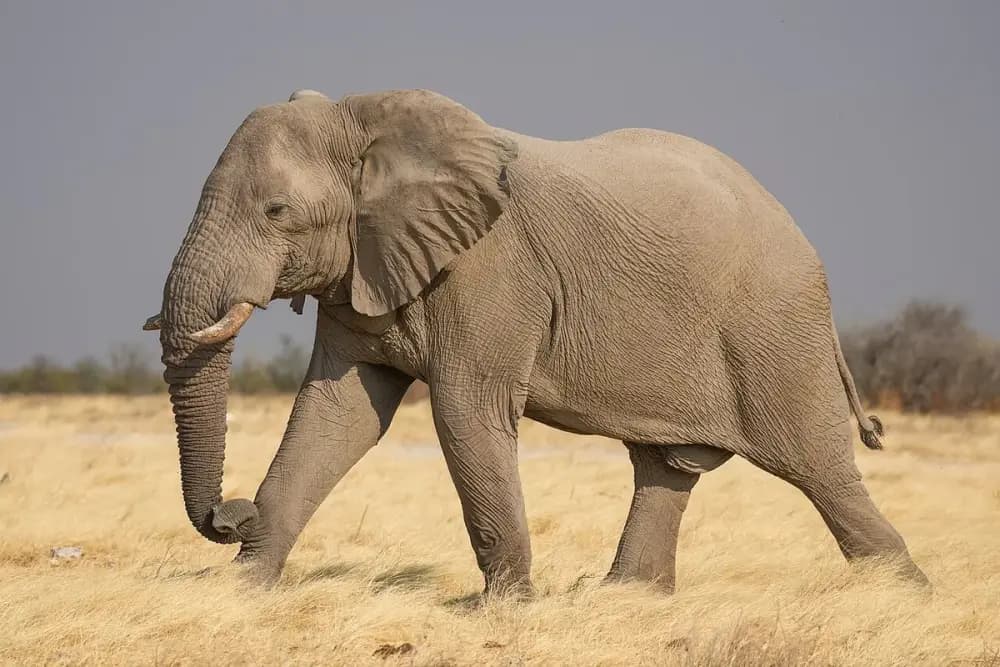 Giles Laurent · CC BY-SA 4.0
African Elephant
Loxodonta africana
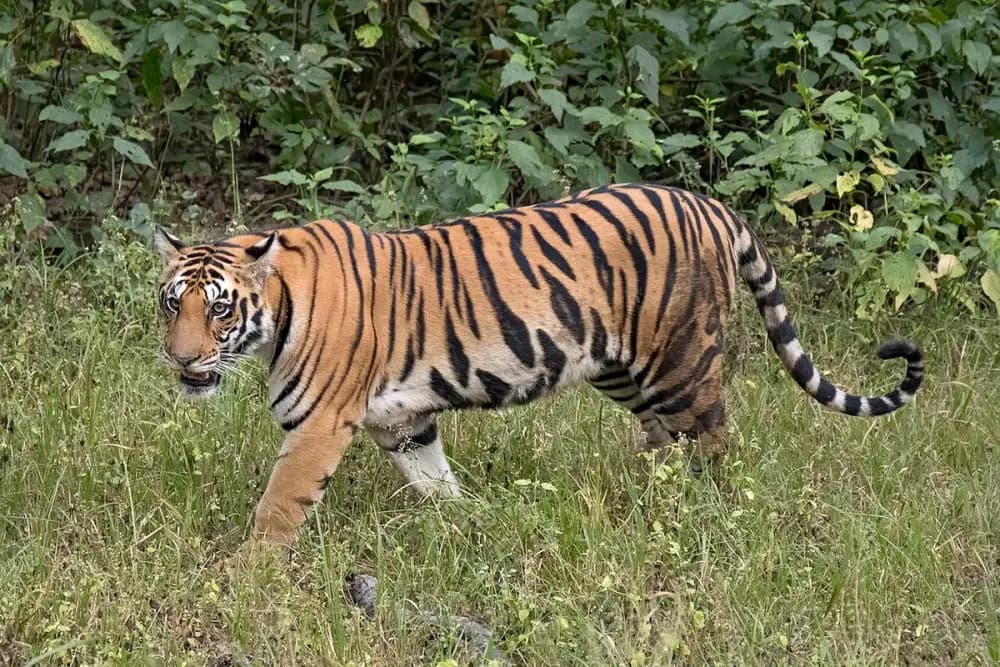 Charles J. Sharp · CC BY-SA 4.0
Tiger
Panthera tigris
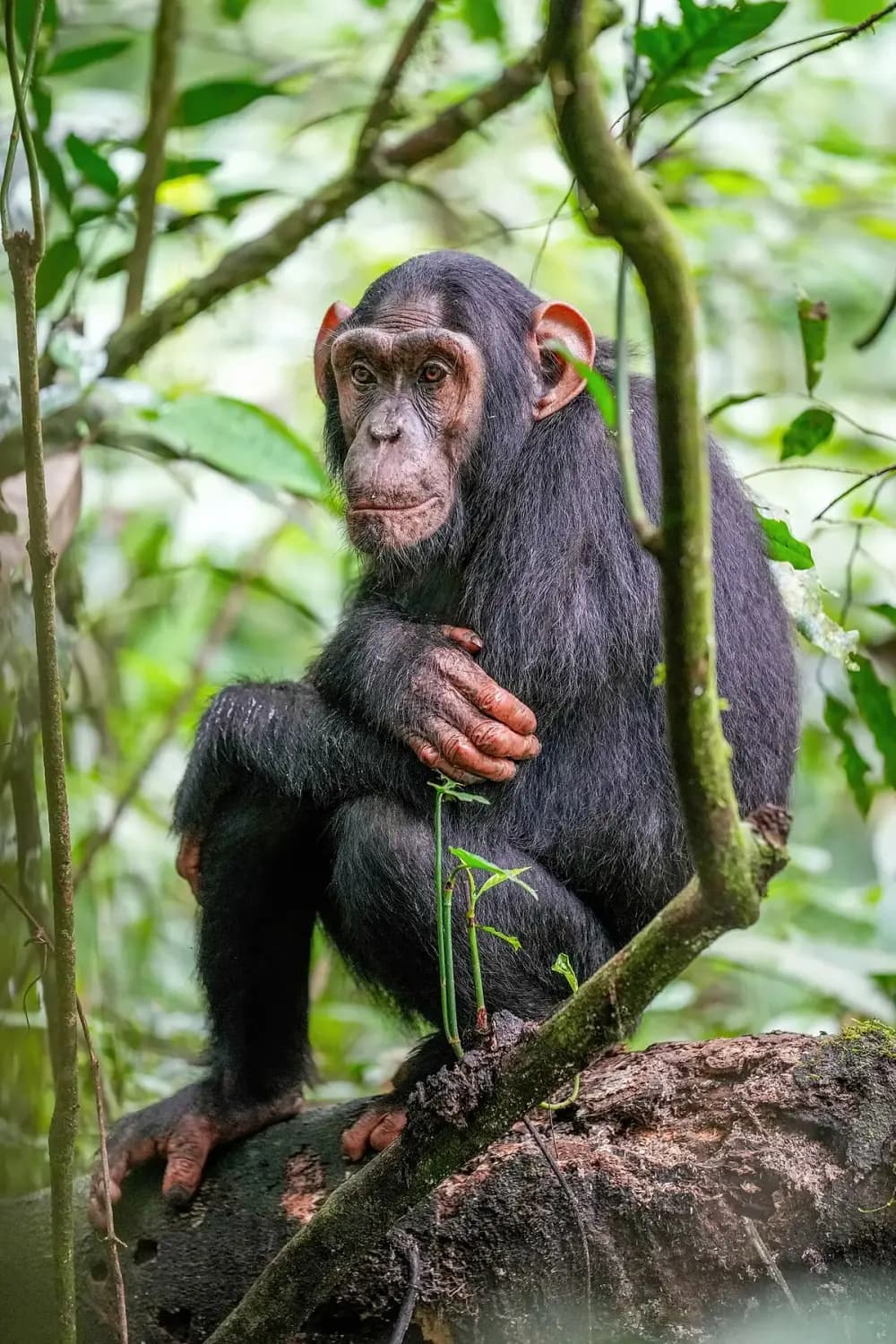 Giles Laurent · CC BY-SA 4.0
Chimpanzee
Pan troglodytes
 Alan Wilson · CC BY-SA 3.0
Polar Bear
Ursus maritimus
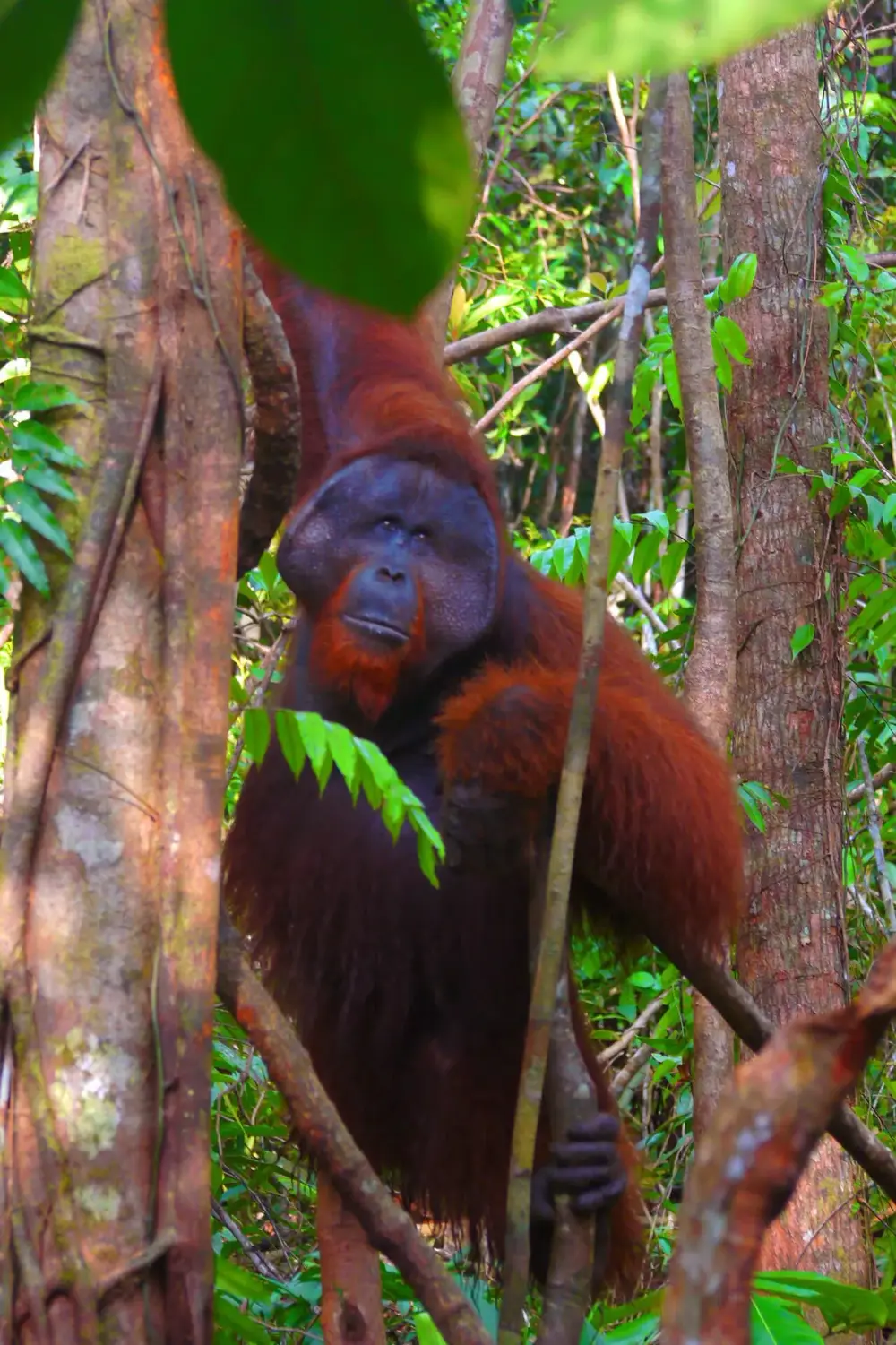 Nanosanchez · CC BY-SA 4.0
Orangutan
Pongo pygmaeus
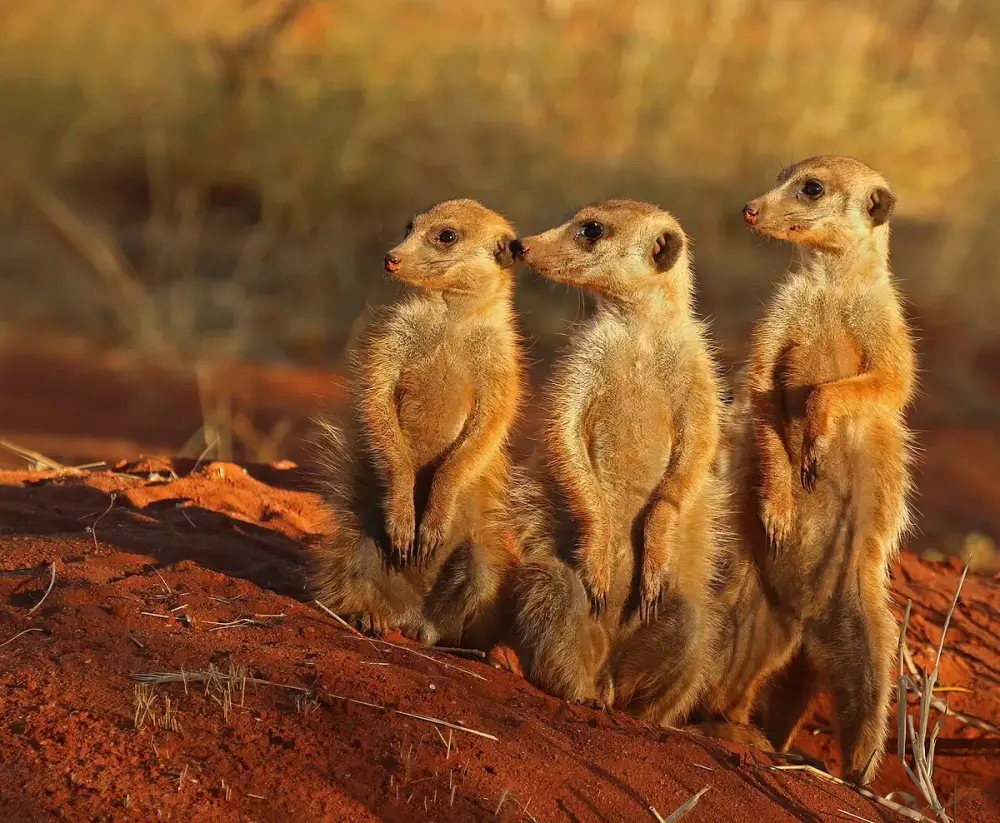 Charles J. Sharp · CC BY-SA 4.0
Meerkat
Suricata suricatta
Common questions
What are examples of animal enrichment?
Common examples include hiding food so animals have to search for it, puzzle feeders, frozen treats, new scents like spices or perfume, toys and balls, new branches or substrate to dig in, and changes to who an animal shares space with.
Why do zoos give animals enrichment?
Enrichment encourages animals to use their natural skills, keeps them physically and mentally active, and helps prevent abnormal repetitive behaviors such as pacing. It's a standard part of modern zoo animal welfare.
What are the types of enrichment?
Zoos usually group enrichment into food-based, sensory, cognitive (puzzles and training), social, and physical habitat enrichment. Most programs rotate between types so animals don't get bored.
Can I see enrichment when I visit the zoo?
Often, yes. Look for boxes, balls, hanging feeders, ice blocks or browse branches in habitats, and check the daily schedule for keeper talks, which frequently include an enrichment session.
Related terms
- Animal husbandryIn zoos, animal husbandry is the day-to-day care and management of animals: feeding and nutrition, cleaning and habitat upkeep, health monitoring, record keeping and training. It covers everything keepers and veterinarians do to keep each animal healthy.
- Mixed-species exhibitA mixed-species exhibit is a zoo habitat where two or more species live together, such as giraffes, zebras and antelope on an African savanna, or many bird species in one aviary. Done well, it creates a larger, more natural and more stimulating home for the animals.
- Animal ambassadorAn animal ambassador, or ambassador animal, is a zoo or aquarium animal that takes part in education programs, such as keeper talks, classroom visits and up-close encounters. Many are rescued animals that cannot be released to the wild.
- AZA accreditationAZA accreditation is a voluntary, independent review by the Association of Zoos and Aquariums that confirms a zoo or aquarium meets professional standards for animal welfare, veterinary care, conservation, education and safety. Accredited facilities are re-inspected every five years.
Sources
- Behavioral enrichment (Wikipedia)
- Behavior, Enrichment & Training (Association of Zoos and Aquariums)
Last reviewed
Get the Feather & Fang newsletter
Zoo news, animal features and what's new in the directory. Occasional, never spammy.