
Animal care
Animal husbandry
Also called Zoo husbandry, Animal care, Behavioral husbandry, Husbandry training
Definition
In zoos, animal husbandry is the day-to-day care and management of animals: feeding and nutrition, cleaning and habitat upkeep, health monitoring, record keeping and training. It covers everything keepers and veterinarians do to keep each animal healthy.
On this page
What animal husbandry means in a zoo
On a farm, "animal husbandry" means raising livestock. In a zoo, the term means something broader: all the day-to-day care that keeps each animal healthy and well.
It's what keepers spend most of their working day on, often long before the gates open.
What zoo husbandry includes
- Nutrition and feeding: Preparing species-appropriate diets, often designed with a nutritionist, and adjusting them for age, health or season.
- Habitat care: Cleaning, maintaining water quality, checking temperature and humidity, and keeping barriers and shelters safe.
- Health monitoring: Watching appetite, behavior, weight and droppings every day, and working closely with veterinarians on checkups, vaccines and treatment.
- Record keeping: Logging diets, weights, medical care, births and behavior. These records feed into breeding programs and studbooks.
- Training: Teaching animals behaviors that make their care easier and safer.
- Enrichment: Giving animals things to do that encourage natural behaviors.
Husbandry training and positive reinforcement
Modern zoos rely heavily on positive reinforcement training: rewarding an animal, usually with a favorite food, for a behavior it chooses to offer. Over time, animals learn voluntary husbandry behaviors such as:
- Stepping onto a scale to be weighed
- Opening the mouth for a dental check
- Presenting a foot, flipper or tail for inspection
- Holding still for an ultrasound, injection or blood draw
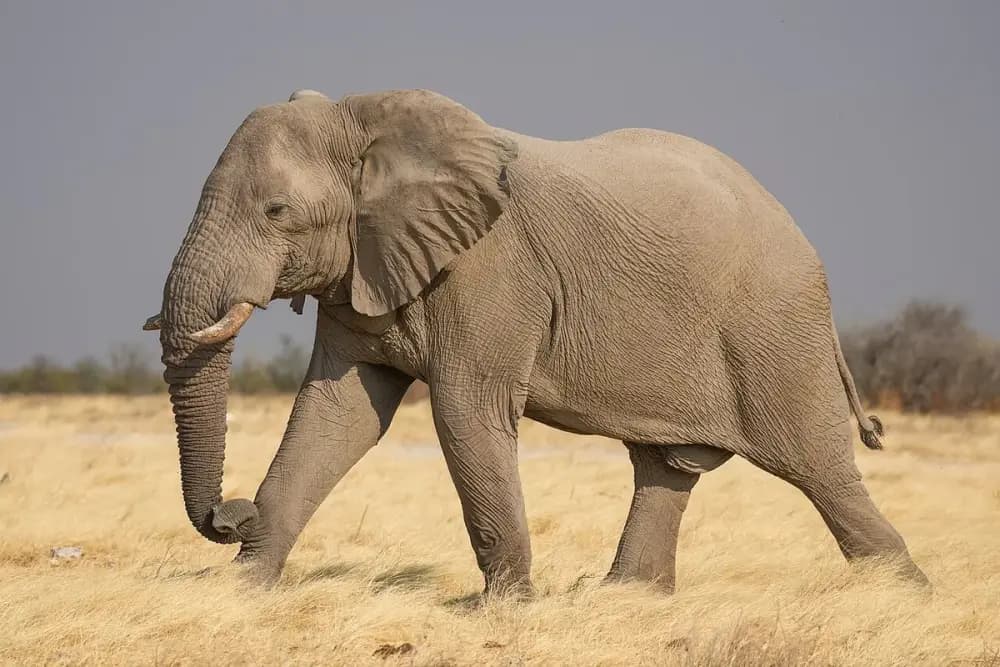
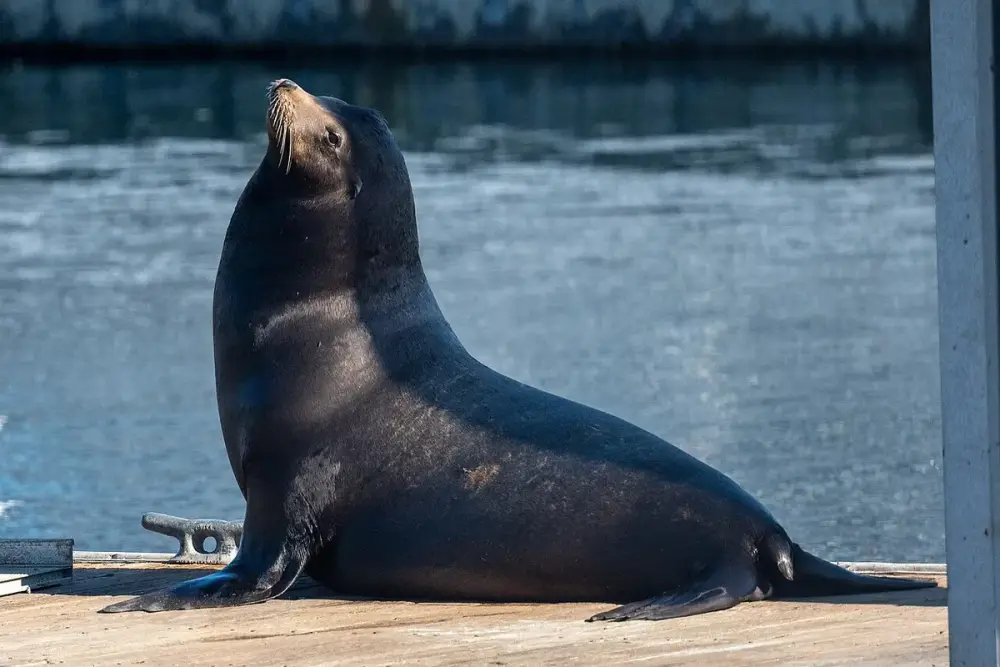
An elephant might lift each foot in turn for foot care, and a sea lion might rest its chin on a target for an eye exam. Because the animal takes part willingly, many procedures can be done without restraint or anesthesia, which is less stressful for the animal and safer for keepers. Zoos often call this approach behavioral husbandry.
Standards and oversight
AZA publishes Animal Care Manuals that compile expert knowledge on caring for specific species, and AZA-accredited zoos are required to make the approved manuals available to their animal care staff. In the U.S., many exhibitors are also licensed and inspected under the federal Animal Welfare Act.
What visitors might see
Training sessions are often part of public keeper talks. If you see a keeper with a whistle, target stick or treat pouch working with an animal through a fence, you're probably watching husbandry training in action. Check the zoo's daily schedule, and read our zoo etiquette guide before you go.
Examples
Common questions
What does husbandry mean at a zoo?
At a zoo, husbandry means the daily care of animals: feeding, cleaning, monitoring health, keeping records and training. It's the core of what zookeepers do.
What is husbandry training?
Husbandry training teaches animals, usually with positive reinforcement, to take part in their own care. Examples include stepping onto a scale, opening the mouth for a dental check, or presenting a foot, flipper or arm for an exam or blood draw.
Why do zoo animals need training?
Training lets keepers and veterinarians check and treat animals without restraint or anesthesia in many cases. Because animals choose to take part and are rewarded, it tends to be less stressful for them and safer for staff.
How do zoos know how to care for so many different species?
Keepers rely on research, experience and shared guidelines. AZA publishes Animal Care Manuals for many species, and accredited zoos must give their animal care staff access to the approved manuals for the species they keep.
Related terms
- Animal enrichmentAnimal enrichment is anything zookeepers add to an animal's surroundings or routine to encourage natural behaviors, such as foraging, exploring and problem-solving. It includes puzzle feeders, new scents, toys, habitat changes and social time, and it is a core part of good animal welfare.
- Animal ambassadorAn animal ambassador, or ambassador animal, is a zoo or aquarium animal that takes part in education programs, such as keeper talks, classroom visits and up-close encounters. Many are rescued animals that cannot be released to the wild.
- Animal Welfare ActThe Animal Welfare Act is the main U.S. federal law setting minimum standards of care for animals that are exhibited to the public, sold as pets, used in research or transported commercially. It is enforced by the USDA, which licenses zoos and other animal exhibitors and inspects them.
- AZA accreditationAZA accreditation is a voluntary, independent review by the Association of Zoos and Aquariums that confirms a zoo or aquarium meets professional standards for animal welfare, veterinary care, conservation, education and safety. Accredited facilities are re-inspected every five years.
- StudbookA studbook is the official record of every animal in a managed zoo population, tracking each one's parents, birth, moves between institutions and death. Population managers use it to plan breeding that keeps the population healthy and genetically diverse.
Sources
- Animal Care Manuals (Association of Zoos and Aquariums)
- Behavior, Enrichment & Training (Association of Zoos and Aquariums)
- Animal Training Applications in Zoo and Aquarium Settings (Association of Zoos and Aquariums)
Last reviewed
Get the Feather & Fang newsletter
Zoo news, animal features and what's new in the directory. Occasional, never spammy.