
Animal care
Animal sanctuary
Also called wildlife sanctuary, true sanctuary, animal rescue, rescue center
Definition
An animal sanctuary is a facility that gives rescued, retired or surrendered animals humane care, usually for the rest of their lives, without breeding, selling or trading them or using them for entertainment. True sanctuaries don't allow public contact with wild animals.
On this page
What an animal sanctuary is
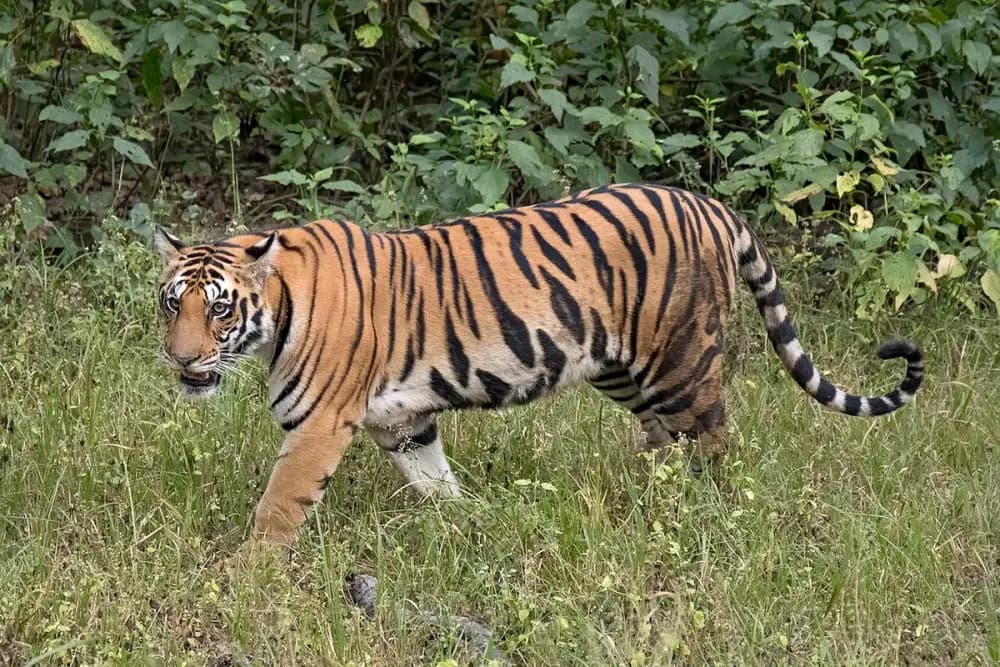
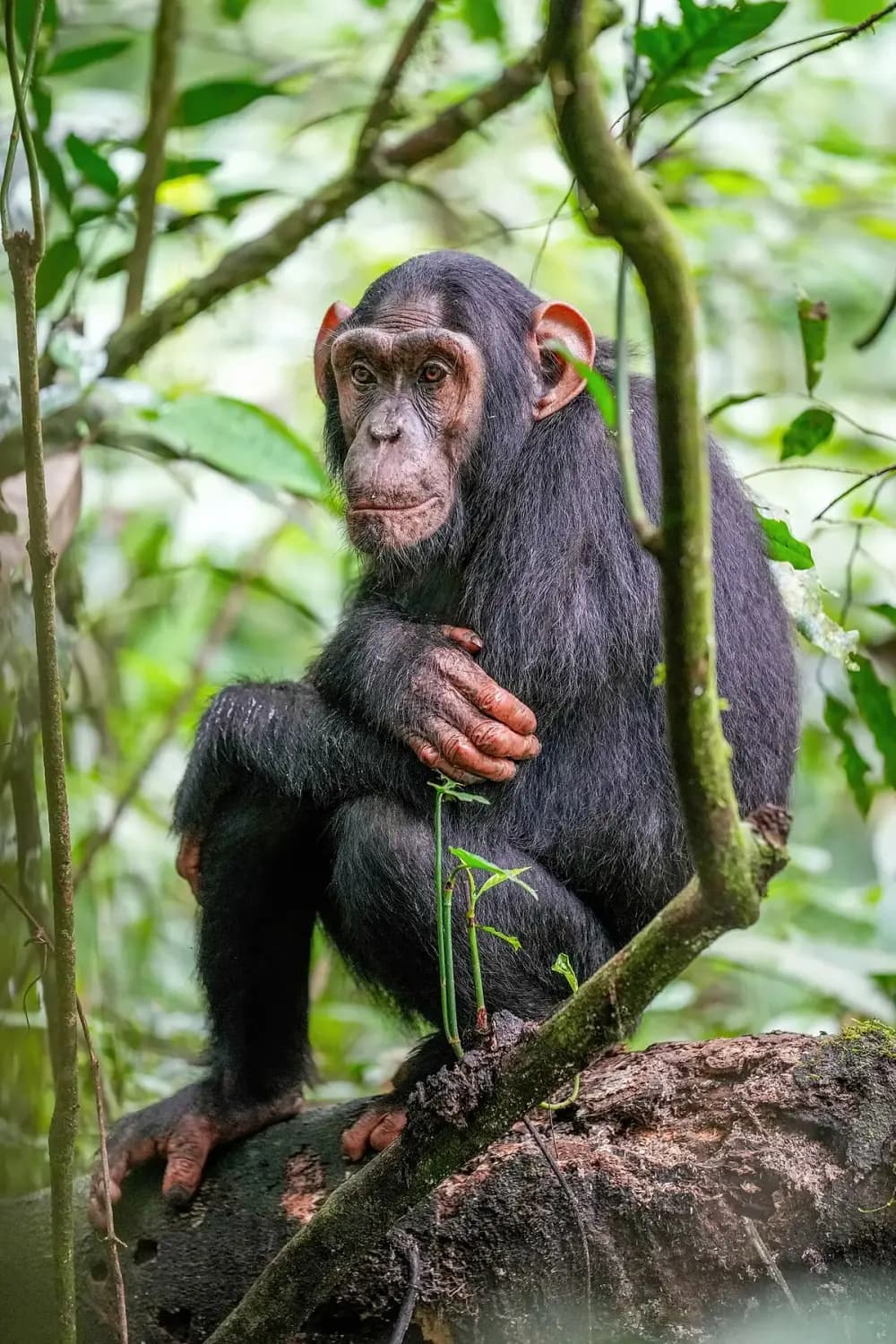
An animal sanctuary is a place that gives animals in need a safe, permanent home. Its residents are often animals that were rescued, confiscated, retired from entertainment or research, or surrendered by private owners who couldn't care for them, such as big cats, primates, bears, horses and farm animals.
In a sanctuary, the animal's needs come first, ahead of the visitor's experience. That's the main difference from a zoo, which also exists to educate the public and often runs conservation breeding programs.
What makes a "true" sanctuary
The word "sanctuary" isn't legally protected, so any business can use it. The Global Federation of Animal Sanctuaries (GFAS) sets the most widely used definition. A true sanctuary:
- doesn't breed its animals, since every birth adds another animal needing lifelong care;
- doesn't buy, sell or trade animals or animal parts;
- doesn't allow public contact with wild animals, such as touching, holding or feeding;
- offers only guided, respectful tours, if it opens to visitors at all;
- runs as a nonprofit or non-commercial organization.
Red flags to watch for
Be cautious of a "sanctuary" or "rescue" that:
- offers cub petting, photo ops or "swim with" experiences with wild animals;
- always seems to have baby animals on hand;
- sells or trades animals, or sends them to other attractions;
- uses animals in shows or performances;
- can't explain where its animals came from.
These signs suggest the animals are there to make money, not to be cared for.
The Big Cat Public Safety Act
The federal Big Cat Public Safety Act, signed on December 20, 2022, changed the rules for big cats in the U.S. It bans most private ownership and breeding of lions, tigers, leopards, snow leopards, clouded leopards, jaguars, cheetahs, cougars and their hybrids.
USDA-licensed exhibitors and qualifying sanctuaries can still keep big cats, but exhibitors may not allow members of the public to have direct contact with them. That means cub petting and photos with big cats are now illegal. People who already owned big cats could keep them only if they registered them with the U.S. Fish and Wildlife Service by June 18, 2023.
Sanctuary vs. rehabilitation center
A sanctuary usually cares for animals for life. A wildlife rehabilitation center treats injured or orphaned native wildlife and aims to release them. Some facilities do both. For a broader comparison, read our guide to zoos vs. sanctuaries vs. wildlife parks, or look for sanctuaries in the U.S. zoo directory.
Examples

Common questions
What is the difference between a zoo and an animal sanctuary?
A zoo exhibits animals to the public and often breeds them through managed conservation programs. A true sanctuary takes in animals that need a home and cares for them for life, without breeding, buying, selling or using them for entertainment.
How can you tell if a sanctuary is legitimate?
A genuine sanctuary doesn't breed its animals, doesn't buy or sell them, and doesn't let visitors touch, hold or pose with wild animals. Accreditation or verification from the Global Federation of Animal Sanctuaries (GFAS) is the strongest outside sign.
Is it legal to pet tiger cubs in the U.S.?
No. The federal Big Cat Public Safety Act, signed on December 20, 2022, bars licensed exhibitors from letting members of the public come into direct contact with big cats, including cubs.
Can you visit an animal sanctuary?
Many sanctuaries welcome visitors, but usually on guided tours, set days or by reservation, so the animals aren't disturbed. Some don't allow public visits at all.
Related terms
- GFAS accreditationGFAS accreditation is a certification from the Global Federation of Animal Sanctuaries, a nonprofit founded in 2007, showing that a sanctuary or rescue center meets its standards for humane care, with no breeding, no commercial trade and no public contact with wildlife.
- Wildlife rehabilitationWildlife rehabilitation is the care of injured, sick or orphaned wild animals by trained, permitted rehabilitators, with the goal of releasing them back into the wild. Animals that recover but can't survive on their own sometimes become educational animal ambassadors.
- AZA accreditationAZA accreditation is a voluntary, independent review by the Association of Zoos and Aquariums that confirms a zoo or aquarium meets professional standards for animal welfare, veterinary care, conservation, education and safety. Accredited facilities are re-inspected every five years.
- Animal Welfare ActThe Animal Welfare Act is the main U.S. federal law setting minimum standards of care for animals that are exhibited to the public, sold as pets, used in research or transported commercially. It is enforced by the USDA, which licenses zoos and other animal exhibitors and inspects them.
- Animal enrichmentAnimal enrichment is anything zookeepers add to an animal's surroundings or routine to encourage natural behaviors, such as foraging, exploring and problem-solving. It includes puzzle feeders, new scents, toys, habitat changes and social time, and it is a core part of good animal welfare.
Sources
- What Is a Sanctuary (Global Federation of Animal Sanctuaries)
- Who Can Apply for Accreditation (Global Federation of Animal Sanctuaries)
- Regulations To Implement the Big Cat Public Safety Act (U.S. Fish and Wildlife Service, Federal Register)
Last reviewed
Get the Feather & Fang newsletter
Zoo news, animal features and what's new in the directory. Occasional, never spammy.