
Accreditation and the law
GFAS accreditation
Also called Global Federation of Animal Sanctuaries, GFAS-accredited, GFAS-verified, GFAS
Definition
GFAS accreditation is a certification from the Global Federation of Animal Sanctuaries, a nonprofit founded in 2007, showing that a sanctuary or rescue center meets its standards for humane care, with no breeding, no commercial trade and no public contact with wildlife.
On this page
What GFAS accreditation is
GFAS accreditation is a certification from the Global Federation of Animal Sanctuaries (GFAS), a nonprofit founded in 2007 to set standards for places that call themselves sanctuaries. It's based in the U.S. but works worldwide.
The word "sanctuary" isn't legally protected, so anyone can use it. GFAS exists to separate true sanctuaries from businesses that use the name while still breeding, selling or handling animals for profit. Its accreditation is the main outside check for animal sanctuaries, much as AZA accreditation is for zoos.
Who can be GFAS-accredited
GFAS reviews three kinds of organizations caring for wildlife, horses, donkeys and farmed animals (it does not cover domestic cats and dogs):
- Sanctuaries that give animals lifetime care, often animals from private owners, research labs, entertainment or zoos
- Rescue and transition centers that care for animals temporarily before adoption or placement
- Wildlife rehabilitation centers that treat wild animals and release them
The core rules
To be eligible, an organization must:
- operate as a nonprofit or non-commercial facility;
- not breed animals in its lifetime care;
- not buy, sell or trade animals or animal parts;
- prevent public contact with wildlife, such as touching, holding or feeding;
- offer only guided, respectful tours, if it allows visitors at all.
On top of those, GFAS checks detailed Standards of Excellence for housing, nutrition, veterinary care, safety, staffing and record keeping.
Accredited vs. verified
GFAS offers two levels:
- GFAS-Verified: the facility meets the eligibility rules and animal care standards.
- GFAS-Accredited: it also meets extra standards for governance, financial management and long-term sustainability.
Both require a site visit before certification, and both last about three years before renewal.
How GFAS differs from AZA
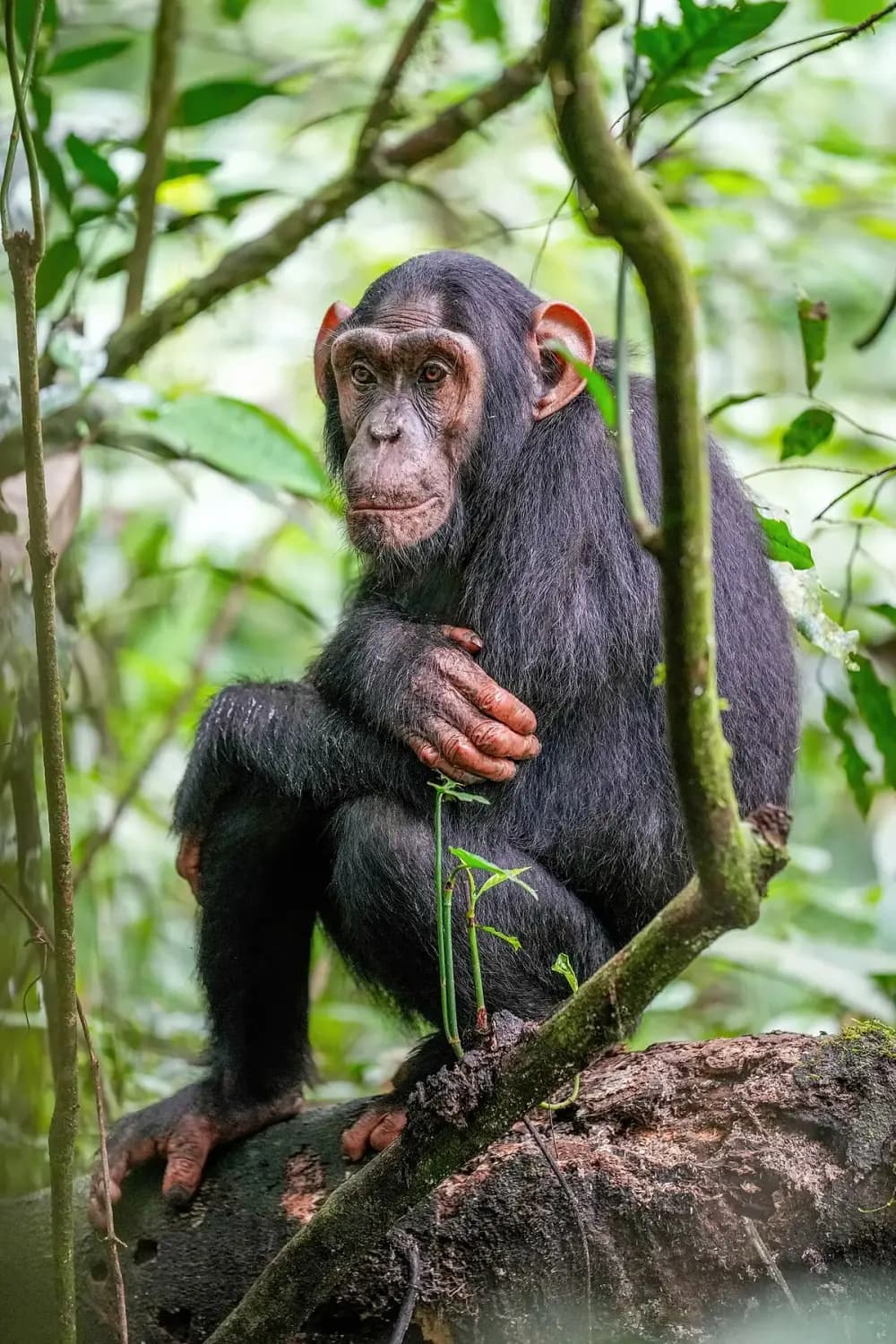
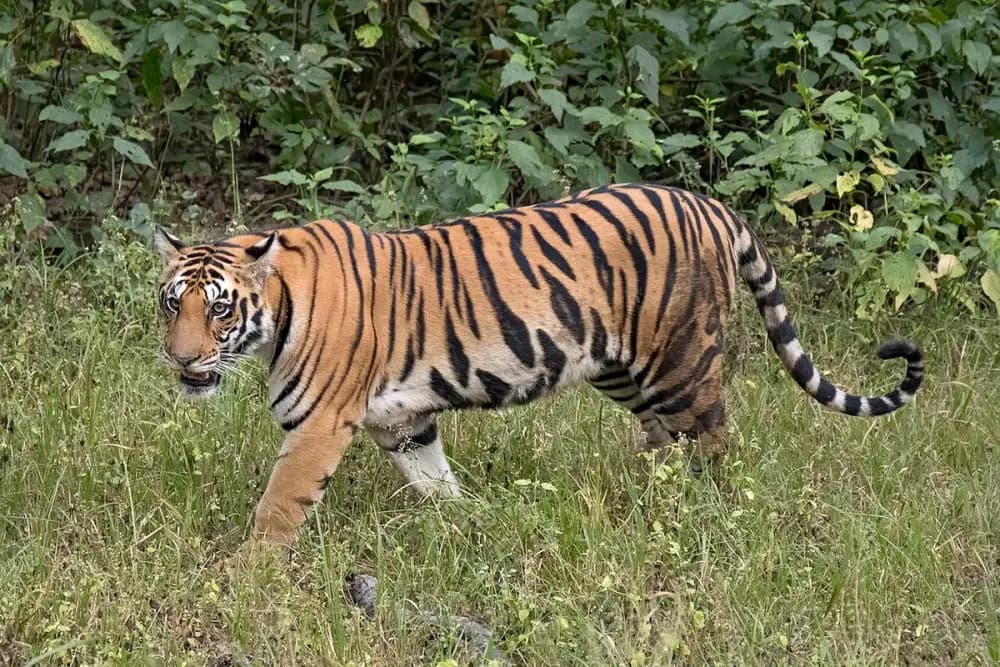
AZA accredits zoos and aquariums, many of which breed animals through planned conservation programs such as Species Survival Plans. GFAS accredits sanctuaries, which don't breed and focus on giving individual animals, such as retired chimpanzees or tigers from private ownership, a permanent home. The two serve different purposes. Our guide to the differences between zoos, sanctuaries and wildlife parks explains more.
How to check a sanctuary
Look for the GFAS logo, or search the "Find a Sanctuary" list on GFAS's website. GFAS keeps pending applications confidential, so if a place isn't listed, you can ask it directly whether it's in the process.
Examples
Common questions
What does GFAS stand for?
GFAS stands for the Global Federation of Animal Sanctuaries, a U.S.-based nonprofit founded in 2007 that sets care standards for sanctuaries and rescue centers worldwide and accredits or verifies the ones that meet them.
What is the difference between GFAS-accredited and GFAS-verified?
Both mean a facility meets GFAS's animal care standards and core rules, such as no breeding and no public contact with wildlife. Accreditation goes further, adding standards for governance, finances and long-term stability.
Is a sanctuary that isn't GFAS-accredited fake?
Not necessarily. GFAS accreditation is voluntary, and some well-run sanctuaries haven't applied. But it's the main independent check that a place calling itself a sanctuary actually follows sanctuary principles.
How long does GFAS accreditation last?
Accreditation and verification are generally in effect for three years. To renew, a facility submits updated records and documents, and GFAS decides whether a new site visit is needed.
Related terms
- Animal sanctuaryAn animal sanctuary is a facility that gives rescued, retired or surrendered animals humane care, usually for the rest of their lives, without breeding, selling or trading them or using them for entertainment. True sanctuaries don't allow public contact with wild animals.
- AZA accreditationAZA accreditation is a voluntary, independent review by the Association of Zoos and Aquariums that confirms a zoo or aquarium meets professional standards for animal welfare, veterinary care, conservation, education and safety. Accredited facilities are re-inspected every five years.
- ZAA accreditationZAA accreditation is a voluntary certification from the Zoological Association of America, a nonprofit formed in 2005, showing that a zoo, aquarium or educational animal facility has passed ZAA's application, site inspection and committee review. Facilities repeat the full process every five years.
- Wildlife rehabilitationWildlife rehabilitation is the care of injured, sick or orphaned wild animals by trained, permitted rehabilitators, with the goal of releasing them back into the wild. Animals that recover but can't survive on their own sometimes become educational animal ambassadors.
- Animal Welfare ActThe Animal Welfare Act is the main U.S. federal law setting minimum standards of care for animals that are exhibited to the public, sold as pets, used in research or transported commercially. It is enforced by the USDA, which licenses zoos and other animal exhibitors and inspects them.
Sources
- Who Can Apply for Accreditation (Global Federation of Animal Sanctuaries)
- What Is a Sanctuary (Global Federation of Animal Sanctuaries)
- Three Year Renewal (Global Federation of Animal Sanctuaries)
- Global Federation of Animal Sanctuaries (Wikipedia)
Last reviewed
Get the Feather & Fang newsletter
Zoo news, animal features and what's new in the directory. Occasional, never spammy.