
Guides
What Does AZA Accreditation Mean? A Guide for Zoo Visitors
AZA accreditation is the strictest independent standard a U.S. zoo or aquarium can meet. Here's what it checks, how a zoo earns it, and what it means for your visit.
By the Feather & Fang team4 min read

On this page
- Quick overview
- What is the AZA?
- What AZA accreditation checks
- How a zoo earns accreditation
- It has to be earned again every five years
- AZA accreditation vs. a USDA license
- Other labels you might see
- Species Survival Plans: why it matters for wildlife
- Does it matter for your visit?
- How to check if a zoo is AZA-accredited
- Common questions
Quick overview
- AZA stands for the Association of Zoos and Aquariums. Its accreditation is an independent check that a zoo meets professional standards for animal welfare, veterinary care, conservation, education, safety and finances.
- It's selective: AZA says only about 10% of the roughly 2,150 animal exhibitors licensed by the USDA are accredited. As of September 2026, 241 zoos and aquariums held it.
- Accreditation isn't permanent. Every accredited zoo is re-inspected in person and goes before AZA's Accreditation Commission every five years, and it can lose accreditation at any time.
- A USDA license is the legal minimum to exhibit animals. AZA accreditation is a voluntary, much higher bar.
- To check a zoo, look for the AZA logo, search AZA's member list, or look for the AZA label on its Feather & Fang page.
You've probably seen "AZA-accredited" on a zoo's website or by the front gate. It's one of the most useful labels a zoo can carry, and one of the least explained. Here's what it actually means and how a zoo earns it.
What is the AZA?
The Association of Zoos and Aquariums (AZA) is a nonprofit membership organization for zoos and aquariums. It was founded in 1924. Its best-known job is accreditation: deciding which zoos and aquariums meet its professional standards.
In 1985, AZA made accreditation mandatory for membership. A zoo can't simply join and use the name; it has to pass the review first. AZA says membership fell by about 75% when that rule took effect, and it kept the rule anyway.
What AZA accreditation checks
AZA's standards cover a zoo's entire operation, not just its animal exhibits. Inspectors look at:
- Animal welfare and care: living spaces, social groups, nutrition and enrichment that encourages natural behavior. AZA says every animal at an accredited zoo gets a welfare assessment at least once a year.
- Veterinary care: the quality of the vet program, health records and medical protocols.
- Conservation and research: what the zoo contributes to protecting species, in its own care and in the wild.
- Education: how the zoo teaches visitors about animals and conservation.
- Safety and security: for animals, staff and guests.
- Staffing, finances and governance: whether the zoo has the trained people, money and leadership to keep meeting the standards.
AZA says U.S. agencies, including the USDA and OSHA, refer to its standards when they evaluate zoos.
How a zoo earns accreditation
Getting accredited is a long, demanding process.
- A detailed application. The zoo submits a questionnaire with its policies, records and reports. AZA says this takes many months to prepare and about six months to review.
- An in-person inspection. A team of three to five inspectors visits for two to five days, depending on the zoo's size. Every team includes a veterinarian, plus experts in animal care and operations.
- A hearing. The zoo's senior leaders appear before AZA's Accreditation Commission, a panel of experienced zoo professionals, to answer questions.
- A decision. The Commission can grant accreditation, grant it provisionally while specific concerns are fixed, table a new application until problems are resolved, or deny it.
The zoo pays for its own inspection.
It has to be earned again every five years
Accreditation doesn't last forever. Every accredited zoo must repeat the full process, including a new inspection, every five years. Inspectors check that problems flagged last time have been fixed.
In between, the Commission meets monthly to review incident and progress reports. It can remove accreditation at any time if a zoo stops meeting the standards. A zoo that loses accreditation also loses its AZA membership.
AZA accreditation vs. a USDA license
These two get confused, but they mean very different things.
- A USDA license is the legal minimum. Under the federal Animal Welfare Act, anyone who exhibits certain animals to the public needs one. Roadside attractions, traveling animal shows and major city zoos all need the same license.
- AZA accreditation is voluntary and far stricter. According to AZA, only about 10% of the roughly 2,150 USDA-licensed exhibitors are accredited.
So a USDA license tells you a facility is legally allowed to show animals. AZA accreditation tells you independent experts have examined how it runs and found that it meets professional standards.
Other labels you might see
AZA isn't the only organization that reviews animal facilities:
- GFAS (Global Federation of Animal Sanctuaries) accredits true sanctuaries: places that care for rescued animals, usually don't breed them, and often limit public visits.
- ZAA (Zoological Association of America) runs its own accreditation program with different standards from AZA's.
When a zoo names an accreditation, it's worth checking which organization it means.
Species Survival Plans: why it matters for wildlife
Accredited zoos work together through Species Survival Plan (SSP) programs. Each one manages the population of a species across many zoos, using a shared studbook to recommend which animals should breed and which should move between zoos. The goal is a healthy, genetically diverse population that doesn't depend on taking more animals from the wild.
AZA says there are nearly 300 SSP programs. Many cover endangered animals, such as the red panda. Through its SAFE (Saving Animals From Extinction) programs, AZA also connects zoos to conservation work in the wild.
Does it matter for your visit?
For most visitors, AZA accreditation is a quick and reliable sign that:
- the animals get professional veterinary care and are regularly checked on;
- the zoo has been inspected by independent experts in the last five years;
- it takes part in conservation beyond its own grounds.
Some good facilities aren't accredited, often small sanctuaries, nature centers or rescue groups. They may not fit AZA's definition of a zoo, or may not be able to afford the process. If a place you're planning to visit isn't accredited, look at how it describes its animal care and whether it holds another accreditation, such as GFAS.
How to check if a zoo is AZA-accredited
- Look for the logo. Accredited zoos show "Accredited by the Association of Zoos and Aquariums" on their website and often at the entrance.
- Search AZA's member list. AZA keeps a public, current list of accredited zoos and aquariums.
- Check its Feather & Fang page. Every zoo in our U.S. zoo directory shows whether it's AZA-accredited, with a short explanation of what that means.
Common questions
What does AZA stand for?
AZA stands for the Association of Zoos and Aquariums, a nonprofit founded in 1924 that accredits zoos and aquariums against professional standards for animal care, conservation, education and safety.
Is AZA accreditation required by law?
No. To exhibit animals in the U.S., a zoo needs a license from the USDA under the Animal Welfare Act. AZA accreditation is voluntary and goes well beyond that legal minimum, which is why only about 10% of USDA-licensed exhibitors hold it.
How often are AZA zoos inspected?
Every accredited zoo or aquarium must go through the full accreditation process, including an in-person inspection, every five years. AZA's Accreditation Commission can also review incidents in between and can remove accreditation at any time.
Are non-AZA zoos bad?
Not necessarily. Some well-run facilities aren't accredited because of their size, their mission or the cost of the process. But accreditation is the only independent, expert-led review a zoo can choose to undergo, so without it you have less outside assurance about how animals are cared for.
How many AZA-accredited zoos are there?
As of September 2026, AZA listed 241 accredited zoos and aquariums and 14 accredited related facilities, which are places such as research or breeding centers that aren't regularly open to the public.
How can I tell if a zoo is AZA-accredited?
Look for the 'Accredited by the Association of Zoos and Aquariums' logo on the zoo's website or at the gate, or search AZA's list of accredited members. Every zoo page on Feather & Fang also shows whether the zoo is AZA-accredited.
In this post
Get the Feather & Fang newsletter
Zoo news, animal features and what's new in the directory. Occasional, never spammy.
More from the blog
 Charles J. Sharp · CC BY-SA 4.0
Guides
Zoo vs. Sanctuary vs. Wildlife Park: What's the Difference?
Zoos, sanctuaries, safari parks, rescue centers and petting farms all show animals, but they work very differently. Here's how to tell them apart.
· 4 min read
 Don Graham from Redlands, CA, USA - God bless it! · CC BY-SA 2.0
Animal facts
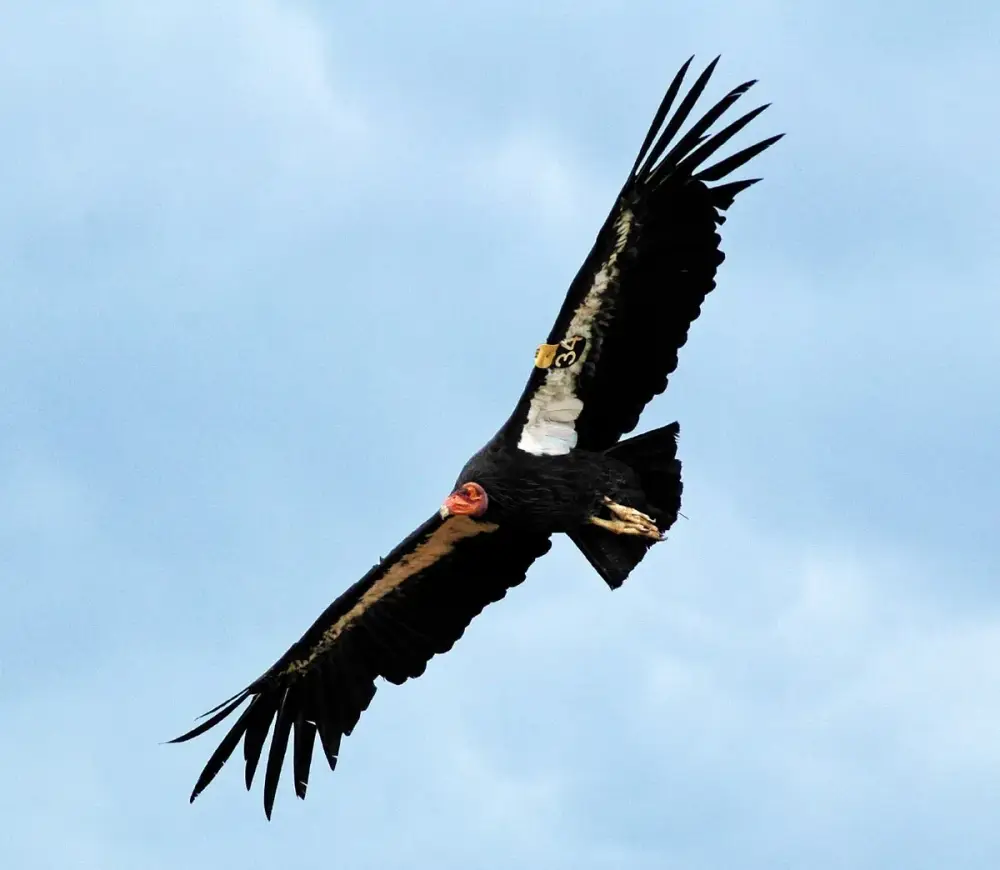
What Do Zoos Do for Conservation? 5 Animals Zoos Helped Save
From California condors to black-footed ferrets, some species exist today because zoos bred them when the wild ones were nearly gone. Here's how zoo conservation works.
· 3 min read
 Charles J. Sharp · CC BY-SA 4.0
Guides
Zoo Etiquette: 12 Do's and Don'ts (and Why They Matter)
Don't tap the glass, don't feed the animals, don't throw coins in the pools. Here are the zoo rules every visitor should know, and the reasons behind each one.
· 3 min read