
Conservation in zoos
AZA SAFE
Also called SAFE, Saving Animals From Extinction, SAFE species program
Definition
AZA SAFE: Saving Animals From Extinction is a program of the Association of Zoos and Aquariums that pools the work of many accredited zoos and aquariums on specific at-risk species, with a focus on conservation results in the wild.
On this page
What AZA SAFE is
AZA SAFE: Saving Animals From Extinction is a conservation program run by the Association of Zoos and Aquariums (AZA), the main accrediting body for zoos and aquariums in the U.S.
Its stated mission is to combine the power of zoo and aquarium visitors with the resources and expertise of AZA members and partners to save animals from extinction. In practice, SAFE picks specific at-risk species and gets many zoos and aquariums working on them together, rather than each running separate projects.
What SAFE programs do
According to AZA, a SAFE program:
- Protects threatened animals
- Builds on existing recovery plans rather than starting from scratch
- Prioritizes collaboration among AZA member institutions
- Carries out conservation and community engagement work
- Measures and reports progress
That work happens largely in the field: protecting habitat, supporting wild populations and working with people who live alongside the animals.
SAFE vs. Species Survival Plans
The two programs are easy to confuse, but they do different jobs:
- A Species Survival Plan (SSP) manages a species' population inside zoos and aquariums, using a studbook and breeding recommendations.
- A SAFE program targets conservation impact in the wild.
Many species have both. For example, the zoo population of red wolves is managed through an SSP, while SAFE work supports the wild population.
Examples of SAFE species
AZA's SAFE list covers dozens of species and groups. Some you may see at U.S. zoos include:
- African penguin
- Black rhinoceros
- Cheetah and giraffe
- Red panda
- Radiated tortoise
- Red wolf
- Whooping crane
The list also includes animals you rarely see on exhibit, such as North American freshwater mussels, coral, monarch butterflies and the vaquita, a tiny porpoise.
Why it matters for zoo visitors
SAFE is one of the clearest ways AZA zoos turn visits into conservation in the wild. Because only AZA-accredited institutions and their partners take part, it's another reason to check a zoo's accreditation before you go. Read what AZA accreditation means or find a zoo.
Examples
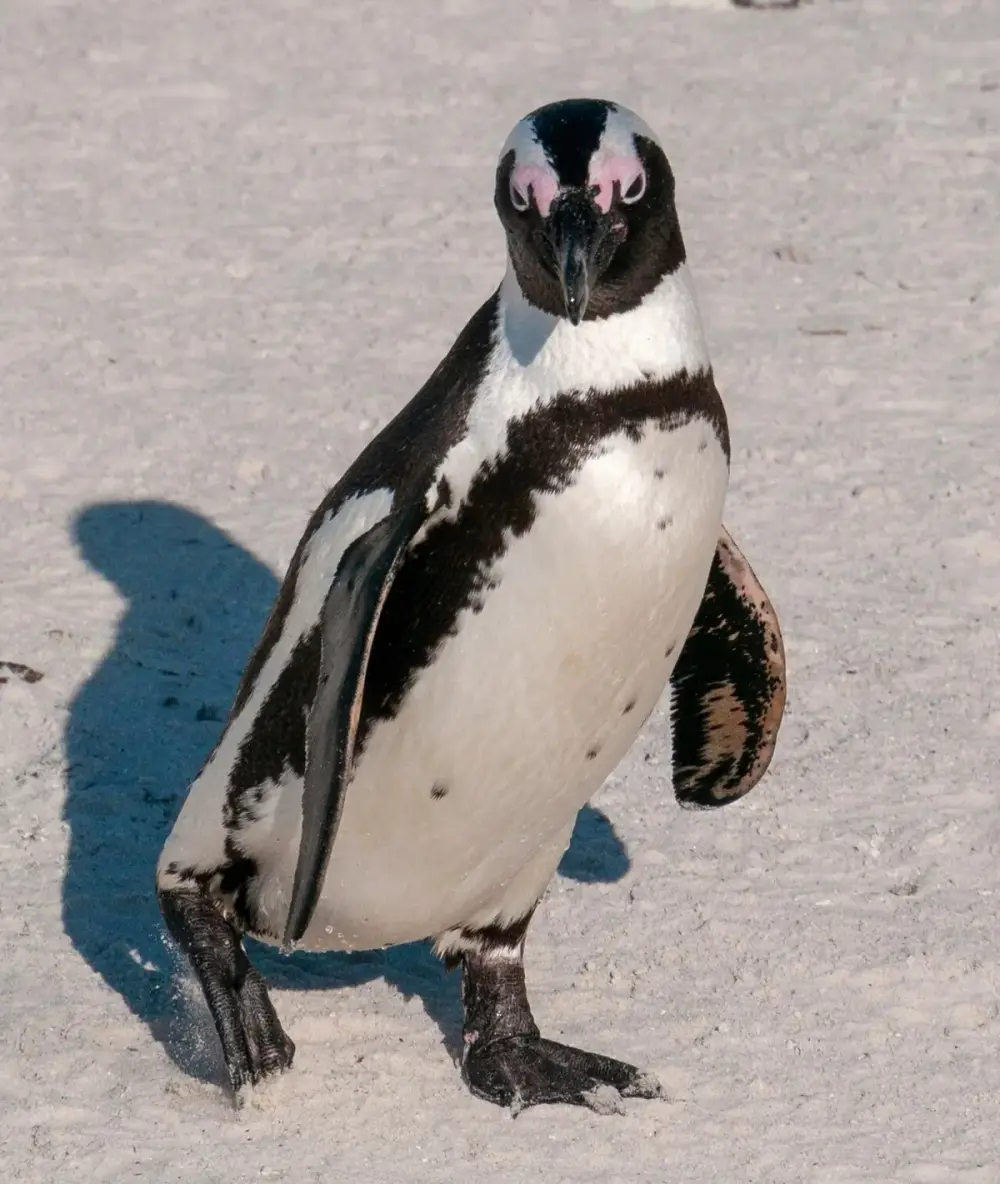 Matti Blume · CC BY-SA 4.0
African penguin
Spheniscus demersus
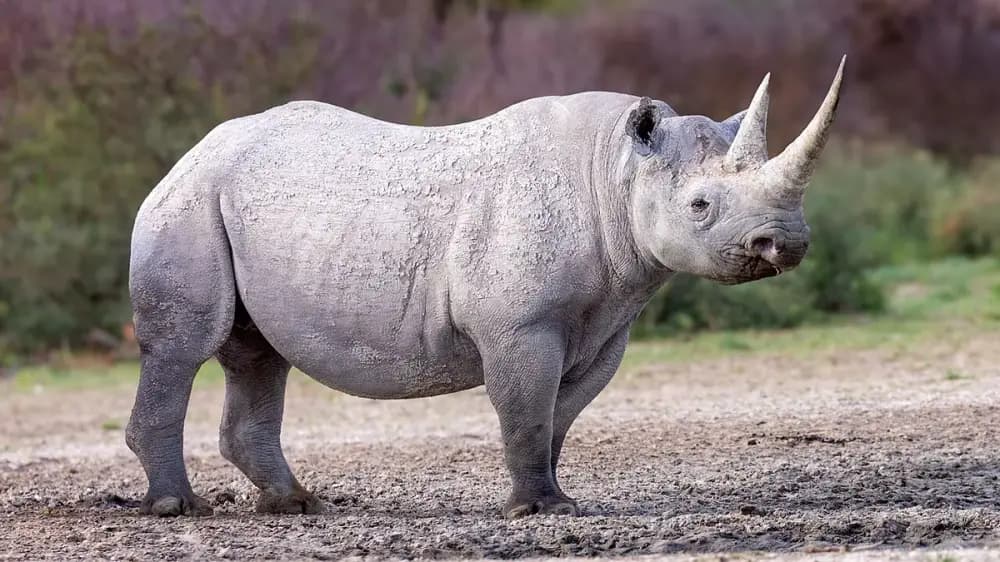 AfricanConservation · CC BY-SA 4.0
Black Rhinoceros
Diceros bicornis
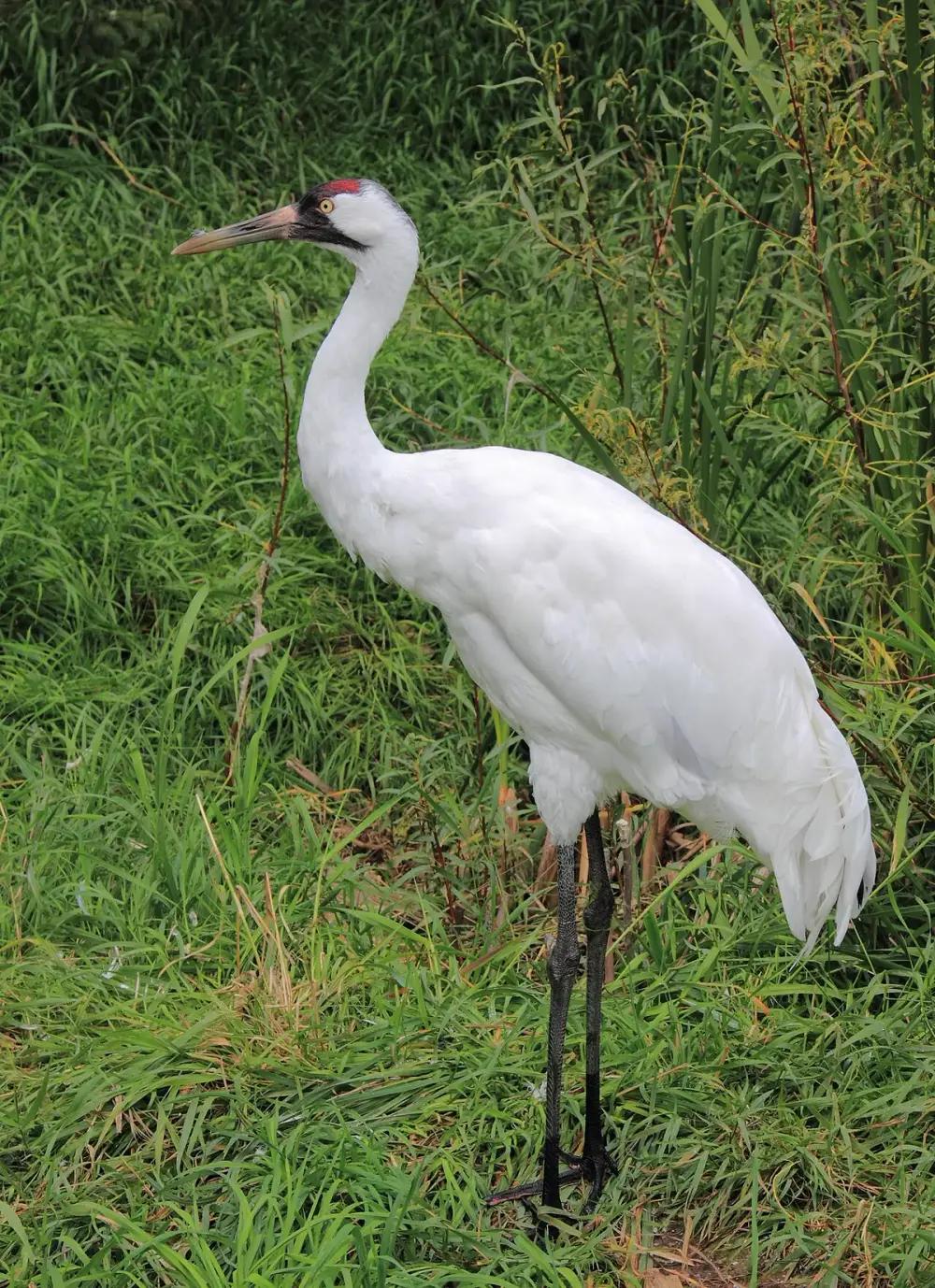 Sasata · CC BY-SA 3.0
Whooping Crane
Antigone americana
 Sunuwargr · CC BY-SA 4.0
Red panda
Ailurus fulgens
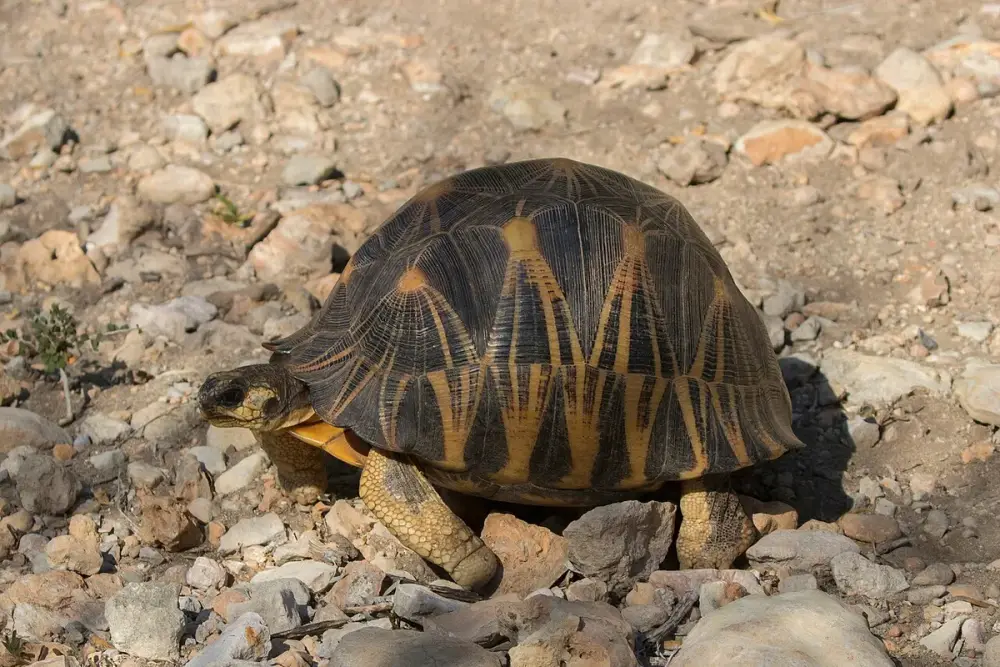 Charles J. Sharp · CC BY-SA 4.0
Radiated Tortoise
Astrochelys radiata
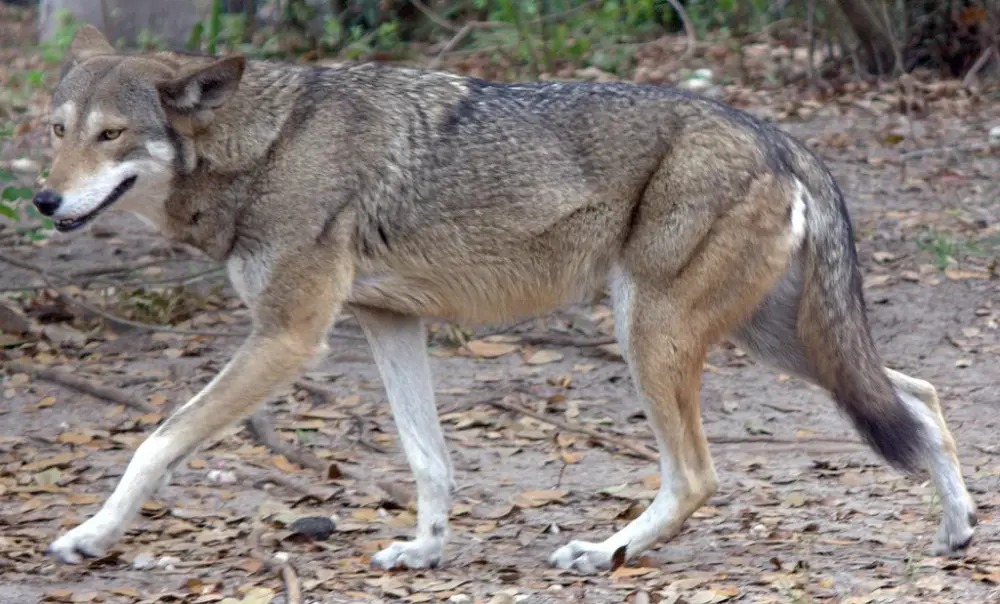 LaggedOnUser · CC BY-SA 2.0
Red Wolf
Canis rufus
Common questions
What does SAFE stand for in zoos?
SAFE stands for Saving Animals From Extinction. It's a conservation program of the Association of Zoos and Aquariums that coordinates accredited zoos and aquariums working to protect specific species in the wild.
What is the difference between SAFE and a Species Survival Plan?
A Species Survival Plan manages the population of a species inside zoos and aquariums. SAFE programs focus on conservation impact in the wild, such as protecting habitat, supporting wild populations and working with local communities.
Which animals are SAFE species?
AZA's SAFE list includes dozens of species and groups, among them African penguins, black rhinoceroses, cheetahs, giraffes, red pandas, red wolves, sea turtles, sharks and rays, vaquitas, whooping cranes and Wyoming toads.
How can visitors support SAFE?
Visiting AZA-accredited zoos and aquariums supports their conservation work, and AZA accepts donations for SAFE directly. Many zoos also run their own fundraisers for the SAFE species they work on.
Related terms
- Species Survival Plan (SSP)A Species Survival Plan (SSP) is a cooperative breeding program run by the Association of Zoos and Aquariums (AZA). It manages one species across many zoos and aquariums as a single population, recommending which animals breed and which move so the population stays healthy and genetically diverse.
- AZA accreditationAZA accreditation is a voluntary, independent review by the Association of Zoos and Aquariums that confirms a zoo or aquarium meets professional standards for animal welfare, veterinary care, conservation, education and safety. Accredited facilities are re-inspected every five years.
- ReintroductionReintroduction is the deliberate release of animals into part of their native range where the species has disappeared, with the goal of establishing a healthy, self-sustaining wild population. Released animals can come from zoos, breeding centers or other wild populations.
- Ex situ conservationEx situ conservation means protecting a species outside its natural habitat, for example by breeding it in zoos, aquariums or botanical gardens, or by storing seeds and frozen cells. In situ conservation is the opposite: protecting species where they live in the wild.
Sources
- SAFE: Saving Animals From Extinction (Association of Zoos and Aquariums)
- Species Survival Plan Programs (Association of Zoos and Aquariums)
- Association of Zoos and Aquariums (Wikipedia)
Last reviewed
Get the Feather & Fang newsletter
Zoo news, animal features and what's new in the directory. Occasional, never spammy.